
Mobile Addiction Treatment Rolls Into Rural North Carolina, Meeting Patients Where They Are
Mobile Addiction Treatment Rolls Into Rural North Carolina, Meeting Patients Where They Are
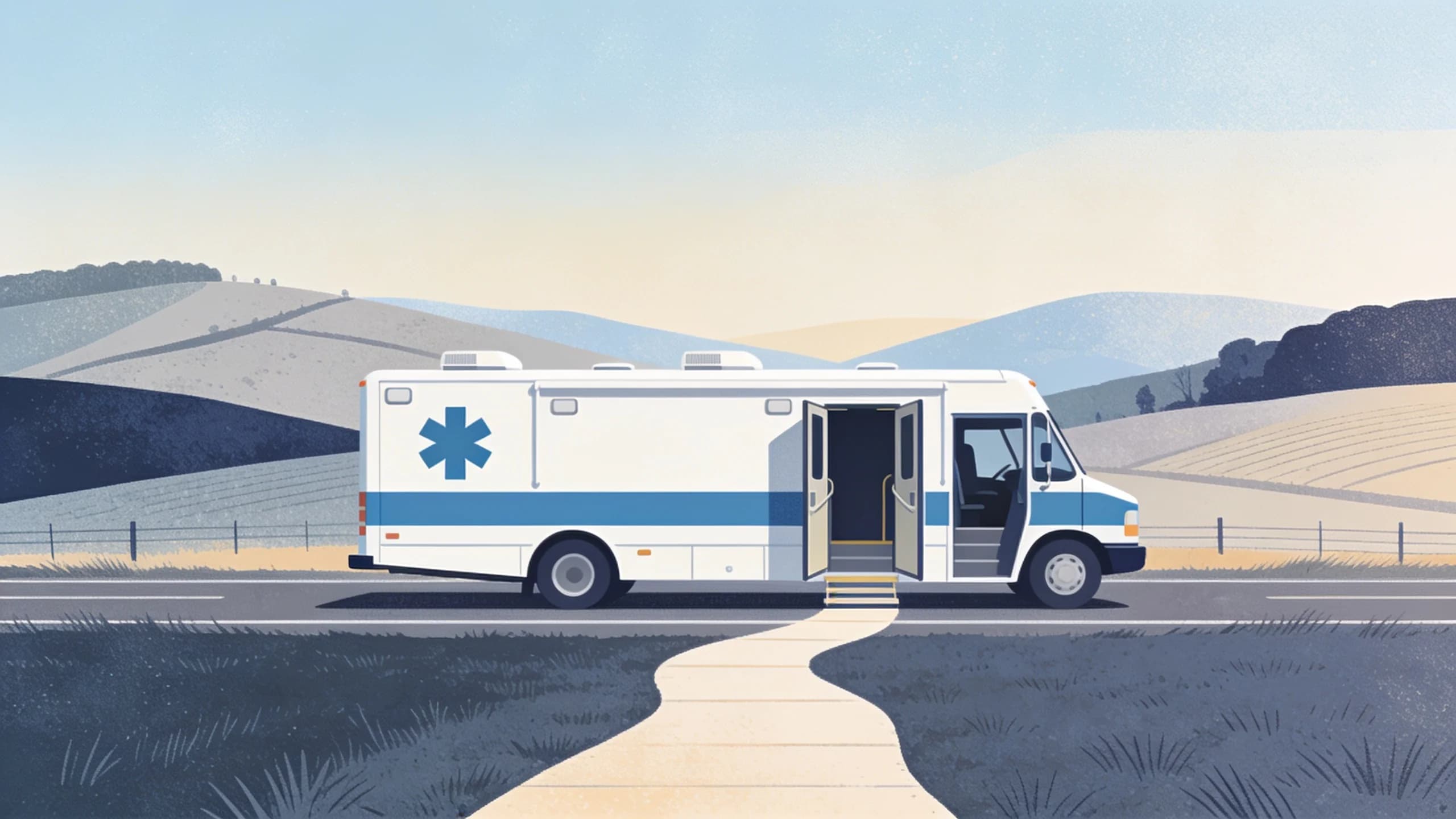
About a month ago, a young woman walked up to a bright green and blue bus parked outside the Alamance County Health Department. She wasn't there for a routine medical checkup or a vaccination. She was there to start treatment for opioid use disorder.
The bus represents a growing movement in addiction medicine: taking treatment directly to communities that have historically struggled to access it. In rural and underserved parts of North Carolina, where clinics can be miles away and transportation barriers often derail recovery before it begins, mobile units are emerging as a pragmatic solution to a persistent problem.
The Geography of Treatment Gaps
Alamance County sits in the Piedmont region of North Carolina, a mix of small cities, suburban development, and rural stretches where public transportation is limited and poverty rates exceed state averages. Like many communities its size, it has faced a familiar pattern: rising overdose deaths, insufficient treatment capacity, and patients who want help but cannot reliably reach the places that offer it.
The statistics tell part of the story. North Carolina has seen overdose deaths climb steadily over the past decade, with rural counties often experiencing higher per-capita fatality rates than urban centers. The reasons are complex—economic decline, isolation, limited healthcare infrastructure—but the result is consistent. People who need medication-assisted treatment for opioid addiction frequently cannot get it.
Traditional treatment models assume patients can travel to clinics, wait in lines, and return for regular appointments. For someone without reliable transportation, working multiple jobs, or caring for children, those assumptions create insurmountable barriers. The mobile unit removes them.
What the Bus Provides
The Alamance County mobile treatment unit offers a full spectrum of services for opioid use disorder, delivered in a compact clinical space designed for privacy and efficiency. Patients can:
- Begin buprenorphine treatment — the gold-standard medication that reduces cravings and withdrawal symptoms, allowing people to function normally while addressing their addiction
- Receive medical assessments to determine the appropriate level of care and medication dosing
- Access counseling and care coordination to connect with additional services, from mental health support to housing assistance
- Schedule follow-up visits at the mobile unit's regular stops, creating continuity without requiring long-distance travel
The model follows evidence-based practices established by pioneering programs in other states. Mobile methadone and buprenorphine clinics have operated successfully in Vermont, Massachusetts, and parts of the Pacific Northwest, demonstrating that addiction treatment can be delivered effectively outside traditional brick-and-mortar facilities.
Why Mobile Units Work
Research on mobile addiction treatment has consistently shown strong results. A study published in the Journal of Substance Abuse Treatment found that patients receiving buprenorphine through mobile clinics had retention rates comparable to those visiting fixed-site programs—sometimes better, because the reduced transportation burden meant fewer missed appointments.
The advantages extend beyond convenience. Mobile units can:
Reach isolated populations in rural areas where clinics would be economically unsustainable
Reduce stigma by normalizing treatment as a routine health service rather than requiring patients to visit specialized addiction facilities
Respond flexibly to emerging needs, relocating to areas experiencing overdose clusters or shifting demographics
Build trust through consistent presence, as patients see the same providers at regular intervals in their own communities
For the young woman who approached the bus in Alamance County, these theoretical benefits translated into immediate practical access. She could start treatment that day, without navigating a referral process, arranging transportation to a distant clinic, or waiting weeks for an appointment.
The Bigger Picture
North Carolina's investment in mobile addiction treatment reflects a broader shift in how states are approaching the overdose crisis. After years of focusing primarily on law enforcement and emergency response, policymakers are increasingly recognizing that sustainable progress requires expanding access to the medications and services that actually reduce mortality.
Medication-assisted treatment—combining FDA-approved medications like buprenorphine and methadone with counseling—reduces overdose deaths by roughly 50 percent among people with opioid use disorder. Yet nationally, only a fraction of those who could benefit from MAT receive it. In rural areas, the gap is even wider.
Mobile units are not a complete solution. They work best as part of a comprehensive system that includes traditional clinics, telehealth options, peer support networks, and harm reduction services. But they fill a critical niche, extending the reach of evidence-based care into places it has never gone before.
Looking Forward
The Alamance County mobile unit is expected to continue its regular schedule, parking at strategic locations chosen for accessibility and proximity to populations with demonstrated need. State health officials are monitoring outcomes closely, with an eye toward expanding the model to other underserved counties if results match expectations.
For now, the bright green and blue bus serves as a rolling symbol of a more pragmatic approach to addiction treatment—one that recognizes recovery happens in communities, not just clinics, and that meeting patients where they are is often the first step toward helping them get where they want to go.
The young woman who boarded that bus a month ago is still in treatment. For her, and for others who will follow, the vehicle that made recovery accessible wasn't a car she couldn't afford or a clinic she couldn't reach. It was a bus that came to her.
If you or someone you know is struggling with opioid use, the SAMHSA National Helpline is available 24/7 at 1-800-662-HELP (4357). For treatment options in your area, visit the SAMHSA Treatment Locator.
Editorial Board
LADC, LCPC, CASAC
The Rainier Rehab editorial team consists of licensed addiction counselors, healthcare journalists, and recovery advocates dedicated to providing accurate, evidence-based information about substance abuse treatment and rehabilitation.
Related Articles
Mercy Hospital Lebanon Pilots Emergency Department Program to Bridge Rural Opioid Treatment Gap
Missouri hospital launches innovative pilot program providing medication and guaranteed virtual addiction appointments within 72 hours to rural patients with opioid use disorder.
Most Americans Who Need Addiction Treatment Get None — and Their Own Doctors Are Part of the Problem
New federal data shows 84% of Americans who needed addiction treatment in 2025 got none, as stigma and training gaps keep doctors on the sidelines.
FDA Approves New Buprenorphine Dosing Options, Expanding Access to Opioid Addiction Treatment
Weekly and monthly extended-release injections now available in lower doses, offering more flexible treatment options for patients with moderate to severe opioid use disorder.