
Columbia County Publishes First-Ever Opioid Settlement Spending Report, Showing Declining Funds
Columbia County, New York has taken a step toward transparency that remains surprisingly rare among local governments: it published a detailed accounting of how it is spending opioid settlement funds. The report, released this month, reveals not only where the money is going but also documents the declining trajectory of future payments—a reality that counties across the country will increasingly face as settlement distributions peak and taper off.
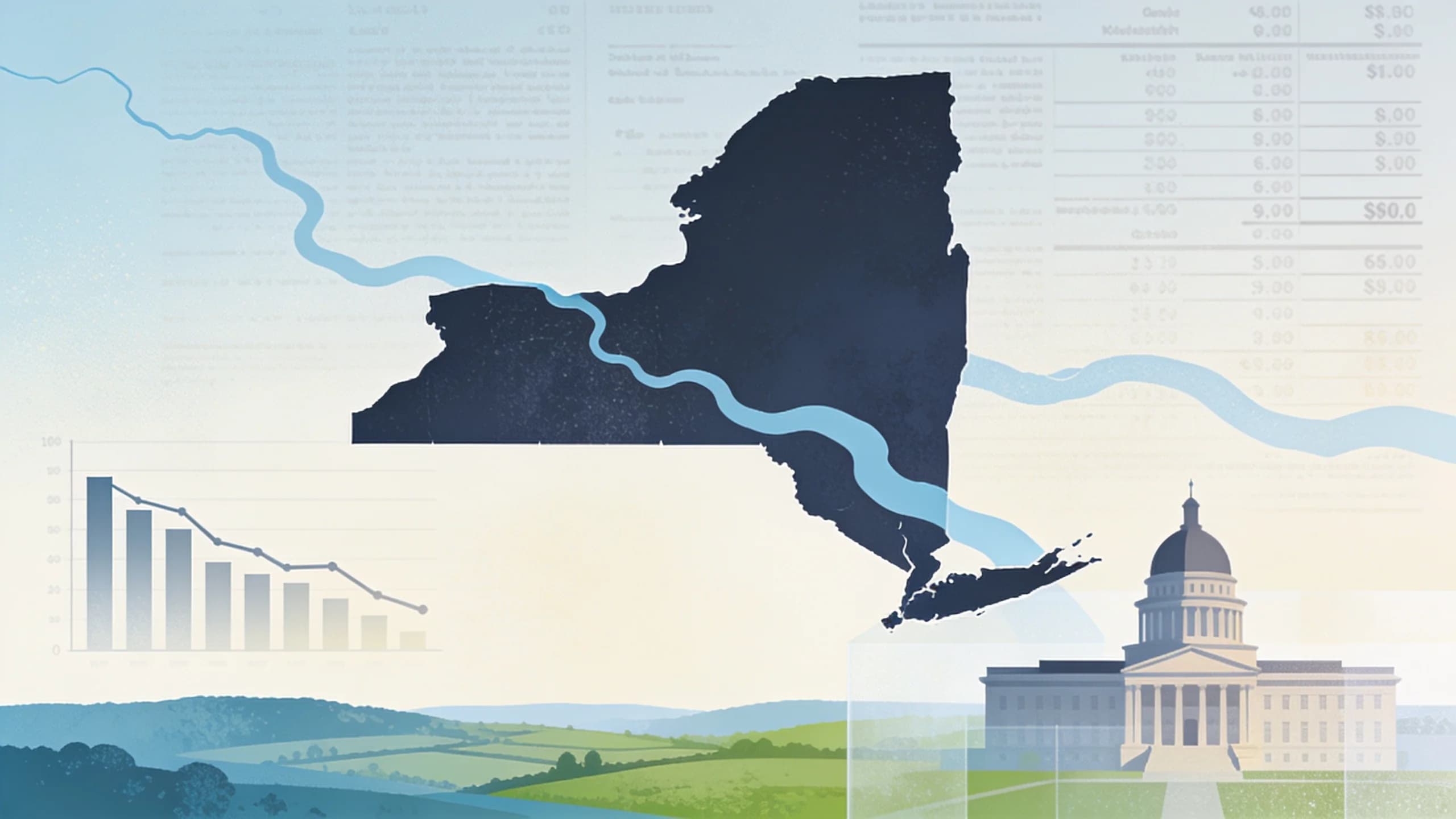
According to the report, Columbia County received $283,700 in 2023, $206,000 in 2024, $119,000 in 2025, and is projected to receive just $86,000 in 2026. The nearly 70% reduction over four years illustrates a challenge that state and local governments are only beginning to grapple with: how to sustain addiction treatment and prevention programs initiated with settlement dollars when those funds inevitably diminish.
A Window Into Local Decision-Making
The Columbia County report offers a granular look at how one rural New York county of roughly 61,000 residents is deploying settlement resources. The funds support a range of services including medication-assisted treatment, peer recovery programs, prevention education, and harm reduction initiatives. This multi-pronged approach reflects the complexity of the opioid crisis, which demands interventions at multiple points—from preventing initial substance use to supporting long-term recovery.
For counties like Columbia, the settlement funds have provided an opportunity to expand services that were previously underfunded or nonexistent. The money has enabled the hiring of peer recovery specialists, expanded access to naloxone, and supported programs that connect people with opioid addiction to treatment providers. These investments have filled critical gaps in a rural area where healthcare resources are often scarce.
The Funding Cliff Approaches
The declining payment schedule documented in Columbia County's report is not unique to this jurisdiction. Opioid settlement agreements with pharmaceutical manufacturers, distributors, and retailers were structured to deliver larger payments in the early years, with amounts tapering over time. The national settlement with the "Big Three" distributors—McKesson, Cardinal Health, and AmerisourceBergen—spans 18 years, but the largest payments come in the first decade.
This structure creates what public health advocates call a "funding cliff"—the risk that programs launched with settlement dollars will face sudden cuts when those funds decrease. Counties that have used settlement money to hire staff, open treatment facilities, or launch prevention programs must either find alternative funding sources or scale back services just as they are gaining traction.
Columbia County's experience shows the early stages of this transition. The $86,000 projected for 2026 represents a significant reduction from the initial $283,700 payment, forcing county officials to make difficult decisions about which programs to maintain and which to reduce.
Transparency as Accountability
What makes Columbia County's report notable is not just the financial data but the act of publication itself. While many counties receive opioid settlement funds, relatively few provide detailed public accounting of how those dollars are spent. The lack of transparency has raised concerns among advocates who worry that funds intended for addiction treatment could be diverted to unrelated purposes.
New York State has implemented some safeguards. Settlement funds are generally restricted to opioid-related purposes, and the state requires some level of reporting. But the specific details of local spending decisions often remain opaque. Columbia County's decision to publish a comprehensive report sets a standard that other jurisdictions could emulate.
The Bigger Picture
Columbia County's experience reflects broader trends in how communities are responding to the opioid crisis. The settlement funds have provided a significant, if temporary, infusion of resources that has enabled expansion of services. But the declining payment schedule is a reminder that these funds were never intended to be a permanent solution.
Public health experts argue that the settlement money should be viewed as bridge funding—resources that can be used to demonstrate the effectiveness of interventions, build infrastructure, and create the political will for sustained public investment. The goal is to use the temporary funds to prove the value of programs that can then be supported through other means.
For Columbia County, this means finding ways to sustain the most effective initiatives even as settlement payments decline. The county may need to seek grants from federal and state sources, explore public-private partnerships, or make the case for increased local funding. The transparency provided by the spending report could be a valuable tool in these efforts, demonstrating to taxpayers and policymakers how addiction treatment investments deliver results.
Lessons for Other Communities
Other counties receiving opioid settlement funds can learn from Columbia County's approach. The act of publishing detailed spending data serves multiple purposes: it demonstrates accountability to taxpayers, provides advocates with information to push for effective use of funds, and creates a record that can inform future funding decisions.
The report also highlights the importance of planning for the funding cliff. Communities that recognize the temporary nature of settlement funds can take steps to build sustainable programs from the start. This might mean using settlement dollars for one-time investments like training or infrastructure rather than ongoing operational costs, or creating transition plans that gradually shift program funding to other sources.
As the opioid crisis continues to evolve, with new threats like ultra-potent synthetic opioids and veterinary sedatives entering the drug supply, the need for sustained investment in treatment and prevention remains urgent. Columbia County's transparency offers a model for how communities can navigate the complex challenge of using temporary resources to address a persistent public health emergency.
Sources
Editorial Board
LADC, LCPC, CASAC
The Rainier Rehab editorial team consists of licensed addiction counselors, healthcare journalists, and recovery advocates dedicated to providing accurate, evidence-based information about substance abuse treatment and rehabilitation.
Related Articles

New Mexico's $920 Million Opioid Settlement: A Transparency Crisis
State ranks near bottom in national accountability as opioid settlement funds prove difficult to track

Kentucky Local Governments Have Spent Only 10% of Opioid Settlement Dollars Despite Crisis
New report finds 90% of Kentucky's local opioid settlement funds remain unspent as overdose deaths continue, raising questions about accountability and urgency.

Nashville Audit Finds Opioid Settlement Funds Lack Transparency and Accountability
Metro's Office of Internal Audit identifies governance gaps, interference in review process, and insufficient performance tracking in $23 million opioid settlement program