
Weekly Injectable Buprenorphine Proves Superior for Pregnant Women With Opioid Use Disorder
For decades, pregnant women with opioid use disorder have faced an impossible choice: daily medication regimens that are difficult to maintain during the chaos of pregnancy, or risk relapse that threatens both mother and child. New research published in JAMA Internal Medicine suggests that choice may finally be expanding.
An NIH-funded randomized clinical trial has demonstrated that weekly extended-release buprenorphine injections not only match the effectiveness of daily sublingual tablets during pregnancy but actually exceed them—marking a potential paradigm shift in how clinicians approach medication-assisted treatment for expectant mothers.
Breaking New Ground
The study, conducted across multiple clinical sites and following participants through pregnancy and 12 months postpartum, represents the most rigorous examination to date of extended-release formulations in this vulnerable population. Researchers compared weekly injections of BRIXADI, an extended-release buprenorphine formulation, against traditional daily sublingual tablets.
The primary outcome measure—proportion of weekly urine samples negative for illicit opioids during pregnancy—revealed striking results. Not only did the injectable formulation meet the statistical threshold for noninferiority, but it demonstrated clear superiority over daily pills.
For clinicians who have long suspected that medication adherence challenges undermined treatment effectiveness in pregnancy, the findings provide empirical validation. Pregnancy brings morning sickness, changing routines, and overwhelming fatigue—factors that make daily medication compliance genuinely difficult. A weekly injection eliminates much of this burden.
Why Adherence Matters
Opioid use disorder affects approximately 2% to 3% of pregnancies in the United States, or roughly 1 in 40 births according to national Medicaid claims data. Untreated, the condition carries severe risks: preterm birth, low birth weight, fetal growth restriction, and neonatal abstinence syndrome, in which newborns experience withdrawal symptoms after delivery.
Buprenorphine has emerged as the preferred treatment during pregnancy because it offers better neonatal outcomes compared to methadone, with shorter hospital stays for infants and less severe withdrawal. However, the sublingual formulation requires daily dosing under specific conditions—patients must dissolve the tablet under their tongue without swallowing prematurely, a task complicated by pregnancy-related nausea and vomiting.
Extended-release formulations like BRIXADI address these limitations by providing steady medication levels through subcutaneous injection, eliminating daily adherence challenges and reducing opportunities for medication diversion.
The Postpartum Challenge
Perhaps most significantly, the study's 12-month postpartum follow-up period captured a critical window. The months after delivery represent the highest-risk period for overdose death among women with opioid use disorder. Hormonal fluctuations, sleep deprivation, and the stress of caring for a newborn create a perfect storm for relapse.
During this vulnerable period, participants receiving extended-release buprenorphine maintained better treatment retention and continued to show superior outcomes compared to those on daily tablets. The implications extend beyond individual patients to their families and communities—stable maternal recovery supports healthy infant development and reduces child welfare involvement.
Clinical Implications
The FDA approved BRIXADI in 2023, but uptake in pregnant populations has been cautious pending safety data. This JAMA study provides the evidence base clinicians have been waiting for, potentially accelerating adoption of extended-release formulations as first-line treatment for pregnant patients.
However, significant barriers remain. Not all treatment programs offer injectable formulations, which require specialized training for administration. Insurance coverage varies, and some Medicaid programs have been slow to add extended-release buprenorphine to their formularies.
For women in rural areas, geographic access presents additional challenges. While daily buprenorphine can be prescribed via telehealth and filled at local pharmacies, injectable formulations require in-person visits—potentially burdensome for patients who must travel long distances while pregnant.
A Growing Recognition
Federal health agencies have taken notice of the unique needs of pregnant and postpartum women with substance use disorders. SAMHSA recently opened applications for a new State Pilot Program specifically targeting this population, with grants available to expand treatment capacity and improve coordination between addiction services and obstetric care.
The program recognizes that effective treatment requires more than medication alone. Comprehensive services including prenatal care, mental health support, parenting education, and assistance with basic needs like housing and transportation all contribute to positive outcomes.
Looking Ahead
For women considering pregnancy while in recovery from opioid addiction, the expanding treatment options offer reason for optimism. The evidence increasingly supports that with appropriate medication and support, women can have healthy pregnancies and thriving infants while maintaining their recovery.
The JAMA study adds to a growing body of research suggesting that extended-release formulations may represent the future of opioid use disorder treatment across diverse populations. For pregnant women specifically, the combination of proven safety, superior effectiveness, and reduced daily burden addresses multiple barriers that have historically undermined recovery.
As healthcare systems work to implement these findings, the goal is clear: every pregnant woman with opioid use disorder should have access to evidence-based treatment that supports both maternal recovery and healthy child development. The research confirms this is not just an aspiration but an achievable reality.
Sources
Editorial Board
LADC, LCPC, CASAC
The Rainier Rehab editorial team consists of licensed addiction counselors, healthcare journalists, and recovery advocates dedicated to providing accurate, evidence-based information about substance abuse treatment and rehabilitation.
Related Articles

Monthly Injectable Buprenorphine Cuts Relapse Risk by 3.5x, Studies Find
New real-world evidence shows extended-release buprenorphine significantly outperforms other medication-assisted treatments in preventing relapse and reducing healthcare costs.
A Bronx Algorithm Flagged 9,140 Patients for Buprenorphine. Twenty-Three Started It.
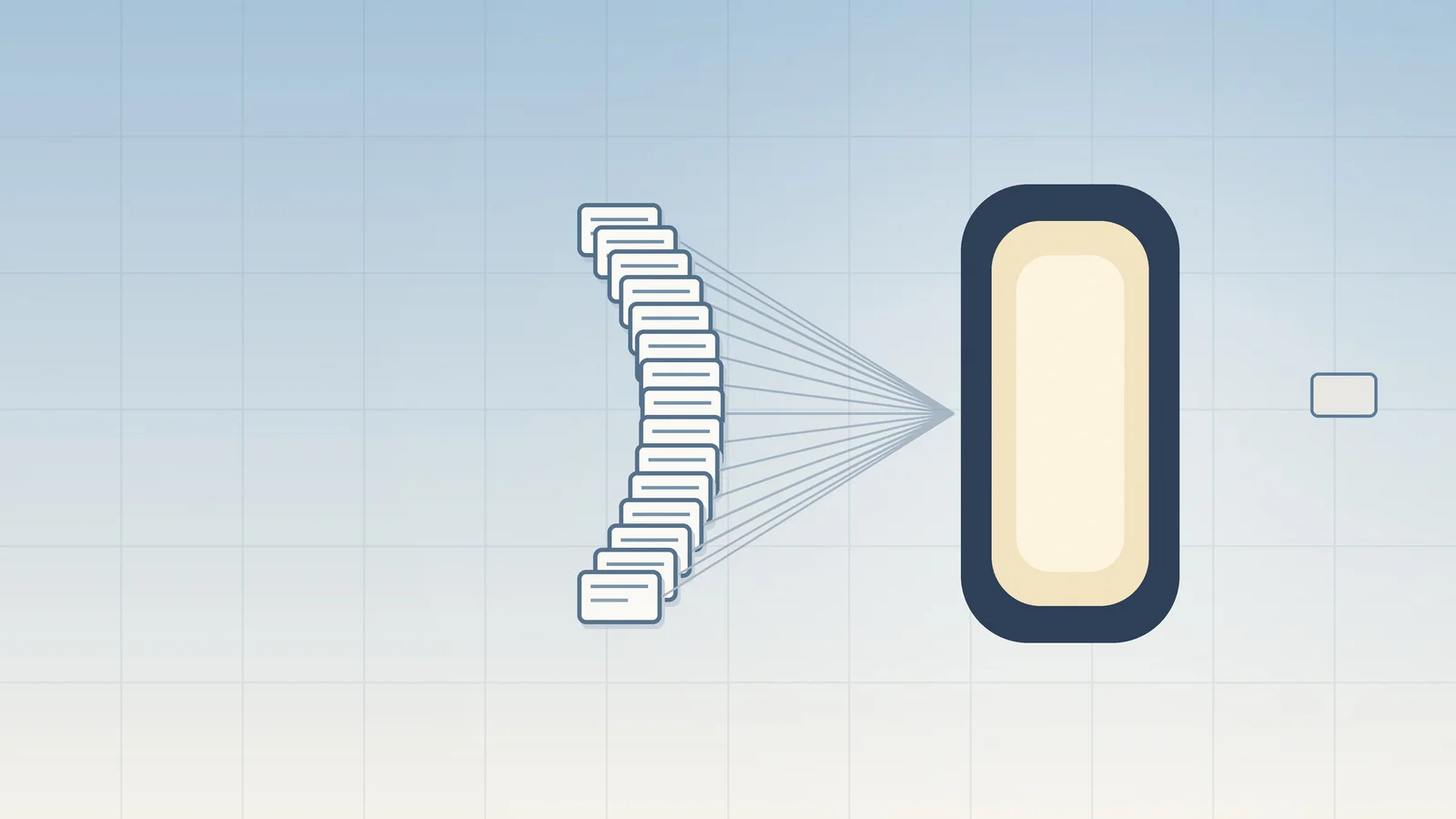
A Montefiore and Albert Einstein College of Medicine trial screened 9,140 hospital records over two years to start 23 patients on buprenorphine. The brief report publishes the whole funnel, and the losses are the point.
FDA Approves New Buprenorphine Dosing Options, Expanding Access to Opioid Addiction Treatment
Weekly and monthly extended-release injections now available in lower doses, offering more flexible treatment options for patients with moderate to severe opioid use disorder.