
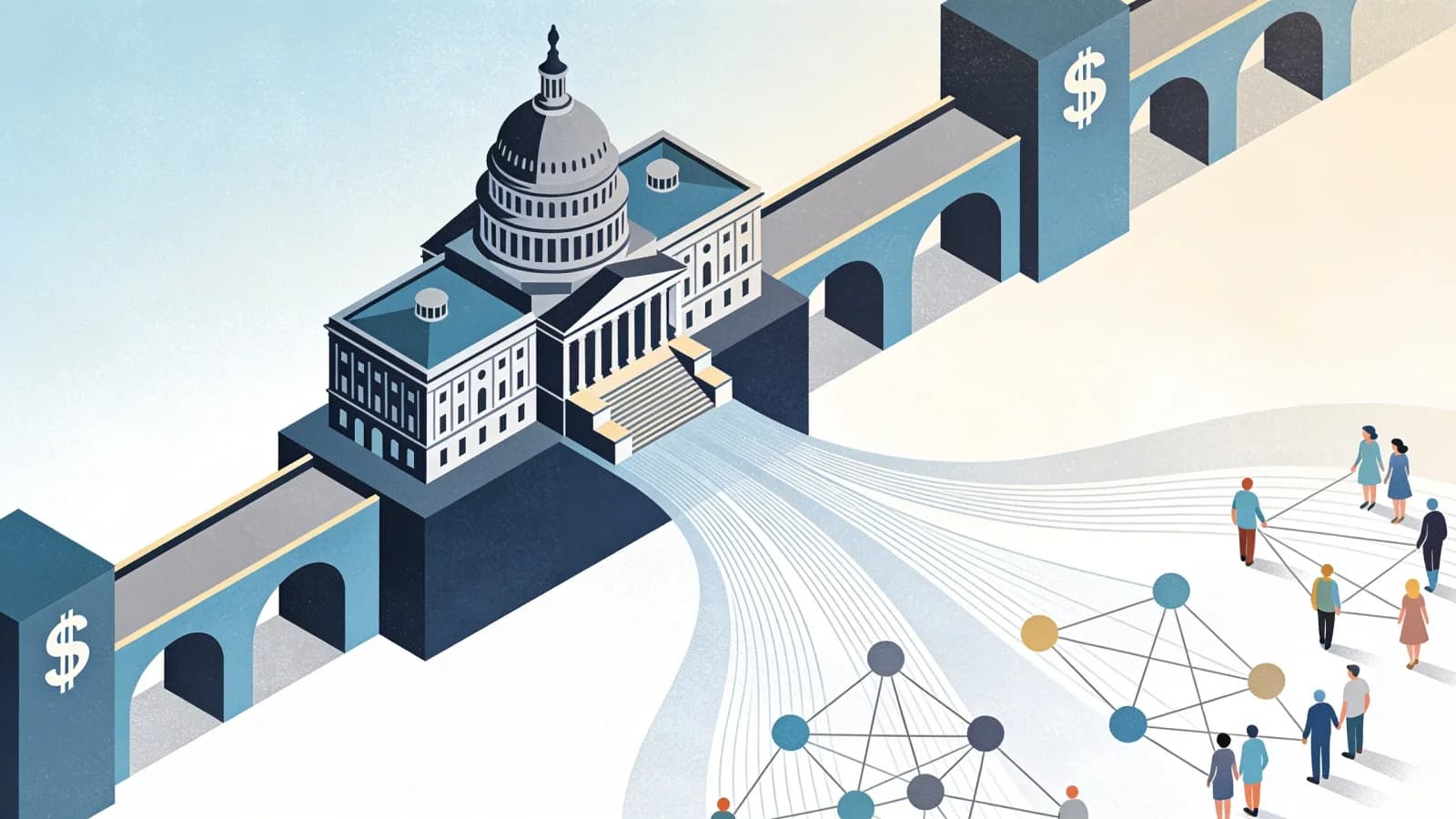
SAMHSA Announces $281 Million to Expand Addiction Treatment Under Trump's Great American Recovery Initiative
The Substance Abuse and Mental Health Services Administration (SAMHSA) has unveiled its largest single funding announcement of the year, making more than $281 million available through 15 distinct grant programs aimed at expanding addiction treatment, preventing overdose deaths, and strengthening mental health services across the United States.
The announcement, made on July 6, 2026, represents a significant allocation under President Trump's Great American Recovery Initiative, a comprehensive federal response to the nation's ongoing substance use crisis. The initiative, co-chaired by Health and Human Services Secretary Robert F. Kennedy Jr. and White House Senior Advisor Kathryn Burgum, seeks to coordinate efforts across government agencies, healthcare providers, faith communities, and the private sector.
"President Trump's Great American Recovery Initiative is putting recovery into action," Secretary Kennedy said in the announcement. "We are investing more than $281 million through 15 grant programs to expand treatment, strengthen recovery services, prevent overdose, and equip communities with the tools they need to save lives, restore families, and Make America Healthy Again."
Where the Money Is Going
The funding package spans the full continuum of behavioral health care, from prevention and early intervention to treatment and long-term recovery support. The largest single allocation—$68.2 million—will support Medication-Assisted Treatment (MAT) programs specifically targeting prescription drug and opioid addiction. These grants aim to expand access to medications for opioid use disorder, increase treatment availability, and reduce both illicit opioid use and prescription opioid misuse.
For communities struggling with youth mental health, $55.7 million has been designated for Project AWARE (Advancing Wellness and Resiliency in Education). This program helps school districts build sustainable infrastructures for school-based mental health services, addressing the growing crisis of adolescent anxiety, depression, and substance use before these conditions escalate into more severe disorders.
The funding also recognizes the critical role of first responders in the overdose crisis. $34.7 million has been allocated for First Responders-Comprehensive Addiction and Recovery Act grants, which will train emergency personnel and community members in administering FDA-approved opioid overdose reversal medications. This investment comes as synthetic opioids continue to claim lives faster than many communities can respond.
Addressing Trauma and Integration
A substantial portion of the funding—$40.6 million—targets the National Child Traumatic Stress Initiative, establishing Community Treatment and Service Centers that will deliver evidence-based trauma treatment to children and adolescents who have experienced adverse events. Research consistently shows that childhood trauma significantly increases the risk of substance use disorders later in life, making early intervention a critical prevention strategy.
The announcement also emphasizes integrated care, with $13.7 million allocated for Promoting Integration of Primary and Behavioral Health Care grants. These programs support states in creating seamless connections between physical and mental health services, addressing the longstanding fragmentation that has left many patients bouncing between disconnected systems of care.
Workforce and Recovery Support
Recognizing that treatment availability depends on having trained professionals to deliver it, the funding package includes $10.5 million for Treatment, Recovery and Workforce Support grants. These programs help individuals in substance use disorder treatment and recovery gain the stability needed to participate in the workforce, addressing one of the most significant barriers to long-term recovery.
Additionally, $22 million will fund Mental Health Awareness Training grants to improve mental health literacy among community members, first responders, and healthcare providers. This investment acknowledges that recognizing the signs of mental health crises and substance use disorders—and knowing how to respond—can be as important as clinical treatment itself.
The Broader Context
This $281 million announcement follows a series of substantial federal investments in behavioral health this year. In June, SAMHSA announced $40 million in funding for addiction prevention and child trauma programs, while Secretary Kennedy unveiled over $700 million for mental health, addiction, and homelessness services through the STREETS program and related initiatives.
The cumulative effect of these investments represents one of the most significant federal commitments to addiction treatment in recent years. However, public health experts note that federal funding, while essential, must be matched by state and local investment, regulatory flexibility, and—perhaps most critically—changes in how communities view and respond to substance use disorders.
For people struggling with opioid use disorder or other substance use conditions, the expansion of MAT programs funded through this announcement could mean the difference between sustained recovery and continued cycles of use, treatment, and relapse. The emphasis on medication-assisted treatment reflects growing recognition that addiction is a medical condition requiring medical intervention, not merely willpower or moral resolve.
What Comes Next
SAMHSA has opened the application process for these grants, with deadlines varying by program. Community organizations, healthcare providers, state agencies, and local governments are encouraged to review the specific requirements for each funding opportunity at SAMHSA's grants portal.
The success of this investment will ultimately be measured not in dollars allocated but in lives saved, families restored, and communities healed. As the Great American Recovery Initiative moves from announcement to implementation, the coming months will reveal whether these federal resources can reach the communities that need them most—and whether they can be deployed quickly enough to stem the continued toll of the addiction crisis.
For immediate help with substance use or mental health concerns, individuals can call or text 988 to reach the Suicide & Crisis Lifeline, or visit FindTreatment.gov to locate nearby treatment facilities and providers.
Editorial Board
LADC, LCPC, CASAC
The Rainier Rehab editorial team consists of licensed addiction counselors, healthcare journalists, and recovery advocates dedicated to providing accurate, evidence-based information about substance abuse treatment and rehabilitation.
Related Articles
Leadership Vacuum: States Pass the Buck on Opioid Settlement Oversight
KFF Health News investigation reveals systemic gaps in accountability as billions in opioid settlement dollars flow to states with minimal oversight.

Michigan Launches First-of-Its-Kind Opioid Settlement Tracking System
Michigan Attorney General Dana Nessel unveils comprehensive spending guidance and public reporting tools to ensure opioid settlement funds reach communities in need.

Arizona Audit Finds $50.9 Million in Opioid Settlement Funds Misused for Prison Hepatitis C Treatment
State auditor finds Arizona Department of Corrections may have unlawfully spent opioid settlement money without proving inmates contracted hepatitis C from IV drug use.