
Heavy Marijuana Smoking Linked to Higher Cancer Risk, USC Study Finds
Heavy Marijuana Smoking Linked to Higher Cancer Risk, USC Study Finds
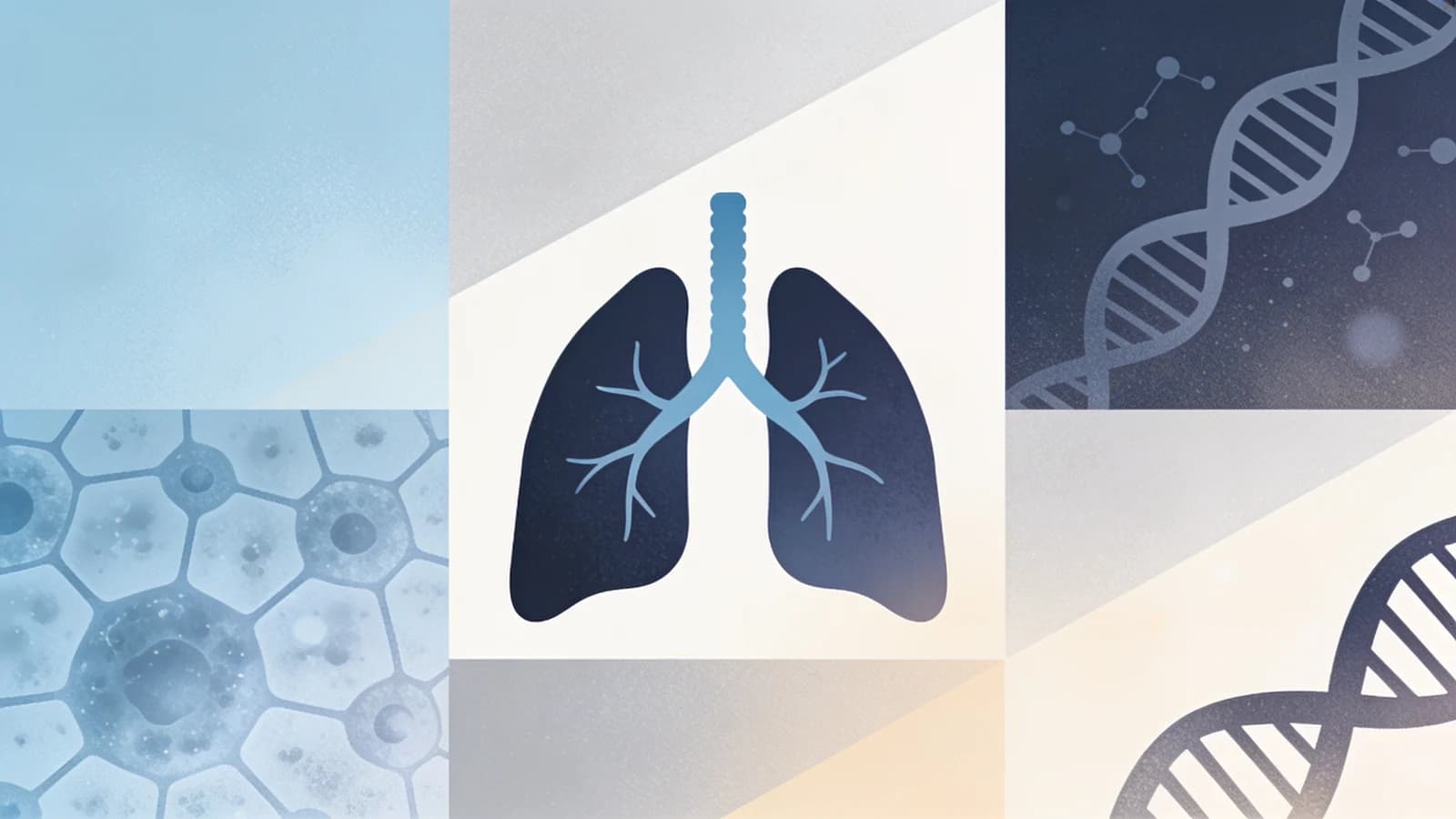
As marijuana legalization expands across the United States, new research from USC Keck Medicine is raising important questions about the health risks of heavy cannabis use. A study published July 10, 2026, found that people who smoke large amounts of marijuana face significantly elevated risks of both lung cancer and head and neck cancers compared to non-users.
The findings come at a pivotal moment. With recreational cannabis now legal in nearly half of U.S. states and medical marijuana permitted in many more, millions of Americans have access to products that remain poorly understood from a long-term health perspective. While the dangers of tobacco smoking have been established through decades of research, the cancer risks associated with marijuana use have received far less scientific attention.
The Scope of the Risk
Dr. Niels Kokot, an otolaryngologist at the USC Caruso Department of Otolaryngology — Head and Neck Surgery, led the research team that documented these associations. Their findings are striking: people who use marijuana daily were 3.5 to 5 times more likely to develop head and neck cancers than non-users. These cancers affect the mouth, pharynx, larynx, oropharynx (including the tongue, tonsils, and back wall of the throat), and nearby salivary glands.
The lung cancer findings are equally concerning. The USC study found that heavy marijuana smokers appeared to face higher risks of both small cell lung cancer and non-small cell lung cancer — the two main categories of lung malignancy. Small cell lung cancer has a particularly strong connection to smoking, and as Dr. Brooks Udelsman, a thoracic surgeon with USC Surgery at Keck Medicine, notes, "It's almost unheard of to get small cell lung cancer without some type of inhalational injury."
The Unknown Threshold
Despite these clear associations, significant questions remain unanswered. Chief among them: how much marijuana use is enough to trigger elevated cancer risk?
"What we don't know right now is the dose relationship," Dr. Udelsman explains. "So, if someone smokes marijuana occasionally once a week, once a month or a few times a year, do they still have that same risk? My suspicion is that there is probably minimal risk."
What the research does show is that people who smoke heavily — to the point of developing dependency or requiring hospital care — face measurably higher cancer risks. This distinction between occasional recreational use and chronic heavy consumption may prove crucial for public health messaging as cannabis becomes more widely available.
Why Marijuana Smoke May Cause Cancer
The biological mechanisms underlying these associations are not fully understood, but researchers have identified several plausible pathways. Tobacco smoke contains more than 7,000 chemicals, about 70 of which are known carcinogens. Some of those same chemicals appear in marijuana smoke as well.
THC, marijuana's primary psychoactive ingredient, is associated with the conversion of polycyclic aromatic hydrocarbons (PAHs). These compounds can trigger inflammation and damage DNA — processes that increase cancer risk over time. As Dr. Udelsman notes, "Anytime inflammation and changes to DNA occur, you're at risk for developing cancer."
Edibles, Vaping, and Secondhand Smoke
Not all forms of cannabis consumption carry the same potential risks. Current evidence suggests that edibles — which have become increasingly popular as legalization has spread — are unlikely to increase lung cancer risk. While data on long-term effects remains limited, the absence of inhalation removes the primary mechanism through which smoking causes lung damage.
Vaping presents a more complicated picture. When electronic cigarettes first became popular, many assumed vaping tobacco would be safer than smoking it. However, doctors are now seeing serious inflammatory lung diseases linked to vaping, though cancer itself has not yet been definitively established as a risk. Because vaping has only been common for about 15 years, researchers have not had enough time to determine whether it increases lung cancer risk. The same uncertainty applies to vaping marijuana.
"The data on vaping is very new, so we don't know yet," Dr. Udelsman says, "but I'd worry about anything you're breathing into your lungs because it infiltrates the cells and air sacs in your lungs, which can cause damage and put you at a higher risk for cancer."
Secondhand marijuana smoke remains another area of uncertainty. While there is not enough evidence to confirm that it increases lung cancer risk, Dr. Udelsman suggests it could potentially pose some risk because people nearby may inhale inflammatory particles believed to contribute to cancer development.
Implications for Public Health Policy
The USC findings arrive as policymakers grapple with how to regulate a substance that is simultaneously becoming more mainstream and more potent. Modern cannabis products often contain THC concentrations far higher than those available in previous decades, raising questions about whether risks documented in earlier studies fully capture the dangers of contemporary use patterns.
For individuals struggling with marijuana dependence, the research underscores the importance of discussing use patterns with healthcare providers. Heavy users may benefit from evaluation of their personal cancer risk and consideration of whether additional screening or follow-up is appropriate.
The Research Horizon
Scientists are continuing to investigate whether heavy marijuana use may be linked to other cancers, including bladder cancer and gastrointestinal cancers. With tobacco, researchers have documented increased prevalence of bladder cancer among smokers; whether a similar relationship exists for heavy marijuana smoking remains unknown.
The USC studies represent an important step in building the evidence base around cannabis and cancer risk. As Dr. Udelsman emphasizes, the goal is to help people understand the risks they are taking: "That's why we're trying to determine what the risks are so that people can know what risks they're taking."
For a society increasingly accepting of marijuana use, these findings serve as a reminder that legalization does not equate to harmlessness — and that the full health implications of widespread cannabis consumption may take decades to fully understand.
Editorial Board
LADC, LCPC, CASAC
The Rainier Rehab editorial team consists of licensed addiction counselors, healthcare journalists, and recovery advocates dedicated to providing accurate, evidence-based information about substance abuse treatment and rehabilitation.
Related Articles
GLP-1 Drugs Linked to Fewer Alcohol-Related Hospitalizations in Large Study
New BMJ Open research finds semaglutide and tirzepatide associated with reduced alcohol-related emergency visits among adults with alcohol use disorder.

Cannabis for Opioid Withdrawal Linked to Reduced Opioid Use in Study
A study of 197 people who use unregulated opioids found those using cannabis to ease withdrawal had over twice the odds of reporting reduced opioid use.

Floods Linked to 1,368 Opioid Overdose Deaths Across Rural Appalachia
A Penn State study in PNAS found opioid overdose deaths rose 26% in Appalachian counties after severe floods and stayed elevated for as long as a decade.