
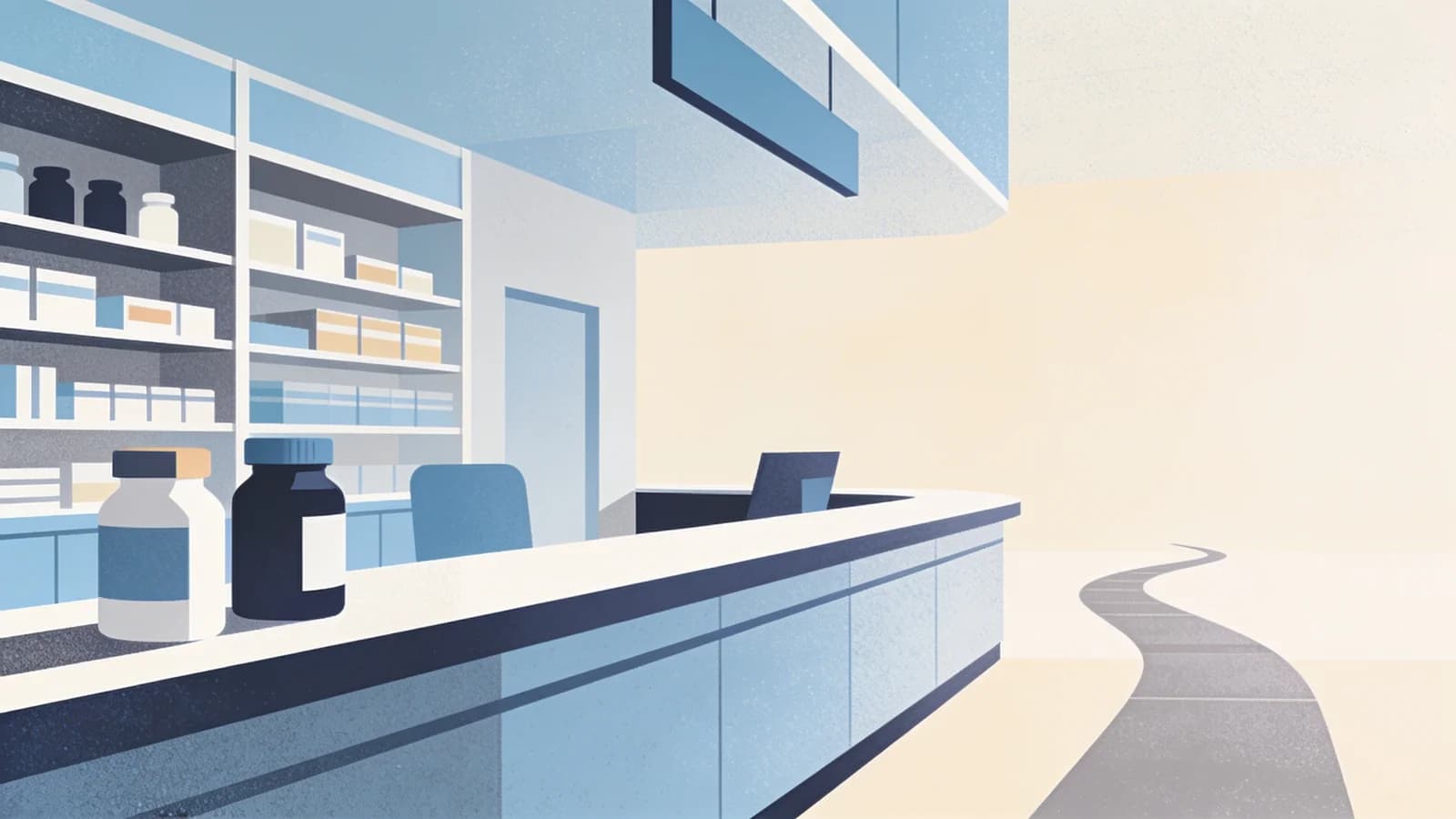
SAMHSA Urges States to Let Pharmacists Prescribe Buprenorphine, Expanding Access to Opioid Treatment
The federal government is pushing states to break down one of the most persistent barriers to opioid addiction treatment: the requirement that only doctors can prescribe life-saving medications. In a Dear Colleague Letter issued jointly by three HHS agencies, the Biden administration is encouraging states to authorize pharmacists to prescribe or initiate buprenorphine, the gold-standard medication for opioid use disorder.
The guidance, released by the Administration for Children and Families (ACF), the Substance Abuse and Mental Health Services Administration (SAMHSA), and the Centers for Medicare & Medicaid Services (CMS), represents a significant shift in federal policy. For decades, buprenorphine access has been constrained by regulations requiring specialized physician waivers and in-person evaluations—requirements that have left vast swaths of the country without adequate treatment options.
The Access Gap
Despite being one of the most effective medications for any substance use disorder, buprenorphine remains out of reach for millions of Americans. Current regulations limit prescribing to physicians who complete specialized training and obtain DEA waivers. The result is a profound mismatch between need and availability.
Rural areas have been particularly hard hit. Many counties lack any buprenorphine-prescribing physicians, forcing residents to travel hours for medication—an impossibility for those without transportation or stable housing. Even in urban areas, wait times for appointments can stretch weeks or months, during which overdose risk remains acute.
Pharmacists represent an untapped resource. They're ubiquitous—there are more than 88,000 community pharmacies in the United States, compared to roughly 65,000 primary care physicians. They're accessible, often open evenings and weekends when traditional medical offices are closed. And they're trusted, with pharmacists consistently ranking among the most respected healthcare professionals in public surveys.
What the Guidance Says
The Dear Colleague Letter doesn't mandate pharmacist prescribing—that authority rests with state legislatures and pharmacy boards. But it signals strong federal support for states that choose to expand pharmacist authority, and it provides a framework for doing so responsibly.
Key recommendations include authorizing pharmacists to prescribe or initiate buprenorphine consistent with federal standards of care, supporting timely access for parents and caregivers whose recovery is essential to family stability, and maximizing use of federal funding to support these expanded services.
The guidance anticipates that pharmacist-prescribed buprenorphine would be integrated into collaborative care models, with pharmacists working alongside physicians, nurses, and counselors rather than operating in isolation. This team-based approach mirrors how pharmacists already manage other chronic conditions like diabetes and hypertension in many states.
State Variation
The impact of the federal guidance will vary dramatically by state. Some jurisdictions already allow pharmacists to prescribe certain medications under collaborative practice agreements with physicians. Others maintain strict prohibitions on any pharmacist prescribing.
Idaho, for example, passed legislation in 2023 allowing pharmacists to prescribe buprenorphine after completing specialized training. Early results have been promising, with hundreds of new patients accessing treatment through community pharmacies. Other states have been slower to act, with pharmacy boards expressing concerns about liability, training requirements, and scope of practice boundaries.
The federal guidance may shift the political calculus. States that have hesitated to expand pharmacist authority can now point to explicit federal encouragement. For states already moving in this direction, the guidance provides validation and technical assistance resources.
The Evidence Base
Research supports the safety and effectiveness of pharmacist-prescribed buprenorphine. A 2022 study in the Journal of Substance Use and Addiction Treatment found that patients receiving buprenorphine from pharmacists had retention rates comparable to those receiving it from physicians. Other research has documented high patient satisfaction with pharmacy-based care, particularly regarding convenience and reduced stigma.
Pharmacists bring unique expertise to addiction treatment. They're medication specialists, with extensive training in drug interactions, dosing, and side effect management. For a medication like buprenorphine, which requires careful titration and monitoring, this expertise is directly relevant.
The model also addresses a practical challenge: many people with opioid use disorder don't have regular primary care physicians. They may receive emergency care for overdoses or infections, but ongoing medical relationships are often absent. Pharmacies, by contrast, are already embedded in their communities.
Implementation Challenges
Expanding pharmacist authority won't be simple. States will need to update pharmacy practice acts, develop training curricula, and establish reimbursement mechanisms. Pharmacists themselves will need education—not just on buprenorphine pharmacology, but on addiction as a chronic disease, harm reduction principles, and trauma-informed care.
Some physician groups have expressed reservations. The American Medical Association has historically opposed scope-of-practice expansions that might be seen as encroaching on physician territory. However, addiction medicine specialists have been more supportive, recognizing that the scale of the opioid crisis demands all available hands.
Pharmacy chains and independent pharmacies will also need to decide whether to participate. Offering buprenorphine prescribing requires investment in training, workflow redesign, and potentially private consultation spaces. Not all pharmacies will find the business case compelling, particularly in areas with high uninsured rates.
Looking Forward
The federal guidance arrives as the overdose crisis continues to evolve. While deaths involving prescription opioids have declined from their peak, illicit fentanyl continues to drive record mortality. Meanwhile, stimulant-related deaths involving methamphetamine and cocaine are rising, often in combination with opioids.
Buprenorphine remains one of the few proven interventions for reducing overdose risk. People stabilized on the medication have dramatically lower mortality rates than those receiving no treatment or psychosocial treatment alone. Expanding access isn't just a matter of convenience—it's a life-or-death imperative.
For individuals seeking medication-assisted treatment, the guidance offers hope that help may become available closer to home. For families watching loved ones struggle, it represents another potential entry point into care. And for communities devastated by overdose deaths, it signals that federal policymakers are willing to challenge outdated regulations in pursuit of public health.
The question now is whether states will act. The guidance provides cover for expansion, but political will and resources will determine whether pharmacist-prescribed buprenorphine becomes a reality in pharmacies across America.
Editorial Board
LADC, LCPC, CASAC
The Rainier Rehab editorial team consists of licensed addiction counselors, healthcare journalists, and recovery advocates dedicated to providing accurate, evidence-based information about substance abuse treatment and rehabilitation.
Related Articles

FDA Reverses Course on Opioid Addiction Medications, Urging Continued Treatment for Patients Using Benzodiazepines
In a major policy shift, the FDA now advises that buprenorphine and methadone should not be withheld from patients taking benzodiazepines or other CNS depressants.
FDA Approves New Buprenorphine Dosing Options, Expanding Access to Opioid Addiction Treatment
Weekly and monthly extended-release injections now available in lower doses, offering more flexible treatment options for patients with moderate to severe opioid use disorder.

Most Americans Who Need Addiction Treatment Get None — and Their Own Doctors Are Part of the Problem
New federal data shows 84% of Americans who needed addiction treatment in 2025 got none, as stigma and training gaps keep doctors on the sidelines.