
Texas A&M Program Shifts Youth Opioid Prevention From Fear to Peer Influence
For decades, drug prevention programs in American schools have relied on a familiar playbook: graphic images of overdose victims, horror stories about addiction's consequences, and one-time assemblies designed to scare students straight. The approach has persisted despite mounting evidence that fear-based messaging rarely produces lasting behavior change.
Now researchers at Texas A&M University are offering a fundamentally different vision for youth opioid prevention—one that replaces scare tactics with peer influence, personal accountability, and evidence-based behavioral science. The Texas Opioid Prevention for Students (TOPS) program represents a significant shift in how communities might address the alarming rise in youth overdose deaths.
The Youth Overdose Crisis
The statistics driving this innovation are sobering. According to research published in the National Library of Medicine, opioid overdose death rates increased 49% among 15- to 24-year-olds between 2019 and 2020. While overall overdose numbers have stabilized in recent years thanks to expanded naloxone access and medication-assisted treatment, youth overdoses have tripled year over year since 2019.
"Kids between the ages of 14 and 18 are most at risk of abusing illicit opioids," explains Joy Alonzo, associate professor of pharmaceutical sciences at Texas A&M's Irma Lerma Rangel College of Pharmacy and principal investigator for TOPS. "That's also around the age you start having more agency as a person, having a driver's license or a job that supplies you with your own money, while also not having fully developed the part of their brain that strategizes consequences."
Compounding the risk is the changing nature of drug distribution. Alonzo notes that youth populations are being specifically targeted by cartels, with dealers often embedded within friend groups rather than operating as strangers. The dealer, she says, is frequently "someone everyone knows and trusts."
Why Traditional Approaches Fail
The limitations of traditional drug prevention programs have been well-documented in academic literature. Scared-straight approaches, while emotionally compelling, typically generate short-term awareness without producing sustained behavioral change. Students may leave an assembly feeling moved, but months later show no measurable difference in substance use patterns.
"Scared straight programs where you see anecdotes and storytelling are great for relatability, but don't change behavior—and the outcomes of these programs are not assessed either," Alonzo notes. This critique extends beyond schools to encompass much of the prevention infrastructure that has received opioid settlement funding across the country.
TOPS was designed specifically to address these gaps. Funded by the Texas Opioid Abatement Fund Council, the program applies research-based techniques aimed at changing behavior through multiple pathways rather than relying on single-intervention shock tactics.
The TOPS Approach
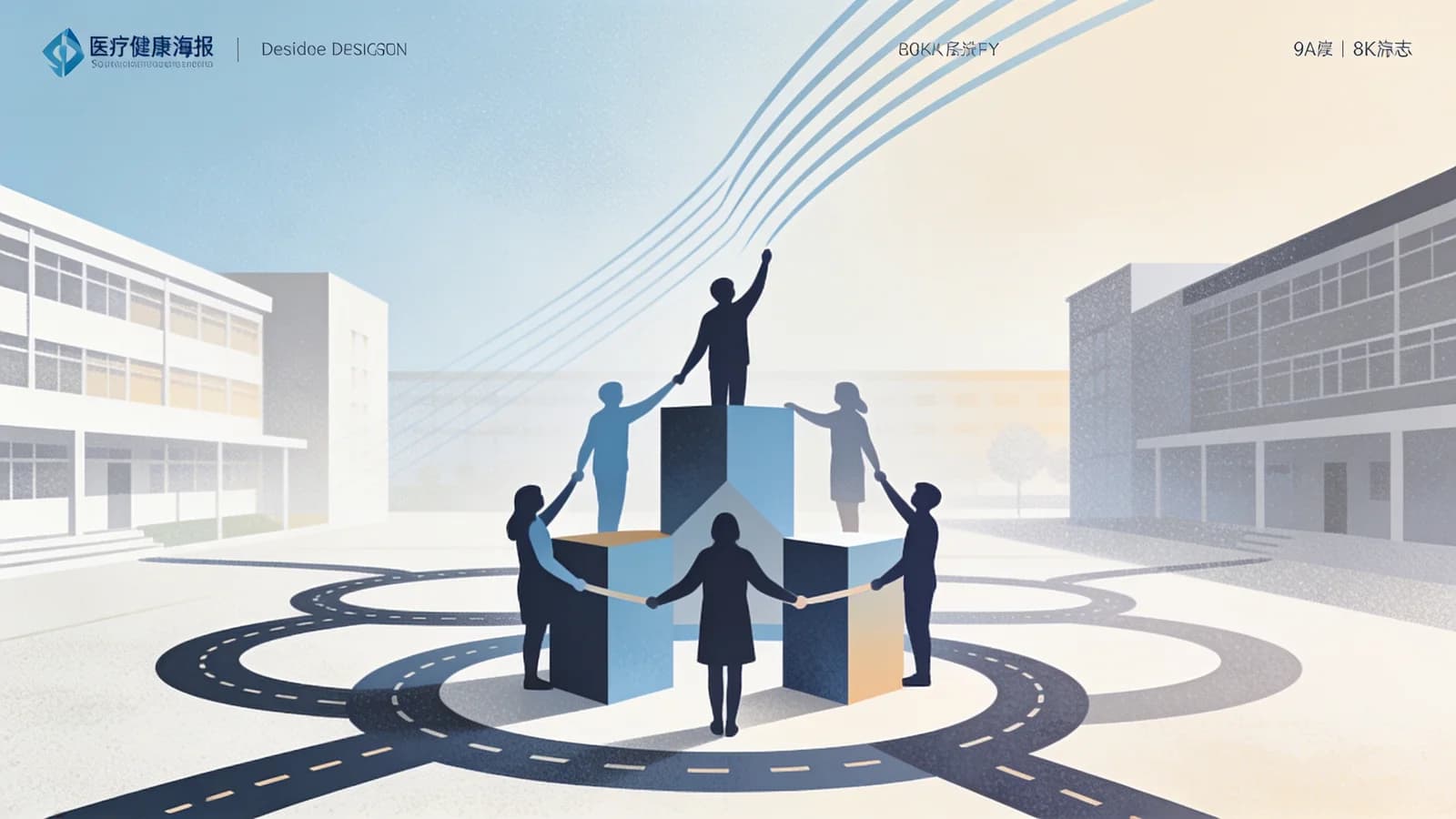
At the heart of TOPS is a recognition that young people are more influenced by their peers than by authority figures. Rather than bringing outside experts to lecture students, the program equips local community members—teachers, coaches, and trusted adults—with tools to facilitate peer-to-peer accountability and support.
"We want these youth to be able to withstand the pressures that conspire to make them misuse opioids in the first place," Alonzo explains. "We want kids to know they have the capability to not use in the first place and to provide the treatment and the resources needed to be able to stop using and live productive lives if they develop substance use disorder."
The program's components reflect this philosophy. A graphic novel written by 15-year-olds about their own experiences with opioids provides relatable content created by peers rather than adults. A multiplayer video game called "Trust Hustle" simulates situations where friends pressure others to sell or use opioids, allowing students to practice refusal skills in a low-stakes environment.
Training the Trainers
A distinctive feature of TOPS is its focus on capacity-building within communities rather than direct service delivery. Texas A&M Health behavioral scientists and specialists develop the curriculum, but local community members deliver the interventions.
"We are teaching the teachers how to teach," Alonzo says. "The school is provided all the assistance it needs from training, material, exercises and wraparound products and games tied up in six modules they can pick and choose from. It's a very flexible program."
This approach addresses a common failure point in prevention programming: the gap between research-developed interventions and real-world implementation. By providing comprehensive support to local deliverers, TOPS aims to maintain program fidelity while adapting to community needs.
The curriculum was developed in response to Texas legislation known as Tucker's Law, which requires fentanyl-specific evidence-based education in schools. Rather than treating this mandate as a compliance exercise, the TOPS team saw it as an opportunity to create something genuinely effective.
Measuring What Matters
Perhaps most importantly, TOPS incorporates continuous outcome assessment—a rarity in prevention programming. The team tracks whether participants actually change their behavior, not just whether they enjoyed the activities or found them informative.
This commitment to evidence-building is crucial for a field that has historically prioritized activity over impact. As opioid settlement funds flow to prevention programs nationwide, the question of what actually works has never been more urgent. TOPS offers a model for answering that question through rigorous evaluation.
Empowerment Over Fear
The philosophical shift underlying TOPS extends beyond specific program components to a fundamentally different view of young people. Rather than treating students as passive recipients of warnings, the program positions them as active agents capable of making decisions consistent with their goals.
"Overall, we need to make sure that kids don't feel like they're victims or there's only one way to address the challenges they're facing," Alonzo emphasizes. "They need to be able to empower themselves to make decisions consistent with their goals and they need to empower each other."
This empowerment framework aligns with contemporary understanding of adolescent development. Teenagers are naturally developing independence and seeking peer validation. Effective prevention must work with these developmental realities rather than against them.
National Implications
As communities across America receive opioid settlement funds, decisions about prevention programming will have consequences for years to come. The TOPS model offers several lessons for these deliberations.
First, evidence matters. Programs should be selected based on demonstrated effectiveness rather than emotional appeal or ease of implementation. Second, peer influence is a tool, not just a risk factor. Effective prevention harnesses the power of social connections rather than treating them solely as pathways to substance use. Third, local capacity-building creates sustainability. Programs that depend on outside experts disappear when funding ends; programs that build local expertise can persist.
Looking Forward
The youth overdose crisis demands responses that match its scale and urgency. Texas A&M's TOPS program represents one promising approach—but ultimately, effective prevention will require multiple strategies tailored to diverse community contexts.
What TOPS demonstrates is that innovation is possible when researchers, practitioners, and policymakers are willing to question established approaches and invest in alternatives grounded in behavioral science. For young people at risk of opioid misuse, such innovation cannot come soon enough.
For families concerned about substance use disorders affecting their children, resources and treatment options are available. Early intervention can make a critical difference in outcomes, and support exists for young people at every stage of the prevention-to-recovery continuum.
Sources
Editorial Board
LADC, LCPC, CASAC
The Rainier Rehab editorial team consists of licensed addiction counselors, healthcare journalists, and recovery advocates dedicated to providing accurate, evidence-based information about substance abuse treatment and rehabilitation.
Related Articles

St. Francois County Allocates $452,714 in Opioid Settlement Funds Across Schools, Law Enforcement, and Community Groups
Missouri county announces distribution of opioid settlement money to nine local organizations for prevention, treatment, and recovery services.

Arizona Directs $10 Million in Opioid Settlement Funds to Rural Reentry Programs
Five rural Arizona sheriff's offices will receive $2 million each to expand reentry services for formerly incarcerated individuals battling addiction.

NIH Invests $909,000 in Rural Maryland Youth Substance Use Research
University of Maryland researcher secures federal grant to expand school-based addiction treatment access in underserved rural communities