
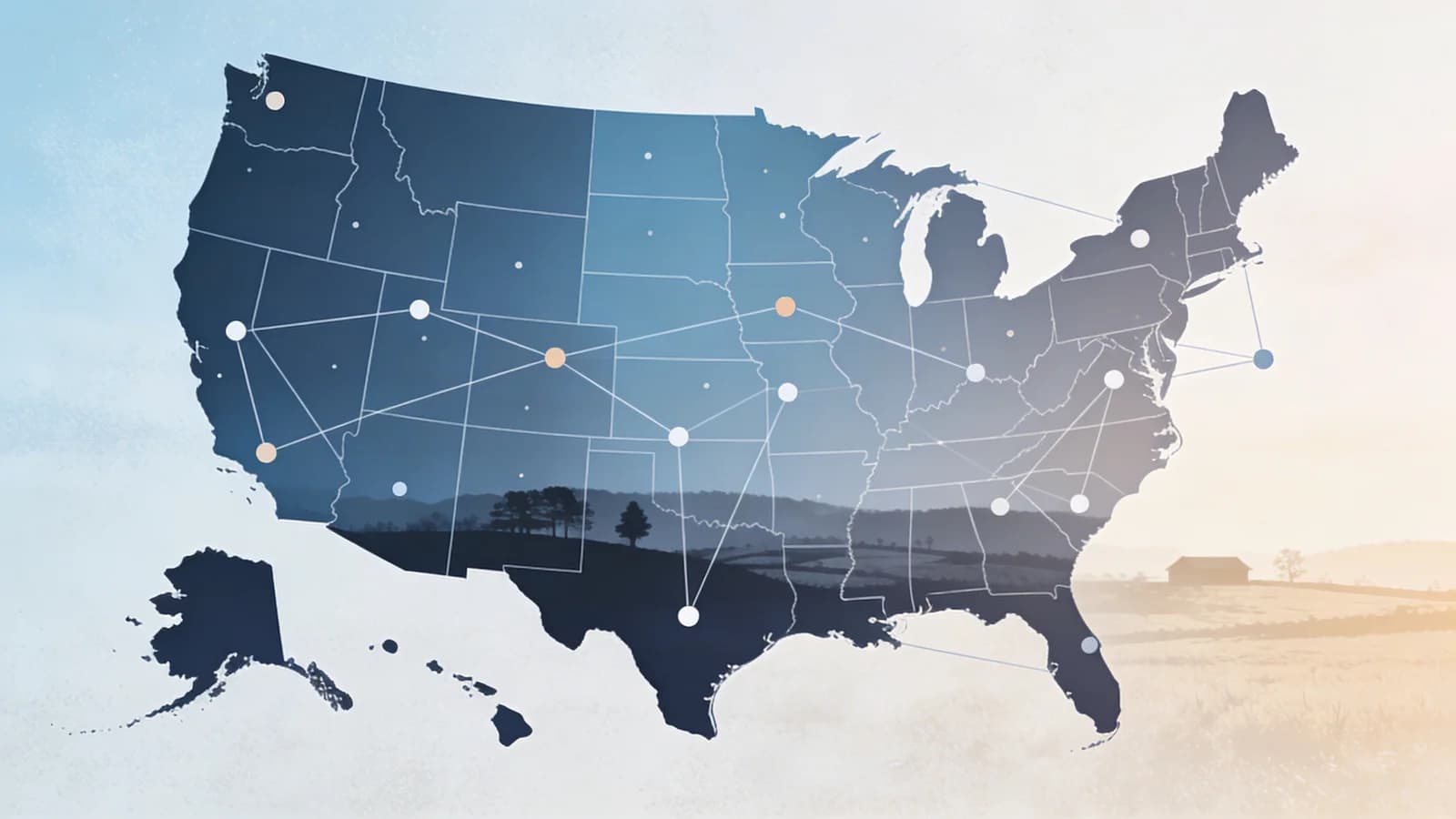
137M Americans Live in Mental Health Deserts as States Act
The scale of America's mental health workforce crisis is staggering: approximately 137 million people—40% of the U.S. population—live in areas officially designated as having insufficient mental health providers. In these "care deserts," residents facing depression, anxiety, substance use disorders, or suicidal thoughts often encounter wait times stretching months, if they can access care at all.
New research from the Health Resources and Services Administration (HRSA) and The Pew Charitable Trusts illuminates both the depth of this crisis and emerging state-level responses that offer pathways forward. The findings reveal stark geographic disparities, with rural and low-income communities bearing the heaviest burden.
The Rural Disparity
The data paints a clear picture of uneven access. In rural counties across America, 22% lack any social workers—compared to just 5% of urban counties. Rural areas are nearly three times more likely to have no psychologists at all. These statistics translate into real consequences for millions of Americans who must travel hours to reach the nearest mental health provider, assuming they have transportation and can afford time away from work.
The shortage extends beyond traditional mental health specialties. Emergency departments, which have seen suicide-related visits triple from 0.6% in 2015 to over 2% in 2020, rely on behavioral health staff to implement suicide screening and care protocols. Yet a nationally representative survey by Pew and the Joint Commission found that about half of hospitals reported insufficient staffing affecting their ability to provide these critical interventions.
For individuals seeking treatment for substance use disorders, workforce shortages compound an already difficult search. Medication-assisted treatment requires prescribers with specialized waivers. Behavioral therapies demand trained counselors. Recovery support services need peer specialists. Each link in the care chain is strained.
Three State Strategies
Faced with these challenges, state legislatures and workforce agencies have begun implementing comprehensive strategies that fall into three broad categories: needs assessment, financial investment, and career pathway development.
Data-Driven Planning
Some states have established dedicated centers to analyze workforce distribution and project future needs. Florida's Center for Behavioral Health Workforce, created by S.B. 330, conducts comprehensive data analyses to identify gaps and priorities throughout the state. California's Department of Health Care Access and Information produces annual workforce reports and maintains an interactive tool modeling supply and demand for behavioral health professionals.
These assessment efforts matter because mental health workforces are often unevenly distributed within states. A county with adequate provider numbers on paper might still have access problems if those providers don't accept insurance, aren't taking new patients, or don't offer services in languages spoken by the community.
Financial Incentives
Loan repayment programs have emerged as a particularly effective recruitment tool. Research published in the Journal of the American Board of Family Medicine indicates that such programs successfully attract providers to high-need areas and keep them there.
North Carolina recently launched a $20 million Licensed Workforce Loan Repayment Program offering licensed clinical mental health professionals up to $50,000 in educational loan repayments. The program requires service in high-need communities, including rural areas where youth suicide rates run twice as high as in urban counties.
Virginia has taken a different approach through a public-private partnership funding scholarships for nurse practitioners pursuing psychiatric mental health certification. Participants commit to two years of practice in medically underserved areas—a model that builds specialized capacity while addressing geographic disparities.
Pipeline Programs
Longer-term solutions focus on building the workforce pipeline. Texas established the Mental Health Professional Pipeline Program in 2025 to create pathways for public junior college students to pursue mental health degrees and licensures. Nevada's Senate Bill 379 charged a Health Care Workforce and Pipeline Development Workgroup with improving recruitment, training, and retention of behavioral health professionals statewide.
These pipeline initiatives address a fundamental challenge: the mental health field struggles to attract sufficient entrants, particularly from underrepresented communities. Pipeline programs offering education funding, mentoring, and professional development can diversify the workforce while expanding its size.
The Telehealth Question
Workforce shortages have intensified interest in telehealth as a potential solution. If providers can't physically locate in rural communities, perhaps technology can bring their services there. Research suggests telehealth could significantly expand access to behavioral healthcare for the millions living in mental health professional shortage areas.
Yet telehealth isn't a panacea. Rural communities often lack the broadband infrastructure necessary for reliable video consultations. Some patients prefer in-person care or lack private spaces for telehealth sessions at home. And certain services—crisis intervention, medication management requiring physical examination—remain difficult to deliver remotely.
The most promising approaches combine telehealth with other strategies: using technology to extend the reach of scarce providers while simultaneously building local workforce capacity through the pipeline and incentive programs states are implementing.
Implications for Addiction Treatment
The mental health workforce crisis directly impacts addiction treatment access. Substance use disorders frequently co-occur with other mental health conditions, requiring integrated care that becomes impossible when either specialty faces shortages. People seeking help for opioid addiction or alcohol use disorders may find themselves on waiting lists for counseling, unable to locate providers accepting new patients, or traveling unsustainable distances to reach treatment.
Federal policy has attempted to address these gaps. The Consolidated Appropriations Act of 2023 eliminated the X-waiver requirement for buprenorphine prescribing, theoretically expanding the pool of providers who can offer medication-assisted treatment. But regulatory changes can't instantly create prescribers where none exist.
Looking Forward
The state initiatives described in recent research represent meaningful progress, but the scale of the workforce gap demands sustained investment and innovation. Training new mental health professionals takes years. Retaining them in high-need areas requires ongoing support, competitive compensation, and manageable caseloads.
For the 137 million Americans living in mental health care deserts, the wait for accessible care continues. The strategies states are implementing—data-driven planning, financial incentives, pipeline development—offer a framework for addressing this crisis. Whether that framework can expand quickly enough to meet the need remains the critical question facing American mental health policy.
Editorial Board
LADC, LCPC, CASAC
The Rainier Rehab editorial team consists of licensed addiction counselors, healthcare journalists, and recovery advocates dedicated to providing accurate, evidence-based information about substance abuse treatment and rehabilitation.
Related Articles
AHA Presses Congress for Rural Healthcare Workforce Funding as Crisis Deepens
American Hospital Association urges federal investment in loan repayment and training programs to address severe provider shortages affecting 75% of rural health professional shortage areas.

Mental Health Parity Index Exposes Insurer Gaps in 43 States
New transparency tool reveals patients face 24-83% fewer in-network options for mental health care, while clinicians earn 16-59% less than physical health providers.

137M Americans Live in Mental Health Deserts, Pew Finds
New Pew research reveals 40% of Americans face provider shortages, with rural counties three times more likely to lack psychologists. States respond with loan repayment and pipeline programs.