

137M Americans Live in Mental Health Deserts, Pew Finds
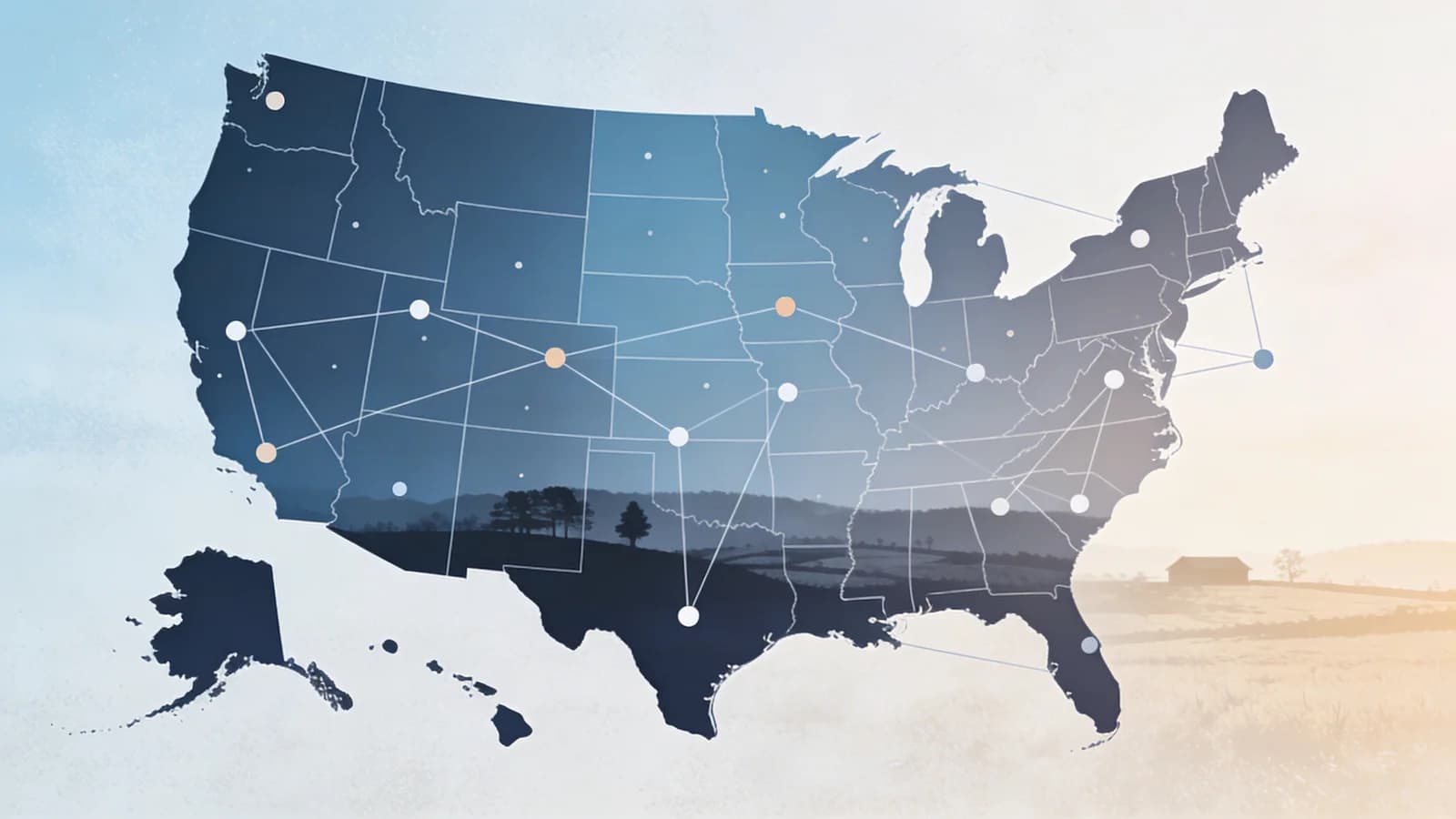
The gap between Americans who need mental health care and those who can actually access it has reached a tipping point. According to new research from The Pew Charitable Trusts, approximately 137 million people—roughly 40% of the U.S. population—now live in areas officially designated as having a shortage of mental health providers. The crisis is particularly acute in rural and low-income communities, where workforce gaps translate directly into longer wait times, reduced quality of care, and untreated conditions that escalate into emergencies.
The data, drawn from a nationally representative survey conducted by Pew and The Joint Commission, paints a stark picture of a system under strain. About half of accredited hospitals reported that insufficient staffing directly affected their ability to provide suicide care interventions. This shortage arrives at a particularly dangerous moment: between 2015 and 2020, emergency department visits for suicide attempts or intentional self-harm more than tripled, climbing from 0.6% to over 2% of all visits.
The Geography of Unequal Care
Rural America bears the brunt of the workforce shortage. According to the Health Resources and Services Administration, 22% of rural counties nationwide lack any social workers, compared to just 5% of urban counties. Rural areas are nearly three times more likely to lack psychologists entirely. These aren't abstract statistics—they represent real people in crisis who cannot find help within reasonable distance of their homes.
The disparity extends beyond mere availability. Even when rural providers exist, they are often overwhelmed. A single clinical social worker might serve multiple counties, leaving patients with weeks-long waits for initial appointments and limited options for ongoing care. For individuals struggling with substance use disorders, these delays can be fatal. Research consistently shows that gaps between recognizing a problem and accessing treatment significantly increase the risk of overdose and suicide.
Low-income urban areas face parallel challenges. While these communities may have more providers in absolute numbers, high patient-to-provider ratios and limited insurance acceptance create effective barriers to care. The result is a two-tiered system where socioeconomic status largely determines whether someone can access timely mental health support.
State-Led Solutions Emerge
Faced with federal inaction, state legislatures and workforce agencies have begun implementing targeted interventions. These efforts generally fall into three categories: comprehensive needs assessments, financial incentive programs, and career pathway initiatives.
Florida's approach illustrates the first strategy. The Florida Center for Behavioral Health Workforce, established through Senate Bill 330, conducts ongoing data analyses to identify geographic and specialty-specific gaps throughout the state. By mapping workforce distribution against population need, Florida can direct resources where they will have maximum impact rather than relying on market forces that have consistently failed rural areas.
California has taken this further. The state's Department of Health Care Access and Information, created through the Health Care Quality and Affordability Act, serves as the primary repository for all healthcare workforce data. Beyond annual legislative reports, the department maintains an interactive modeling tool that projects supply and demand for behavioral health workers across regions and specialties. This allows policymakers to anticipate shortages before they become crises and adjust training program outputs accordingly.
Financial Incentives Show Promise
Perhaps the most direct approach involves using money to move providers where they're needed. Loan repayment programs, which pay down educational debt in exchange for service commitments in high-need areas, have demonstrated effectiveness in both recruiting and retaining mental health professionals.
North Carolina's Licensed Workforce Loan Repayment Program represents a significant investment in this strategy. The $20 million initiative offers licensed clinical mental health professionals up to $50,000 in educational loan repayments. Participants must commit to serving high-need communities, including rural areas where youth suicide rates run twice as high as in urban centers. Early data suggests the program is successfully attracting mid-career professionals who might otherwise have remained in more lucrative urban markets.
Virginia has pursued a different angle through public-private partnerships. A scholarship program for nurse practitioners pursuing psychiatric mental health certification provides full funding for a two-year program. In exchange, graduates commit to practicing in medically underserved areas. This approach addresses the workforce shortage at its source—training—while ensuring that new providers enter the field with explicit commitments to equity.
Building Pipelines for the Future
Long-term solutions require expanding the workforce itself, not just redistributing existing providers. Several states have launched pipeline programs designed to guide students and current healthcare workers into mental health careers.
Texas established its Mental Health Professional Pipeline Program in 2025 to create clear academic pathways from community colleges through graduate licensure. By articulating credits and creating predictable progression routes, the program reduces the barriers that often derail first-generation and non-traditional students from completing advanced degrees.
Nevada's approach focuses on coordination. Senate Bill 379 established a Health Care Workforce and Pipeline Development Workgroup charged with improving recruitment, training, and retention of behavioral health professionals statewide. Rather than creating new programs from scratch, Nevada's strategy emphasizes aligning existing educational and employment resources to create coherent career ladders.
These pipeline initiatives serve dual purposes. They increase the absolute number of providers entering the field, and they specifically target underrepresented populations who are more likely to serve their home communities. Research consistently shows that providers from rural backgrounds are significantly more likely to practice in rural settings, making diversity in training programs a direct strategy for addressing geographic maldistribution.
The Addiction Treatment Connection
The workforce shortage has particularly severe implications for addiction treatment. Medication-assisted treatment for opioid use disorder requires specialized providers—physicians who have obtained DEA waivers to prescribe buprenorphine, or increasingly, nurse practitioners and physician assistants with similar authority. In areas with general mental health provider shortages, these specialized clinicians are virtually nonexistent.
Federal data shows that the majority of counties in the United States lack any buprenorphine-prescribing provider. This means that effective, evidence-based treatment for the nation's deadliest substance use crisis is simply unavailable in large swaths of the country. Patients in these areas face impossible choices: attempt to manage addiction without medication support, travel long distances for care they may not be able to afford, or continue using with all the attendant risks.
The Pew research suggests that states taking comprehensive approaches—combining needs assessment, financial incentives, and pipeline development—are beginning to see results. However, the scale of the shortage means that even successful state programs will require years to achieve meaningful coverage improvements. In the interim, telehealth expansion and interstate licensure compacts offer partial solutions, though regulatory barriers and reimbursement challenges continue to limit their impact.
Looking Forward
The Mental Health Parity and Addiction Equity Act of 2008 established the principle that mental health care should be treated equally with physical health care. Nearly two decades later, the workforce data reveals how far the system remains from that aspiration. While states are innovating within their authority, the geographic scope of the shortage suggests that federal investment in workforce development—through expanded funding for training programs, loan forgiveness, and service scholarships—will ultimately be necessary to achieve anything approaching universal access.
For the 137 million Americans currently living in mental health care deserts, the question is not whether the system can be fixed, but whether it can be fixed quickly enough to matter for them. The state programs described in the Pew research offer proof of concept that targeted interventions can work. What remains unclear is whether the political will exists to scale these interventions to match the scale of the crisis.
Editorial Board
LADC, LCPC, CASAC
The Rainier Rehab editorial team consists of licensed addiction counselors, healthcare journalists, and recovery advocates dedicated to providing accurate, evidence-based information about substance abuse treatment and rehabilitation.
Related Articles
137M Americans Live in Mental Health Deserts as States Act
New research reveals 40% of Americans face mental health provider shortages, with rural and low-income communities hardest hit. States respond with loan repayment programs, pipeline initiatives, and data-driven workforce planning.

Mental Health Parity Index Exposes Insurer Gaps in 43 States
New transparency tool reveals patients face 24-83% fewer in-network options for mental health care, while clinicians earn 16-59% less than physical health providers.
RFK Jr. Announces $700 Million Federal Initiative Targeting Addiction, Mental Health, and Homelessness
HHS Secretary Robert F. Kennedy Jr. unveils major funding package emphasizing faith-based recovery programs and evidence-based treatment for vulnerable populations.