
93% of Rural Counties Lack Medicare Methadone Access, Leaving Millions Without Critical Treatment
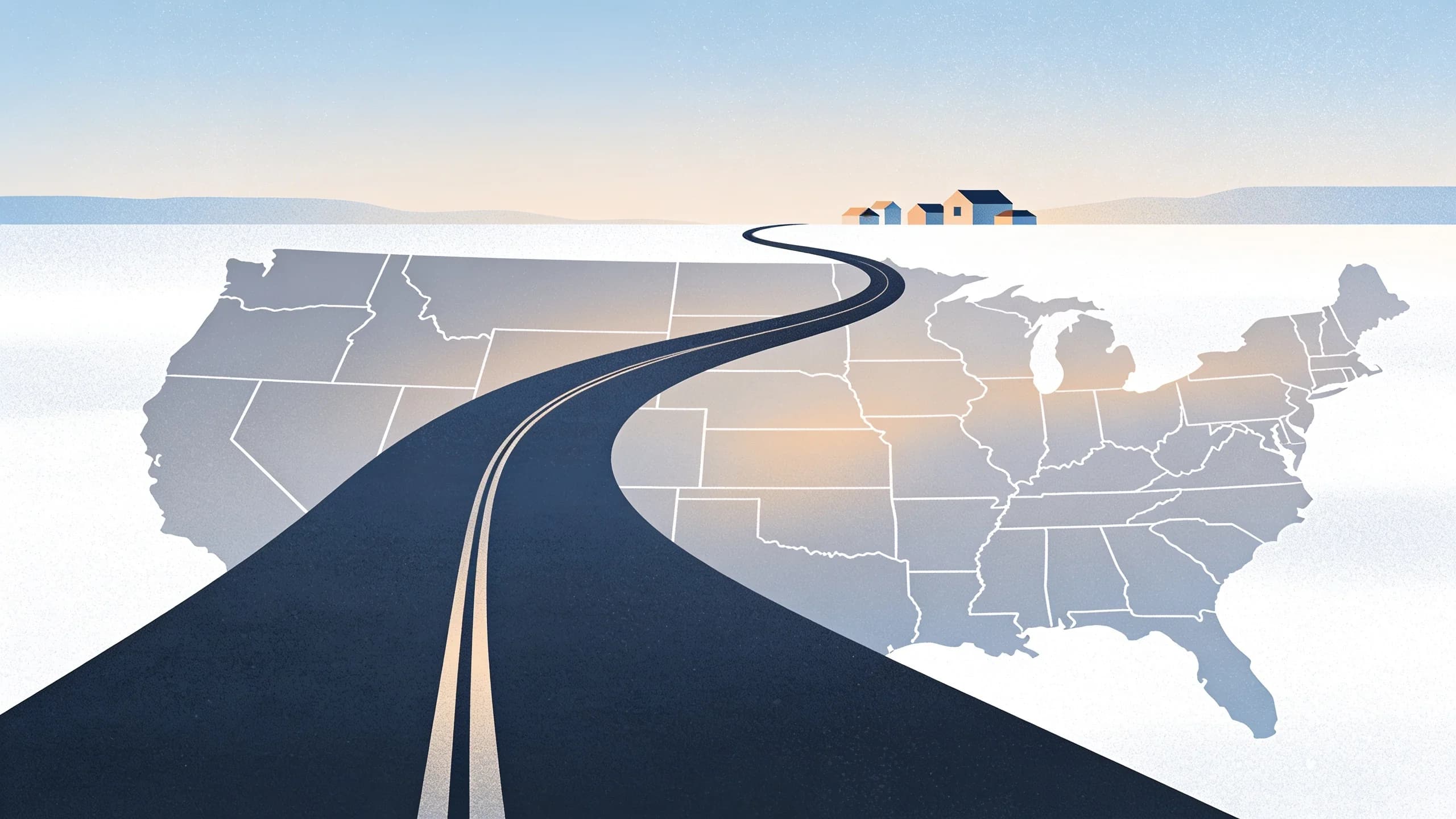
For people with opioid use disorder living in rural America, geography itself has become a treatment barrier. A new study examining Medicare enrollment data reveals a stark reality: more than 93% of rural counties in the United States lack a Medicare-enrolled opioid treatment program capable of dispensing methadone, leaving millions of older adults and disabled individuals without access to this critical medication.
The research, published in a peer-reviewed journal and based on June 2025 Centers for Medicare & Medicaid Services data, found that only 681 of the nation's counties—approximately 22%—have any Medicare-enrolled opioid treatment program at all. The disparity between urban and rural access is dramatic: while 46% of urban counties have enrolled programs, just 6.9% of rural counties do, with most of those concentrated in larger micropolitan areas rather than the most remote communities.
The Scale of the Crisis
The numbers translate to real human impact. An estimated 9.3 million Medicare enrollees—and 31.1 million American adults overall—live in rural counties without a single Medicare-enrolled methadone provider nearby. For a population already facing heightened risks from the opioid epidemic, this gap represents not merely an inconvenience but a fundamental barrier to evidence-based care.
Medicare's coverage of opioid treatment program services began in 2020 under the SUPPORT Act, and enrollment has grown steadily since. Yet the study notes that only a small fraction of Medicare enrollees with opioid use disorder receive methadone treatment at all. With roughly 1.1 million Medicare beneficiaries carrying an opioid use disorder diagnosis, the gap between need and access remains enormous.
Why Methadone Access Matters
Methadone occupies a unique position in medication-assisted treatment for opioid use disorder. Alongside buprenorphine and naltrexone, it is one of three FDA-approved medications for the condition. But unlike buprenorphine, which eligible clinicians can prescribe in office settings, methadone can only be dispensed through federally certified opioid treatment programs—making physical facility access essential.
This regulatory framework, rooted in decades of policy history, creates particular challenges for rural communities where such facilities are scarce. For individuals using fentanyl—the synthetic opioid now dominating the illicit drug supply—methadone offers particular advantages. It does not trigger precipitated withdrawal, the sudden onset of severe withdrawal symptoms that can occur when starting buprenorphine while fentanyl remains in the body.
Distance as a Safety Issue
For opioid treatment programs, distance is not simply an inconvenience—it is a clinical risk factor. Methadone dosing typically requires frequent, sometimes daily, in-person visits, especially early in treatment. Prior research cited in the study demonstrates that longer travel times to programs correlate with lower odds of accessing methadone at all and higher rates of missed doses once enrolled.
Missed doses carry serious consequences. They can trigger return of withdrawal symptoms, increase relapse risk during an already vulnerable period, and disrupt the therapeutic relationship that supports long-term recovery. For people in rural areas who must drive an hour or more each way to reach the nearest program, these challenges compound quickly.
Regional and Socioeconomic Disparities
The study reveals significant variation by region. The West North Central and West South Central census divisions show the lowest availability of Medicare-enrolled programs, suggesting that the rural access crisis is not evenly distributed across the country.
Counties with lower rates of post-secondary education and employment also had fewer enrolled programs. Interestingly, counties classified as facing persistent poverty actually showed higher supply than other counties—a finding that may reflect targeted federal investment in these areas through programs like the Health Resources and Services Administration's opioid funding initiatives.
Potential Solutions on the Horizon
The researchers point to several policy approaches that could help close the access gap. Primary care prescribing paired with pharmacy dispensing—an approach already used in some countries—could dramatically expand access if federal regulations were modified. Mobile medication units, which bring treatment directly to underserved communities, represent another promising avenue. Expanded telehealth options for opioid treatment programs, introduced during the COVID-19 pandemic and extended through federal flexibilities, offer additional pathways for rural access.
The Biden administration has signaled interest in modernizing methadone regulations, with proposed rules that would allow take-home doses earlier in treatment and expand prescribing authority. However, these changes face implementation challenges and have drawn mixed reactions from treatment providers concerned about maintaining program integrity.
The Buprenorphine Alternative—With Caveats
For people in rural areas unable to access methadone, buprenorphine offers an alternative that has become far more accessible in recent years. The MAT Act of 2022 eliminated the special waiver requirement for prescribing buprenorphine, allowing any DEA-registered clinician to prescribe it for opioid use disorder. Many primary care physicians, nurse practitioners, and physician assistants in rural areas now offer this treatment.
Yet buprenorphine is not a perfect substitute. The precipitated withdrawal risk with fentanyl use has become a significant clinical challenge, requiring careful induction protocols that some rural providers may lack experience implementing. Additionally, some individuals who have tried buprenorphine without success may specifically need methadone's different pharmacological profile.
What Patients Can Do
For Medicare enrollees in rural areas seeking treatment, the study's findings underscore the importance of asking direct questions about available options. Key inquiries include whether local providers offer buprenorphine, whether the nearest methadone program accepts new patients, and whether telehealth or mobile treatment options exist in the area.
The SAMHSA National Helpline (1-800-662-4357) provides free, confidential treatment referrals and can help identify the closest available resources. Some states have implemented programs specifically designed to connect rural residents with treatment, including transportation assistance and telehealth bridges to urban providers.
Policy Implications
The study's findings arrive at a moment of renewed attention to rural healthcare disparities. The overdose crisis has hit rural America particularly hard, with death rates in many non-metropolitan areas exceeding those in cities. Yet the infrastructure to respond—treatment facilities, healthcare workforce, harm reduction services—remains concentrated in urban centers.
For policymakers, the 93% figure represents both a challenge and an opportunity. Closing this gap will require sustained investment in rural healthcare infrastructure, regulatory flexibility to allow new treatment models, and recognition that geographic isolation should not determine whether someone can access life-saving care.
As the nation continues grappling with an evolving opioid crisis, the rural access gap documented in this study serves as a reminder that treatment availability is not merely a clinical issue—it is a matter of equity, geography, and the fundamental architecture of American healthcare.
Editorial Board
LADC, LCPC, CASAC
The Rainier Rehab editorial team consists of licensed addiction counselors, healthcare journalists, and recovery advocates dedicated to providing accurate, evidence-based information about substance abuse treatment and rehabilitation.
Related Articles
Buprenorphine Access Surges in Rural America, but Cities Lag Behind on Emergency Department Treatment
New CDC data reveals surprising trends in addiction medication access: rural pharmacies now dispense more buprenorphine per capita than urban ones, while ED-based treatment remains an urban privilege.
Wildfire Smoke Is Quietly Disrupting Opioid Treatment Access for Millions
Air quality emergencies create life-threatening barriers for patients on medication-assisted treatment, yet public health warnings rarely mention this hidden risk
Medicaid Expansion Drives 21% Buprenorphine Access Surge
New JAMA study shows Medicaid expansion significantly increased access to buprenorphine for opioid use disorder, with Oklahoma seeing 43% drop in overdose deaths.