
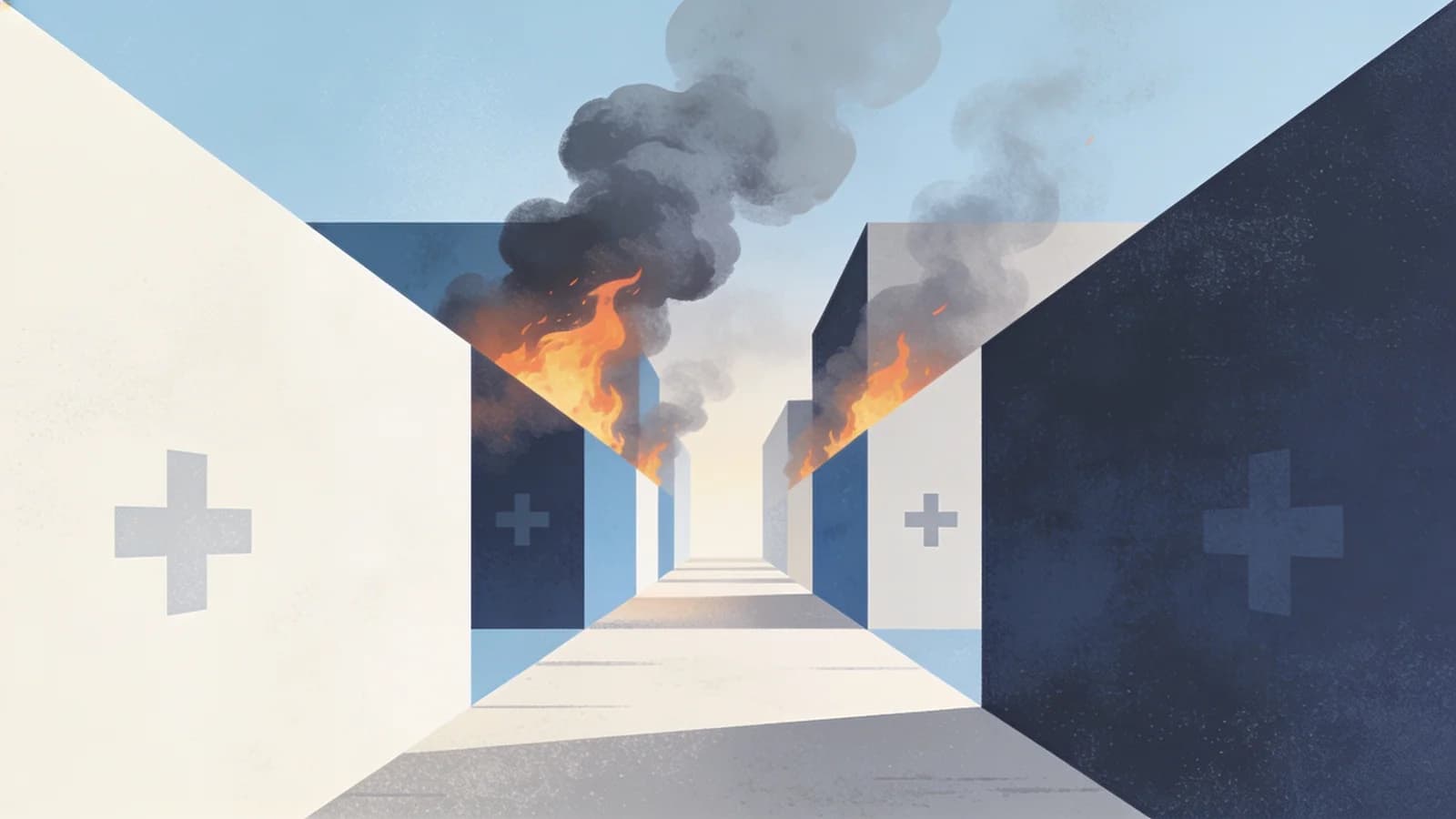
Wildfire Smoke Is Quietly Disrupting Opioid Treatment Access for Millions
When the Canadian wildfire smoke blanketed the Midwest and Northeast from July 14 through July 20, 2026, more than 120 million Americans received air quality warnings. Schools kept children indoors. The Chicago lakefront emptied. Detroit and Minneapolis recorded their highest air quality index readings in 27 years. Washington, D.C. hit Code Purple alerts as PM2.5 concentrations approached 200 micrograms per cubic meter.
For most people, this was an inconvenience. For hundreds of thousands of Americans receiving medication-assisted treatment (MAT) for opioid use disorder, it was something far more serious—a silent threat to their stability, their recovery, and potentially their lives.
The Hidden Crisis in Air Quality Emergencies
Buprenorphine and methadone are not optional supplements. They are FDA-approved medications that prevent opioid withdrawal, suppress cravings, and reduce overdose mortality by 50% or more. For people with opioid use disorder, consistent access to these medications is literally a matter of life and death.
But both medications come with access requirements that become problematic—sometimes dangerously so—during environmental emergencies.
Buprenorphine requires regular clinic or pharmacy visits to maintain active prescriptions. While the MAT Act of 2022 expanded prescribing authority, most patients still need in-person consultations for initiation and periodic follow-ups. Methadone for opioid use disorder operates under even stricter regulations—it can only be dispensed through federally certified Opioid Treatment Programs, and typically requires daily in-person visits for observed dosing.
When wildfire smoke makes outdoor travel dangerous or impossible, these access requirements transform from administrative hurdles into potentially life-threatening barriers.
What the Research Shows
The concern is not theoretical. A 2022 analysis by researchers at the University of California, Davis examined what happened to patients receiving long-term opioid prescriptions—including buprenorphine for opioid use disorder—following the 2018 Camp Fire in Northern California, the deadliest wildfire in state history.
Using California's prescription drug monitoring program data, the researchers found something alarming: in the ZIP codes most severely impacted by the fire, the proportion of patients who experienced a gap in medication access of more than two weeks quadrupled in the weeks following the disaster.
"They need to have continued access to their medications," said Iraklis Tseregounis, the study's lead author and a drug use researcher at UC Davis. "These are life-saving medications."
The Camp Fire study focused on a specific, localized disaster. But the July 2026 Canadian wildfire event was different—a massive, multi-day air quality emergency affecting a dozen states simultaneously. No comparable research has yet examined how such widespread, sustained poor air quality affects medication access patterns. But the mechanisms of disruption are clear.
How Smoke Events Disrupt Treatment
The barriers operate on multiple levels. For patients, the calculation is stark: risk respiratory distress by traveling to a clinic, or risk withdrawal and relapse by staying home. For many, particularly those with pre-existing respiratory conditions common among people who smoke or have used drugs, this is not a simple choice.
Methadone patients face the most severe constraints. Federal regulations require most patients to visit their Opioid Treatment Program daily for observed dosing. Take-home doses are available only after months of demonstrated stability, and even then, most patients receive only a few days' worth of medication at a time. When air quality reaches hazardous levels, patients must choose between violating their treatment plan or exposing themselves to dangerous conditions.
Buprenorphine offers more flexibility—patients typically receive 30-day supplies—but access still requires periodic in-person visits. A patient whose appointment falls during a smoke event faces the same difficult choice. Telehealth options expanded during COVID-19, but regulatory uncertainties and state-level variations mean they are not universally available.
The geographic distribution of these vulnerabilities is not random. Wildfire smoke disproportionately affects rural and economically disadvantaged communities—the same communities that already face the most severe shortages of addiction treatment providers. When air quality emergencies hit these areas, the treatment infrastructure is least equipped to adapt.
The Policy Gap
What makes this situation particularly troubling is the absence of systematic response planning. Air quality emergency alerts from the Environmental Protection Agency and state environmental agencies focus on respiratory health risks for the general population. They do not mention medication access for people in addiction treatment.
Federal agencies responsible for addiction treatment policy—including the Substance Abuse and Mental Health Services Administration (SAMHSA) and the Drug Enforcement Administration (DEA)—have not issued specific guidance for patients or providers on managing MAT during environmental emergencies.
This represents a significant gap in disaster preparedness. Climate change is increasing both the frequency and intensity of wildfire events. The Canadian wildfires of 2023 and 2024 established that smoke events can affect air quality across thousands of miles. The July 2026 event demonstrated that these disruptions can last for a week or more.
Potential Solutions
Addressing this gap will require changes at multiple levels.
For methadone specifically, advocates have long called for regulatory reforms to allow more take-home doses and greater flexibility in emergency situations. The DEA has authority to issue blanket exceptions during declared emergencies, but this authority has rarely been used for air quality events. Developing clear criteria and procedures for such exceptions would give patients and providers certainty about their options.
Telehealth expansion represents another pathway. The COVID-19 pandemic demonstrated that buprenorphine can be effectively prescribed through virtual consultations. Making these flexibilities permanent and universal would reduce vulnerability to any disruption that limits travel—including smoke events, storms, and other environmental hazards.
At the local level, treatment providers could develop contingency plans for air quality emergencies. This might include temporary take-home dose increases, mobile dispensing units, or partnerships with pharmacies closer to patients' homes. Some programs have already implemented such measures for other types of disasters, but coverage is inconsistent.
Public health agencies could also play a role by incorporating medication access into air quality emergency planning. Alerts could include specific guidance for people in addiction treatment, and emergency operations centers could coordinate with local treatment providers to identify and address access barriers.
The Broader Context
The wildfire smoke disruption highlights a larger truth about addiction treatment in America: the system remains fragile, with too many single points of failure. A treatment model that requires daily in-person visits for some patients creates inherent vulnerability to any disruption—whether from wildfire smoke, winter storms, transportation breakdowns, or public health emergencies.
The contrast with other chronic diseases is striking. Patients with diabetes or hypertension do not lose access to their medications because of poor air quality. The difference lies not in the severity of the conditions—opioid use disorder has mortality rates comparable to or exceeding many chronic diseases—but in the regulatory framework that treats addiction as a moral failing rather than a medical condition.
For patients navigating recovery, the July 2026 smoke event was a reminder that their stability depends not just on their own efforts, but on a treatment infrastructure that was not designed with their needs in mind. As climate change makes such events more common, the cost of that design failure will be measured in disrupted lives, resumed drug use, and preventable overdoses.
The question is whether policymakers will act before the next smoke event—or whether hundreds of thousands of Americans will once again be left to choose between breathing and staying in recovery.
Sources
Editorial Board
LADC, LCPC, CASAC
The Rainier Rehab editorial team consists of licensed addiction counselors, healthcare journalists, and recovery advocates dedicated to providing accurate, evidence-based information about substance abuse treatment and rehabilitation.
Related Articles
Street-Based Mobile Addiction Services Reach Thousands Previously Disconnected From Care
Mass General Brigham study shows mobile clinics can effectively deliver buprenorphine and harm reduction services to people who use drugs, with 15% retention at 6 months
93% of Rural Counties Lack Medicare Methadone Access, Leaving Millions Without Critical Treatment
A new study reveals that over 93% of rural US counties have no Medicare-enrolled opioid treatment program, creating dangerous barriers to methadone access for 9.3 million Medicare enrollees.
Medicaid Expansion Drives 21% Buprenorphine Access Surge
New JAMA study shows Medicaid expansion significantly increased access to buprenorphine for opioid use disorder, with Oklahoma seeing 43% drop in overdose deaths.