

FDA Fast-Tracks CS-1103: A New Weapon Against Fentanyl Overdoses
The Food and Drug Administration has granted Fast Track designation to CS-1103, an experimental therapeutic that could fundamentally change how emergency responders treat acute fentanyl intoxication. Developed by Clear Scientific Inc., the injectable molecule represents a novel approach to overdose reversal—one that goes beyond simply blocking opioid receptors to actively removing the drug from a patient's system.
How CS-1103 Works
Current overdose treatment relies heavily on naloxone, which works by displacing opioids from brain receptors. While effective at restoring breathing, naloxone has limitations. Its effects can wear off while fentanyl remains in the body, leading to a dangerous phenomenon called renarcotization where patients slip back into overdose after the initial rescue.
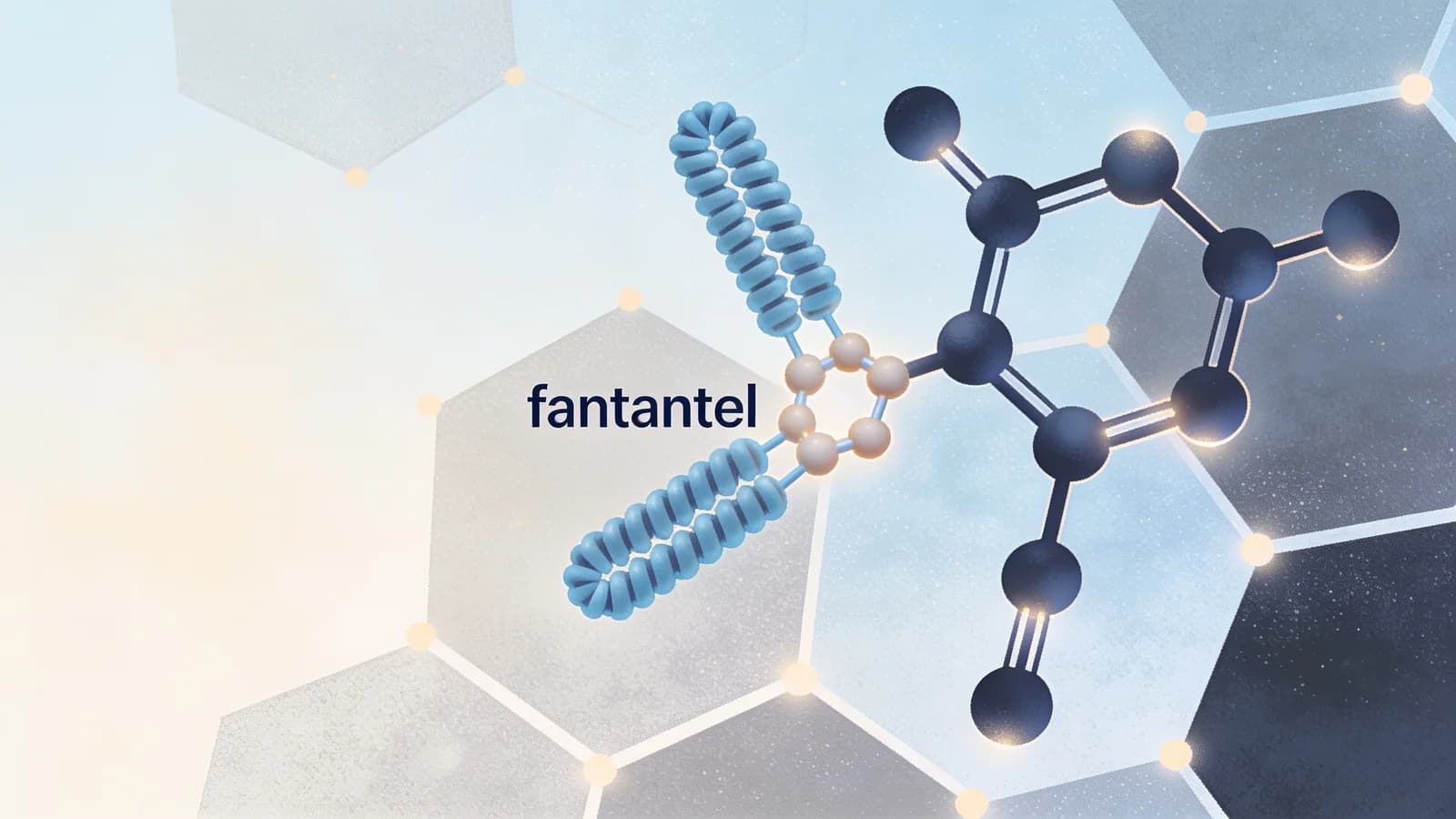
CS-1103 operates differently. In preclinical studies, the small molecule binds and encapsulates intoxicants circulating in the bloodstream, rapidly reversing their toxic effects. The compound then accelerates clearance of the trapped drugs through urine, effectively scrubbing the system clean. This dual-action mechanism—immediate neutralization followed by accelerated elimination—addresses both the acute crisis and the risk of recurrent overdose.
"There are substantial gaps in current overdose and detox treatments for opioids," said Shekar Shetty, CEO of Clear Scientific. "Based on non-clinical studies, CS-1103, administered alongside naloxone, can greatly increase the safety of acute intoxication scenarios by preventing renarcotization."
From Laboratory to Bedside
The technology behind CS-1103 emerged from Harvard University's laboratories, co-founded by Professor George M. Whitesides with intellectual property licensed from Massachusetts General Hospital and the University of Maryland. The company has already demonstrated safety in human subjects through a completed Phase 1 trial, showing the drug was well-tolerated at clinically relevant doses.
Phase 2 trials specifically targeting fentanyl intoxication are scheduled to begin in June 2026—an unusually rapid progression that reflects both the urgency of the opioid crisis and the FDA's recognition of CS-1103's potential to fill an unmet medical need.
The Fast Track designation, announced May 5, 2026, provides Clear Scientific with enhanced access to FDA guidance and enables rolling review of their marketing application once clinical trials conclude. This regulatory pathway is reserved for drugs addressing serious conditions where existing treatments are inadequate.
Bridging Emergency Response and Treatment
Beyond its immediate life-saving potential, CS-1103 may solve a persistent problem in addiction care: the transition from overdose to treatment. Many patients who survive overdoses never connect with follow-up care, lost in the gap between emergency departments and opioid addiction treatment programs.
"CS-1103 has the potential to improve rapid and safe transition to addiction treatments, particularly buprenorphine, through its ability to remove virtually all the opioids from the body in a short period of time," Shetty explained.
This rapid clearance could enable clinicians to initiate medication-assisted treatment sooner, without the traditional waiting period required for opioids to clear naturally. For patients, this means less time in withdrawal and a smoother path into recovery programs.
The Scale of the Crisis
The need for improved overdose interventions remains urgent. According to CDC data cited by Clear Scientific, opioids cause approximately 2,500 emergency department visits and 150 deaths daily in the United States. Synthetic opioids, primarily fentanyl, were associated with more than 55,000 fatalities in 2024 alone.
The economic toll extends beyond mortality statistics. The White House estimates the fentanyl-fueled opioid crisis cost the U.S. economy nearly $2.7 trillion in 2023, touching healthcare systems, criminal justice infrastructure, and workforce productivity across every community.
Federal research dollars are backing the search for solutions. Clear Scientific receives funding from the National Institute on Drug Abuse, reflecting federal prioritization of innovative approaches to the overdose epidemic. The NIH support underscores growing recognition that new therapeutic modalities—beyond the naloxone standard—are necessary to turn the tide.
What Comes Next
The June 2026 launch of Phase 2 trials will test CS-1103's efficacy in real-world overdose scenarios. Success in these studies would position the drug for accelerated FDA review, potentially bringing a new tool to emergency departments and first responders within several years.
If approved, CS-1103 would likely complement rather than replace naloxone. The combination approach—immediate receptor blockade plus systemic drug clearance—could dramatically improve outcomes for patients experiencing fentanyl overdoses, particularly given the drug's potency and extended duration in the body.
For communities grappling with the ongoing opioid crisis, the development represents a rare piece of promising news: a potential breakthrough that addresses not just the immediate emergency of overdose, but the critical window that follows when patients are most vulnerable—and most receptive to entering treatment.
Editorial Board
LADC, LCPC, CASAC
The Rainier Rehab editorial team consists of licensed addiction counselors, healthcare journalists, and recovery advocates dedicated to providing accurate, evidence-based information about substance abuse treatment and rehabilitation.
Related Articles

Fentanyl Deaths Plunge 54% as U.S. Overdose Crisis Shows Signs of Easing
New CDC provisional data reveals fentanyl-related fatalities have dropped by more than half from their peak, with total overdose deaths down 14% in 2025.
Fentanyl Vaccine Shows Promise in Early Trials, Could Block Drug Before It Reaches the Brain
Scripps Research develops vaccine candidate that generates antibodies to neutralize fentanyl, potentially helping people in recovery avoid relapse

Wildfire Smoke Is Quietly Disrupting Opioid Treatment Access for Millions
Air quality emergencies create life-threatening barriers for patients on medication-assisted treatment, yet public health warnings rarely mention this hidden risk