
Philadelphia Put Methadone on Wheels. Kensington Walk-Ups Are Filling It.
The hardest part of treating opioid addiction in Kensington has never been the medicine. It has been the trip.
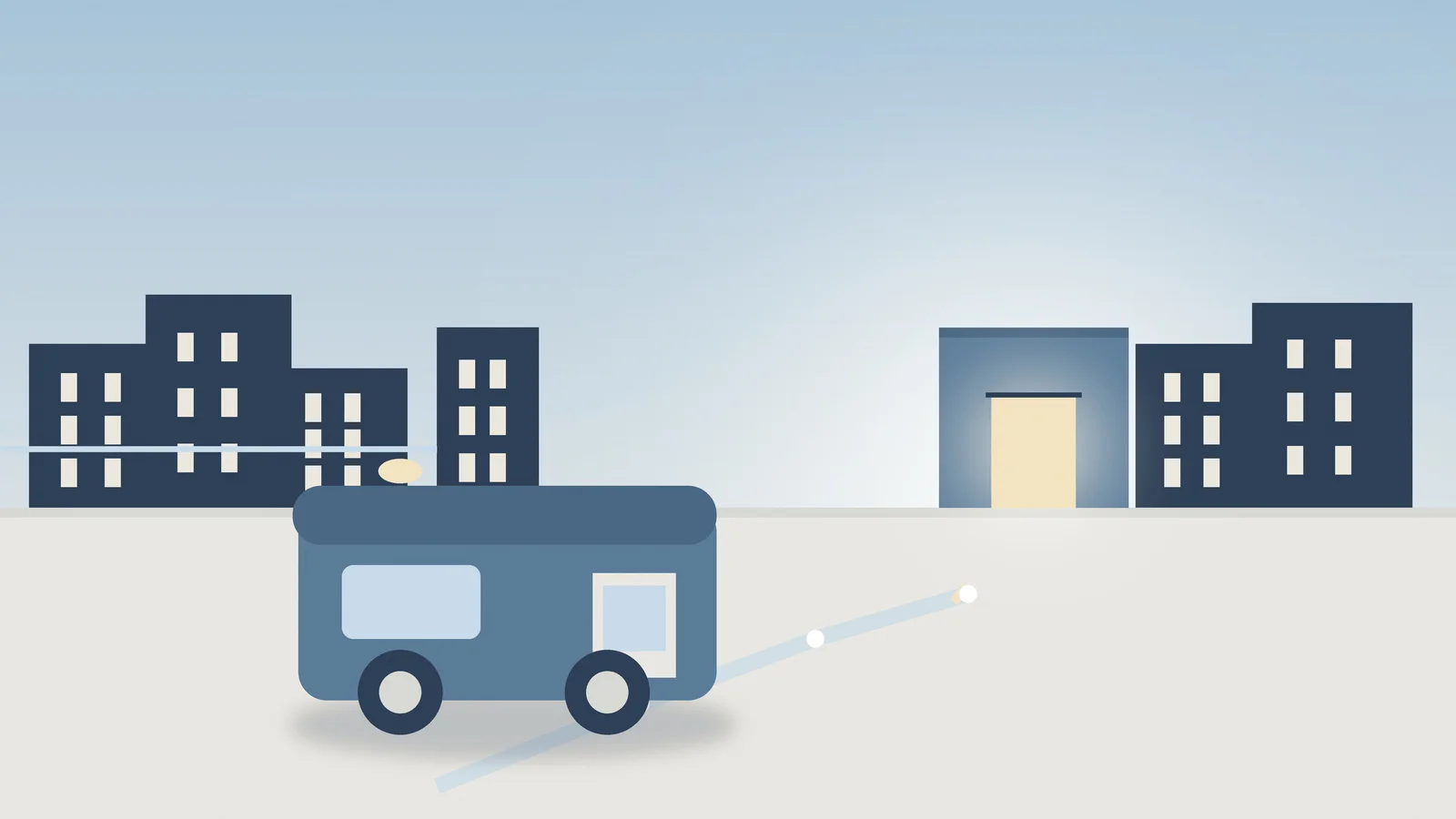
Methadone, the oldest of the medications approved for opioid use disorder, is also the most tightly controlled. It is a Schedule II drug, dispensed from licensed clinics that many patients must reach every day for a single dose. In a neighborhood where the drug supply sits blocks away and withdrawal sets in within hours, that geography quietly decides who gets care. On Sept. 25, Philadelphia's first mobile methadone unit began closing the gap — not by rewriting the rules, but by parking a clinic in the lot of the Kensington Wellness Support Center.
A Doctor's Office, a Dispensing Window, Under an Hour
The unit, run by the behavioral health nonprofit Merakey, is a white recreational vehicle split into two rooms. The front holds an exam table and the supplies a physician needs to assess someone and enroll them in treatment. The back is a dispensing room, where a nurse measures out liquid methadone and passes the first dose through a partitioned window. Security cameras and officers are on site.
Cristina Marino, Merakey's program director, said the large majority of patients walk up, and that intake is deliberately brisk because people with opioid use disorder can slide into withdrawal fast. The current street supply sharpens that risk: fentanyl is now regularly cut with medetomidine, a veterinary sedative, and the resulting withdrawal hits harder and sooner than the opioid era most clinic protocols were built around. Marino's answer is to not make anyone sit for the hours patients have learned to associate with methadone intake.
The vehicle is not a pill window. Clinicians, counselors and peer recovery specialists on board handle housing referrals, hygiene supplies, shelter placement and light wound care alongside the medication, then transition patients into long-term outpatient care — usually after about two weeks of consistent dosing, and only when someone is ready to travel further from the street supply.
Mobile methadone became legally possible in 2021, when the Drug Enforcement Administration finalized rules allowing licensed providers to dispense the medication from vans at remote locations. Merakey's program is among the first in Pennsylvania to use that authority; two other state programs dispense methadone from vehicles, serving Allegheny County and six rural counties in central Pennsylvania.
Latika Davis-Jones, secretary of the state Department of Drug and Alcohol Programs, framed the van as a system-level shift at the unveiling. "By expanding mobile treatment, we are reducing barriers, bringing care closer to people and helping to position Pennsylvania as a leader in this innovative approach," she said.
567 People, and About Nine in Ten Without Housing
Startup money came from Philadelphia's share of the national opioid settlements. Merakey soft-launched the van in October 2025, and by August 2026 it had connected 567 people to methadone. Program leaders said roughly 90 percent of those patients were homeless when they arrived.
For a city that loses hundreds of residents to overdose each year, the math matters more than the ceremony. Reaching people living outdoors and dosing them the same hour they ask for help is the difference between a treatment system that waits for stability and one that builds it — the same logic behind expanding opioid addiction treatment beyond clinic walls nationwide. Methadone is not right for everyone; for many patients, medication-assisted treatment means buprenorphine instead, which is easier to obtain and far less restricted. What the van changes is the cost of asking.
Sources
Editorial Board
LADC, LCPC, CASAC
The Rainier Rehab editorial team consists of licensed addiction counselors, healthcare journalists, and recovery advocates dedicated to providing accurate, evidence-based information about substance abuse treatment and rehabilitation.
Related Articles
Street-Based Mobile Addiction Services Reach Thousands Previously Disconnected From Care
Mass General Brigham study shows mobile clinics can effectively deliver buprenorphine and harm reduction services to people who use drugs, with 15% retention at 6 months
Wildfire Smoke Is Quietly Disrupting Opioid Treatment Access for Millions
Air quality emergencies create life-threatening barriers for patients on medication-assisted treatment, yet public health warnings rarely mention this hidden risk
After Five Overdoses on Sixth Street, Austin EMS Floods the Bar District With Narcan
Austin-Travis County EMS went door to door on Sixth Street handing out Narcan kits after five suspected opioid overdoses, two weeks before ACL Festival.