
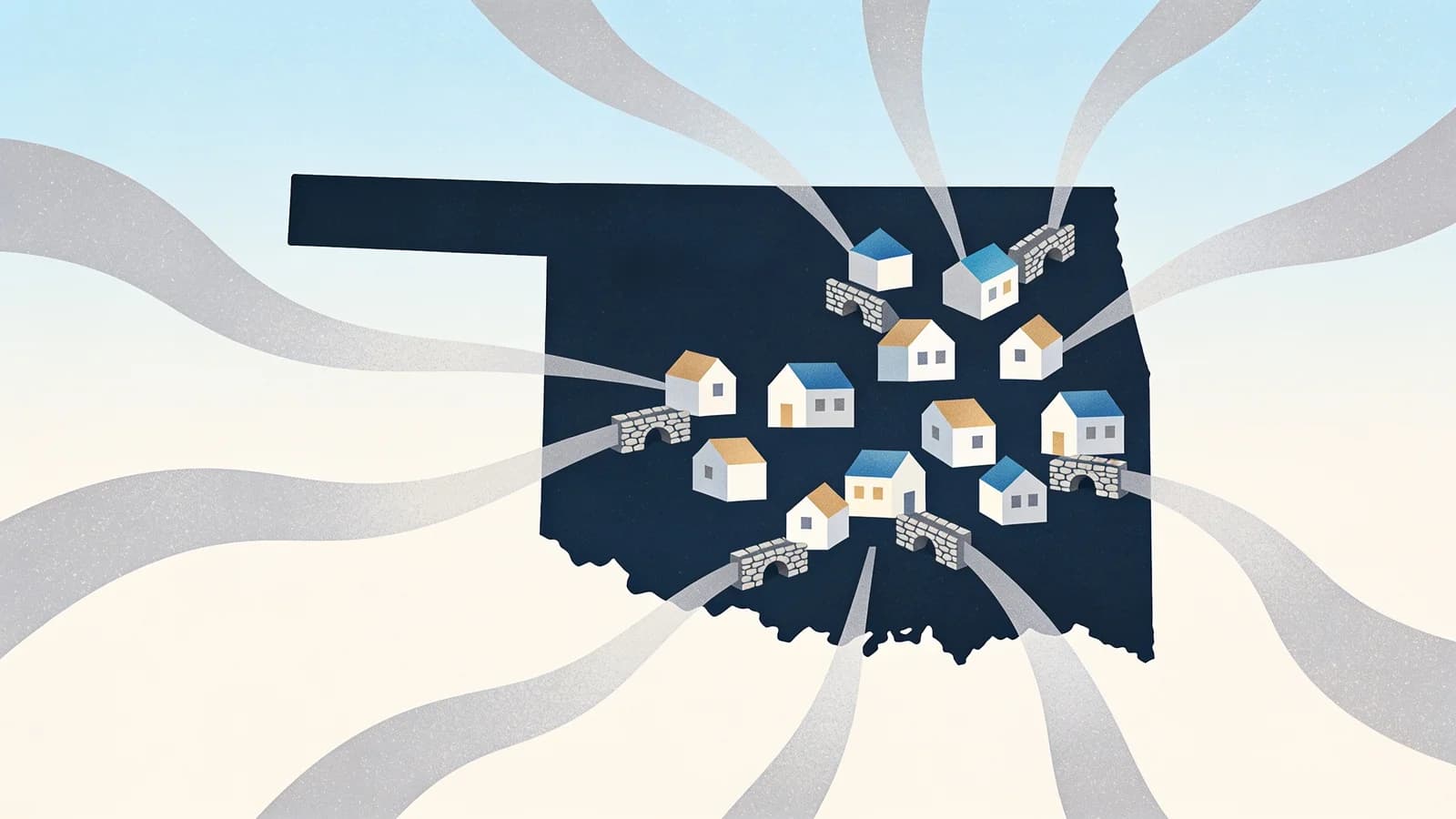
Oklahoma Reaches $12 Million Settlement With Eight Opioid Manufacturers as Fourth Grant Round Reaches Communities
Eight pharmaceutical manufacturers will pay Oklahoma roughly $12 million to resolve claims that they helped fuel the national opioid crisis, Attorney General Gentner Drummond announced Friday. The companies — Alvogen, Amneal, Apotex, Hikma, Indivior, Mylan, Sun Pharma, and Zydus — are the same group behind a $720 million multistate settlement first unveiled by Texas last August, with states and local governments across the country signing on since.
"I am committed to fighting Oklahoma's opioid crisis at every level," Drummond said in a statement. "Funds from these settlements will provide critical tools and resources to combat the opioid epidemic and save lives." The money is earmarked for opioid remediation and will reach communities through the state's grant process rather than flowing into general revenue.
The national deal carries more than cash. Seven of the eight companies — all but Indivior — are barred from promoting or marketing opioid products, prohibited from making or selling any pill containing more than 40 milligrams of oxycodone, and required to run monitoring systems that flag suspicious orders. Indivior, which paid $38 million of the national total, agreed not to manufacture or sell opioid products for the next decade, though it may continue marketing the medications it makes to treat opioid use disorder. Mylan's share alone, now part of Viatris, accounts for $284 million of the $720 million, spread over nine years.
A Grant Machine Already in Motion
Oklahoma is not starting from scratch in putting this money to work. The Legislature created the Opioid Abatement Board in 2020 to manage settlement funds, and Drummond's office has already awarded nearly $30 million in grants across the state since he took office in 2023 and pushed out the first round. The timing of Friday's announcement was not accidental: one day earlier, the board approved his recommendation to send more than $12 million in a fourth allocation to cities, counties, and public trusts.
Those grants fund treatment and recovery programs, support for people with co-occurring mental health disorders, prevention and education efforts, prescription-safety initiatives, and strategies aimed at shrinking the supply of narcotics. For Oklahomans seeking opioid addiction treatment, that local infrastructure — not the headline dollar figure — is what determines whether a bed, a counselor, or a prescription is actually available when someone is ready.
The Accountability Question Lingers
What the announcement does not answer is how quickly the new manufacturer dollars will convert into services. Oklahoma's experience mirrors a national pattern: settlement money arrives on a schedule measured in years, while grant cycles, applications, and audits add further delay between a press release and a program on the ground. The abatement board's structure at least keeps the funds walled off for remediation, and four grant rounds in three years suggests the pipeline is moving.
Still, the sums tell their own story. Twelve million dollars from eight manufacturers is a fraction of what Oklahoma has already collected — and a fraction of what the crisis costs the state each year. The settlement's real weight may sit in its restrictions: a generation of drug makers now legally barred from marketing high-dose opioids is a constraint no amount of grant money could buy.
Sources
Editorial Board
LADC, LCPC, CASAC
The Rainier Rehab editorial team consists of licensed addiction counselors, healthcare journalists, and recovery advocates dedicated to providing accurate, evidence-based information about substance abuse treatment and rehabilitation.
Related Articles

After Five Overdoses on Sixth Street, Austin EMS Floods the Bar District With Narcan
Austin-Travis County EMS went door to door on Sixth Street handing out Narcan kits after five suspected opioid overdoses, two weeks before ACL Festival.

National Fentanyl Prevention and Awareness Day: Expert Insights on Combating the Crisis
On National Fentanyl Prevention and Awareness Day, experts emphasize education, harm reduction, and real-time detection tools as essential strategies.
Kentucky Bet Big on Addiction Treatment Access. Then Came the Fraud.
Kentucky suspended Medicaid guardrails to expand addiction treatment. A DOJ settlement, an FBI probe, and a $2.3 billion spending surge followed.