
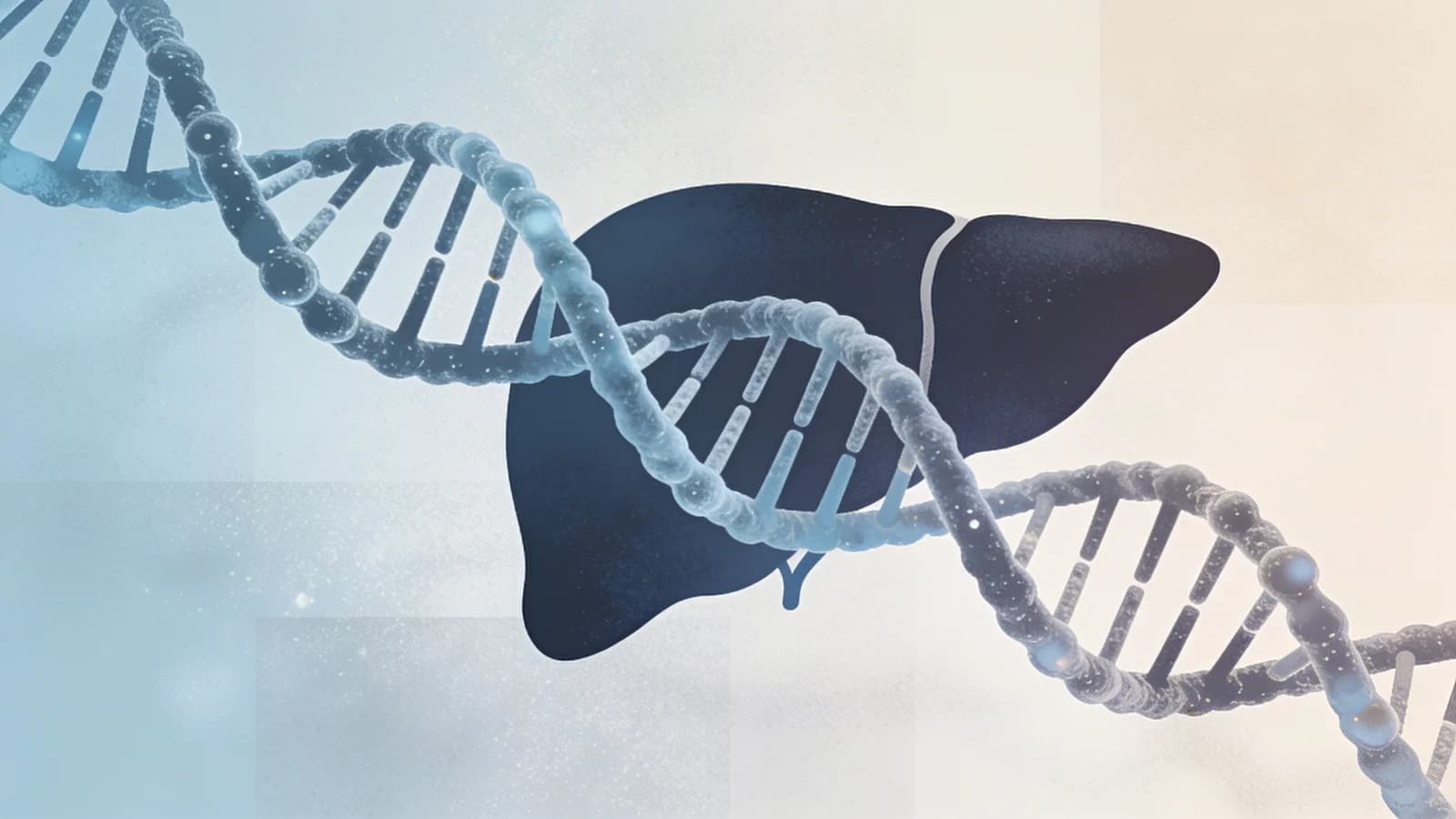
Liver Enzyme Discovery Could Transform Cocaine Addiction Treatment
For decades, addiction research has focused almost exclusively on the brain. The assumption was simple: drugs alter brain chemistry, so treatments must target neural pathways. But a groundbreaking study from UC San Diego is challenging that fundamental premise, revealing that the liver may play a far more significant role in cocaine addiction than anyone suspected.
Published June 11, 2026, in Nature Communications, the study represents the largest genetic mapping effort of its kind. Researchers analyzed nearly 900 genetically diverse rats to identify biological drivers of compulsive cocaine use. What they found upends conventional wisdom about where addiction lives in the body.
A Surprising Discovery in an Unexpected Organ
The research team, led by co-corresponding authors Olivier George and Abraham Palmer, identified a liver enzyme called Ces1 as a key regulator of cocaine-taking behavior. This finding was unexpected. While scientists have long understood that the liver metabolizes drugs, the idea that liver enzymes could influence the behavioral patterns of addiction represents a paradigm shift.
"Finding a liver-based enzyme that shapes cocaine-taking behavior was a real 'aha' moment for us," said George, a professor of psychiatry at UC San Diego School of Medicine. "It reminds us that addiction isn't only about the brain."
The study employed a genome-wide association approach, examining genetic variations across the entire genome to identify markers associated with compulsive drug use. By using a genetically diverse population of rats—rather than the inbred strains common in laboratory research—the team was able to capture a broader range of genetic variability, making their findings more applicable to human populations.
How Drug Metabolism Drives Addiction Behavior
The Ces1 enzyme plays a critical role in breaking down cocaine in the body. Variations in the gene that produces this enzyme appear to influence not just how quickly cocaine is metabolized, but also how likely an individual is to develop compulsive use patterns.
This connection between metabolism and behavior suggests that individual differences in drug processing may partially explain why some people develop addictions while others, exposed to the same substances, do not. It also points to a potential mechanism for the genetic heritability of addiction risk.
Cocaine use disorder is known to have a strong genetic component, with heritability estimates ranging from 40 to 60 percent. Yet scientists have struggled to identify the specific genes involved, making targeted treatment development difficult. The UC San Diego findings provide a concrete biological target that could accelerate therapeutic innovation.
Implications for Treatment Development
The discovery opens several promising avenues for intervention. Researchers could potentially develop medications that modulate Ces1 activity, altering how the body processes cocaine and thereby reducing its addictive potential. Such approaches would represent a fundamentally different strategy from current medications for stimulant addiction, which primarily target brain neurotransmitter systems.
Additionally, the findings suggest that genetic testing could eventually help identify individuals at higher risk for cocaine addiction before they develop problematic use patterns. People with certain Ces1 variants might benefit from enhanced prevention efforts or earlier intervention.
The study also has implications for personalized medicine in addiction treatment. Patients with different metabolic profiles might respond differently to existing therapies, and understanding these differences could help clinicians tailor treatment approaches more effectively.
Beyond the Brain: A New Framework for Understanding Addiction
Perhaps most significantly, the UC San Diego research challenges the neurocentric view that has dominated addiction science for generations. While the brain's reward pathways clearly play a central role in addiction, the study demonstrates that peripheral organs and metabolic processes also contribute substantially to addiction vulnerability.
This broader perspective aligns with emerging research showing that addiction is a systemic condition affecting multiple body systems. The liver's role in drug metabolism may be just one piece of a larger puzzle involving the gut microbiome, immune system, and endocrine function.
"We've been looking at addiction through a narrow lens," noted Palmer, a professor at UC San Diego School of Medicine. "This research suggests we need to examine the whole organism to fully understand—and effectively treat—substance use disorders."
From Rats to Humans: The Path Forward
While the study was conducted in rats, the researchers are optimistic about its translational potential. The genetic mechanisms involved in drug metabolism are highly conserved across species, and Ces1 has a human equivalent with similar functions.
The next steps involve validating these findings in human populations and exploring whether the Ces1 enzyme or related metabolic pathways can be safely modulated for therapeutic benefit. Clinical trials would be needed to test any medications developed based on these targets.
For people struggling with cocaine use disorder, the study offers hope that new treatment options may emerge from an unexpected source. Rather than focusing solely on blocking cocaine's effects in the brain, future therapies might work by changing how the body processes the drug—potentially reducing both its rewarding effects and its addictive potential.
The Bigger Picture: Addiction as a Complex Disease
The UC San Diego findings contribute to a growing recognition that addiction is not simply a moral failing or a brain disorder, but a complex disease involving genetic, metabolic, environmental, and behavioral factors. This more nuanced understanding has important implications for how society approaches substance use disorders.
As research continues to reveal the biological underpinnings of addiction, the case for treating substance use disorders as medical conditions requiring evidence-based care becomes increasingly compelling. The liver enzyme discovery is one more piece of evidence supporting a public health approach to what has become one of America's most devastating epidemics.
With overdose deaths involving stimulants rising sharply in recent years—particularly when combined with fentanyl—new approaches to treating cocaine and methamphetamine addiction are urgently needed. The UC San Diego study suggests that answers may come from looking beyond the brain to the body's broader metabolic systems.
Editorial Board
LADC, LCPC, CASAC
The Rainier Rehab editorial team consists of licensed addiction counselors, healthcare journalists, and recovery advocates dedicated to providing accurate, evidence-based information about substance abuse treatment and rehabilitation.
Related Articles

NIH Scientists Uncover Brain Mechanism That Could Extend GLP-1 Drug Effects for Addiction Treatment
New research reveals how cAMP signaling in brain neurons drives GLP-1 weight loss effects, opening pathways to enhance addiction treatments.
NIH Study Reveals How Small-Molecule GLP-1 Drugs Penetrate Deep Into Brain to Suppress Cravings
New NIH-funded research shows oral GLP-1 drugs like orforglipron reach the central amygdala, opening potential pathways for treating substance use disorders.

NIDA Funds $5 Million Study on How Social Isolation During Adolescence Shapes Addiction Risk
University of Chicago researchers investigate why isolation during teenage years may permanently alter brain development and increase vulnerability to substance use disorders.