
Nitazenes: The Synthetic Opioids 40 Times Stronger Than Fentanyl Are Spreading Across America
Ashley Delgado had dreams of becoming a doctor. In high school, she excelled in science and Latin, carrying a GPA that pointed toward a bright future in medicine. But a leg injury in her mid-20s led to an OxyContin prescription that would alter the trajectory of her life. Over the following years, she descended through the ranks of addiction—from prescription opioids to methamphetamine, then heroin, and finally fentanyl.
With her family's support, Ashley completed rehabilitation and moved into a sober living home in Cleveland. On an early summer morning in 2023, her body was found on a dead-end street outside the city. She was 29 years old. Toxicology tests revealed something her father had never heard of: protonitazene and metonitazene, powerful synthetic opioids from a class of drugs known as nitazenes. These substances, up to 40 times more potent than fentanyl and 500 times stronger than heroin, had claimed another victim.
A Hidden Epidemic Within the Crisis
Nitazenes represent a disturbing evolution in the synthetic opioid crisis. Developed in the 1950s as potential painkillers, these compounds never reached the pharmaceutical market because they were deemed too dangerous for medical use. Decades later, clandestine laboratories—primarily in China—have resurrected them, creating a new generation of ultra-potent opioids that are flooding the American drug supply.
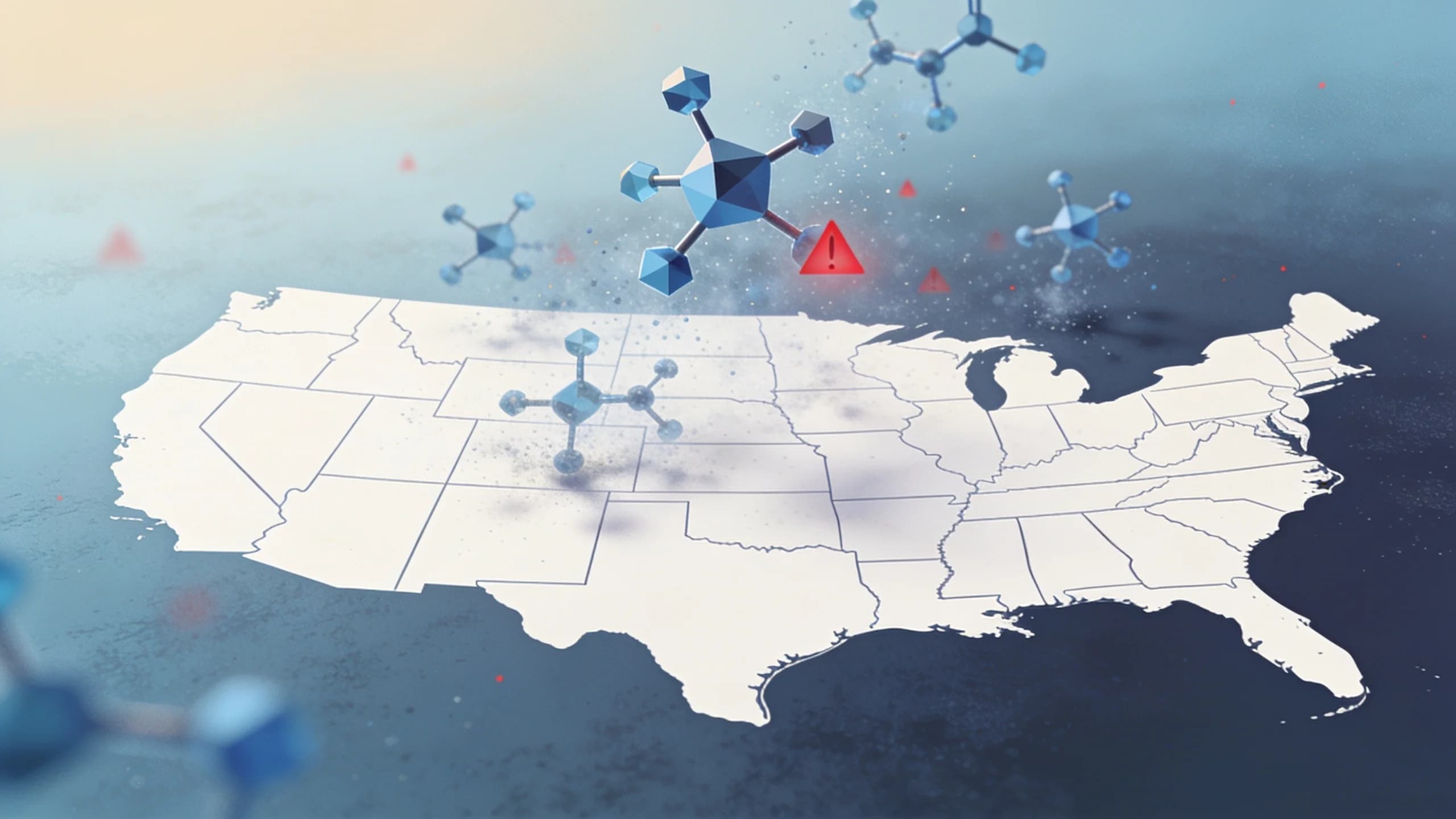
According to data from the United Nations Office on Drugs and Crime, the United States has reported 26 different kinds of nitazenes since 2019—the second highest number globally, trailing only Canada. The Drug Enforcement Administration began tracking nitazene-related seizures around 2014, but it wasn't until 2019 that authorities observed a marked increase in their prevalence.
The Centers for Disease Control and Prevention's State Unintentional Drug Overdose Reporting System has confirmed more than 1,100 nitazene-involved fatalities. However, experts believe the actual death toll could be as high as 2,000, since many forensic toxicology labs do not routinely test for these substances. Alex Krotulski, director of the Centre for Forensic Science Research and Education in Pennsylvania, notes that limited testing capabilities mean many cases go undetected. "There are only limited forensic toxicology labs that test for nitazenes," he explained. "If a nitazene was present and the lab didn't test for it, the number wouldn't appear in SUDORS."
How Nitazenes Enter the Supply Chain
Nitazenes are predominantly sold online, available on both the clear web and dark web marketplaces. A Bellingcat investigation last year identified more than 1,000 advertisements for nitazenes across various platforms. These substances are often laced into other drugs—oxycodone, fentanyl, cocaine, and methamphetamine—to increase potency, putting unsuspecting users at risk of fatal overdoses.
The investigation traced how these compounds infiltrate U.S. borders through complex supply chains originating in Chinese laboratories. Despite federal efforts to curb their spread—including scheduling dozens of nitazenes as illegal substances, launching undercover operations, filing indictments against Chinese chemical manufacturers, and imposing tariffs—nitazenes continue to proliferate.
The most recent CDC data for 2023 and 2024 show these were the deadliest years on record for nitazene-related deaths, with 747 confirmed fatalities in that period alone. The geographic spread is equally concerning, with cases emerging across the Midwest, Northeast, and Southern states.
The Challenge of Detection and Response
Nitazenes pose unique challenges for harm reduction efforts. Their extreme potency means that standard doses of naloxone—the opioid overdose reversal medication—may be insufficient to counteract their effects. Multiple doses are often required, and even then, revival is not guaranteed. This has significant implications for first responders and community-based harm reduction programs.
The unpredictable nature of nitazene-laced drugs also complicates risk assessment for users. Unlike pharmaceutical opioids with consistent dosing, street drugs containing nitazenes vary wildly in potency. A user accustomed to a certain tolerance level may encounter a batch with unexpectedly high nitazene content, leading to rapid respiratory failure.
For individuals struggling with opioid addiction, the emergence of nitazenes adds another layer of danger to an already perilous landscape. Treatment providers are increasingly encountering patients who have experienced nitazene-related overdoses, requiring updated protocols and enhanced medical monitoring.
Policy Responses and Enforcement Actions
Federal authorities have responded with a multi-pronged approach. The DEA has moved aggressively to schedule nitazenes under the Controlled Substances Act, designating them as Schedule I drugs with no accepted medical use and high abuse potential. International cooperation efforts target the Chinese laboratories producing these compounds, though the cat-and-mouse game of chemical regulation continues as manufacturers slightly alter molecular structures to evade legal restrictions.
The Biden and Trump administrations have both imposed tariffs on Chinese imports linked to synthetic opioid production, attempting to disrupt the economic incentives driving the trade. However, the decentralized nature of online drug markets and the ease of international shipping make enforcement challenging.
Public health officials are calling for expanded forensic testing capabilities to better track nitazene prevalence and inform response strategies. Enhanced surveillance could help identify emerging hotspots and guide resource allocation for harm reduction services.
What Communities Can Do
The spread of nitazenes underscores the importance of comprehensive harm reduction strategies. Communities are increasingly distributing higher-dose naloxone formulations and training bystanders to administer multiple doses if necessary. Drug checking services, where available, can identify the presence of nitazenes and other adulterants, allowing users to make more informed decisions.
Treatment access remains the most effective long-term response. Medication-assisted treatment using buprenorphine or methadone reduces overdose risk by stabilizing patients and reducing cravings. Expanding access to these evidence-based treatments—particularly in underserved areas—remains critical to addressing the underlying demand that drives the illicit drug market.
The story of Ashley Delgado, and hundreds like her, illustrates how the opioid crisis continues to evolve in deadly directions. As law enforcement and public health officials race to respond to nitazenes, the human toll mounts—families shattered, communities devastated, and lives cut short by substances most Americans have never heard of. The challenge ahead lies not only in interdicting these dangerous compounds but in building a treatment infrastructure robust enough to meet the scale of the addiction crisis they fuel.
Sources
Editorial Board
LADC, LCPC, CASAC
The Rainier Rehab editorial team consists of licensed addiction counselors, healthcare journalists, and recovery advocates dedicated to providing accurate, evidence-based information about substance abuse treatment and rehabilitation.
Related Articles

DEA Whistleblower Alleges Agency Allowed 300,000 Fentanyl Pills to Flood New Mexico Streets
As New Mexico records the nation's highest overdose death increase, a whistleblower reveals DEA agents permitted massive fentanyl shipments to build larger cases.
DEA Warns 'Synthetic Soup' of Fentanyl Mixtures Is Overwhelming Naloxone and Reshaping Overdose Response
Federal drug enforcement officials warn that illicit fentanyl increasingly mixed with veterinary sedatives and ultra-potent synthetic opioids is creating unprecedented challenges for overdose reversal.

Nearly 10,000 Overdose Deaths Occurred in Hotels and Motels Over Three Years, CDC Finds
New CDC data reveals 9,651 drug overdose deaths in U.S. hotels and motels from 2022-2024, with bystanders present but failing to respond in most cases.