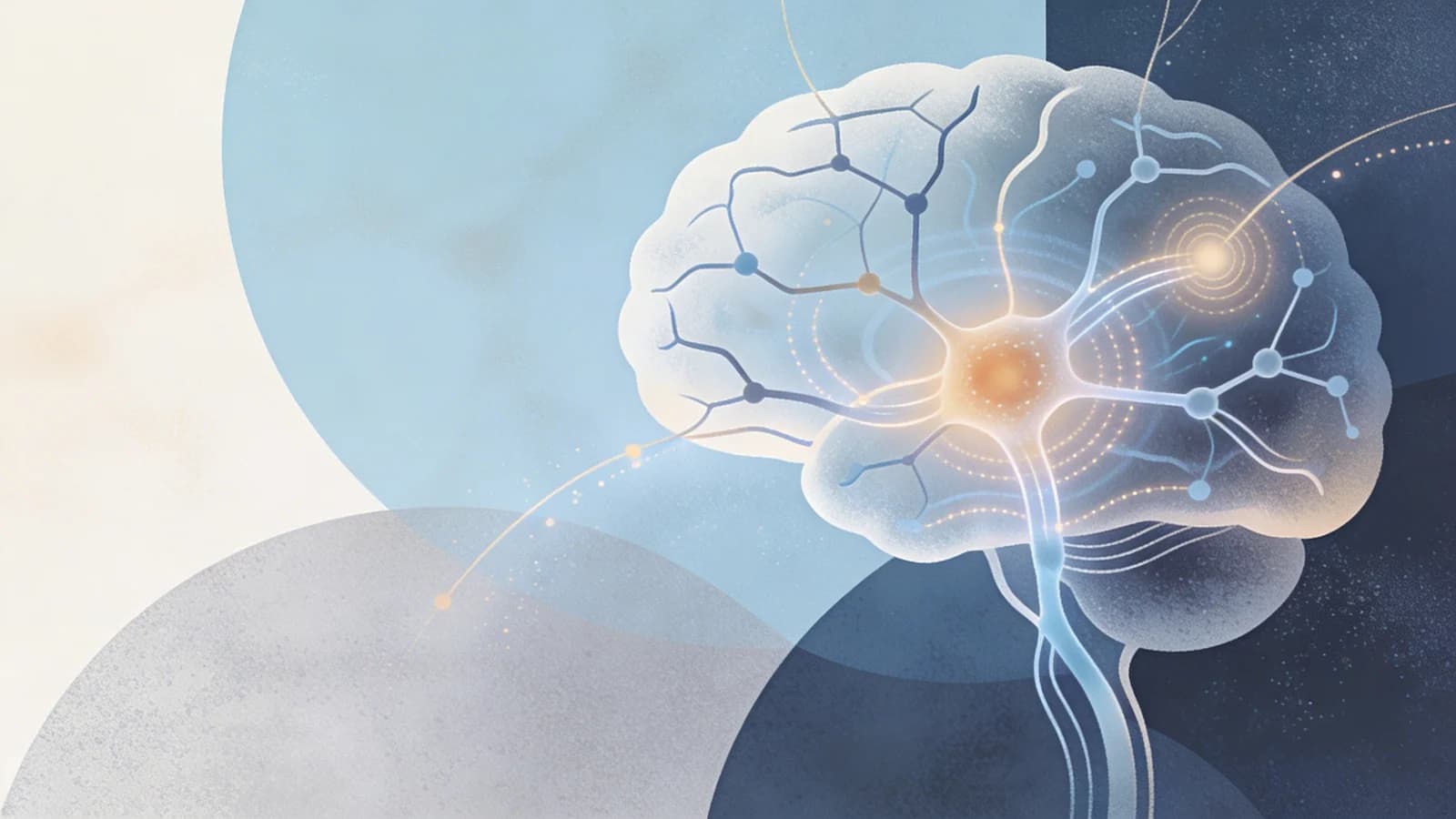
Psilocybin Shows Promise as Nerve Pain Treatment, Enhances Gabapentin Effectiveness
University of Reading study finds single psilocybin dose reduces neuropathic pain for weeks and makes standard painkillers work better.
May 23, 20265 min read

Evidence-based articles, treatment guides, and the latest news in addiction recovery and mental health.
University of Reading study finds single psilocybin dose reduces neuropathic pain for weeks and makes standard painkillers work better.

While overdose deaths fell 15% nationwide, Colorado and several Western states saw increases driven by fentanyl-methamphetamine combinations.

New real-world evidence shows extended-release buprenorphine significantly outperforms other medication-assisted treatments in preventing relapse and reducing healthcare costs.

Research published in the American Journal of Preventive Medicine reveals rising barriers to timely care for adolescents with cannabis use disorder, with younger teens and males most affected.

University of Cincinnati study demonstrates that embedding addiction treatment into primary care residency training expands patient access and boosts physician confidence in treating SUDs.
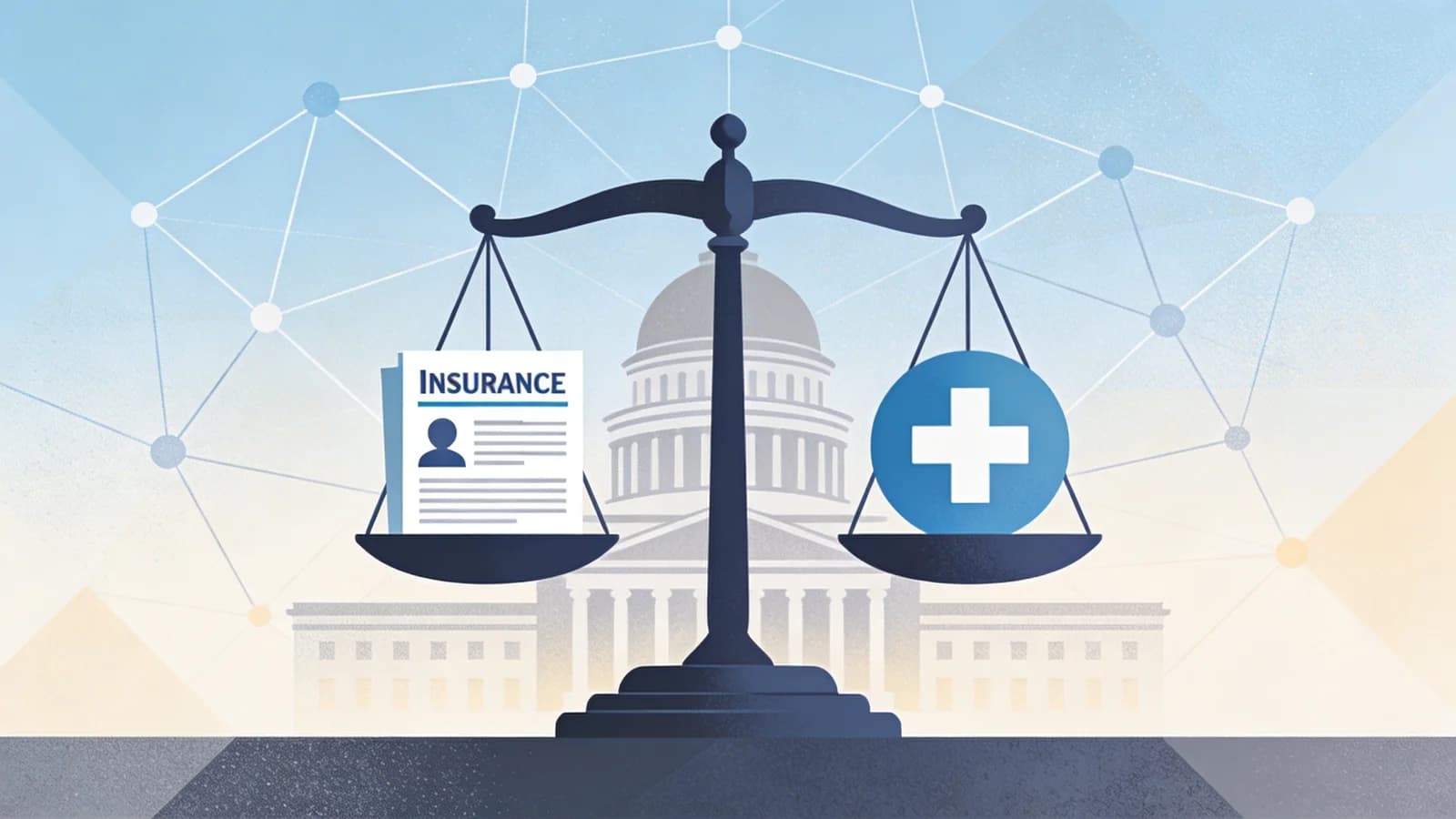
State insurance regulators find Aetna, Anthem, Cigna, ConnectiCare, and UnitedHealthcare systematically underpaid mental health providers and restricted access to care.
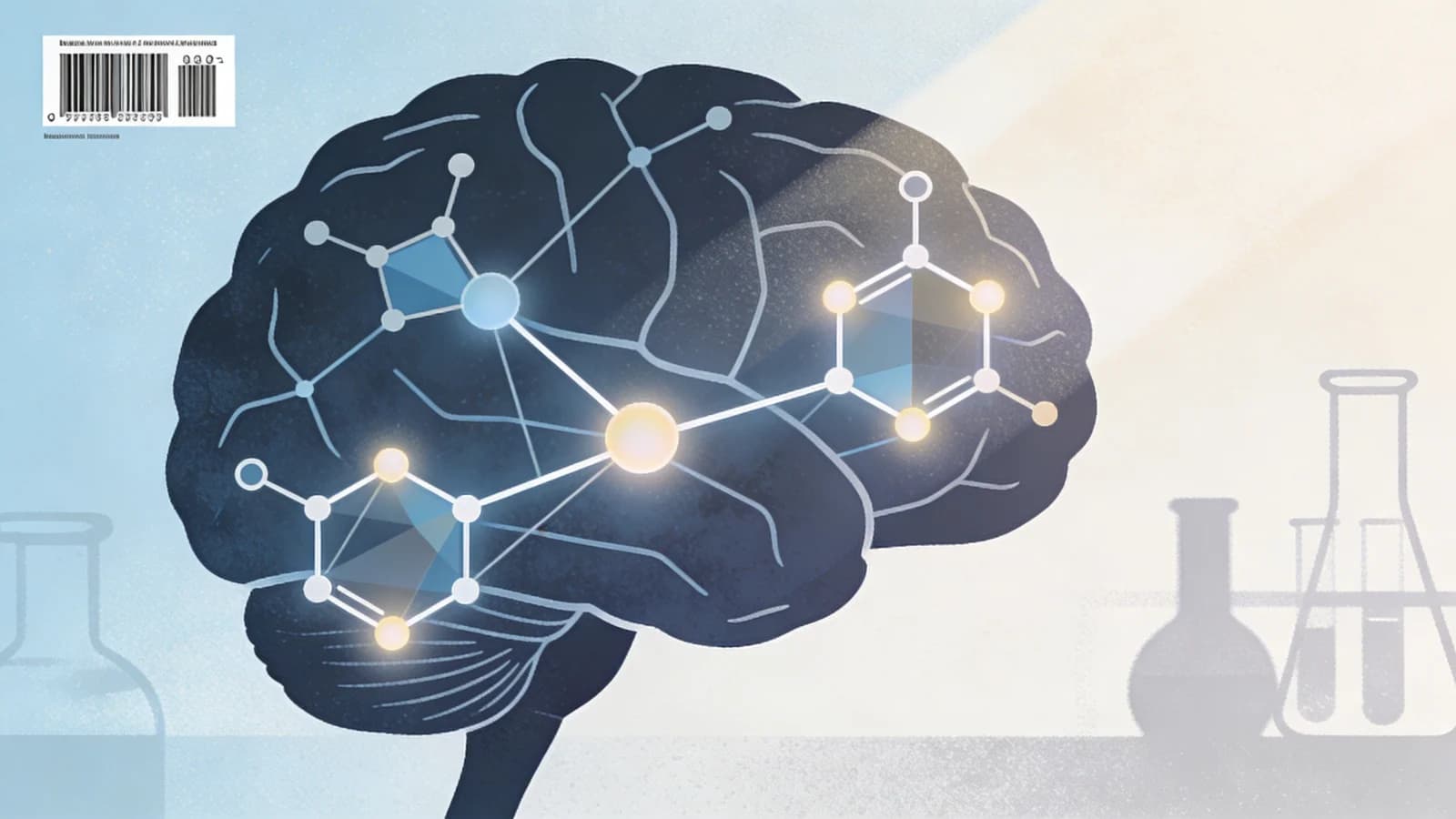
Researchers create a new class of compounds that activate serotonin receptors linked to brain healing without causing hallucinations, potentially opening addiction treatment to broader populations.

MSDH becomes one of few state health departments offering direct clinic-based SUD care, using technology to identify risk earlier and reduce barriers.
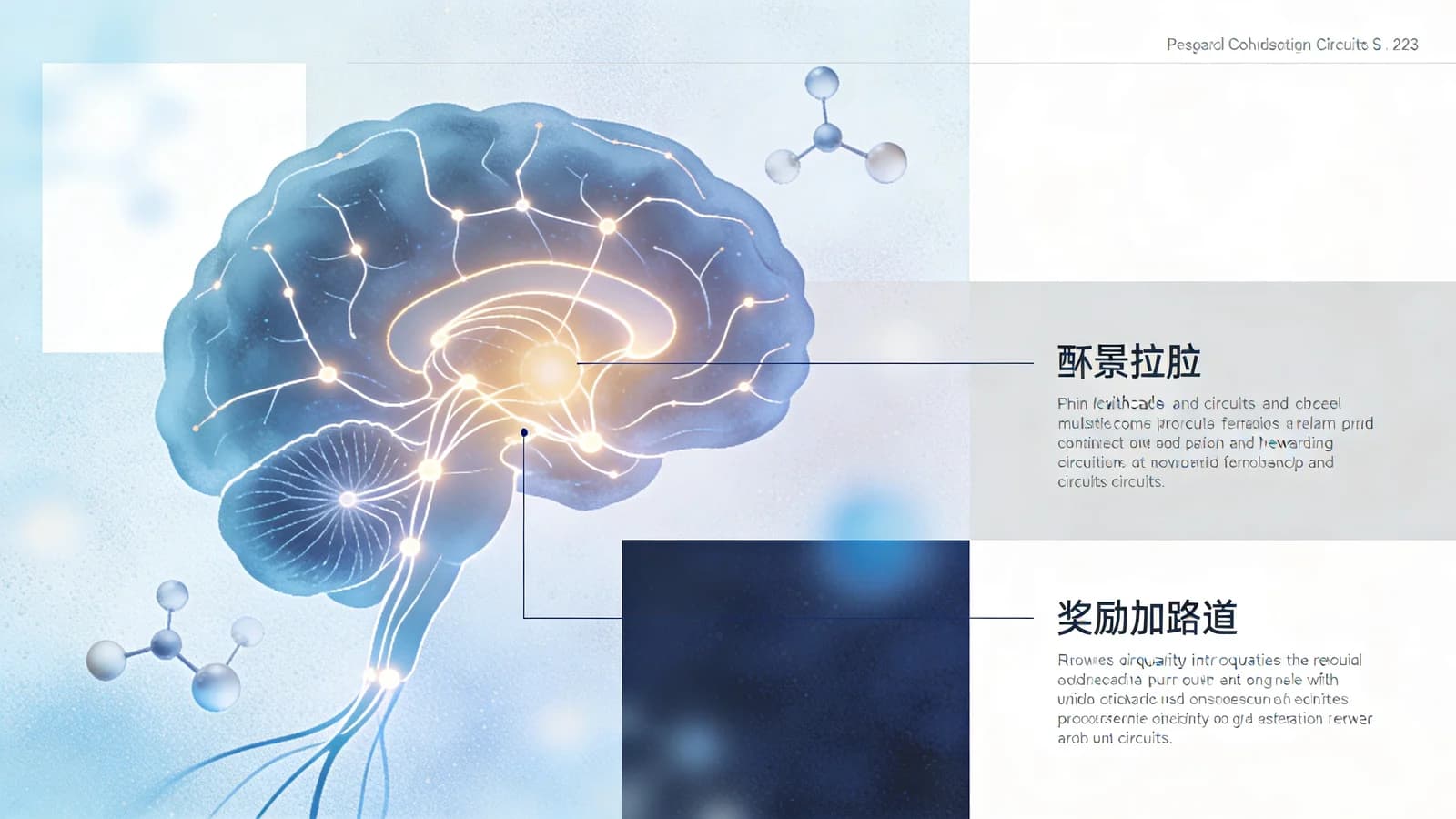
New NIH-funded research shows oral GLP-1 drugs like orforglipron reach the central amygdala, opening potential pathways for treating substance use disorders.