Why Quitting Alcohol May Actually Prime the Brain for Relapse
New research reveals that alcohol abstinence triggers changes in the BNST brain region, potentially increasing compulsive drinking urges before relapse occurs.
6 articles found
Browse Rainier Rehab's editorial coverage of Behavioral therapy. Our writers track federal and state policy, peer-reviewed research, treatment innovations, and frontline reporting from the addiction recovery field. Each article in this collection cites primary sources — government datasets (SAMHSA, NIH, CDC), Medicaid and Medicare bulletins, JAMA and Lancet studies, and on-the-record statements from clinicians, regulators, and people in recovery — so readers can verify claims and dig deeper.
We update this tag whenever new behavioral therapy reporting publishes. If you're a researcher, journalist, or family member trying to make sense of substance use disorder treatment, this is the working archive. For a directory of accredited treatment facilities, visit our facilities directory; to compare modalities, see our treatments overview and levels of care guide.

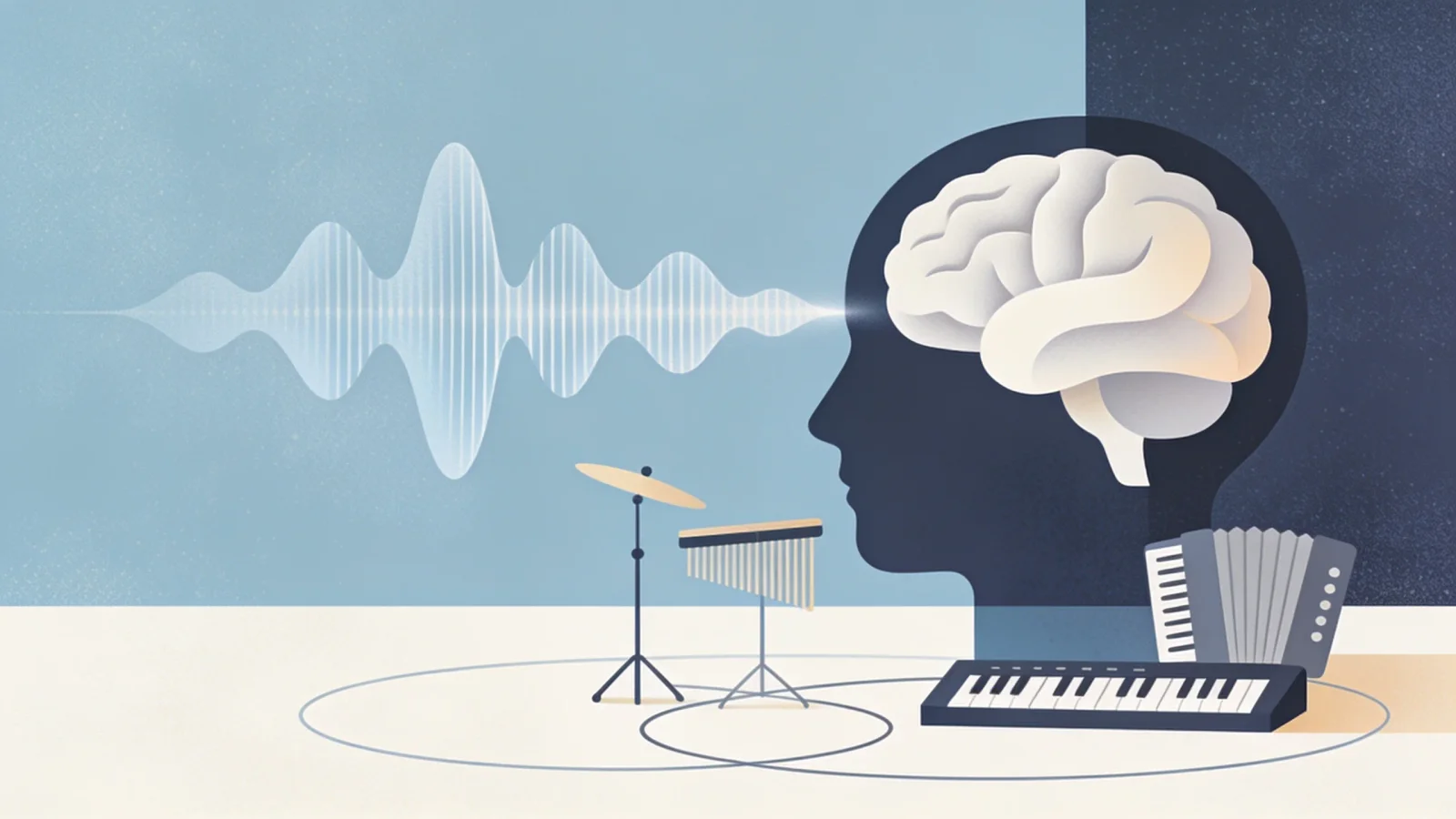
New research reveals that alcohol abstinence triggers changes in the BNST brain region, potentially increasing compulsive drinking urges before relapse occurs.

New systematic review finds controlled breathing techniques significantly reduce cravings across substance use disorders, offering accessible tool for recovery.

A University of Utah economic evaluation finds Mindfulness-Oriented Recovery Enhancement saves $324,000 per patient over a lifetime, outpacing standard addiction care.

A new Illinois law folds gambling disorder into the state's Substance Use Disorder Act, unlocking school education, screening, and suicide prevention programs.

Research finds semaglutide combined with cognitive behavioral therapy reduces alcohol cravings more than therapy alone, suggesting new approach to addiction treatment

New UCLA research finds that California adolescents using drugs or alcohol face triple the suicide risk, with nearly half experiencing serious psychological distress.