
Ten Studies Underpin High-Dose Naloxone and Nalmefene. Nine Were Run on Healthy Volunteers.
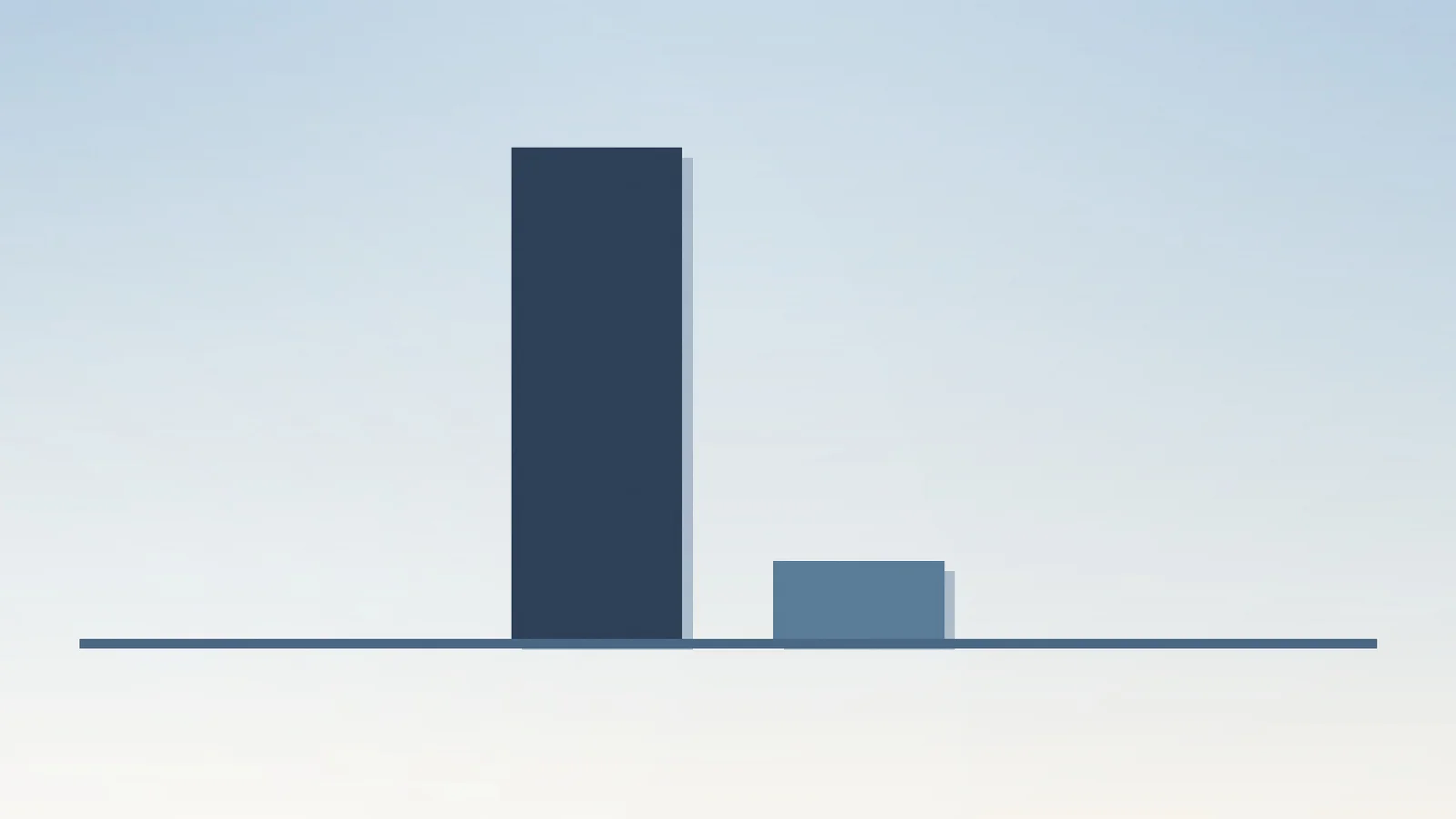
The clinical case for high-dose naloxone rests on ten studies, and nine of them were conducted in people who were not overdosing.
That is the central finding of a scoping review published in the Harm Reduction Journal and led by Brayden Kameg, which assembled the evidence behind two overdose-reversal strategies adopted as fentanyl displaced heroin: concentrated naloxone above 4 milligrams, and nalmefene, a longer-acting antagonist.
The review followed PRISMA-ScR guidelines and searched PubMed, Ovid Medline and APA PsycINFO in September 2025 for studies published since 2015 evaluating intramuscular or intranasal high-dose naloxone or nalmefene for overdose reversal. Intravenous formulations and preclinical work were excluded; two reviewers screened independently.
Ten studies cleared the bar. Five covered high-dose naloxone, five covered nalmefene. All ten were pharmacokinetic or pharmacodynamic investigations — studies of what the body does to a drug, not what the drug does to an overdose. Only one enrolled people who were actually overdosing.
What the Ten Studies Measured
For high-dose naloxone, the pattern was dose-proportional: higher doses produced correspondingly higher peak serum concentrations. Absorption rates, however, were comparable to standard doses, which means the concentrated products deliver more antagonist but not faster. In an emergency, where minutes separate a reversed overdose from hypoxic brain injury, that distinction matters most.
Nalmefene behaved differently. It had a longer terminal half-life than naloxone and produced faster restoration of respiratory drive, the return of breathing that reversal aims for.
Both agents were generally well tolerated, with no serious adverse events reported across the reviewed studies. The authors are explicit that this record comes from controlled settings with healthy participants, not chaotic field reversals involving fentanyl-contaminated supply and wildly different opioid tolerance.
The Distance Between a Blood Curve and a Fentanyl Overdose
The review's conclusion is a demand rather than a verdict: the evidence base is confined to controlled pharmacokinetic work with limited generalizability, and robust clinical outcome studies in community populations are urgently needed.
That is a narrower claim than it sounds, and it cuts both ways. Nothing in the review suggests high-dose naloxone or nalmefene fails to reverse overdoses. Emergency clinicians have watched standard doses come up short against fentanyl and reached for more; the products were approved and bought on that experience plus the pharmacology summarized here. The review's point is that no one has yet measured survival, reversal time or adverse events in a community comparison — so the field runs on mechanistic inference at the moment spending on overdose response has never been larger.
Two details sharpen the gap. Excluding intravenous naloxone removes the route most hospital and EMS protocols use, so the review speaks to the take-home products rather than the whole reversal toolkit. And peak serum concentration is a blood measurement; the receptors being competed for sit in the brainstem, so unchanged absorption speed is the more direct clue about time-to-effect.
For families who keep naloxone in a drawer, the practical reading is neither endorsement nor retreat. Standard-dose naloxone remains the intervention with the strongest evidence and widest availability, and anyone reversing an overdose should give it and call 911 rather than wait. The unresolved question is whether the premium-priced high-dose and nalmefene products bought by states and settlement-funded programs justify the price difference — on the current literature, nobody can answer that with data.
The same caution applies to the treatment side of the ledger. Reversal buys time; opioid addiction treatment is what changes the trajectory after the ambulance leaves, and it is the part of the system where the evidence base is deep rather than thin.
Sources
- Kameg B, Matthews E, Lindsay D, Manzour R. Opioid antagonists for overdose reversal in the era of synthetic opioids: a scoping review of high-dose naloxone and nalmefene. Harm Reduction Journal (2026)
- Scienmag — Scoping Review Finds Only Lab Evidence Behind High-Dose Naloxone and Nalmefene (Oct. 29, 2026)
Editorial Board
LADC, LCPC, CASAC
The Rainier Rehab editorial team consists of licensed addiction counselors, healthcare journalists, and recovery advocates dedicated to providing accurate, evidence-based information about substance abuse treatment and rehabilitation.
Related Articles
Orphines and Cychlorphine: The Next Wave of Synthetic Opioids Threatening to Reverse Overdose Declines
As overdose deaths finally begin to fall, a new class of ultra-potent synthetic opioids is emerging in the US drug supply, presenting unprecedented challenges for detection and treatment.

A Patch That Senses Fentanyl Through the Skin and Releases Its Own Antidote
Virginia Tech researchers built a battery-free microneedle patch that senses fentanyl under the skin and releases naloxone on its own — human use is four years out.
Fentanyl Vaccine Shows Promise in Early Trials, Could Block Drug Before It Reaches the Brain
Scripps Research develops vaccine candidate that generates antibodies to neutralize fentanyl, potentially helping people in recovery avoid relapse