
South Dakota's Specialty Courts Cost $8,137 per Graduate. A Year in Prison Costs $34,000.
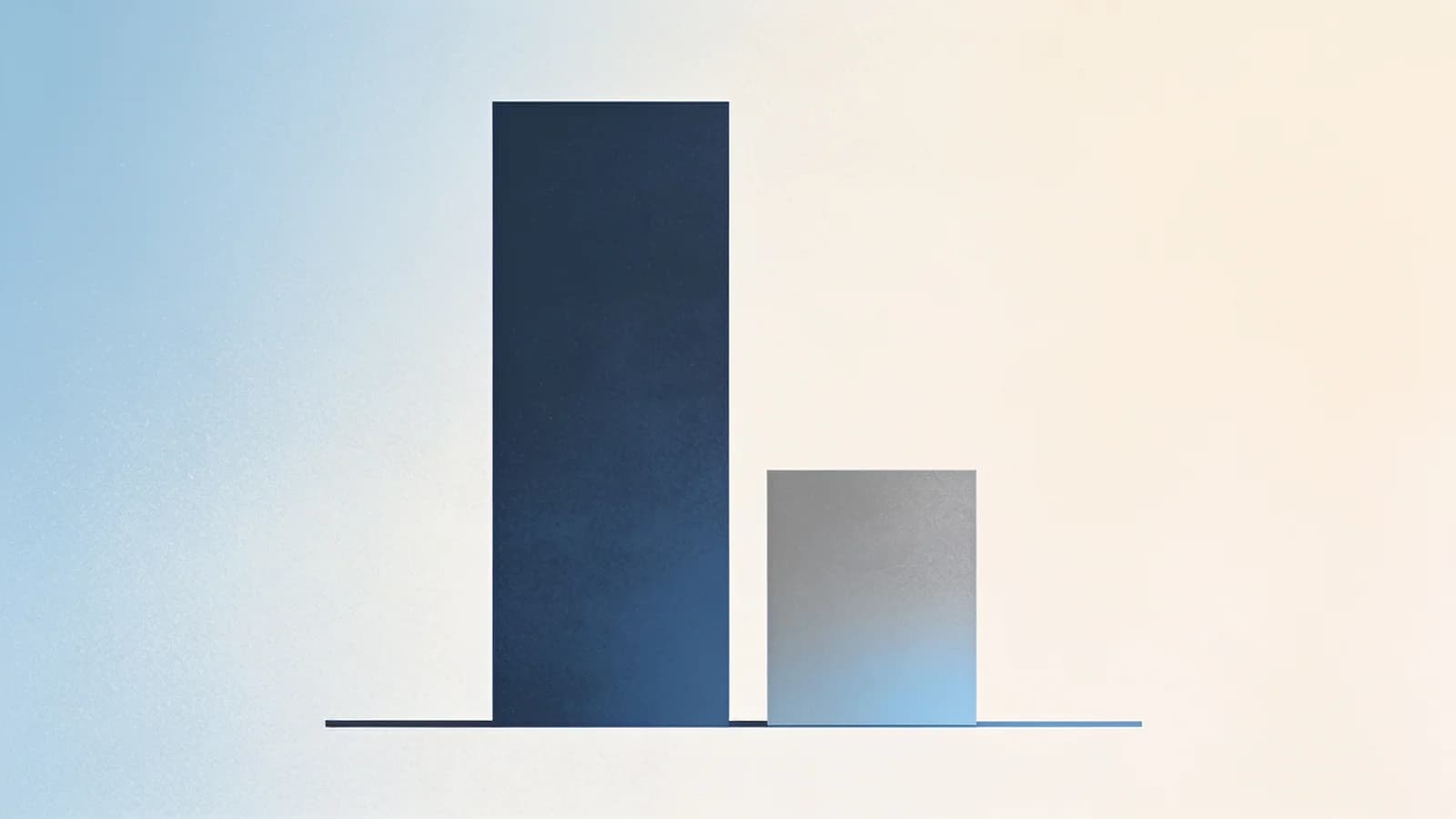
South Dakota's 17 specialty courts moved 167 people through to graduation in the fiscal year that ended June 30, at a cost of $8,137 per graduate. The state's average annual cost of a prison bed, cited in the same report, is $34,000.
The figures come from the South Dakota Treatment Courts Annual Report for fiscal year 2026, presented Tuesday to the state's Drug Court Advisory Council, a body of judges, prosecutors, defense lawyers and treatment providers that oversees the courts and recommends policy changes. Noreen Plumage, treatment court director for the Unified Judicial System, walked the council through the year: 707 participants across the system, down from 759 the previous year, but with new admissions rising — 304 people started treatment court during the year. Sixty percent of participants graduated, and 71 percent of graduates committed no new crime within five years.
The cost comparison drew the sharpest reaction in the meeting. "I think the data are very compelling, especially the cost contrast between drug court and incarceration," said Terry Dosch, a council member and director of the South Dakota Council of Mental Health Centers, who asked Plumage to make sure the report reaches "our legislative friends."
What a Specialty Court Actually Is
South Dakota's network covers drug courts, mental health courts and DUI courts. The structure is the same across all three: participants plead guilty to a felony up front and avoid prison by staying sober and completing a program that typically runs about 18 months. Weekly check-ins happen in a courtroom but function closer to group therapy with a judge at the head of the table — asking about jobs, families, treatment sessions and the ordinary stressors that precede a relapse. Judges issue sanctions for failed drug tests or quitting a job, and rewards for finishing outpatient treatment.
That design is why the cost line reads the way it does. A year of courtroom supervision, drug testing and outpatient treatment is cheaper than a year of incarceration, and the model sits inside the same continuum as the levels of care that outpatient and residential programs operate in — with the difference that failure here has a prison sentence attached.
Reading the Number Carefully
The headline cost is per graduate, not per participant, and that distinction is worth stating plainly. A 60 percent completion rate means 40 percent of the 707 people in the system last year left without finishing, and their time in the program consumed staff, testing and treatment resources too. Dividing total program cost only by the 167 who completed produces a number that flatters the comparison; the honest version divides by everyone served and then adds the prison costs for those who washed out.
Even with that correction, the gap is wide enough that the direction of the finding holds — $34,000 per prison year against a program whose per-graduate cost is roughly a quarter of it. What the report does not do is price the part that treatment court graduates tend to care about more: 71 percent of them avoided new crimes for five years, a figure that speaks to bed days not spent and to families not reliving the same arrest.
The report now goes to a legislature that funds both systems. The council's own framing, delivered in a virtual meeting with no public vote attached, was that the case is made and only needs an audience.
Sources
- Hult J. South Dakota specialty courts cost thousands less than incarceration, report says. South Dakota Searchlight (Oct. 20, 2026)
- South Dakota specialty courts cost thousands less than incarceration, report says. Argus Leader (Oct. 21, 2026)
- South Dakota Unified Judicial System, Treatment Courts program page
Editorial Board
LADC, LCPC, CASAC
The Rainier Rehab editorial team consists of licensed addiction counselors, healthcare journalists, and recovery advocates dedicated to providing accurate, evidence-based information about substance abuse treatment and rehabilitation.
Related Articles
Oklahoma Halved Recidivism by Diverting People to Treatment. Two-Thirds of Counties Can't Do It.
A nonprofit in Oklahoma City reports recidivism near 16 percent against a county rate of 27.45 percent. Rural counties, by comparison, have almost no diversion services at all.

One in Nine Older Adults Who Use Cannabis Meet Criteria for a Disorder. Nobody Is Screening Them.
A UC San Diego study of 21,189 adults over 65 finds 11.4% of past-year cannabis users meet criteria for cannabis use disorder. Clinicians rarely ask.
Washington Is Trading Housing First for Treatment First. The Evidence Runs the Other Way.
A 57-study review finds permanent housing without preconditions keeps people housed better than treatment-first models — arriving the same month the federal government moves to defund it.