
Two Mizzou Sophomores Are Handing Out 5,000 Free Naloxone Boxes on Campus
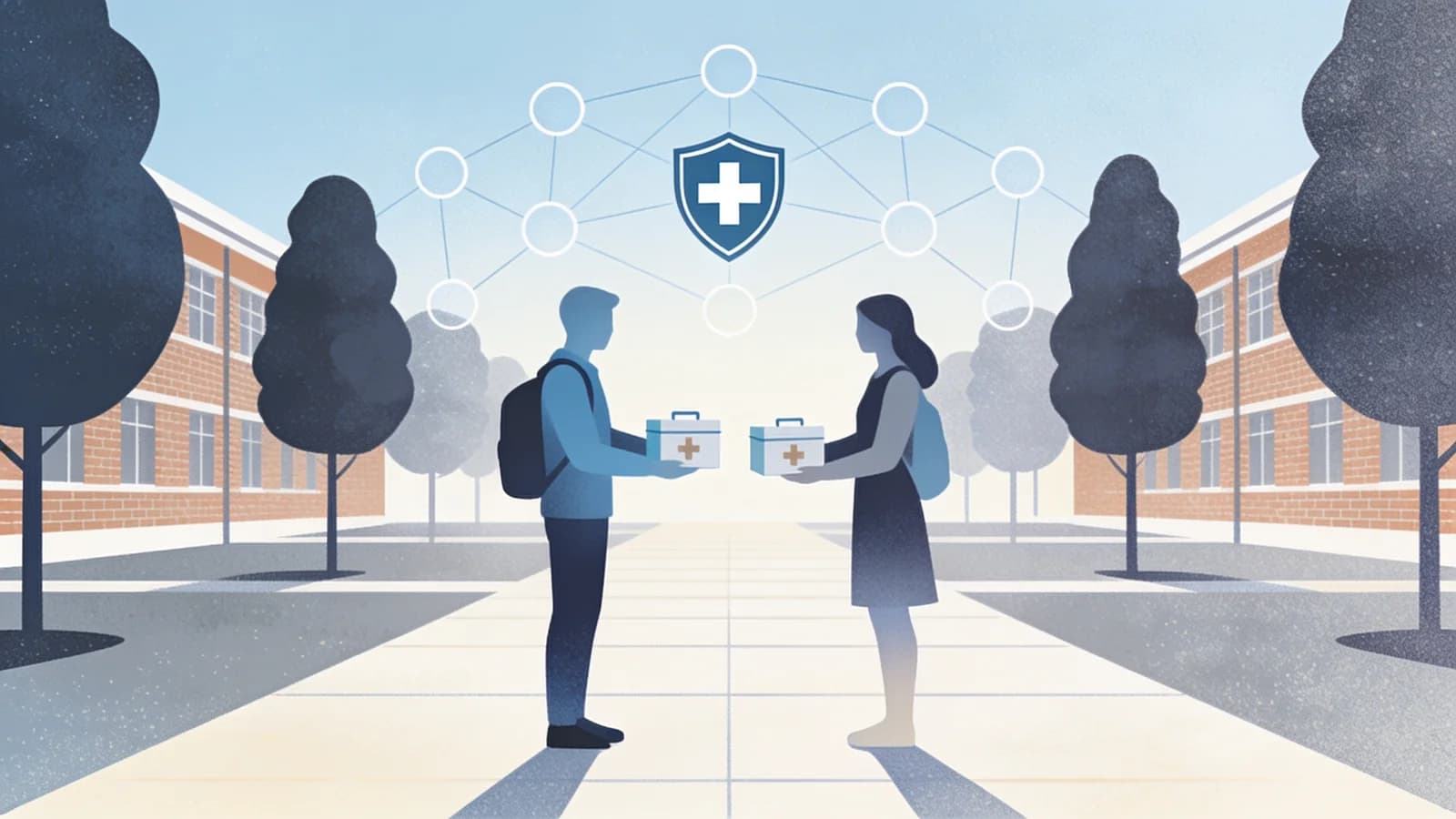
Students walking to class at the University of Missouri this week are being handed something most campuses never think to offer: a free box of naloxone, the nasal spray that reverses opioid overdoses. Two sophomores, Neer Patel and Grady Wright, plan to distribute 5,000 boxes directly into students' hands along campus walkways during National Hazing Prevention Week, September 21-25.
The effort runs through Atlas Health Equity Group, a student organization Patel and Wright founded to expand access to life-saving health resources. The distribution was funded entirely by the Addiction Science Team at the University of Missouri-St. Louis, with volunteers stationed along campus routes. Each box contains two doses of naloxone nasal spray, enough to reverse up to two opioid overdoses.
"They'll Keep It in Their Backpack"
The strategy is deliberately frictionless: meet students where they already are, and make carrying naloxone as normal as carrying a phone charger.
"A lot of students are afraid to use it. So we're trying to change that stigma," Patel told The Maneater, the university's student newspaper. "If we just give it to them where they're walking in class, they could grab it. They'll keep it in their backpack, they'll keep it in their car, which is a first step towards prevention."
For Wright, the work is personal. During his first semester he watched someone overdose in public while bystanders stood frozen, waiting for emergency responders. Years earlier, in middle school, a friend of his overdosed and was saved by naloxone. Wright now carries the medication on his keychain, and his Pi Kappa Alpha fraternity has thrown space and volunteers behind the drive.
"We just have an entire room at our fraternity house that is just filled with NARCAN," Wright said.
Counterfeit Pills Have Closed the Distance
The opioid crisis can feel remote from college life, but fentanyl has collapsed that distance. The synthetic opioid now appears in counterfeit pills sold as prescription medications, meaning a single pill taken at a party can be fatal for a student who never considered themselves at risk. Naloxone works by displacing opioids from receptors in the brain and restoring normal breathing, typically within two to three minutes — and it has no effect on someone who hasn't taken opioids, so there is little risk in administering it when an overdose is suspected.
The campus drive also lands at an uneasy moment for harm reduction in Missouri. State legislators have weighed cuts to naloxone programs amid federal funding constraints, even as overdose deaths involving opioids continue to claim lives across the state. Student-led distribution, funded by a university research team rather than state dollars, offers one way to keep the medication flowing while budgets are debated.
Naloxone prevents deaths, but it does not treat addiction itself. For students or families facing opioid use disorder, professional treatment — including medication-assisted treatment — remains the strongest long-term protection, with peer support groups available free in most college towns nationwide.
Sources
Editorial Board
LADC, LCPC, CASAC
The Rainier Rehab editorial team consists of licensed addiction counselors, healthcare journalists, and recovery advocates dedicated to providing accurate, evidence-based information about substance abuse treatment and rehabilitation.
Related Articles
After Five Overdoses on Sixth Street, Austin EMS Floods the Bar District With Narcan
Austin-Travis County EMS went door to door on Sixth Street handing out Narcan kits after five suspected opioid overdoses, two weeks before ACL Festival.
National Fentanyl Prevention and Awareness Day: Expert Insights on Combating the Crisis
On National Fentanyl Prevention and Awareness Day, experts emphasize education, harm reduction, and real-time detection tools as essential strategies.
Test Strips Helped Baltimore Survive a New Killer Adulterant. Now Federal Money Can't Buy Them.
A SAMHSA funding ban bars federal grants from paying for drug-checking strips given to the public, and Baltimore groups warn of rising overdoses.