
Drug & Alcohol Rehab Centers in Los Angeles, California
Los Angeles County is the most populous county in the United States, with over 10 million residents, and it faces a substance abuse crisis of corresponding magnitude. The Los Angeles County Department of Public Health reported more than 3,300 accidental drug overdose deaths in 2022, a figure that has risen sharply since 2019. Fentanyl-related fatalities have surged across the county, affecting communities from South LA to the San Fernando Valley. Opioid addiction, alcohol use disorder, and methamphetamine dependency are the most prevalent substance use disorders in the region.
LA County is also home to one of the most diverse treatment ecosystems in the nation. The California Department of Health Care Services (DHCS) licenses treatment facilities throughout the county, ranging from medical detox centers in downtown LA to residential treatment programs along the Malibu coastline. The county's Substance Abuse Prevention and Control (SAPC) division contracts with over 150 community-based organizations to provide publicly funded treatment to uninsured and underinsured residents.
Los Angeles has long been a destination for people seeking treatment for addiction, partly due to the warm climate and access to outdoor therapeutic activities. Medication-assisted treatment (MAT) is widely available, with hundreds of buprenorphine prescribers and dozens of narcotic treatment programs providing methadone. The county's Drug Medi-Cal Organized Delivery System (DMC-ODS) has expanded access to treatment for Medi-Cal beneficiaries, covering a full continuum of care from withdrawal management to outpatient services and recovery support.
Whether someone is dealing with heroin addiction, prescription drug misuse, cocaine use disorder, or benzodiazepine dependence, Los Angeles provides an extensive range of treatment settings, philosophies, and specializations. From evidence-based clinical models in medical settings to holistic approaches incorporating yoga, equine therapy, and mindfulness, the city's treatment community reflects its broader culture of diversity and innovation.
The Addiction Treatment Landscape in Los Angeles
Los Angeles County's treatment landscape is defined by both its scale and its stark disparities. SAMHSA's treatment locator lists over 900 facilities in the greater LA area, the highest concentration of any metro region in the country. However, access varies significantly by neighborhood. While affluent areas like Malibu, Beverly Hills, and Bel Air host luxury residential programs, communities in South Los Angeles, East LA, and parts of the San Fernando Valley often rely on underfunded public clinics for addiction care.
The LA County Department of Mental Health and SAPC work together to address co-occurring substance use and mental health disorders. The county's Whole Person Care initiative integrates behavioral health services with primary care and housing supports, recognizing that homelessness and addiction are deeply intertwined in Los Angeles. Skid Row in downtown LA remains a focal point for outreach and harm reduction services, with organizations like the Los Angeles Mission and Midnight Mission providing entry points to treatment.
California's Proposition 36 and subsequent legislative reforms have shifted the state's approach toward treatment over incarceration for nonviolent drug offenses. Los Angeles County's intensive outpatient programs (IOP) and drug court diversion programs serve thousands of individuals annually. Academic institutions like UCLA's Integrated Substance Abuse Programs (ISAP) contribute cutting-edge research and evidence-based treatment protocols that influence care delivery across the county.
Types of Addiction Treatment Available in Los Angeles
Los Angeles offers the full spectrum of addiction treatment levels of care. Medical detox facilities provide medically supervised withdrawal management for alcohol, opioids, benzodiazepines, and stimulants. Many detox programs in LA operate within hospital settings or licensed residential facilities, offering 24-hour nursing care and physician oversight. After stabilization, patients often transition to inpatient residential treatment lasting 30 to 90 days.
Partial hospitalization programs (PHP) provide structured daytime treatment, typically five to seven days per week, while allowing patients to live at home or in sober living residences. LA has one of the largest sober living communities in the country, with hundreds of recovery residences concentrated in areas like West Los Angeles, the San Fernando Valley, and Costa Mesa in nearby Orange County. Intensive outpatient programs (IOP) offer flexible scheduling, making them popular among working professionals and entertainment industry clients.
Treatment approaches in LA are notably diverse. Evidence-based therapies include cognitive-behavioral therapy (CBT), motivational interviewing, contingency management, and EMDR for trauma. Many programs also offer holistic therapies like equine-assisted therapy, surf therapy, adventure therapy, acupuncture, and meditation. Medication-assisted treatment with buprenorphine, naltrexone, and methadone is available at clinics throughout the county.
Insurance and Payment Options for LA Rehab
Addiction treatment facilities in Los Angeles accept a wide range of insurance plans. Under California law and the federal Mental Health Parity and Addiction Equity Act, health insurers must cover substance use disorder treatment at the same level as other medical conditions. This applies to employer-sponsored plans, ACA marketplace plans purchased through Covered California, and Medi-Cal managed care plans.
Medi-Cal, California's Medicaid program, provides extensive coverage for addiction treatment through the Drug Medi-Cal Organized Delivery System (DMC-ODS). Covered services include residential treatment, withdrawal management, outpatient counseling, intensive outpatient programs, narcotic treatment programs, and recovery support services. Los Angeles County is one of the largest DMC-ODS counties, with a broad network of contracted providers.
Private insurance carriers commonly accepted at LA treatment facilities include Blue Shield of California, Anthem Blue Cross, Aetna, Cigna, UnitedHealthcare, and Kaiser Permanente. Many high-end facilities also accept out-of-network benefits. For uninsured individuals, LA County SAPC funds treatment through community-based organizations at no cost to the patient. The county's Substance Abuse Service Helpline (1-844-804-7500) helps connect residents with publicly funded treatment options.
Local Addiction Resources in Los Angeles
Los Angeles County maintains a robust infrastructure of addiction support resources. The LA County Substance Abuse Service Helpline (1-844-804-7500) provides free referrals to treatment programs and support services during business hours. The SAMHSA National Helpline (1-800-662-4357) is available 24/7 for crisis support and treatment referrals. In emergencies, the LA County Department of Mental Health ACCESS Hotline (1-800-854-7771) provides round-the-clock crisis intervention.
The recovery community in Los Angeles is one of the most active in the country. Alcoholics Anonymous meetings take place hundreds of times daily across the county, coordinated through the LA Central Office. Narcotics Anonymous, Cocaine Anonymous (which was founded in LA), SMART Recovery, and LifeRing Secular Recovery all maintain active meeting schedules. The California state resource page provides additional information on statewide treatment programs and assistance.
Organizations such as the Los Angeles Centers for Alcohol and Drug Abuse (LA CADA), Tarzana Treatment Centers, and Prototypes serve as anchor institutions in the community treatment system. Harm reduction services, including syringe exchange programs and naloxone distribution, are available through organizations like the LA Community Health Project and APLA Health. The county also operates several sobering centers and bridge housing programs that connect people in crisis to longer-term treatment and housing support.
Want us to find the perfect facility for you?
Call now - it's completely free!
Showing 20 of 74 results



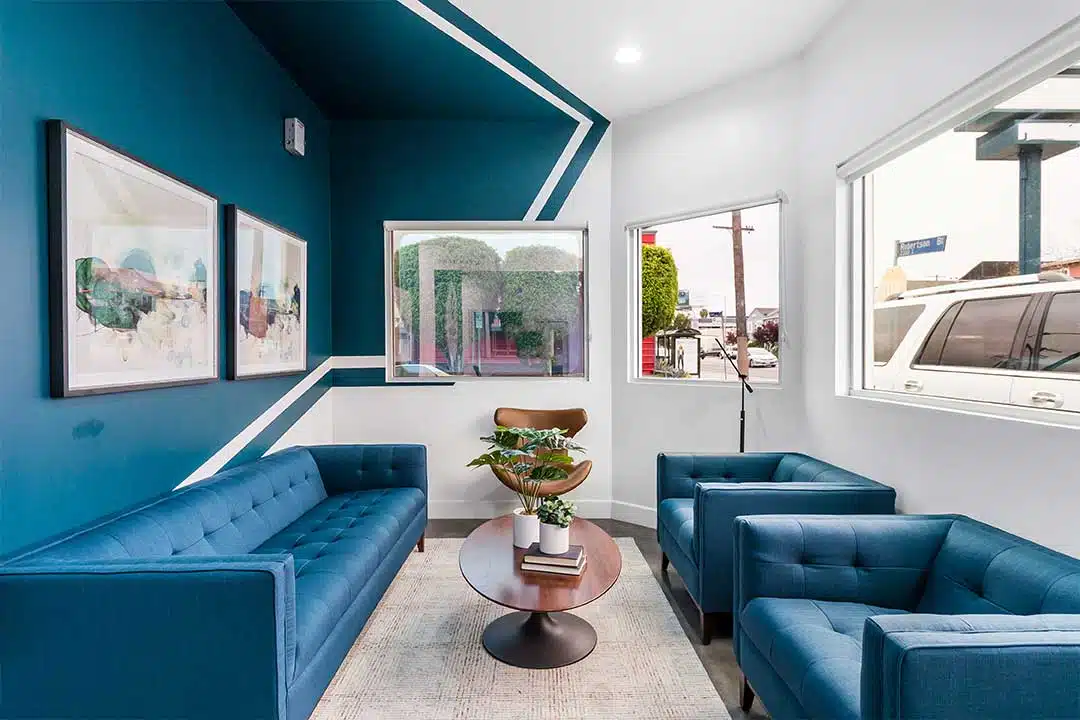
Los Angeles
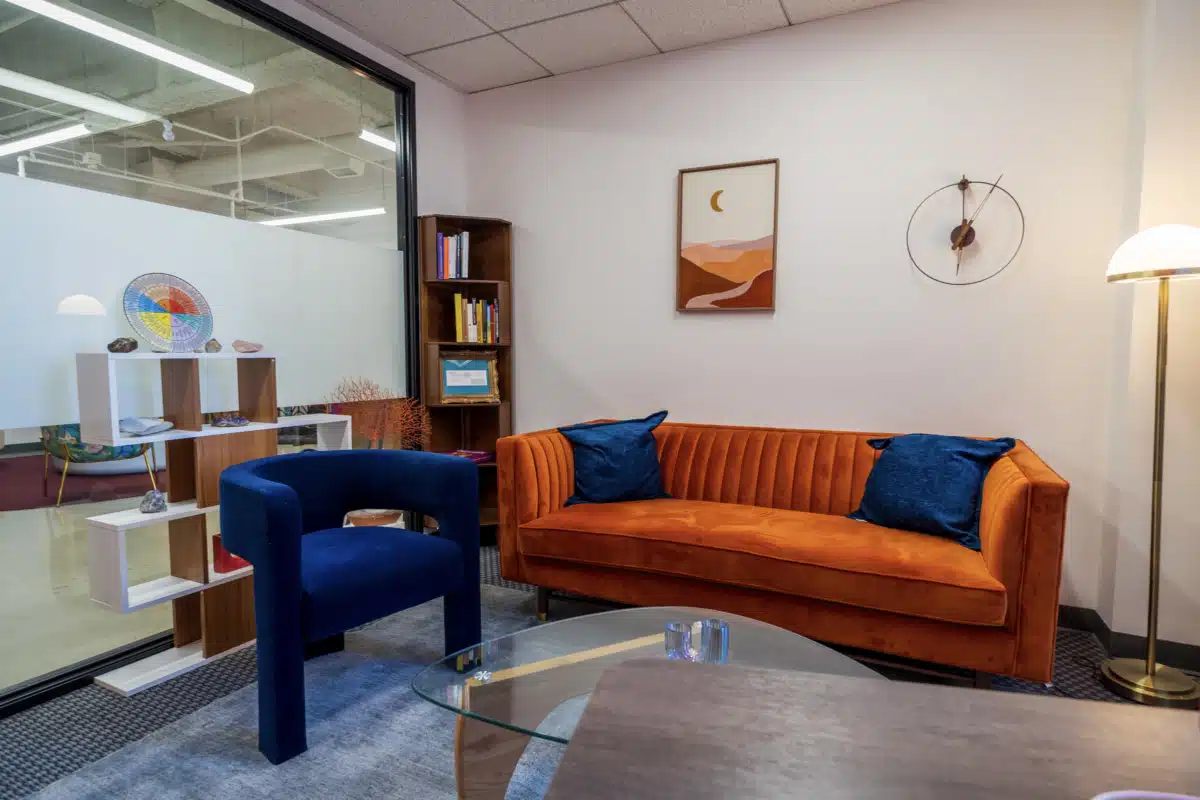

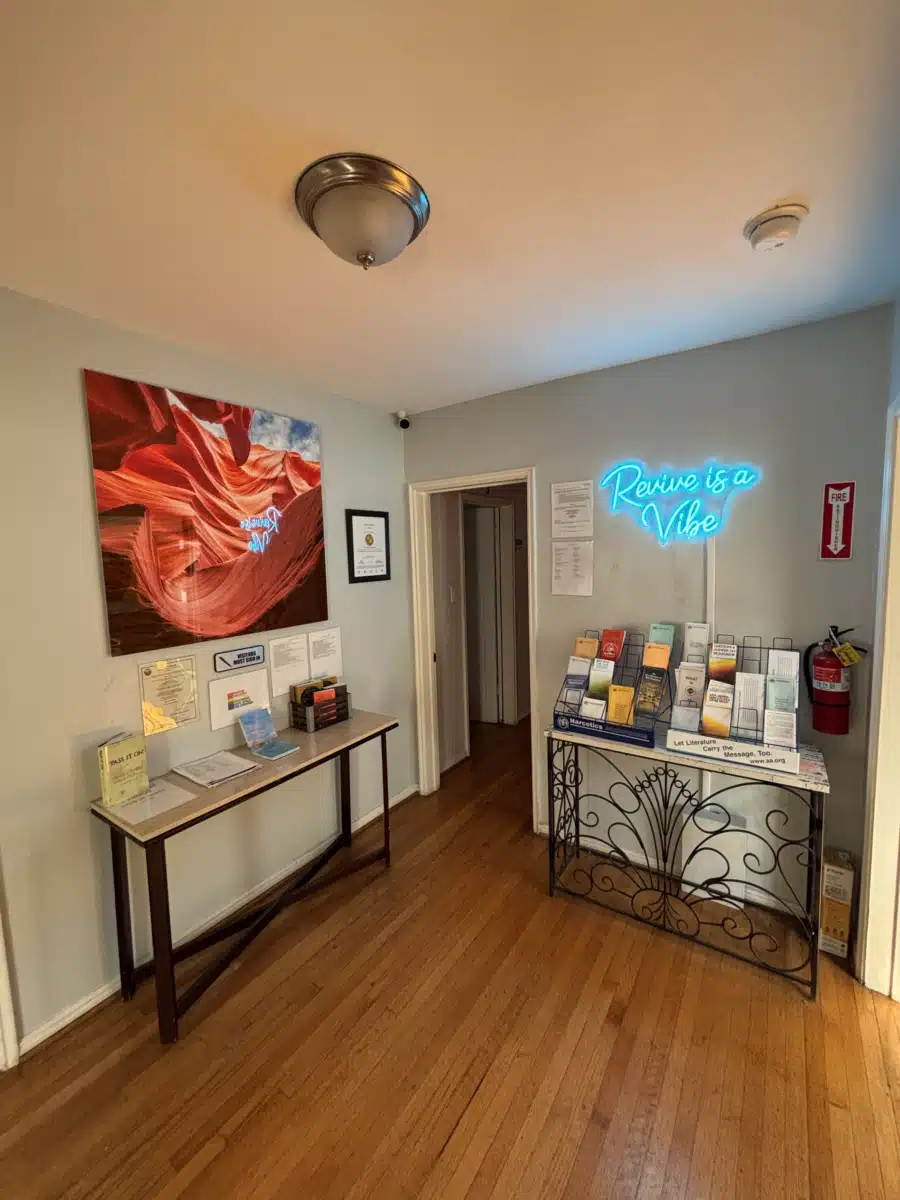
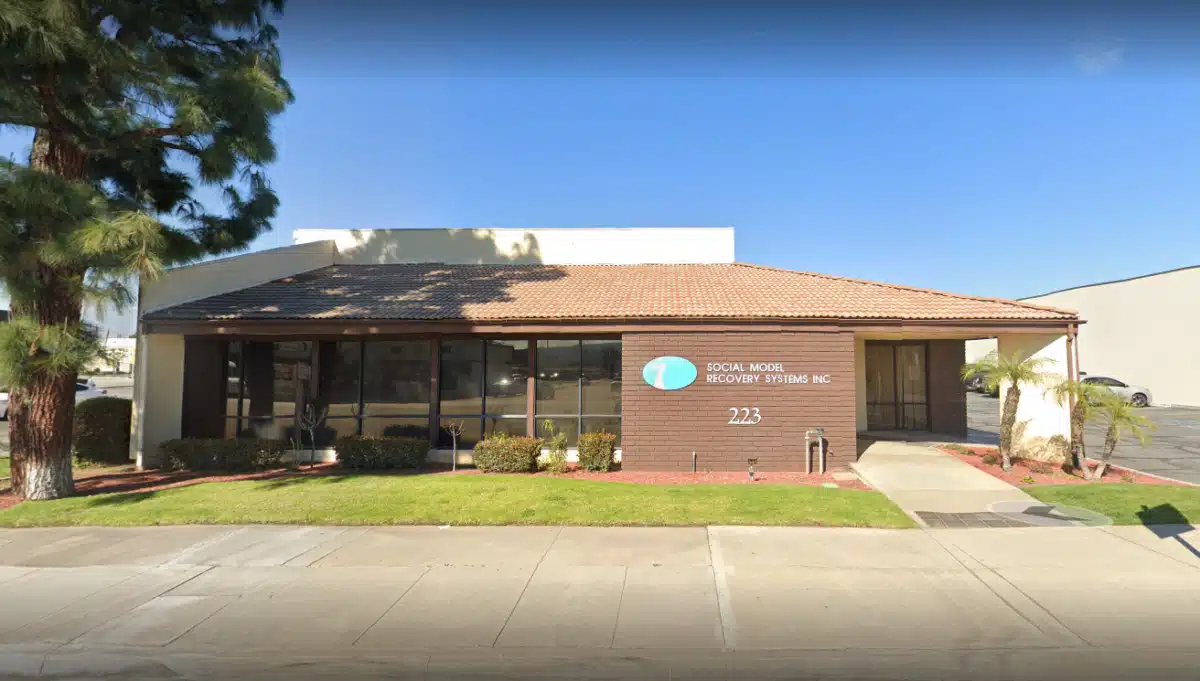
Royal Palms
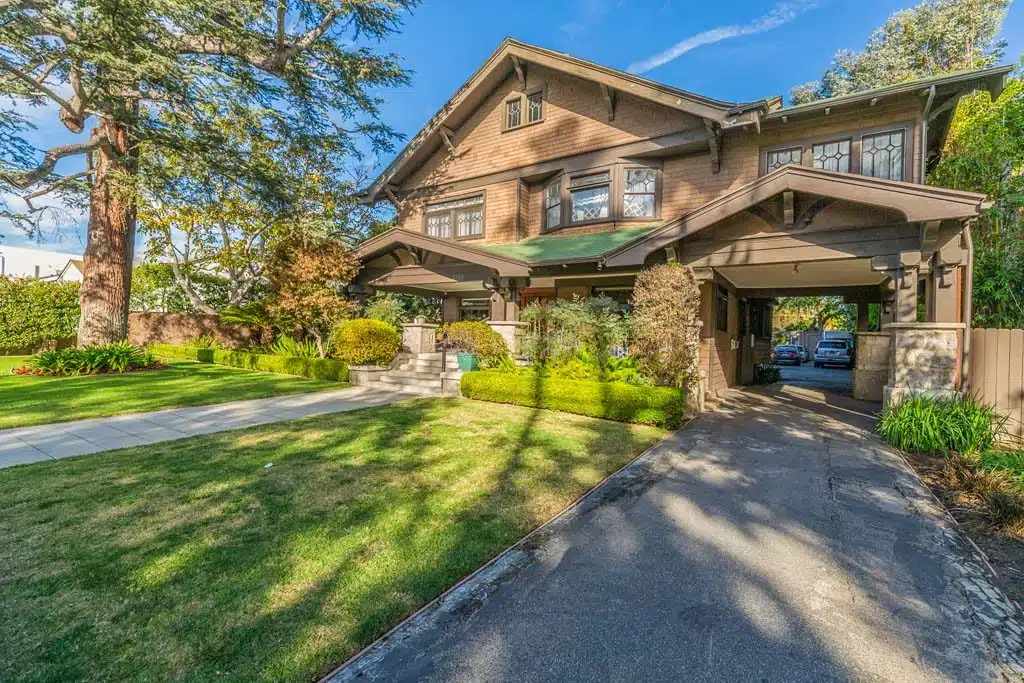
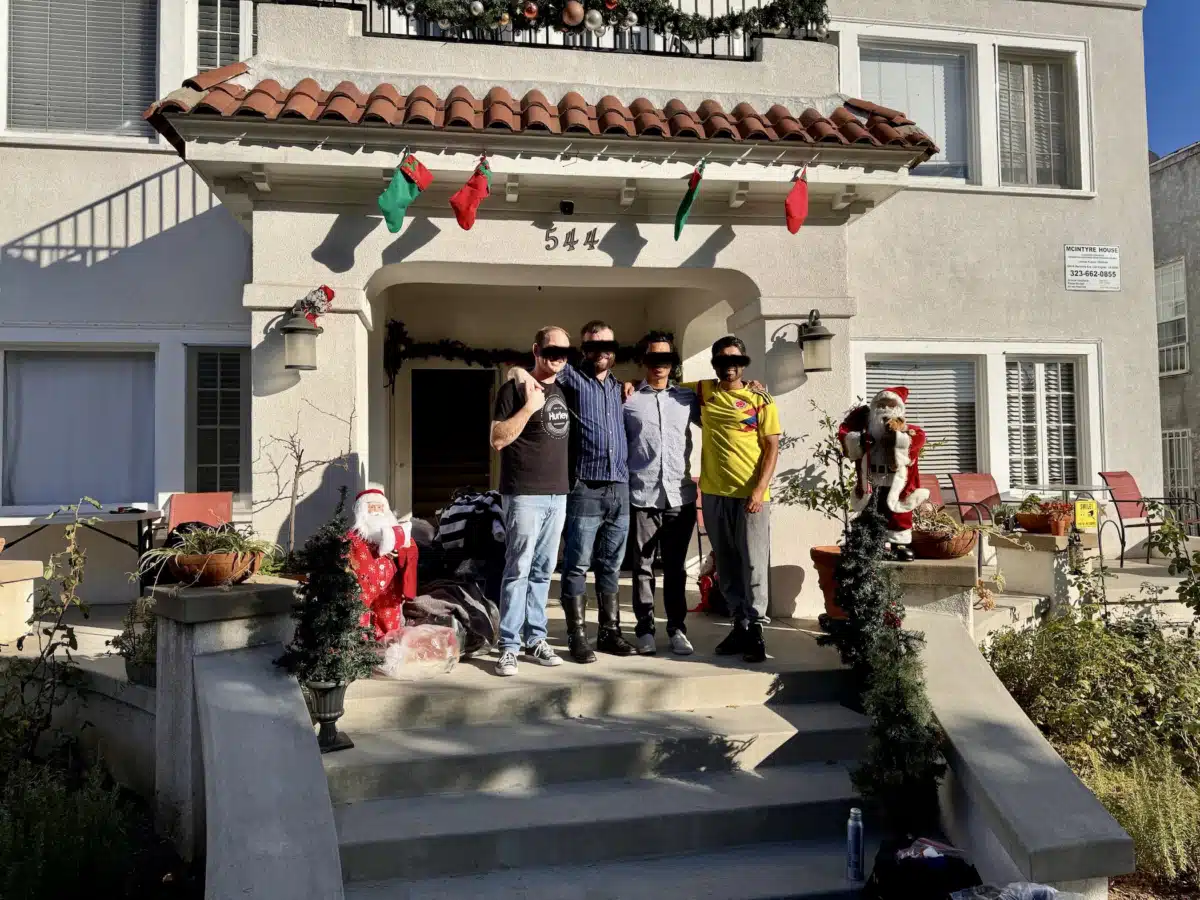
Los Angeles

Methadone Maintenance Treatment Prog


Castle Subst Abuse Prog/Residential
Castle Substance Abuse Prog/Outpt
Treatment Options in Los Angeles
Treatment Locations in Los Angeles
Treatment facilities span from beach communities like Santa Monica and Malibu to the Hollywood Hills, Downtown LA, and the San Fernando Valley, each offering distinct recovery environments.
More Treatment Centers in California
San Diego
39 centers
Long Beach
29 centers
San Francisco
27 centers
Fresno
22 centers
Sacramento
22 centers
Bakersfield
17 centers
View all 305 cities in California
Frequently Asked Questions About Treatment in Los Angeles
Sources
Medical Disclaimer
The information on this page is for educational purposes and is not a substitute for professional medical advice. If you or someone you know is experiencing a substance use crisis, call the SAMHSA National Helpline at 1-800-662-4357 (free, confidential, 24/7). For immediate danger, call 911 or the 988 Suicide & Crisis Lifeline by dialing 988.