
Drug & Alcohol Rehab Centers in San Diego, California
San Diego, California's second-largest city with a population exceeding 1.4 million, offers one of the most unique addiction treatment environments in the country. The city's year-round temperate climate, coastal setting, and strong military presence create a treatment landscape unlike any other. San Diego County reported over 800 accidental drug overdose deaths in 2023, with fentanyl involved in the majority of opioid-related fatalities — a trend that has prompted aggressive public health responses from county officials.
San Diego's addiction treatment network spans from exclusive La Jolla residential programs to community-based clinics in City Heights and National City. The city provides a full spectrum of care, including medical detox, inpatient residential treatment, intensive outpatient programs (IOP), and outpatient therapy. Many programs incorporate the outdoor lifestyle that defines San Diego — surf therapy, yoga on the beach, hiking in Torrey Pines, and other nature-based activities that support physical and emotional healing during recovery.
The presence of major military installations — including Naval Base San Diego, Marine Corps Air Station Miramar, and Camp Pendleton to the north — makes San Diego one of the nation's leading centers for military and veteran addiction treatment. The VA San Diego Healthcare System and numerous private facilities offer specialized programs for PTSD and co-occurring substance use disorders, military sexual trauma, and the unique challenges of transitioning service members. TRICARE-accepting facilities are abundant throughout the area.
Medication-assisted treatment (MAT) with buprenorphine, methadone, and naltrexone is widely available, and San Diego's treatment community emphasizes holistic wellness — integrating fitness, nutrition, mindfulness, and cognitive-behavioral therapy (CBT) into comprehensive recovery programs. The city's strong sober living network, particularly in Pacific Beach, Ocean Beach, and East County, provides structured transitional housing that supports long-term recovery.
The Addiction Treatment Landscape in San Diego
San Diego County's addiction treatment landscape is overseen by the County of San Diego Behavioral Health Services (BHS), which coordinates publicly funded substance use treatment, crisis services, and recovery support. The county's Alcohol and Drug Services division manages contracts with community-based treatment providers and ensures access to care for Medi-Cal beneficiaries and uninsured residents.
The opioid crisis in San Diego has evolved rapidly. While prescription opioid misuse was the initial driver, illicitly manufactured fentanyl now dominates the overdose landscape, often appearing in counterfeit pills sold as oxycodone or Xanax. Methamphetamine remains the most commonly seized drug in San Diego due to the city's proximity to the U.S.-Mexico border, and alcohol use disorder continues as the most prevalent condition across all treatment admissions.
San Diego participates in California's Drug Medi-Cal Organized Delivery System (DMC-ODS), providing expanded medication-assisted treatment, residential care, and outpatient services for Medi-Cal recipients. Major treatment providers include Scripps Health, UC San Diego Health, Sharp HealthCare, and community organizations like McAlister Institute and the San Diego Rescue Mission.
The region's research institutions — particularly UC San Diego's Department of Psychiatry and the Salk Institute — contribute to advances in addiction neuroscience and treatment development, bringing cutting-edge approaches to local clinical practice.
Types of Addiction Treatment Available in San Diego
San Diego provides every ASAM level of addiction care. Medical detoxification is available at Scripps, Sharp, and UC San Diego hospitals as well as standalone detox facilities, providing medically supervised withdrawal for opioids, alcohol, benzodiazepines, and other substances.
Residential inpatient programs range from luxury La Jolla facilities with ocean views to affordable community-based programs in East County and the Inland areas. Program lengths typically span 30 to 90 days. Partial hospitalization programs (PHP) and intensive outpatient programs (IOP) provide flexible clinical care for individuals who wish to maintain daily responsibilities.
Specialized tracks include military and veteran treatment addressing combat PTSD and substance use, surf and ocean-based therapy, dual diagnosis programs for co-occurring mental health conditions, holistic wellness programs integrating yoga and meditation, and Spanish-language services for the large Hispanic community. Family therapy and group counseling are standard components of most programs.
Sober living homes are particularly abundant in San Diego, with well-established communities in Pacific Beach, Ocean Beach, North Park, and East County. These structured environments support individuals transitioning from intensive treatment with peer accountability and recovery-focused living.
Insurance and Payment Options for San Diego Rehab
San Diego treatment facilities accept a wide range of insurance plans. Under the ACA, substance use disorder treatment is an essential health benefit, and California's parity laws ensure equal coverage for behavioral health services.
Medi-Cal — California's Medicaid program — provides comprehensive addiction treatment coverage through the Drug Medi-Cal Organized Delivery System (DMC-ODS). San Diego County's participation in DMC-ODS means Medi-Cal recipients can access detox, residential treatment, IOP, outpatient counseling, MAT, and recovery support services at participating providers throughout the county.
TRICARE — the military insurance program — covers substance use treatment for active-duty service members, retirees, and dependents, and is widely accepted across San Diego's treatment network given the large military population. Major commercial insurers accepted include Anthem Blue Cross, Blue Shield of California, Kaiser Permanente, Aetna, Cigna, and United Healthcare. Medicare covers addiction treatment for eligible individuals.
For uninsured residents, San Diego County Behavioral Health Services provides publicly funded treatment, and community organizations like McAlister Institute offer sliding-scale services. The county's Access and Crisis Line at (888) 724-7240 provides 24/7 referrals regardless of insurance status.
Local Addiction Recovery Resources in San Diego
San Diego County's Access and Crisis Line at (888) 724-7240 operates 24/7, providing crisis intervention, treatment referrals, and information about behavioral health services for all county residents regardless of insurance status or ability to pay.
The recovery community in San Diego is vibrant and active. San Diego Area Intergroup coordinates hundreds of weekly AA meetings, and NA, SMART Recovery, and Celebrate Recovery provide additional peer support options. The city's sober community hosts regular social events, beach outings, and athletic activities that reinforce recovery lifestyles.
SAMHSA's National Helpline (1-800-662-4357) provides free, confidential referrals 24/7. San Diego County distributes free naloxone through pharmacies and community organizations as part of its overdose prevention initiative.
For statewide information, visit our California addiction treatment guide, which provides facility listings and details on Medi-Cal substance use benefits.
Want us to find the perfect facility for you?
Call now - it's completely free!
Showing 20 of 39 results
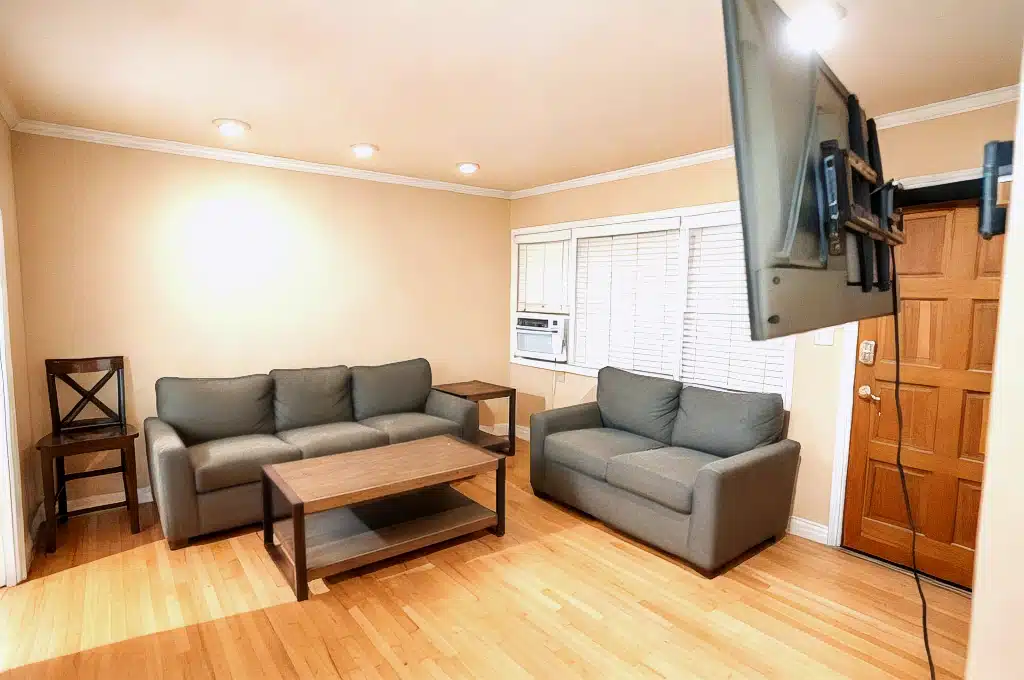
Soledad House
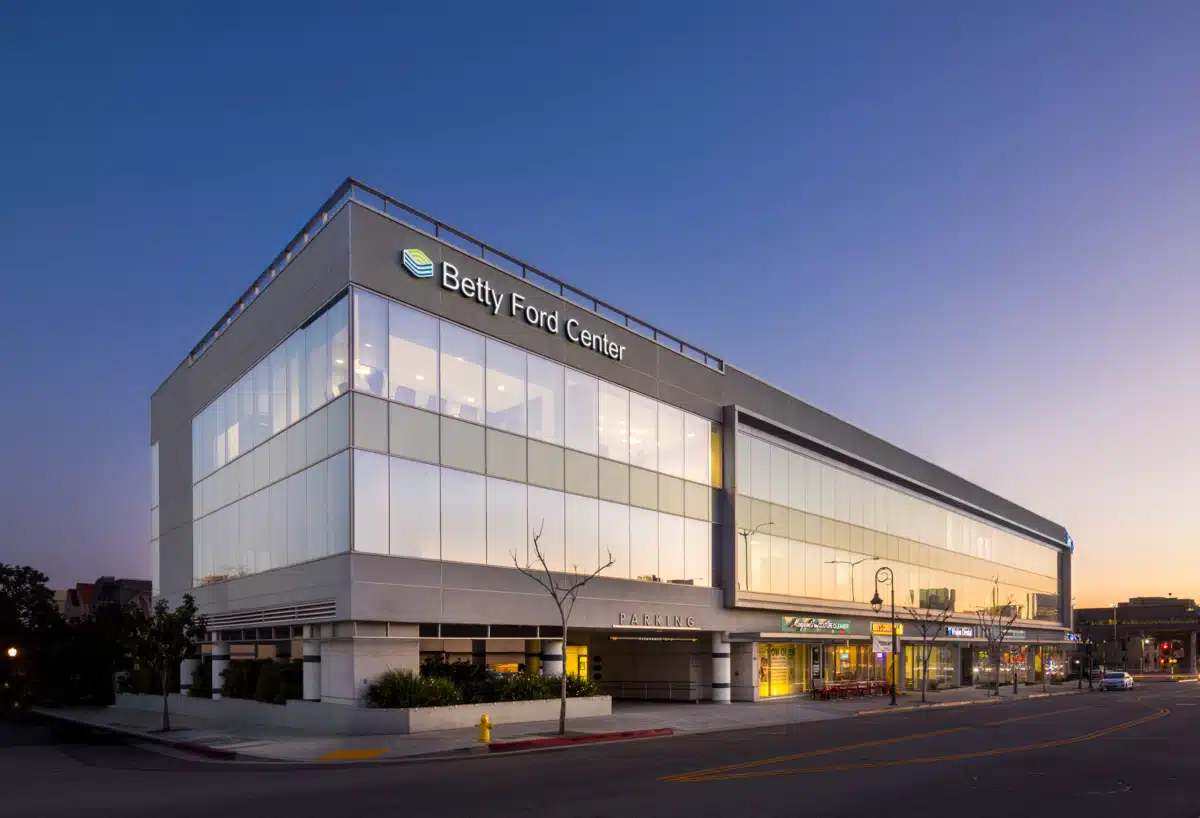
Hazelden Betty Ford Foundation

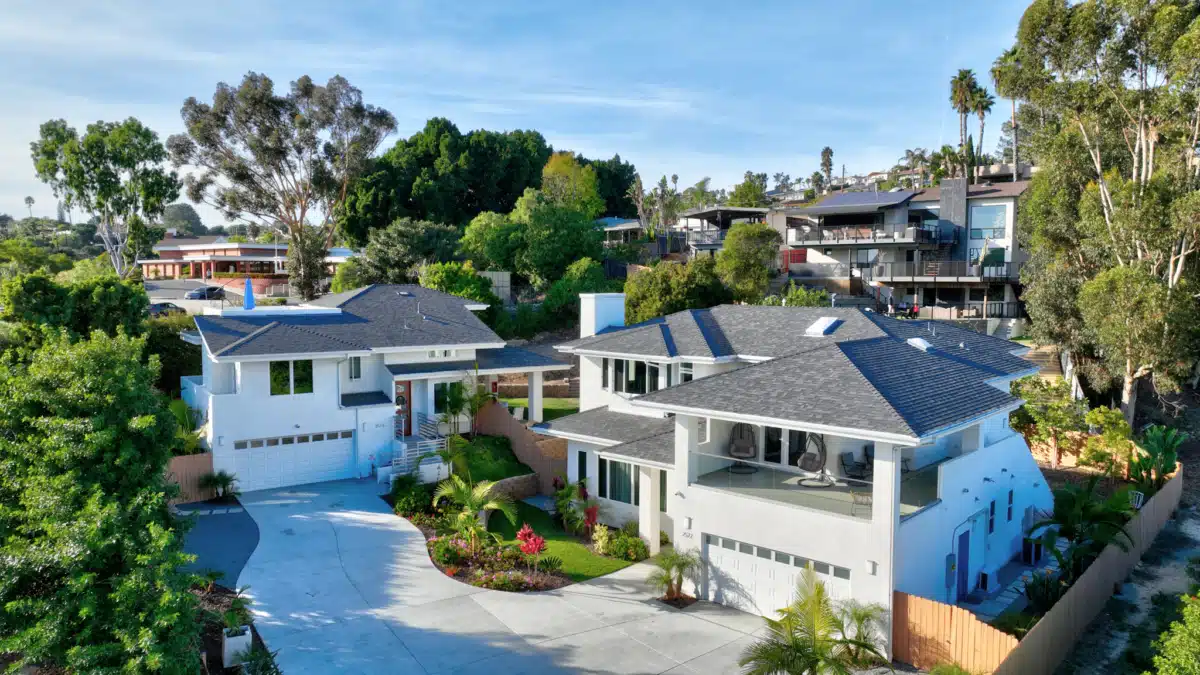
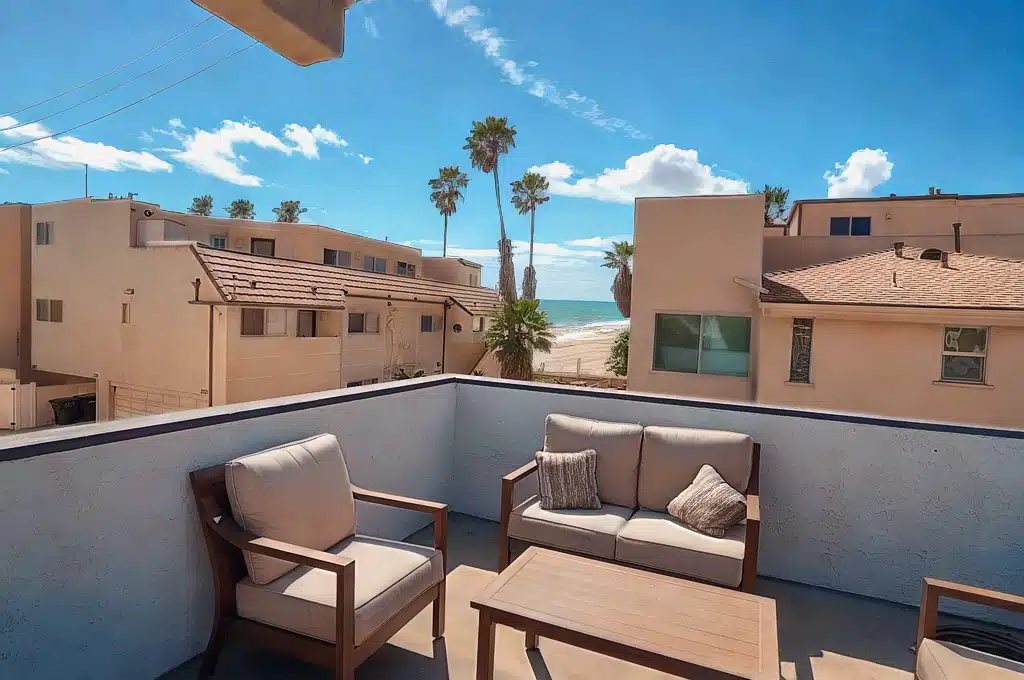
Detoxification/Residential

Signs of Life

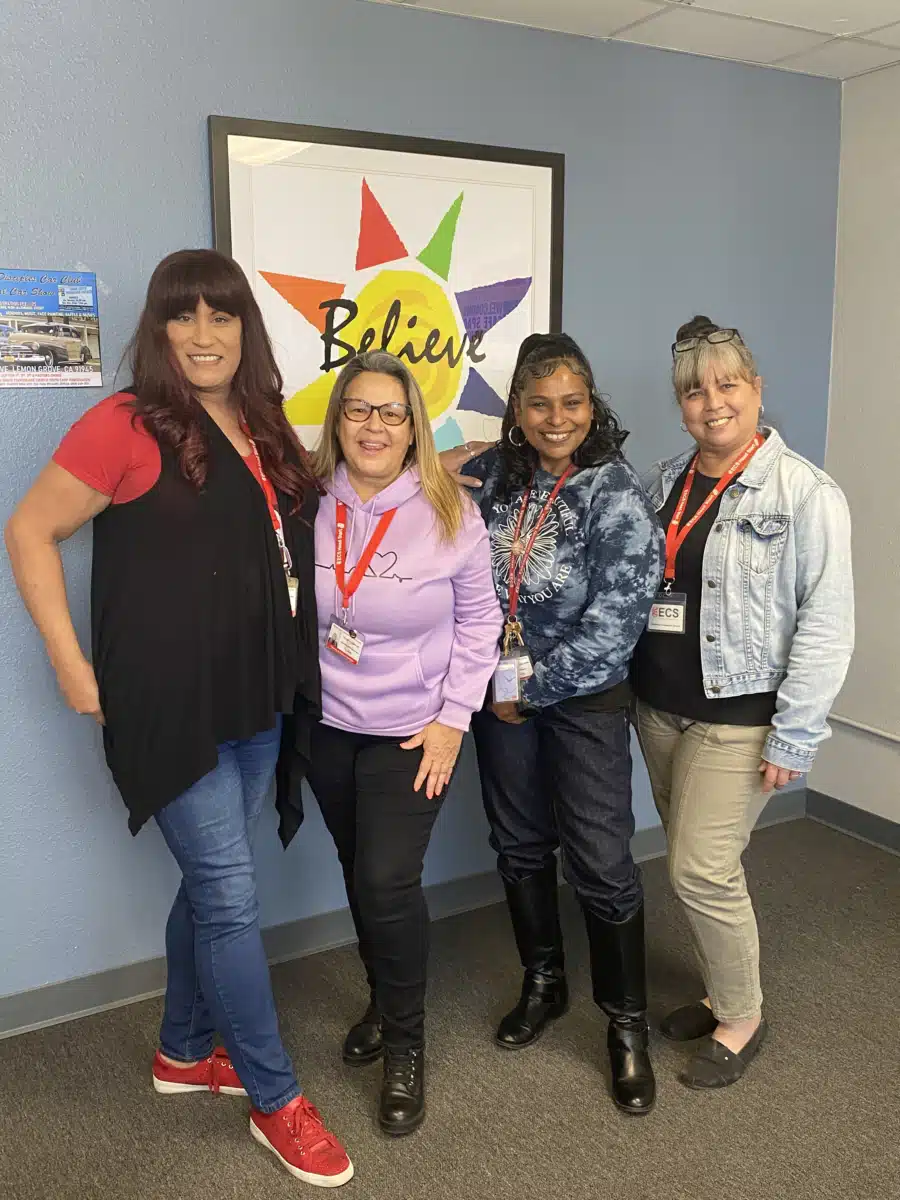
ECS Central Regional Recovery Ctr
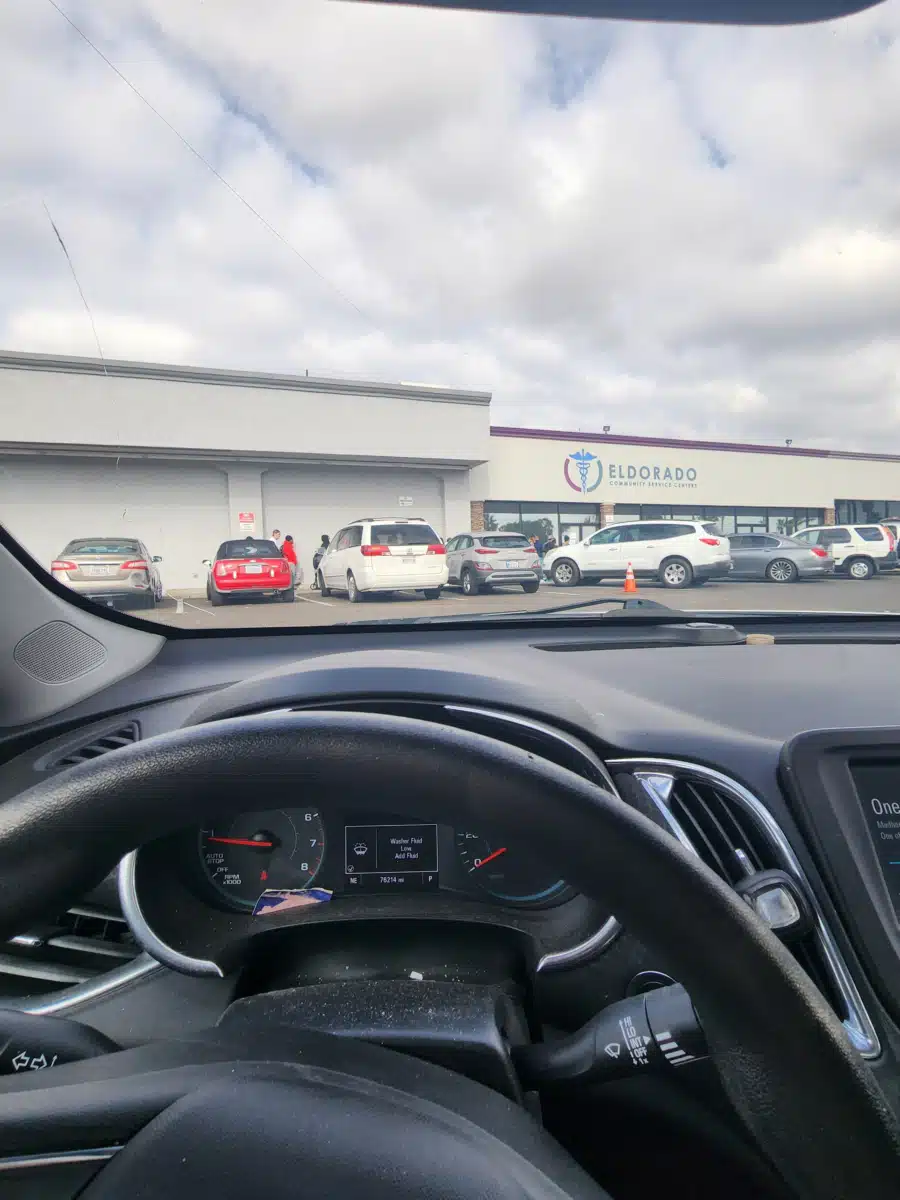

Solutions for Recovery
Short Term I
Golden Hill House II
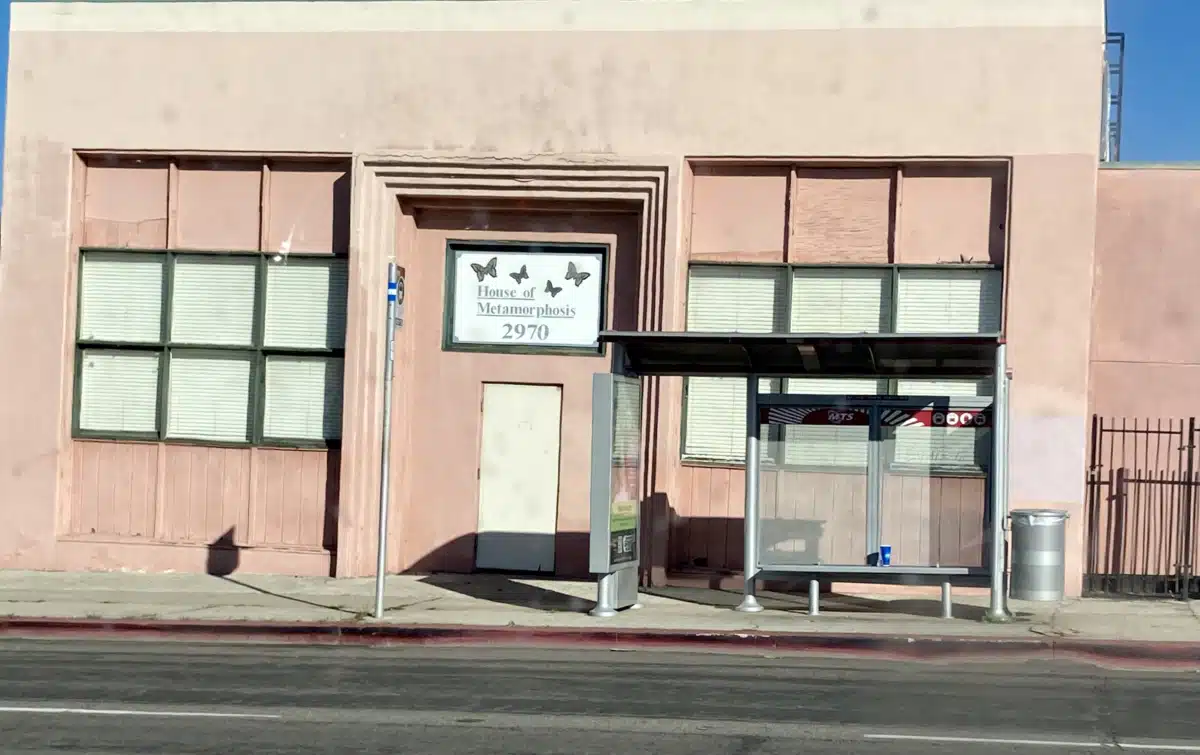
Casa de Milagros
Action Central
North Central Teen Recovery Center
North Inland Teen Recovery Ctr Poway
Treatment Options in San Diego
Treatment Locations in San Diego
Treatment options range from exclusive La Jolla facilities to community programs in central San Diego, East County residential centers, and beach communities like Pacific Beach and Ocean Beach.
More Treatment Centers in California
Los Angeles
74 centers
Long Beach
29 centers
San Francisco
27 centers
Fresno
22 centers
Sacramento
22 centers
Bakersfield
17 centers
View all 305 cities in California
Frequently Asked Questions About Treatment in San Diego
Sources
Medical Disclaimer
The information on this page is for educational purposes and is not a substitute for professional medical advice. If you or someone you know is experiencing a substance use crisis, call the SAMHSA National Helpline at 1-800-662-4357 (free, confidential, 24/7). For immediate danger, call 911 or the 988 Suicide & Crisis Lifeline by dialing 988.