
Drug & Alcohol Rehab Centers in San Francisco, California
San Francisco, California, is a city of approximately 870,000 residents known worldwide for its progressive values, technological innovation, and cultural diversity. However, the city also faces severe substance use challenges that have drawn national attention. The San Francisco Department of Public Health reports that the city experienced over 800 accidental drug overdose deaths in 2023, surpassing COVID-19 deaths for the third consecutive year. Fentanyl has become the leading cause of overdose death, particularly in neighborhoods like the Tenderloin and South of Market (SoMA). Opioid addiction, methamphetamine misuse, and alcohol use disorder are the most prevalent substance use disorders treated in the city.
San Francisco has long been a national leader in harm reduction and innovative approaches to addiction treatment. The city was among the first in the United States to adopt syringe service programs, naloxone distribution, and medication-assisted treatment (MAT) on a broad scale. The San Francisco Department of Public Health's Behavioral Health Services division operates a comprehensive system of care that includes publicly funded treatment programs, crisis intervention teams, and street-based outreach services. UCSF (University of California, San Francisco) is a global leader in addiction medicine research and clinical training, operating programs that advance evidence-based treatment approaches.
The city's LGBTQ+ community, one of the largest and most established in the world, has shaped the development of affirming treatment programs that address the unique substance use patterns and psychosocial factors affecting queer and transgender individuals. The intersection of the tech industry with San Francisco's culture has also created demand for professional treatment programs that offer privacy, flexibility, and specialized support for individuals in high-pressure careers. Medical detox facilities, residential programs, and outpatient clinics operate throughout the city.
Whether someone is seeking help for heroin addiction, prescription drug dependence, cocaine misuse, or benzodiazepine use disorder, San Francisco provides some of the most progressive and comprehensive treatment options in the country. The city's commitment to treating addiction as a public health issue rather than a criminal one continues to shape policy and expand access to care.
The Addiction Treatment Landscape in San Francisco
San Francisco's addiction treatment landscape is shaped by the city's public health approach to substance use and the severity of its overdose crisis. SAMHSA's treatment locator lists approximately 150 treatment facilities in the San Francisco-Oakland-Hayward metropolitan area, with a high density of services concentrated within San Francisco proper. The San Francisco Department of Public Health's Behavioral Health Services (BHS) division administers the city's publicly funded substance use treatment system, coordinating intake, placement, and monitoring through its treatment access programs.
The city's overdose crisis is concentrated in the Tenderloin, SoMA, and parts of the Mission District, where open-air drug markets and high concentrations of unhoused individuals create acute challenges. San Francisco has responded with one of the nation's most comprehensive harm reduction strategies, including widespread naloxone distribution, fentanyl test strips, the Drug Overdose Prevention and Education (DOPE) Project, and street-based outreach teams. The city's dual-diagnosis treatment capacity has expanded significantly as providers recognize the high prevalence of co-occurring mental health conditions among individuals with substance use disorders.
Major treatment providers include the San Francisco VA Medical Center's addiction services, UCSF's Substance Abuse Treatment Programs, Jelani House, Salvation Army Harbor Light Center, HealthRIGHT 360, and Baker Places. Private treatment centers offer specialized programming including LGBTQ+-affirming care, intensive outpatient programs, tech industry-focused professional treatment, and luxury residential options. The San Francisco Treatment on Demand initiative aims to ensure that individuals seeking treatment can access services within 24 hours of requesting help.
Types of Addiction Treatment Available in San Francisco
San Francisco provides an extensive continuum of addiction treatment services. Medical detoxification is available at San Francisco General Hospital (Zuckerberg San Francisco General), standalone detox facilities, and licensed residential programs. These programs offer medically supervised withdrawal management for alcohol, opioids, benzodiazepines, and methamphetamine, typically lasting three to ten days. Inpatient rehabilitation programs in the San Francisco area range from 30 to 90 days with comprehensive programming including evidence-based therapies, group counseling, family involvement, and relapse prevention planning.
Partial hospitalization programs (PHP) provide structured clinical treatment five to seven days per week while allowing patients to live at home or in sober housing. Intensive outpatient programs (IOP) typically meet three to five times per week for three to four hours and serve as step-down care or a primary treatment option for those maintaining work obligations. Standard outpatient treatment includes individual counseling, group therapy, and ongoing recovery support.
San Francisco's treatment community is distinguished by its embrace of innovative, evidence-based approaches. Cognitive-behavioral therapy (CBT), contingency management, motivational interviewing, and trauma-informed care are widely available. Medication-assisted treatment with buprenorphine, naltrexone, and methadone is offered at numerous clinics, including walk-in MAT initiation at some sites. LGBTQ+-affirming programs address substance use within the context of minority stress, trauma, and identity-related factors. Holistic therapies including mindfulness-based relapse prevention, acupuncture, yoga, and nature-based programming are integrated into many treatment plans. Sober living homes in neighborhoods like the Castro, Noe Valley, and the Richmond District provide structured recovery housing.
Insurance and Payment Options for San Francisco Rehab
Most addiction treatment facilities in San Francisco accept a range of insurance plans. California's Mental Health Parity Act and the federal Mental Health Parity and Addiction Equity Act require that substance use disorder treatment coverage be comparable to medical and surgical benefits. The Drug Medi-Cal Organized Delivery System (DMC-ODS) waiver has significantly expanded publicly funded addiction treatment access in San Francisco.
Medi-Cal, California's Medicaid program, provides comprehensive substance use disorder coverage including outpatient counseling, medication-assisted treatment, residential rehabilitation, withdrawal management, and recovery support services. San Francisco County administers Medi-Cal behavioral health benefits through the Department of Public Health. The DMC-ODS waiver allows for a broader range of covered services and improved care coordination. Covered California, the state's ACA marketplace, offers plans that include essential health benefits for addiction treatment for individuals who do not qualify for Medi-Cal.
Private insurance carriers commonly accepted at San Francisco treatment centers include Blue Shield of California, Kaiser Permanente, Anthem Blue Cross, Aetna, Cigna, and UnitedHealthcare. HealthRIGHT 360, Baker Places, and other nonprofit providers offer treatment on a sliding-fee scale for uninsured and underinsured individuals. San Francisco's Healthy San Francisco program provides access to healthcare services including addiction treatment for uninsured city residents who do not qualify for other coverage. Many facilities have dedicated insurance verification staff to confirm benefits before admission.
Local Addiction Resources in San Francisco
San Francisco offers extensive addiction support resources beyond formal treatment. The San Francisco Behavioral Health Access Center (1-888-246-3333) provides assessment and referral for publicly funded substance use treatment services. The SAMHSA National Helpline (1-800-662-4357) provides free, confidential treatment referrals around the clock. The San Francisco Suicide Prevention crisis line (988 or 1-415-781-0500) offers 24-hour support for individuals in crisis. San Francisco's 311 system can connect residents with local behavioral health resources.
San Francisco's recovery community is diverse and active. Alcoholics Anonymous meetings are held daily at dozens of locations through the San Francisco Fellowship. Narcotics Anonymous, SMART Recovery, Refuge Recovery, LifeRing, and Al-Anon meetings provide varied peer support options. LGBTQ+-specific recovery groups including Crystal Meth Anonymous and queer-affirming AA meetings operate throughout the city. The California state resource page provides additional information on statewide treatment programs and hotlines.
Community organizations play a vital role in San Francisco's addiction response. The DOPE Project trains community members in naloxone use and distributes thousands of naloxone kits annually. The Harm Reduction Coalition, headquartered in the city, provides technical assistance and policy advocacy. Street-based outreach teams from the Department of Public Health and nonprofit organizations connect unsheltered individuals with treatment. Drug Treatment Courts and collaborative courts offer alternatives to incarceration that emphasize treatment and accountability.
Want us to find the perfect facility for you?
Call now - it's completely free!
Showing 20 of 27 results
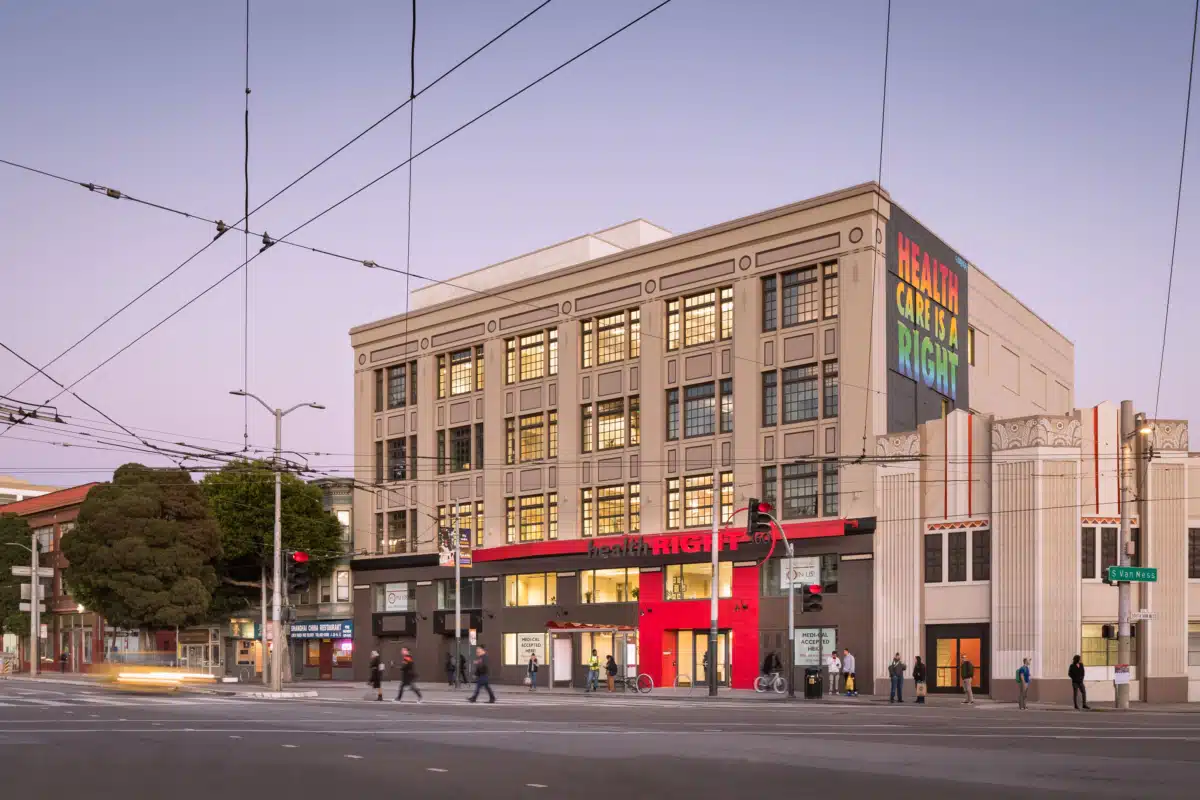
Lee Woodward Counseling Center
Outpatient Program
Mens Residential Program
Womens Hope
AARS Project ADAPT
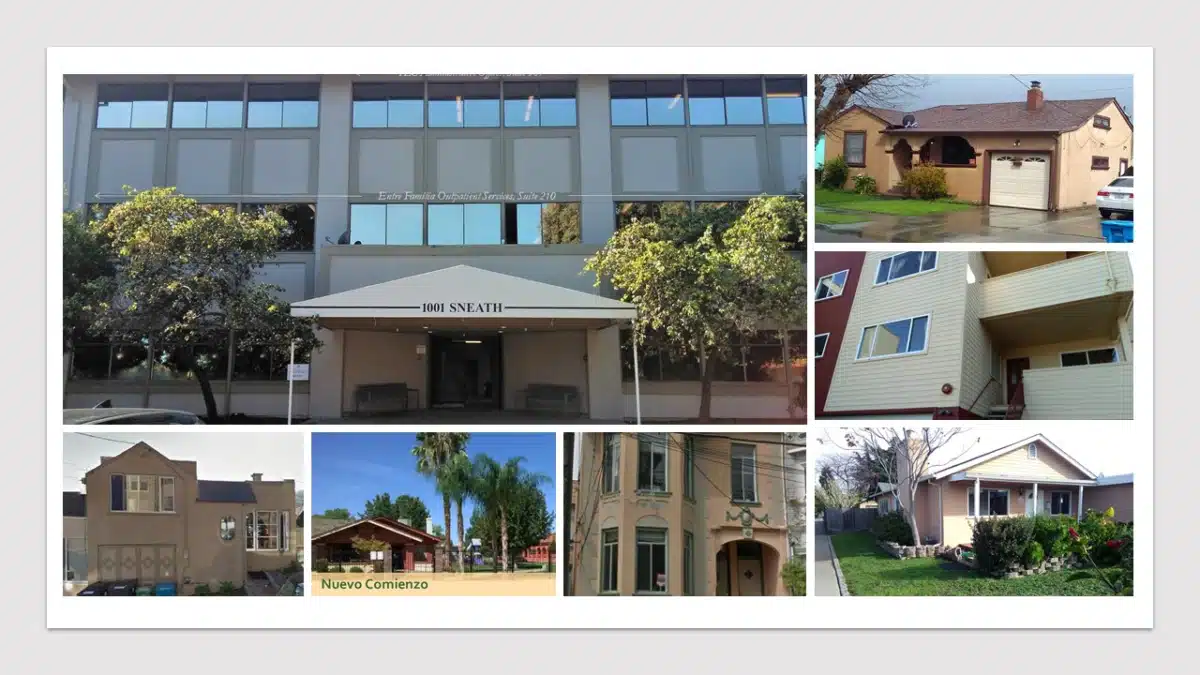
Casa Aviva Perinatal Women

Association of American Indians
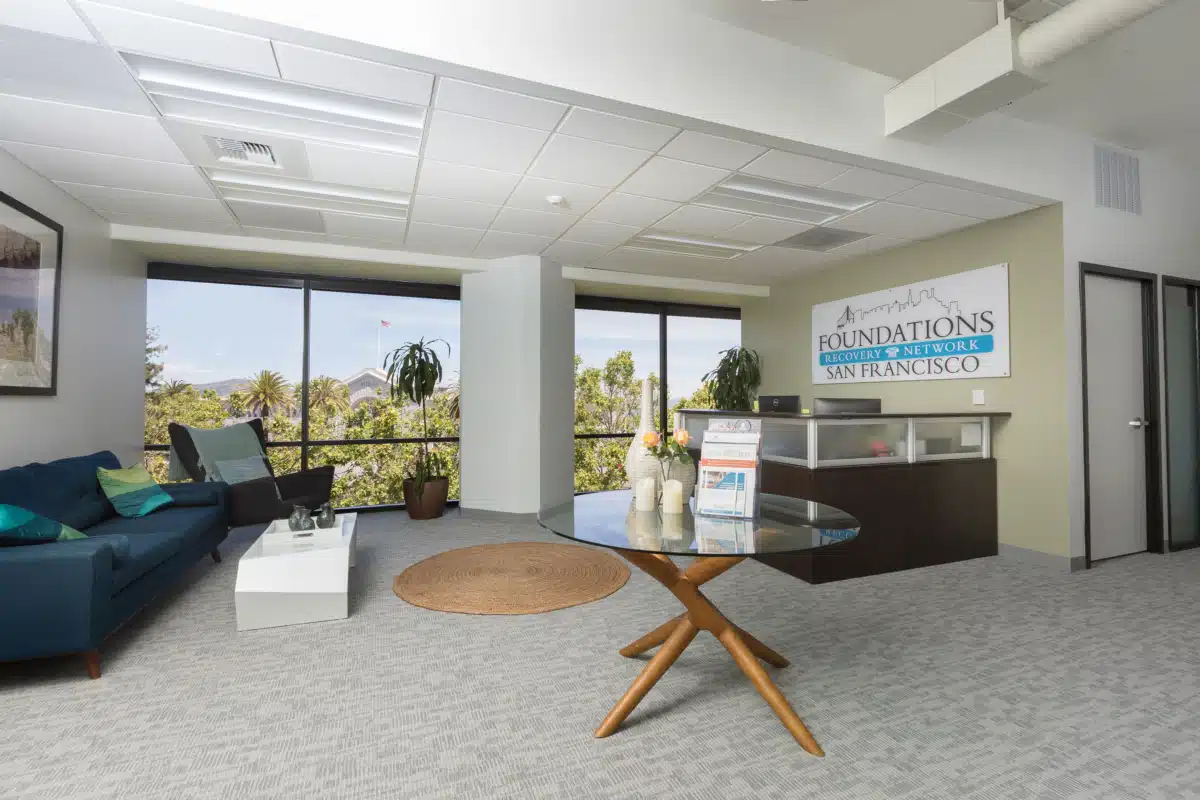
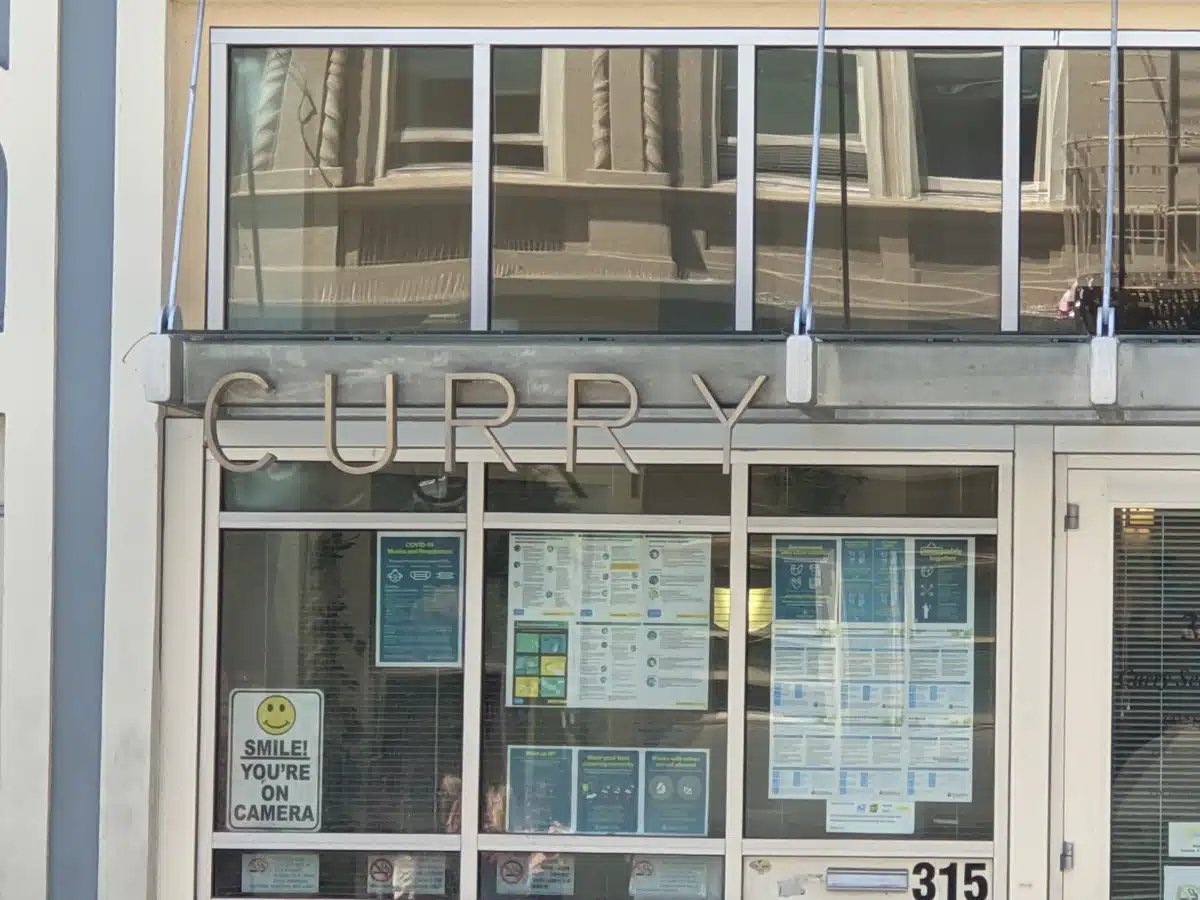
Senior Alcohol and Drug Programs
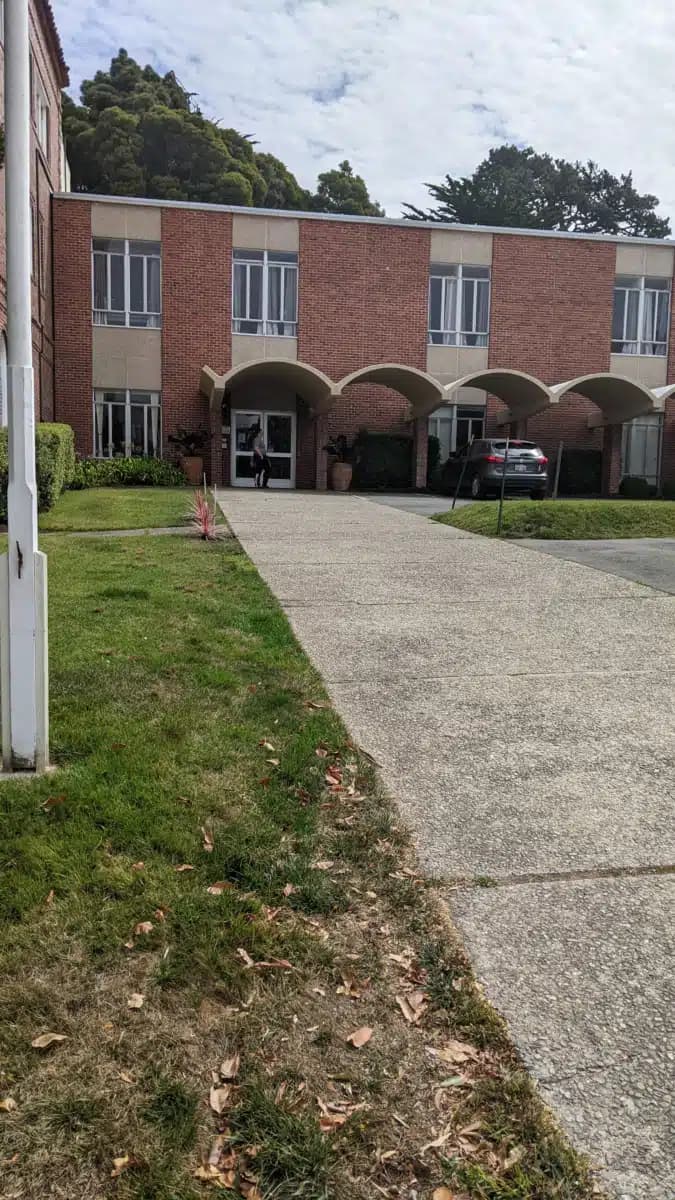
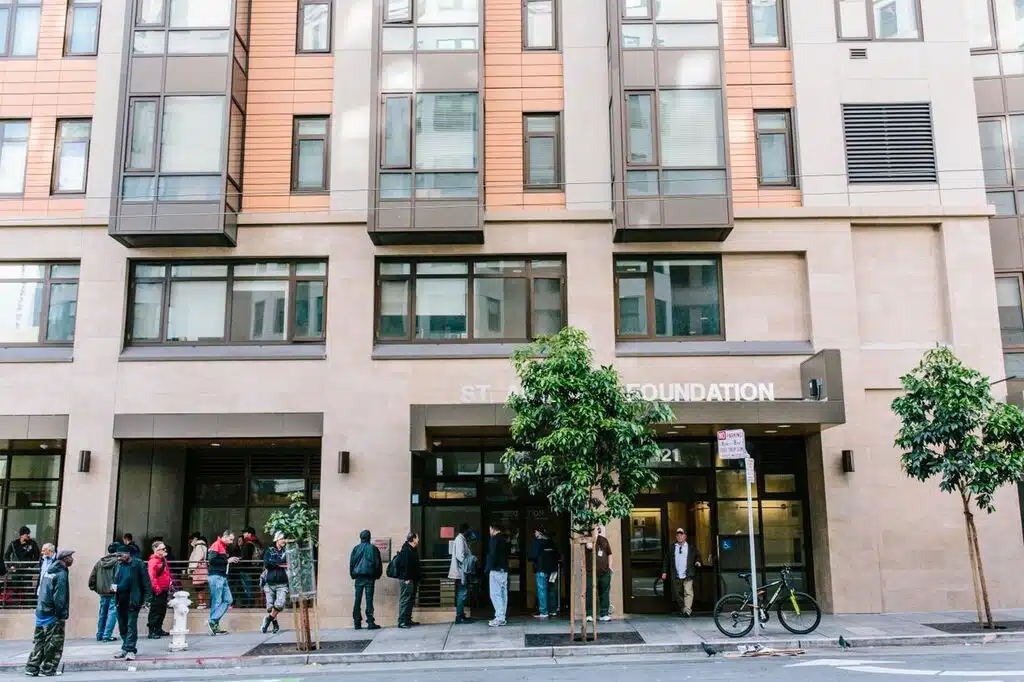
Saint Anthony Foundation
Substance Use Disorder Programs
San Francisco Inc
The Spanish Speaking
Treatment Options in San Francisco
Treatment Locations in San Francisco
Treatment options are available throughout the city from SOMA and the Tenderloin to the Castro, Mission, and residential neighborhoods, with Bay Area-wide resources accessible.
More Treatment Centers in California
Los Angeles
74 centers
San Diego
39 centers
Long Beach
29 centers
Fresno
22 centers
Sacramento
22 centers
Bakersfield
17 centers
View all 305 cities in California
Frequently Asked Questions About Treatment in San Francisco
Sources
Medical Disclaimer
The information on this page is for educational purposes and is not a substitute for professional medical advice. If you or someone you know is experiencing a substance use crisis, call the SAMHSA National Helpline at 1-800-662-4357 (free, confidential, 24/7). For immediate danger, call 911 or the 988 Suicide & Crisis Lifeline by dialing 988.