
Detoxification Treatment Centers
Medical detoxification is the essential first step for individuals physically dependent on alcohol, opioids, benzodiazepines, or other substances. Under 24/7 medical supervision, healthcare professionals monitor vital signs, manage withdrawal symptoms, and provide medications when necessary to ensure safety and comfort. Detox typically lasts 3-10 days depending on the substance and severity of dependence. While detox alone is not treatment, it prepares the body and mind for the therapeutic work ahead in rehabilitation.
Found 2,384 detoxification treatment centers across the United States.
Want us to find the perfect facility for you?
Call now - it's completely free!
Showing 4 of 2384 detoxification treatment centers

Located in Phoenix, AZ, Zenith Behavioral Health is dedicated to providing a wide range of addiction treatment services tailored for both adults and children. This facility excels in several key areas, including detoxification, substance use treatment, and addressing co-occurring mental health disorders—ensuring that the complexities of dual diagnoses are met with expert care. At Zenith, you'll find a structured environment designed for effective recovery, featuring hospital inpatient programs along with around-the-clock support from qualified professionals. This commitment to comprehensive care includes the use of evidence-based practices that incorporate techniques such as 12-step facilitation, anger management, and brief intervention strategies. One of the standout aspects of Zenith is its unique programming specifically designed for adolescents and trauma survivors, reflecting a deep understanding of the varied and specific needs of these groups. Whether clients are male or female, Zenith Behavioral Health prioritizes delivering high-quality, personalized care to those on their journey towards lasting recovery.
View Details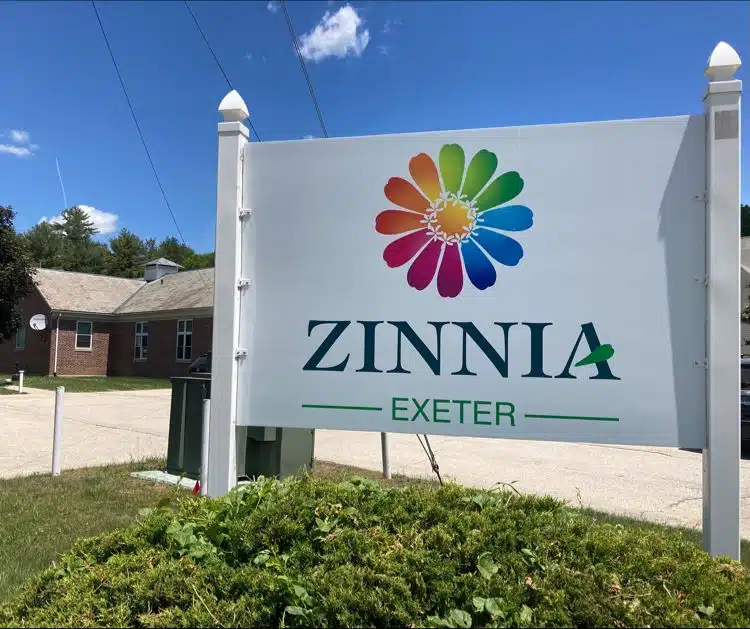
Zinnia Exeter, located in the heart of Exeter, Rhode Island, stands out as a leading rehabilitation center dedicated to helping individuals on their journey to recovery from substance use disorders. With a strong commitment to quality care, the center offers a variety of specialized services tailored to meet diverse needs. At Zinnia Exeter, clients can access essential services such as hospital inpatient detoxification, which provides a safe environment for individuals to cleanse their bodies of substances, and 24-hour inpatient care that ensures continuous support and medical attention. For those who require more extended help, long-term residential treatment options are also available, allowing individuals to immerse themselves in a structured recovery environment. One of the distinctive features of Zinnia Exeter’s approach is its emphasis on evidence-based methods, including 12-step facilitation—a guiding framework for many in recovery. In addition, the center offers programs in anger management and brief intervention strategies, recognizing that these aspects are often crucial for long-term healing. The facility is dedicated to serving a broad spectrum of clients, including adult men and women, as well as individuals who have faced the challenges of intimate partner violence or domestic violence. This inclusive approach means that Zinnia Exeter caters to adults and young adults of all genders, ensuring that everyone feels welcome and supported. By focusing on comprehensive care and fostering an environment conducive to healing, Zinnia Exeter continues to be a vital resource for individuals taking meaningful steps toward sobriety. If you or someone you know is seeking assistance, the compassionate team at Zinnia Exeter is ready to help guide you through the recovery process.
View Details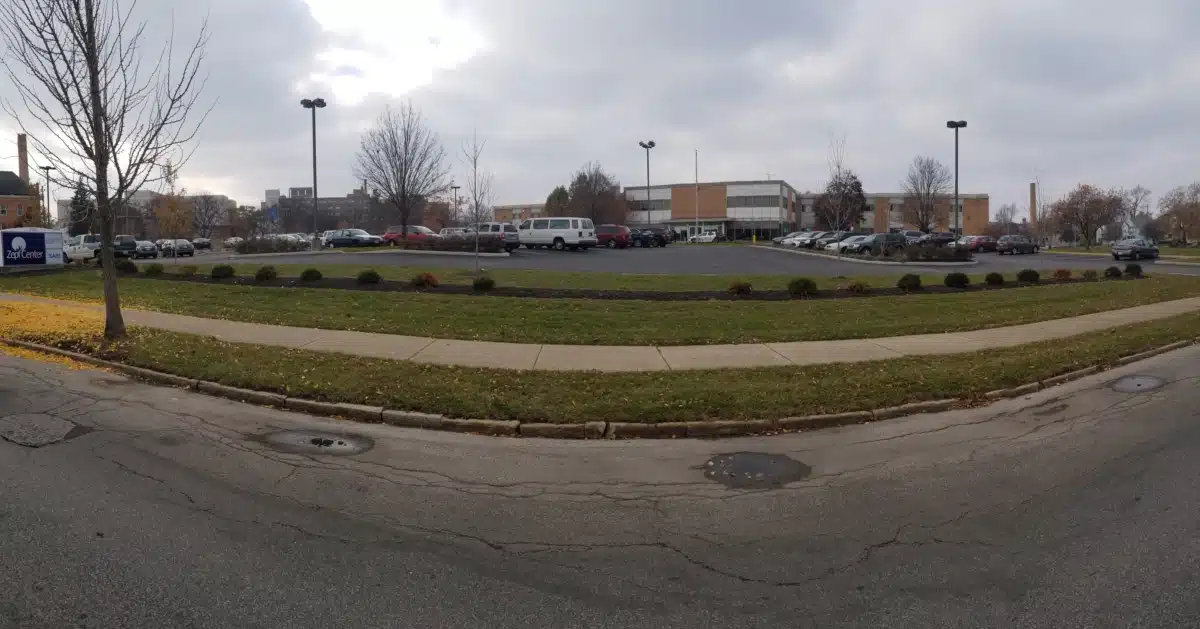
In the heart of Toledo, OH, the Zepf Center stands out as a beacon of hope for those seeking comprehensive addiction treatment services. This facility is dedicated to assisting both adults and young adults on their recovery journeys, offering a diverse range of programs designed to meet varying needs. At Zepf Center, individuals can access detoxification services and address substance use through multiple formats, including intensive outpatient programs, traditional outpatient services, and day treatment options. This flexibility ensures that clients can find a program that works best for their unique circumstances. What sets Zepf Center apart is its commitment to specialized care. The facility not only provides general addiction treatment but also incorporates focused services such as anger management sessions, brief interventions, and cognitive behavioral therapy, creating a well-rounded therapeutic environment. It serves a diverse clientele, catering to both male and female clients, and extends its services to pregnant or postpartum women, as well as those involved with the criminal justice system or in forensic settings. By tailoring treatment plans to address the specific needs of these various groups, Zepf Center ensures that every patient receives personalized attention and support. Those who seek help here can look forward to receiving quality care from a compassionate team, dedicated to empowering individuals on their path to recovery.
View Details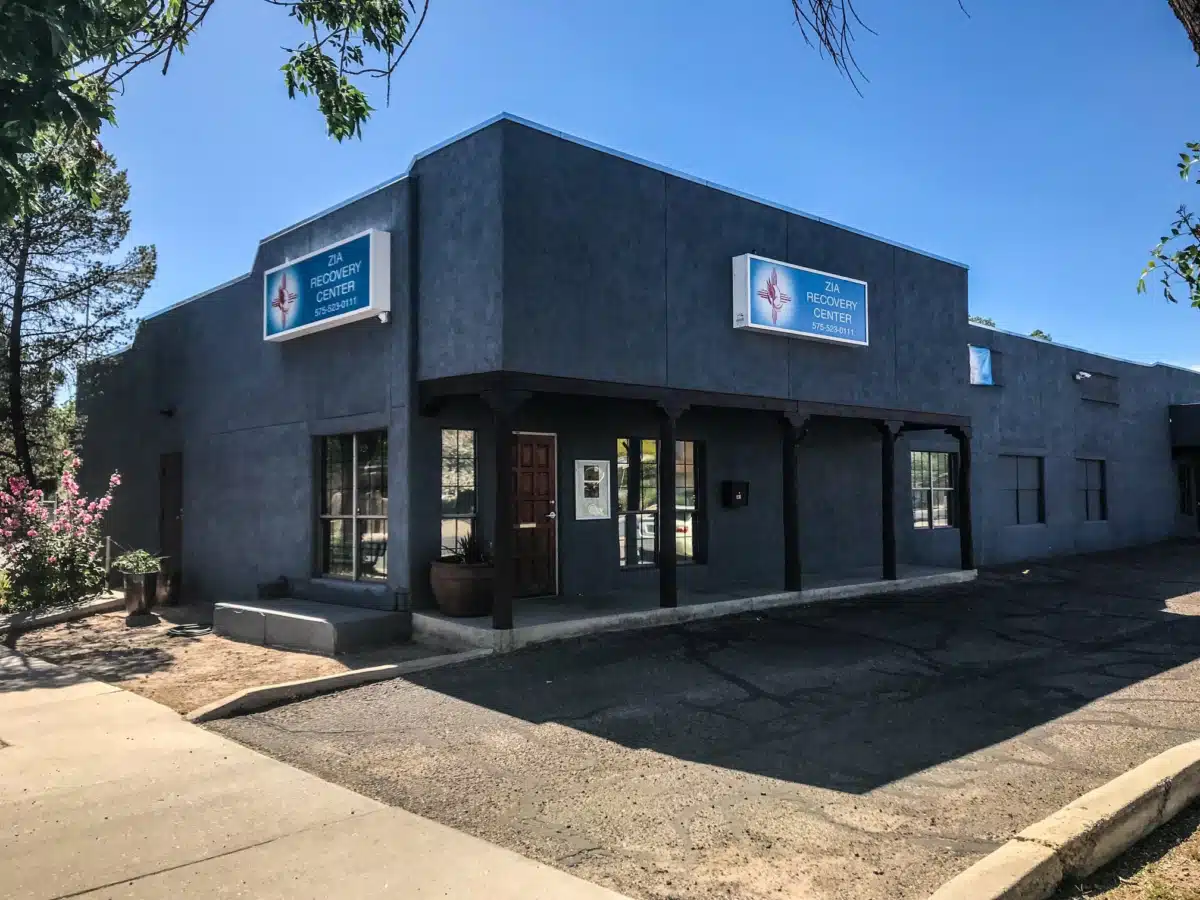
Nestled in the heart of Las Cruces, NM, Zia Recovery Center stands out as a dedicated provider of comprehensive addiction treatment services. This center is not just a facility; it’s a welcoming environment where individuals can find the help they need to start their recovery journey. At Zia Recovery Center, a variety of services are available to address the complex challenges of addiction. Whether you’re seeking detoxification, in need of substance use treatment, or looking for transitional housing and sober living options, you'll find a program that suits your needs. The center offers a flexible range of treatment formats, including intensive outpatient programs, long-term residential care, and traditional outpatient services. What sets Zia Recovery Center apart is its commitment to using a variety of therapeutic approaches. This includes 12-step facilitation, anger management techniques, and brief interventions, all designed to help clients confront their struggles and move towards healthier lives. The center is particularly attentive to the needs of adult men and women, extending specialized care to those impacted by intimate partner violence or domestic violence. With a focus on both adults and young adults, Zia Recovery Center provides targeted support tailored to the unique experiences of males and females alike. Here, quality care and personalized treatment are priorities, ensuring that each individual receives the support they need as they work towards recovery.
View DetailsAbout Detoxification
Medical detoxification is the clinically supervised process of safely managing acute withdrawal when a person stops using alcohol, opioids, benzodiazepines, or other substances. According to SAMHSA's 2023 National Survey on Drug Use and Health (NSDUH), approximately 29.5 million Americans aged 12 and older had an alcohol use disorder, yet only 7.6% received any treatment—and medically managed detox remains the recommended first step for those with physical dependence. The American Society of Addiction Medicine (ASAM) classifies detoxification as Level 3.7-WM (medically monitored) or Level 4-WM (medically managed), depending on the severity of withdrawal risk. A 2019 systematic review in the Journal of Substance Abuse Treatment found that medically supervised detox reduces withdrawal-related complications by 60–80% compared to unsupervised cessation.
Why Medical Detox is Essential
Withdrawal from alcohol, opioids, benzodiazepines, and other substances can be dangerous—even life-threatening in some cases. Medical detox provides 24/7 supervision by healthcare professionals who can monitor vital signs, manage symptoms, and intervene if complications arise.
Substances Requiring Medical Detox
- Alcohol: Withdrawal can cause seizures and delirium tremens (DTs), which can be fatal without medical care
- Opioids: While rarely dangerous, withdrawal is extremely uncomfortable; MAT medications significantly reduce symptoms
- Benzodiazepines: Withdrawal can cause seizures; requires careful tapering under medical supervision
- Stimulants: While medically less dangerous, severe depression during withdrawal requires monitoring
What to Expect During Detox
The detox process typically includes:
- Intake assessment: Medical history, substance use history, and current health status
- Stabilization: Medical interventions to manage withdrawal safely
- Medication management: Medications to ease symptoms and prevent complications
- 24/7 monitoring: Vital signs, hydration, nutrition, and emotional support
- Transition planning: Preparing for the next level of care
How Long Does Detox Take?
Timeline varies by substance:
- Alcohol: 5-7 days
- Opioids: 5-10 days
- Benzodiazepines: 1-4 weeks (gradual tapering)
- Stimulants: 3-5 days
After Detox: The Next Step
Detox is just the beginning. Without continued treatment, relapse rates are extremely high. Most people benefit from transitioning directly to residential treatment or intensive outpatient programs after detox.
What to Expect: Detox Timeline
Phase 1: Intake & Assessment (Day 1)
Comprehensive medical evaluation including blood work, vital signs, substance use history, and mental health screening. The Clinical Institute Withdrawal Assessment (CIWA) or Clinical Opiate Withdrawal Scale (COWS) determines withdrawal severity and guides the treatment protocol.
Phase 2: Acute Withdrawal (Days 1–5)
The most intensive phase with 24/7 medical monitoring. Medications are administered to manage symptoms—benzodiazepines for alcohol withdrawal, buprenorphine or methadone for opioid withdrawal. Vital signs are checked every 2–4 hours. IV fluids and nutritional support are provided as needed.
Phase 3: Stabilization (Days 5–10)
Symptoms decrease in intensity. Medical staff begin tapering medications, introduce basic therapeutic activities, and assess readiness for the next level of care. Psychoeducation about the recovery process begins.
Phase 4: Transition Planning (Final Days)
Clinical team develops a continuing care plan. Most patients transition to residential treatment (recommended by NIDA) or partial hospitalization for ongoing therapeutic work.
Treatment Outcomes & Research
- A 2020 Cochrane Review of medically managed alcohol withdrawal found that symptom-triggered benzodiazepine protocols reduce total medication use by 60% and shorten detox stays by 1.5 days compared to fixed-dose regimens
- SAMHSA's Clinical Guide to Withdrawal Management reports that medically supervised opioid detox combined with transition to MAT reduces 6-month relapse rates from 85% (detox only) to 35%
- The Journal of Addiction Medicine (2021) documented that integrated detox programs offering motivational interviewing during stabilization increase follow-through to continuing care by 40%
- NIDA research shows that fewer than 10% of patients who complete detox without follow-up treatment maintain abstinence at one year, compared to 40–60% who transition to residential or intensive outpatient care
Learn more about detoxification:
Insurance & Payment for Detoxification
The Mental Health Parity and Addiction Equity Act (MHPAEA) and the Affordable Care Act (ACA) require most health insurance plans to cover substance use disorder treatment at the same level as other medical conditions. This includes detoxification programs when deemed medically necessary.
- Private Insurance: Most employer-sponsored and marketplace plans cover detoxification under behavioral health benefits. Pre-authorization may be required—facilities typically handle this process. Learn more about insurance coverage for rehab.
- Medicare: Part A covers hospital-based treatment; Part B covers outpatient services; Part D covers prescription medications including MAT.
- Medicaid: Coverage varies by state but generally includes detoxification services. Medicaid expansion under the ACA has significantly increased access to addiction treatment.
- Sliding Scale & Financial Assistance: Many facilities offer income-based fees. SAMHSA's grant-funded programs provide free or reduced-cost treatment. Call SAMHSA's helpline (1-800-662-4357) for referrals to affordable options.
The Family and Medical Leave Act (FMLA) may provide job protection during treatment. Most facilities have financial counselors who can verify your coverage and explain out-of-pocket costs before admission.
Related Conditions & Treatments
Related Conditions
Treatment Methods
Other Levels of Care
Medical Disclaimer
This content is for informational purposes only and does not constitute medical advice, diagnosis, or treatment. Always consult a qualified healthcare provider regarding substance use disorders and treatment options. If you or someone you know is experiencing a medical emergency, call 911 immediately. For the 988 Suicide & Crisis Lifeline, call or text 988. For SAMHSA's National Helpline, call 1-800-662-4357 (free, confidential, 24/7).