
Prescription Drug Abuse Rehab Centers
Prescription drug abuse has become a significant public health concern, with millions of Americans misusing medications originally prescribed for legitimate medical conditions. Treatment programs for prescription drug addiction provide specialized care for dependency on benzodiazepines (Xanax, Valium), prescription opioids (OxyContin, Vicodin), and prescription stimulants (Adderall, Ritalin). These programs offer medically supervised detoxification with careful tapering protocols to manage withdrawal safely, followed by comprehensive therapy addressing the reasons behind misuse. Treatment includes pain management alternatives for those with chronic pain, mental health support, and strategies for safe medication management in the future.
Found 20 rehab centers specializing in prescription drug abuse across the United States.
Want us to find the perfect facility for you?
Call now - it's completely free!
Showing 20 of 20 prescription drug abuse rehab centers

Situated in the heart of O'Neill, NE, Valley Hope of O’Neill is dedicated to providing a wide range of addiction treatment services tailored to both adults and young adults on their journey to recovery. This facility stands out for its commitment to long-term solutions, offering residential programs that include not only long-term stays but also residential detoxification and round-the-clock care. At Valley Hope, treatment is designed around effective methodologies, utilizing techniques like 12-step facilitation, brief interventions, and cognitive behavioral therapy. This combination allows for a well-rounded approach that addresses the diverse needs of individuals facing addiction. Recognizing that each person's journey is unique, the center also features specialized programs aimed at specific groups, including adult men and women, as well as clients who have experienced trauma. This focus on individualized care helps ensure that both female and male clients receive the support they need in a nurturing and inclusive environment. In essence, Valley Hope of O’Neill serves as a beacon of hope for anyone looking to overcome substance use disorders, blending expert care with compassionate understanding.
View Details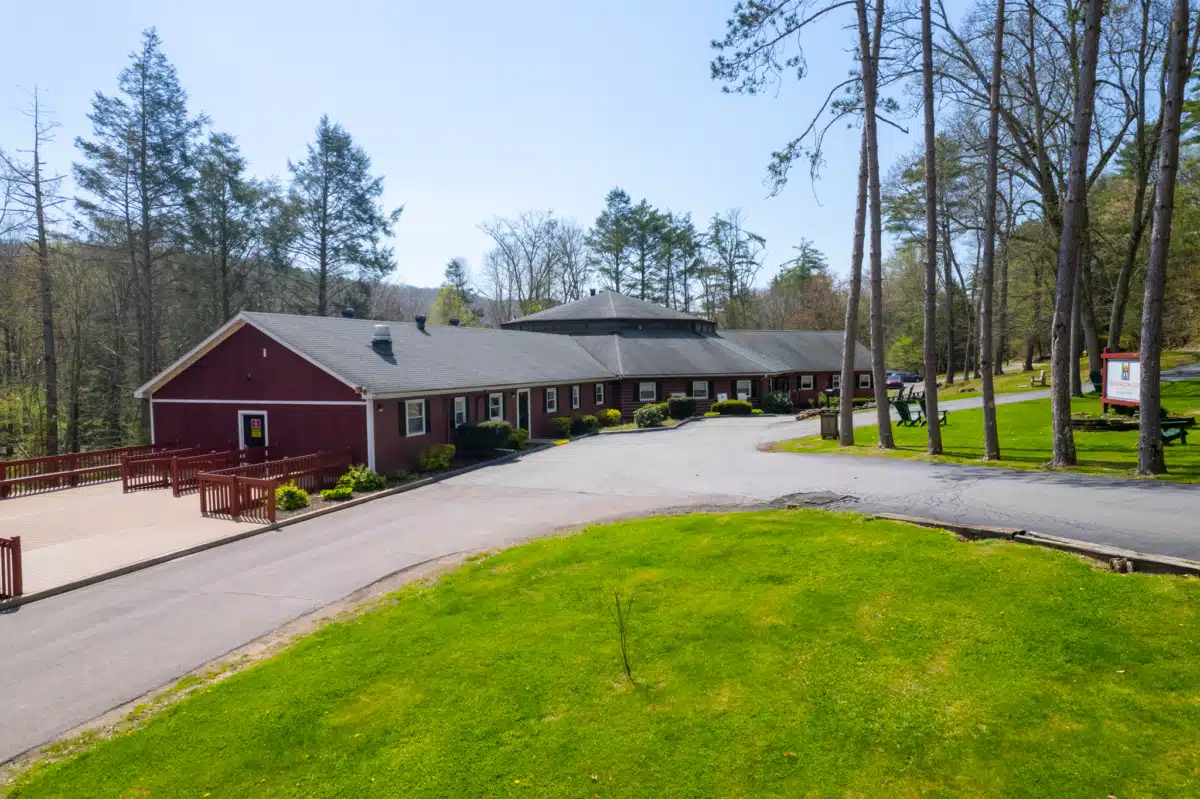
Nestled in the heart of Shickshinny, Pennsylvania, Huntington Creek Recovery Center is dedicated to delivering in-depth addiction treatment services designed to meet a variety of needs. The center has carved out a niche for itself by specializing in detoxification and substance use treatment, offering a range of options to support individuals at different stages of their recovery journey. At Huntington Creek, those seeking help can take advantage of residential detoxification along with 24-hour residential care and short-term residential programs. Each of these programs is crafted with a focus on safety, support, and the individual’s journey to wellness. The facility employs a range of therapeutic approaches, including 12-step facilitation, anger management, and cognitive behavioral therapy. These methods are tailored to resonate with a diverse clientele, encompassing adults, adolescents, and even active duty military personnel. Recognizing that each person's path to recovery is unique, Huntington Creek offers programs specifically designed for adult men and women, as well as for adolescents, ensuring that everyone receives the personalized care they need. Huntington Creek Recovery Center truly distinguishes itself through its commitment to quality care and the variety of specialized programs it offers. For anyone looking for effective and individualized addiction treatment, this center is an exceptional choice, providing a nurturing environment for recovery and growth.
View Details
Nestled in the scenic coastal town of Del Mar, California, Casa Palmera is dedicated to offering a wide array of treatment programs tailored for those looking to recover from substance use and seek detoxification. Whether you're considering residential detox, need 24-hour support, or are looking for a short-term residential stay, Casa Palmera creates a nurturing and encouraging environment essential for the recovery journey. What sets Casa Palmera apart is its commitment to diverse therapeutic approaches, including 12-step facilitation, anger management, and brief intervention strategies, designed to meet each individual's unique needs. Additionally, they feature specialized programs that cater to specific groups such as active duty military personnel, individuals facing co-occurring disorders, and members of the LGBTQ community. Open to adults and young adults of all genders, Casa Palmera stands as a beacon of hope, devoted to delivering high-quality care and support for everyone on their path to recovery. With a focus on compassionate treatment and personalized care, the facility is prepared to help guide you through the healing process.
View Details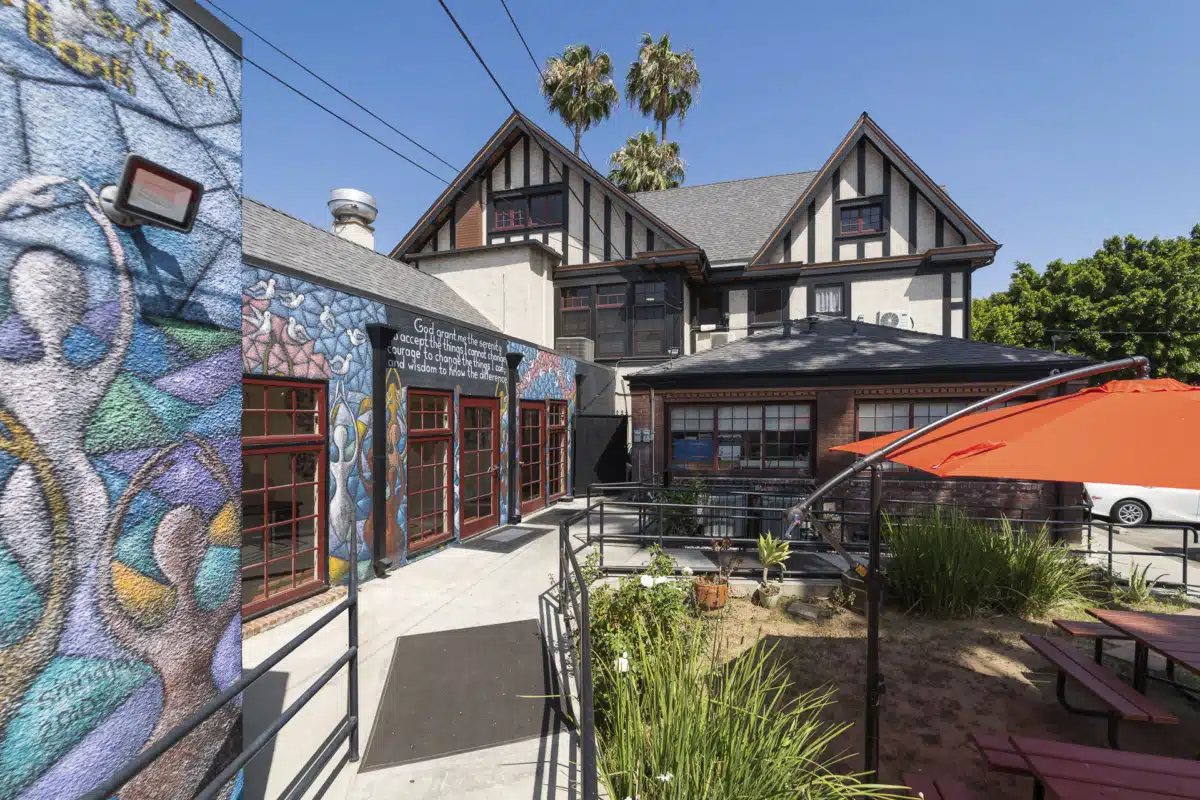
The Alcoholism Center for Women, located in Los Angeles, CA, is dedicated to providing specialized treatment for adult women who are facing both substance use challenges and serious mental health issues. This center recognizes the unique needs of women and offers a range of residential treatment options to suit different circumstances, including long-term and short-term care, as well as round-the-clock support. A key aspect of the center’s approach involves 12-step facilitation, anger management techniques, and brief intervention strategies. These methods are particularly beneficial for women who have endured traumatic experiences such as intimate partner violence, domestic violence, or sexual abuse. This facility serves a diverse population that includes adults, seniors, and young adults, all within a safe and nurturing atmosphere designed exclusively for female clients. By providing high-quality care and customized programs, the Alcoholism Center for Women aims to foster healing and facilitate long-lasting recovery for its clients.
View Details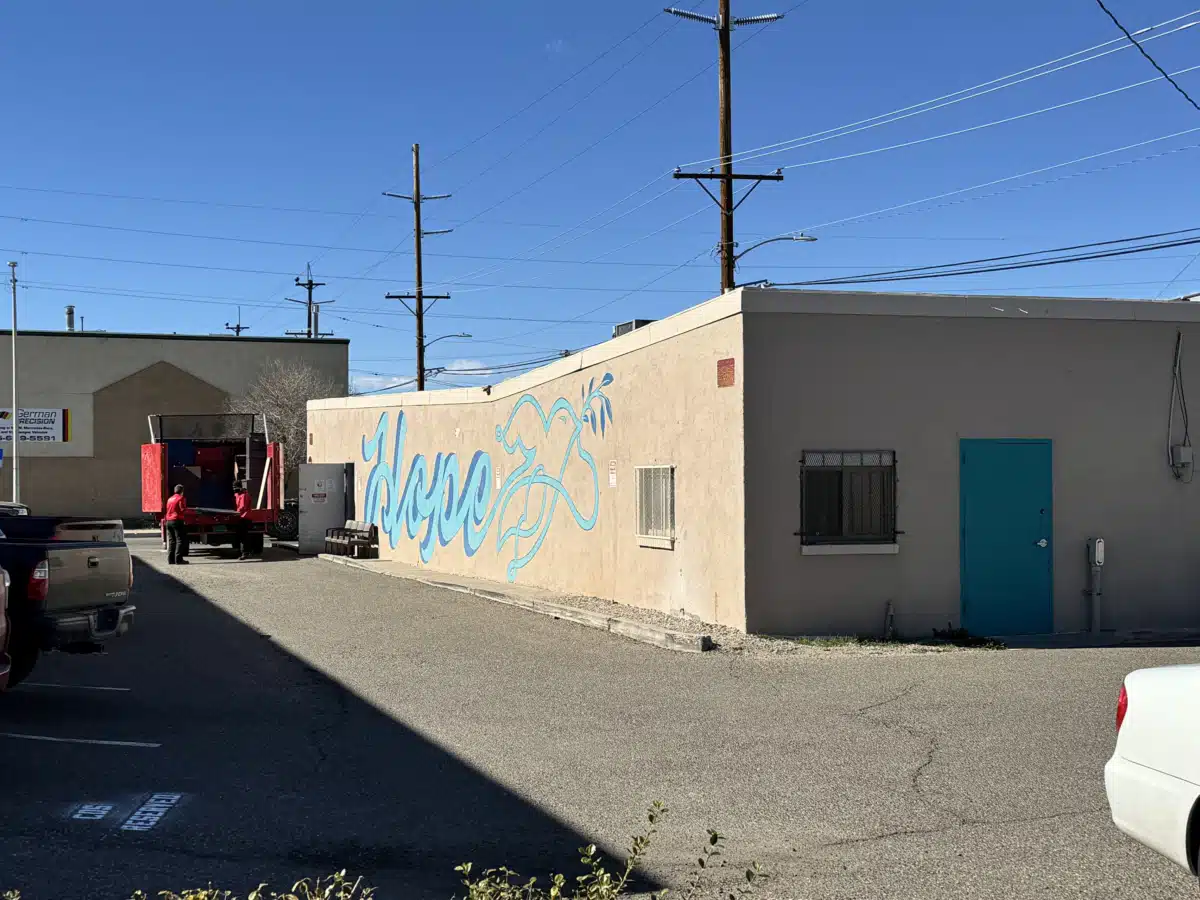
HopeWorks, nestled in Albuquerque, NM, is dedicated to providing a thorough approach to substance use treatment specifically tailored for both adults and young adults grappling with significant mental health challenges or emotional disturbances. The facility offers a variety of treatment options, including long-term residential care, outpatient services, and specialized outpatient programs featuring methadone, buprenorphine, or naltrexone. This center focuses on delivering personalized care to individuals on their journey to recovery. By incorporating methods such as 12-step facilitation, anger management, and brief interventions, HopeWorks stands out with its commitment to addressing the unique needs of each client. They also cater to a diverse clientele, including adult men and women as well as those who have encountered trauma. Understanding that different individuals require different approaches, HopeWorks offers specialized programs designed for various age groups and gender identities. This ensures that every individual receives the quality and individualized care they deserve as they navigate their path toward overcoming addiction.
View Details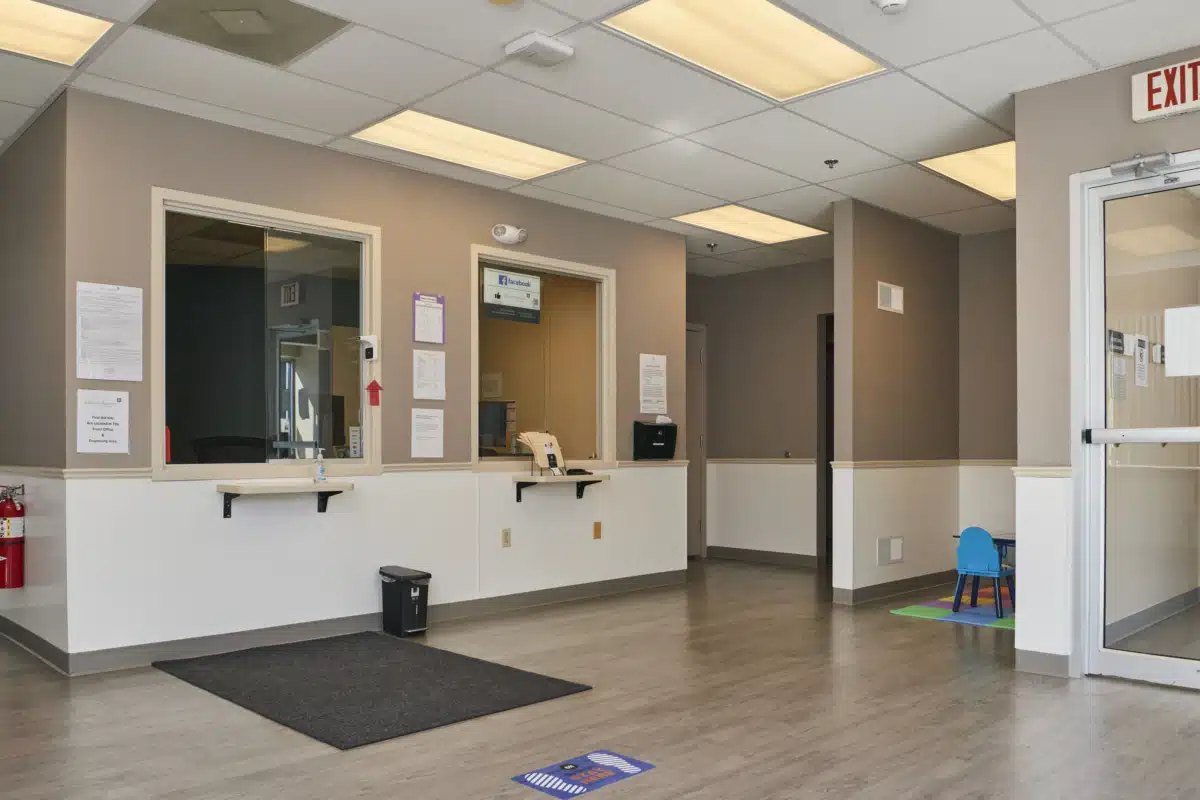
Nestled in Ephrata, PA, ARS of Ephrata stands out as a dedicated resource for those seeking comprehensive treatment for substance use. The facility offers a range of outpatient programs, along with specialized options for methadone, buprenorphine, or naltrexone treatments. Here, you'll find a team that focuses not just on addiction but also on important aspects of mental health, offering services that include anger management, brief intervention techniques, and cognitive behavioral therapy. What makes ARS of Ephrata particularly notable is its commitment to serving diverse communities. They provide unique programs designed specifically for individuals who have faced trauma, members of the LGBTQ community, and pregnant or postpartum women. Recognizing that each person's journey is different, the facility tailors its services for both adults and young adults, ensuring that all clients—regardless of gender—receive the support they need in a welcoming and compassionate setting. If you or someone you care about is in search of substance use treatment that features specialized programs and evidence-based practices, ARS of Ephrata is well-prepared to assist. Their dedicated staff is ready to guide you on the path toward recovery, emphasizing quality care in every step of the process.
View Details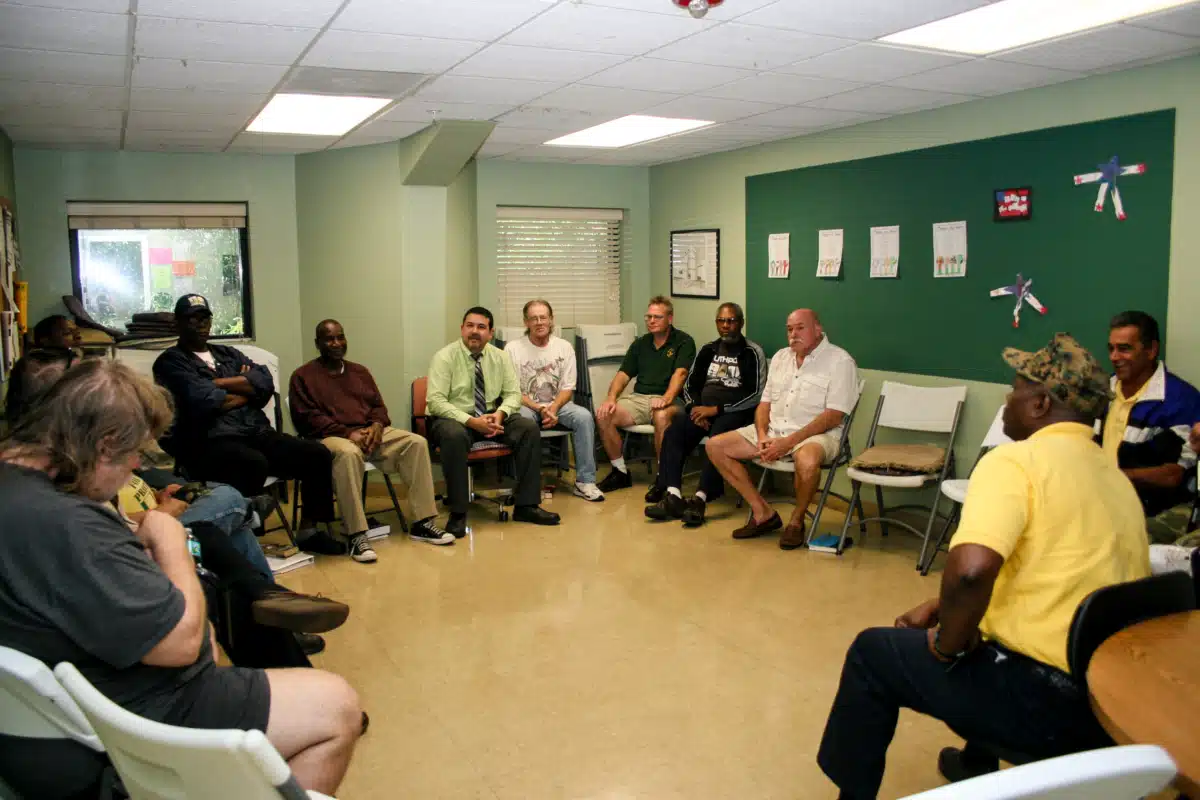
Transition House Inc, located in Saint Cloud, FL, is committed to delivering comprehensive treatment options for substance use disorders among adult men, seniors, and young adults. What sets this facility apart is its specialization in addressing both substance use issues and serious mental health disorders that often coexist. They offer a range of programs tailored to meet varying needs, including long-term, short-term, and 24-hour residential care, ensuring that every individual has access to the level of support that suits their situation best. The center employs a variety of evidence-based approaches, such as 12-step facilitation and anger management, to foster personal growth and recovery. Transition House Inc also pays special attention to the unique challenges faced by active duty military personnel and those who have been affected by intimate partner violence. Their dedicated team is focused on providing high-quality care, which includes implementing brief interventions and creating individualized treatment plans that cater to each person's circumstances and needs. If you or someone you know is looking for an effective rehabilitation experience that prioritizes addressing complex and intertwined issues, Transition House Inc is here to guide and support you on your path to recovery.
View Details
Nestled in Lincoln, Nebraska, Pine Lake Behavioral Health/Medical is dedicated to providing a wide range of effective addiction treatment programs tailored for both adults and seniors. The facility stands out with offerings such as intensive outpatient treatment and outpatient detoxification, alongside a host of supportive outpatient services. Specializing in detoxification and substance use treatment, Pine Lake also addresses the needs of those facing co-occurring disorders, ensuring that every client receives the care they deserve. The center employs a variety of evidence-based methods, including anger management, brief intervention, and cognitive behavioral therapy, to assist adult men and women on their journey to recovery. Moreover, Pine Lake is particularly sensitive to the needs of clients who have endured trauma, ensuring that its approach is both compassionate and individualized. By prioritizing a holistic approach, Pine Lake Behavioral Health/Medical is committed to providing tailored support and care, helping each client navigate their unique path to recovery with understanding and expertise.
View Details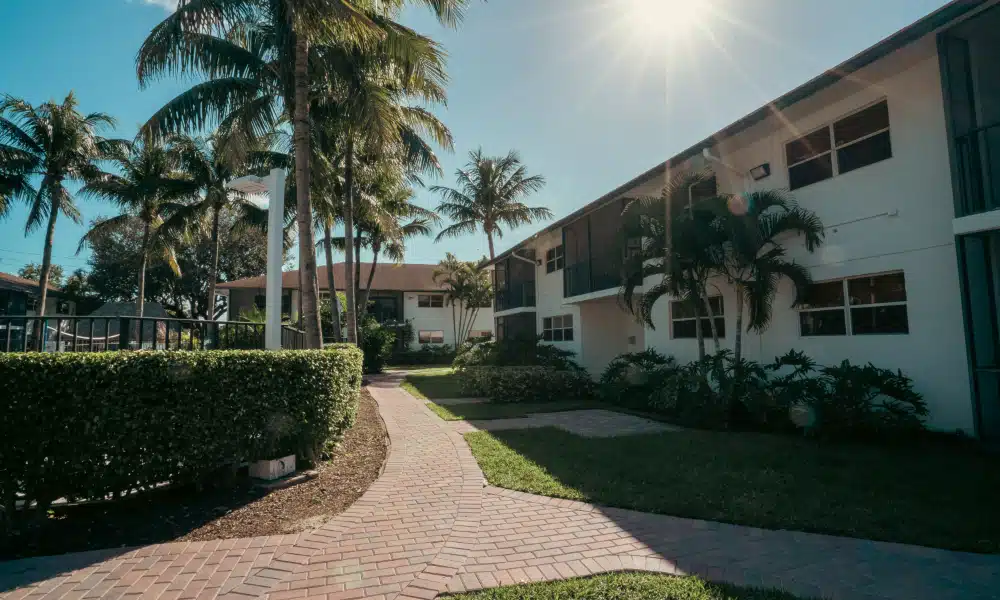
Nestled in the vibrant community of Delray Beach, FL, Recovery Team stands out as a provider of extensive outpatient and day treatment programs aimed at supporting both adults and young adults facing challenges related to substance use and co-occurring mental health conditions. This facility takes pride in its specialized approach, incorporating 12-step facilitation, anger management, and brief intervention strategies to cater to the unique needs of each individual. Recovery Team understands that different demographics may require specific types of support, which is why they offer tailored programs designed for active duty military personnel, as well as gender-specific services for adult men and women. By focusing on these distinctions, they create an environment that promotes a sense of safety and fosters genuine healing. The center’s dedication to delivering high-quality care and crafting personalized treatment plans sets it apart as an excellent option for those in search of specialized and compassionate rehabilitation services. Whether someone is beginning their journey to recovery or seeking ongoing support, Recovery Team is committed to providing the tools and guidance necessary for lasting change.
View Details
Nestled in the heart of New Haven, Connecticut, the Adult Psychiatric Clinic is dedicated to providing outpatient care that targets substance use issues as well as co-occurring serious mental health conditions in adults. Additionally, the clinic extends its services to address emotional disturbances in children. A variety of treatment options are offered here, allowing for flexibility and personalization. Patients can receive outpatient therapies such as methadone, buprenorphine, or naltrexone treatment, along with standard outpatient services. The clinic prioritizes essential skills like anger management, brief intervention techniques, and cognitive behavioral therapy, ensuring a comprehensive approach to mental well-being. The clinic serves a diverse population, including active duty military personnel and adult men and women from all walks of life. By focusing on the unique needs of both adults and young adults, the Adult Psychiatric Clinic stands out as a crucial resource for those looking for specialized addiction treatment within a compassionate and supportive atmosphere. Here, individuals can find not only expert care but also a welcoming environment conducive to healing and personal growth.
View Details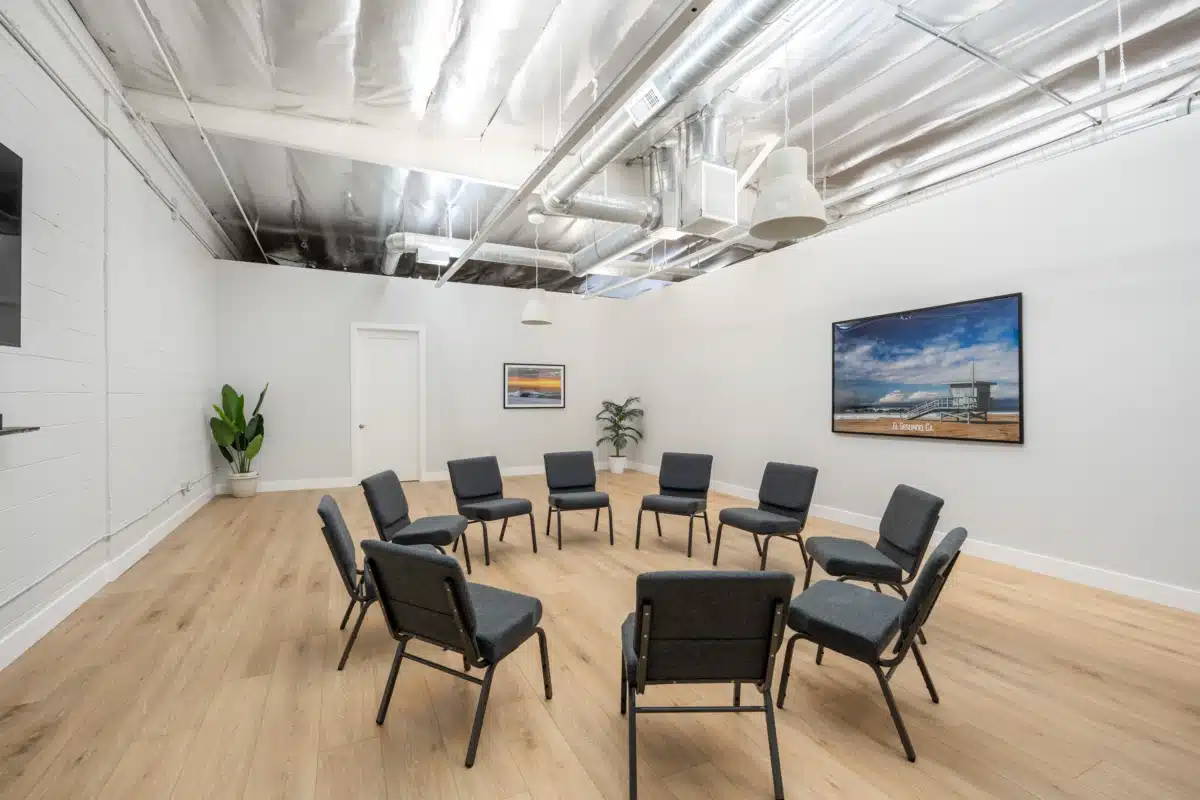
Situated in Van Nuys, California, Insight Treatment Programs is dedicated to providing specialized rehabilitation services tailored for individuals grappling with substance use challenges and co-occurring mental health disorders, whether they are adults or children. The center boasts a variety of treatment options designed to meet diverse needs, which include intensive outpatient programs, outpatient care, and day treatment sessions. With a strong emphasis on approaches such as 12-step facilitation, anger management, and brief interventions, Insight Treatment Programs effectively addresses the complexities faced by both adolescents and those with dual diagnoses. Accommodating clients of all genders and different age groups, the facility focuses on delivering quality care through personalized treatment plans tailored to each individual’s journey toward recovery. By prioritizing holistic wellness and lasting recovery, Insight Treatment Programs aims to provide comprehensive support that nurtures each client's unique path to healing.
View Details
Located in South Plainfield, NJ, Clear Conscience Counseling LLC is dedicated to providing specialized treatment for substance use and co-occurring mental health issues, tailored for both adults and children. They offer a range of intensive outpatient programs, which include treatments using methadone and buprenorphine. The facility employs a variety of therapeutic techniques, such as 12-step facilitation, anger management, and brief interventions, ensuring that each individual receives the support they need. Understanding that different populations have unique requirements, Clear Conscience Counseling has developed programs specifically for active duty military personnel, as well as tailored options for adult men and women. This commitment to inclusivity allows them to effectively serve a wide array of clients. The center emphasizes a high standard of care through evidence-based practices, which act as a foundation for their treatment plans. By addressing the specific needs of adults and young adults—regardless of gender—Clear Conscience Counseling LLC is deeply invested in guiding individuals along their journey toward recovery, fostering an environment of understanding and support.
View Details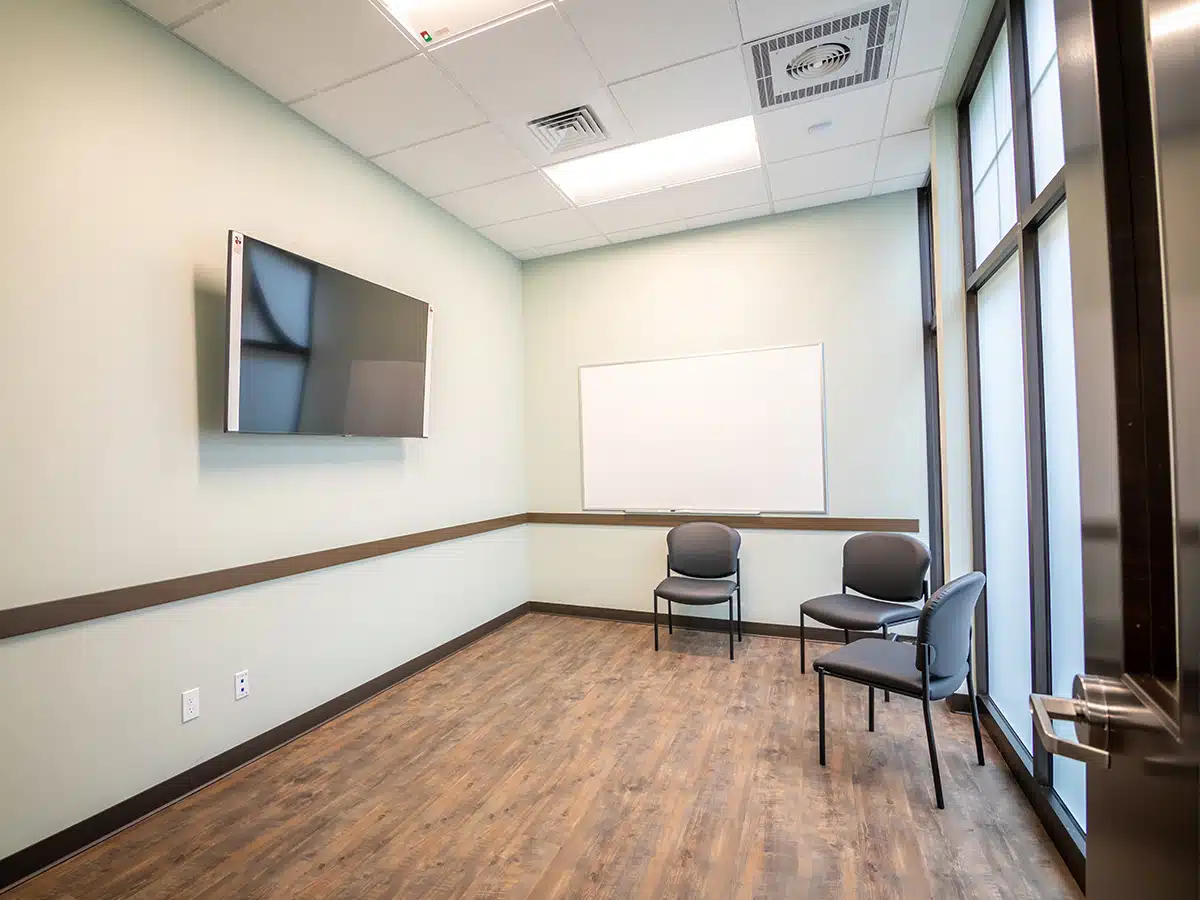
Asheville Comprehensive Treatment Center, located in Asheville, NC, is dedicated to providing outpatient substance use treatment for both adults and young adults. This facility specializes in several effective treatment options, including outpatient methadone and buprenorphine therapy, as well as naltrexone for those in need. Their approach is firmly grounded in evidence-based practices, utilizing techniques such as brief interventions, cognitive behavioral therapy, and contingency management paired with motivational incentives. These methods are designed to facilitate better outcomes and foster meaningful change. Recognizing the unique needs of its clients, Asheville Comprehensive Treatment Center offers specialized programs tailored for individuals involved in the criminal justice system, as well as for pregnant and postpartum women. The center prioritizes individualized care, ensuring that both male and female clients receive the support they need in a comprehensive and nurturing environment. For anyone seeking help with addiction, this center stands out as a valuable resource on the path to recovery.
View Details
Located in Lake Havasu City, Arizona, Community Medical Services is dedicated to providing outpatient treatment programs designed specifically for adults and young adults grappling with substance use issues. This facility recognizes that individuals have unique needs, which is why it offers specialized care for different groups, including adult men, adult women, and those who are pregnant or in the postpartum stage. Their treatment approaches are diverse and carefully crafted to support recovery. Programs include critical resources such as anger management, brief interventions designed to create impactful change in behavior, and cognitive behavioral therapy, which can help clients understand and reshape their thought patterns related to substance use. Furthermore, Community Medical Services offers outpatient treatment options that involve methadone, buprenorphine, or naltrexone, ensuring that clients have access to a variety of medication-assisted recovery options. With a strong emphasis on delivering high-quality care, the facility strives to be a nurturing environment for individuals on their journey toward overcoming addiction. Male and female clients alike can find programs tailored to their specific situations, all within a supportive and professional atmosphere that encourages healing and growth.
View Details
Located in Torrington, CT, McCall Behavioral Health Network is dedicated to providing a wide range of substance use treatment options that cater to the diverse needs of individuals seeking recovery. They offer a variety of services, including intensive outpatient programs, traditional outpatient treatments, and specialized outpatient options utilizing medications such as methadone, buprenorphine, or naltrexone. The facility adopts a robust, evidence-based approach to therapy, incorporating techniques such as anger management, brief interventions, and cognitive behavioral therapy. This comprehensive strategy ensures that clients receive the tools they need to navigate their recovery journey successfully. McCall Behavioral Health Network is proud to offer specialized programs that address the specific needs of different groups, including adolescents, adult men, and adult women. By serving individuals of all ages and genders, including both adults and children/adolescents, the center is committed to delivering high-quality care designed to empower each person on their path toward overcoming addiction and achieving lasting wellness.
View Details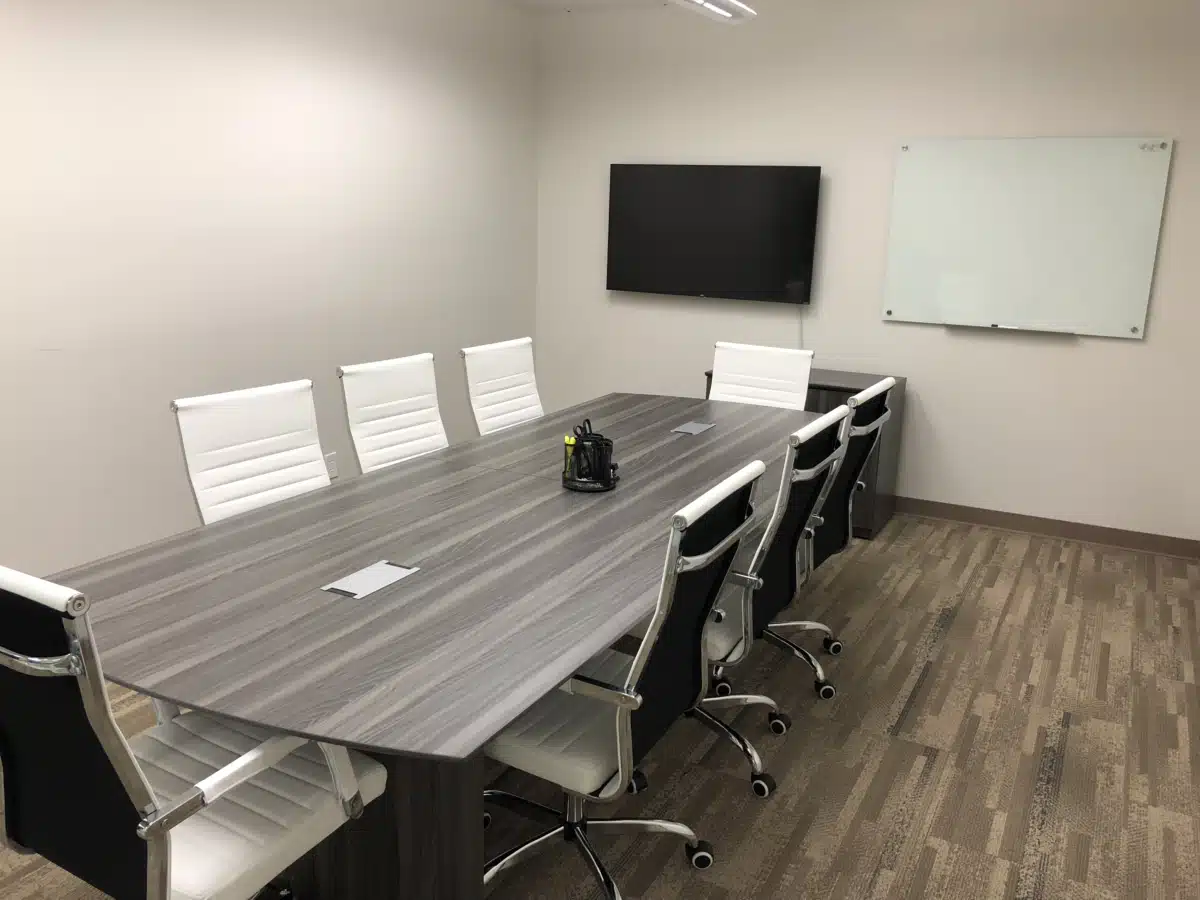
Arise Recovery Centers, located in Southlake, TX, is dedicated to providing a well-rounded approach to substance use treatment. They offer a variety of programs designed to meet individual needs, including intensive outpatient programs, outpatient services, and regular outpatient options. What sets Arise apart is its specialization in key therapeutic methodologies such as 12-step facilitation, anger management, and targeted brief interventions. This diversity in treatment approaches allows them to effectively assist a wide range of clients. Their programs are thoughtfully designed for adult men and women, as well as those who have faced the challenges of intimate partner violence or domestic violence. This inclusive focus ensures that every client receives the support they need, regardless of their background. Arise Recovery Centers welcome adults and young adults of all genders, fostering a nurturing and supportive environment that encourages each individual on their path to recovery. Those seeking help can look forward to receiving high-quality care, along with personalized treatment plans that empower them in their journey toward lasting sobriety.
View Details
Nestled in the charming coastal city of Huntington Beach, California, South Coast Behavioral Health is dedicated to helping adults and young adults navigate the challenges of addiction. The center offers a wide array of treatment services designed to meet the unique needs of each individual. One of the core services provided is residential detoxification, where clients can safely manage withdrawal symptoms under professional supervision. Alongside this, the facility also offers 24-hour residential care, ensuring that individuals receive constant support and attention during their recovery journey. For those seeking a shorter commitment, there are short-term residential programs tailored to facilitate a quick yet effective path towards sobriety. Recognizing that substance use often coexists with mental health challenges, South Coast Behavioral Health addresses both issues in tandem, making it an ideal choice for individuals dealing with co-occurring disorders. The center takes an inclusive approach, offering specialized programs for various groups including adult men and women. Additionally, they provide targeted support for individuals who have faced intimate partner or domestic violence, understanding that these experiences can profoundly impact one's recovery process. The therapeutic techniques employed at South Coast Behavioral Health are as diverse as the clients they serve. Approaches such as 12-step facilitation, anger management, and brief interventions are skillfully integrated into each client’s personalized care plan. This ensures that the treatment is not only effective but also tailored to the specific circumstances and history of each individual. Ultimately, South Coast Behavioral Health is committed to delivering high-quality, evidence-based treatment. Their goal is to empower individuals to reclaim their lives and achieve lasting recovery from addiction. Whether seeking help for oneself or a loved one, the supportive environment and comprehensive services at this facility stand ready to guide individuals on their path to healing.
View Details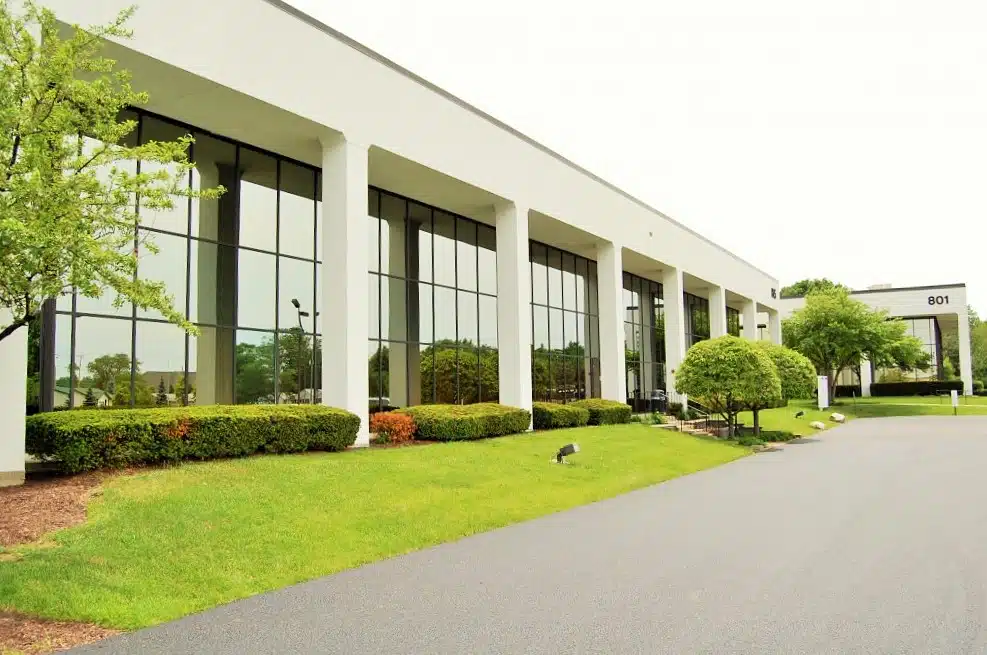
Located in Joliet, IL, Paramos Counseling Center is dedicated to providing specialized treatment for substance use disorders through a variety of programs tailored to fit individual needs. Whether you require intensive outpatient services, standard outpatient care, or just regular outpatient treatment, this facility has options designed for every level of care. At Paramos Counseling Center, the focus is on evidence-based practices that have proven effective. They utilize techniques such as brief interventions, cognitive behavioral therapy, and motivational interviewing to help clients navigate their recovery journey. Understanding that each person's path is unique, the center offers specific programs aimed at supporting both adult men and women, along with young adults, ensuring that everyone receives the attention and care they deserve. Clients can look forward to receiving high-quality treatment in a nurturing environment. The team of experienced professionals is committed to fostering a supportive atmosphere that encourages lasting recovery, making it clear that at Paramos Counseling Center, you are not just another case — you are valued and cared for on your way to healing.
View Details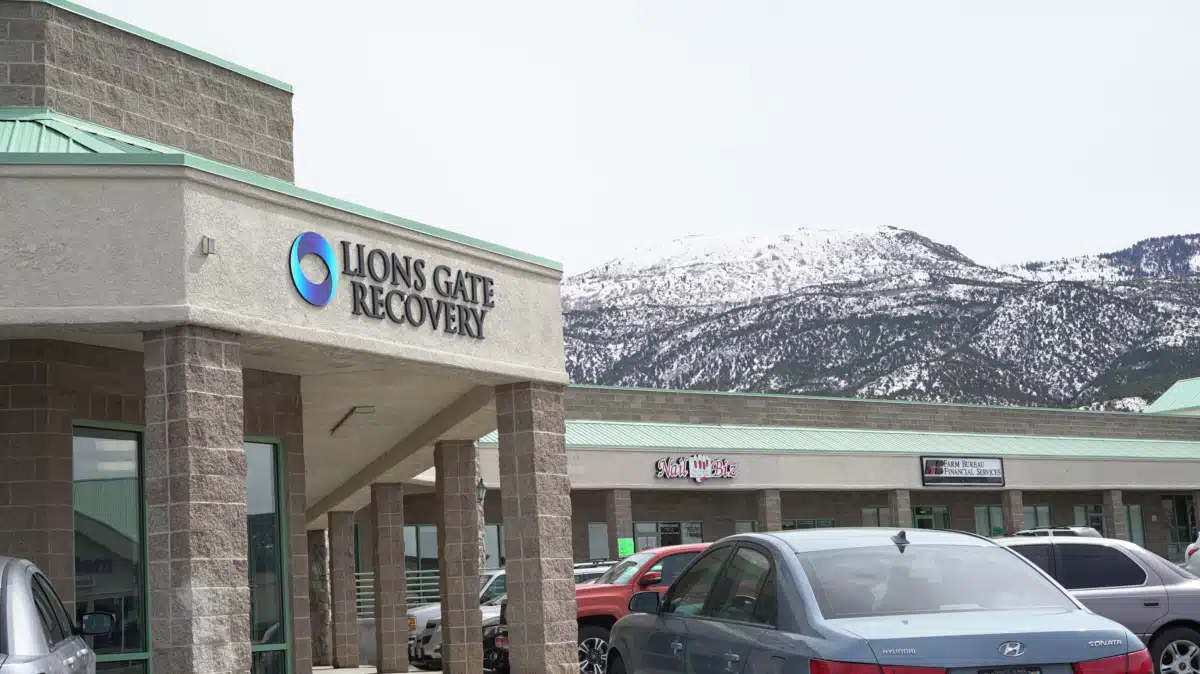
Nestled in the heart of Saint George, UT, Lions Gate Recovery is dedicated to providing a wide range of substance use treatment programs specifically designed for both adults and young adults. Understanding that each person’s journey to recovery is unique, the facility has created specialized pathways for active duty military members, adult men, and adult women, ensuring that everyone receives the care best suited to their needs. At Lions Gate Recovery, you can choose from various treatment options, including intensive outpatient treatment, standard outpatient programs, and outpatient day treatment. What sets this facility apart is its commitment to individualized care through a mix of effective therapeutic approaches. Utilizing methods such as 12-step facilitation, anger management, and brief intervention, the staff crafts personalized treatment plans aimed at fostering lasting recovery. The programs at Lions Gate are built on evidence-based practices, ensuring that both male and female clients benefit from proven strategies in a nurturing and supportive environment. If you’re looking for a compassionate and effective approach to addiction treatment, Lions Gate Recovery stands ready to guide you on your path toward sobriety, offering the support you need to achieve a healthier, more fulfilling life.
View Details
Health Solutions, situated in Pueblo, CO, provides an extensive array of outpatient treatment programs aimed at adults and young adults grappling with substance use issues. What sets Health Solutions apart is its expertise in addressing co-occurring disorders—those situations where individuals face both substance use challenges and serious mental health conditions, or where children deal with significant emotional disturbances. To ensure that clients receive the support they need, the center employs a combination of effective therapeutic approaches, including cognitive behavioral therapy (CBT), motivational interviewing, and relapse prevention techniques. This multifaceted approach helps to create an environment conducive to healing and recovery. In addition to their general treatment offerings, Health Solutions has designed specialized programs targeting specific groups. They provide tailored support for adult men and women, as well as for clients who have endured intimate partner violence or domestic violence. This tailored care ensures that clients receive the most relevant and impactful support for their unique circumstances. With a strong commitment to quality care, Health Solutions is dedicated to crafting individualized treatment plans that empower clients on their journey to long-term recovery. The focus here is on building a supportive foundation that enables each person to thrive, making it a valuable resource for those seeking help in the Pueblo community.
View DetailsAbout Prescription Drug Abuse Treatment
Prescription drug misuse affects approximately 18.4 million Americans aged 12 and older, according to SAMHSA. The three most commonly misused categories — opioid painkillers, benzodiazepine sedatives, and stimulant medications — each carry distinct addiction profiles and withdrawal risks. Prescription drug addiction often develops gradually from legitimate medical use, making it particularly challenging to recognize. Effective treatment requires specialized protocols, especially for benzodiazepine withdrawal, which can be medically dangerous without proper tapering under supervised detoxification.
Understanding Prescription Drug Abuse
Prescription drug misuse involves taking medications in ways other than prescribed—whether taking higher doses, using someone else's prescription, or taking medications for non-medical reasons. This is one of the fastest-growing substance abuse problems in America.
Categories of commonly misused prescription drugs:
- Opioid Pain Medications: OxyContin, Vicodin, Percocet, codeine, morphine
- Benzodiazepines (Anti-Anxiety): Xanax, Valium, Klonopin, Ativan
- Stimulants: Adderall, Ritalin, Concerta, Vyvanse
- Sleep Medications: Ambien, Lunesta
- Muscle Relaxants: Soma, Flexeril
Warning Signs of Prescription Drug Abuse
Recognizing the signs can help you seek help early:
- Taking more medication than prescribed or more frequently
- Seeking prescriptions from multiple doctors ("doctor shopping")
- Running out of medication early
- Mood swings, irritability, or personality changes
- Secrecy about medication use
- Declining performance at work or school
- Withdrawal symptoms when attempting to reduce or stop
- Continuing to use despite negative consequences
Treatment Approaches
Treatment for prescription drug addiction requires specialized care that addresses both the addiction and any underlying conditions that led to medication use:
Safe Medical Detoxification
Particularly important for benzodiazepine and opioid addiction. Medical detox provides careful tapering protocols and medical supervision to manage withdrawal safely. Stopping certain medications suddenly can be dangerous—never attempt to quit without medical guidance.
Medication-Assisted Treatment
For prescription opioid addiction, medication-assisted treatment (MAT) using buprenorphine or naltrexone can significantly improve outcomes.
Behavioral Therapies
- Cognitive Behavioral Therapy: Addresses the psychological aspects of addiction
- Individual Counseling: Explores underlying issues like chronic pain, anxiety, or trauma
- Group Therapy: Provides peer support from others with similar experiences
- Family Therapy: Rebuilds trust and creates supportive home environment
Pain Management Alternatives
For those who developed addiction from pain treatment, programs offer alternative pain management strategies including physical therapy, non-opioid medications, mindfulness techniques, and other holistic approaches.
Choosing the Right Program
Look for treatment centers that offer:
- Expertise in your specific type of prescription drug addiction
- Medical supervision and safe detox protocols
- Treatment for co-occurring conditions (dual diagnosis)
- Alternative approaches for underlying conditions (pain, anxiety, ADHD)
- Comprehensive aftercare planning
What to Expect in Prescription Drug Treatment
Treatment varies significantly based on the class of prescription drug involved, as each carries different withdrawal profiles and medical risks.
- Benzodiazepines (Xanax, Valium, Klonopin): Require a gradual medical taper over weeks to months — abrupt cessation can cause seizures. Medical detox is essential. Taper schedules are individualized based on dose, duration of use, and half-life of the specific medication
- Prescription Opioids (OxyContin, Vicodin, Percocet): MAT with buprenorphine or naltrexone is the standard of care. Medical detox typically lasts 5–7 days, followed by ongoing medication management and behavioral therapy
- Prescription Stimulants (Adderall, Ritalin): No specific detox medications — treatment focuses on managing withdrawal symptoms (fatigue, depression, cognitive difficulties) and behavioral therapies. Evaluation for underlying ADHD is important for appropriate ongoing care
- All Types — Behavioral Treatment (Weeks 4–12+): CBT, individual counseling, alternative strategies for the original condition (pain management, anxiety treatment, or ADHD accommodations)
- Aftercare: Long-term monitoring, medication review to ensure non-addictive alternatives for underlying conditions, support groups, and relapse prevention planning
Treatment Outcomes
Research demonstrates that prescription drug addiction responds well to evidence-based treatment. For prescription opioids, MAT produces outcomes comparable to those seen with heroin — significantly reducing illicit use and overdose risk. Benzodiazepine tapers managed by experienced clinicians have high completion rates when conducted gradually. Addressing the underlying medical condition (chronic pain, anxiety, ADHD) alongside the addiction is critical for preventing relapse.
Authoritative resources on prescription drug misuse:
Insurance & Payment for Prescription Drug Abuse Treatment
Most health insurance plans are required to cover addiction and mental health treatment under the Mental Health Parity and Addiction Equity Act (MHPAEA) and the Affordable Care Act (ACA). This means treatment for prescription drug abuse is typically covered at the same level as other medical conditions.
Common insurance coverage for prescription drug abuse treatment includes:
- Medical detoxification services
- Inpatient/residential treatment programs
- Intensive outpatient programs (IOP)
- Outpatient therapy and counseling
- Psychiatric medication management
Coverage specifics vary by plan and provider. Contact your insurance company directly or call the treatment center to verify benefits before enrolling. Many facilities offer free insurance verification.
For those without insurance, options include state-funded programs through SAMHSA, Medicaid (eligibility varies by state), sliding-scale payment programs, and nonprofit treatment centers. Learn more about insurance coverage for addiction treatment.
Related Conditions & Treatments
Understanding the connections between conditions, treatment methods, and levels of care can help you make more informed decisions about recovery.
Levels of Care
Related Conditions
Medical Disclaimer
The information on this page is intended for educational purposes only and should not replace professional medical advice, diagnosis, or treatment. Always consult a qualified healthcare provider before making decisions about addiction treatment. If you or someone you know is in crisis, call the 988 Suicide & Crisis Lifeline or the SAMHSA National Helpline (1-800-662-4357).