
Drug & Alcohol Rehab Centers in Milwaukee, Wisconsin
Milwaukee faces a growing substance use crisis that has intensified over the past decade. According to the Wisconsin Department of Health Services, Milwaukee County recorded over 600 drug overdose deaths in 2022, with synthetic opioids, primarily fentanyl, driving the majority of fatalities. The county's overdose mortality rate significantly exceeds the state average, reflecting longstanding disparities in health outcomes that disproportionately affect Black and Hispanic communities on Milwaukee's North and South sides.
The city's treatment infrastructure draws on major health systems including Aurora Health Care, Froedtert and the Medical College of Wisconsin, and Ascension Columbia St. Mary's. These institutions provide medical detoxification, inpatient rehabilitation, and specialized opioid addiction programming. Community health centers throughout Milwaukee offer accessible outpatient treatment for residents who may face financial or transportation barriers to care.
Medication-assisted treatment (MAT) availability has expanded significantly in Milwaukee, driven by state and federal initiatives to increase the number of buprenorphine-waivered prescribers. The Milwaukee County Behavioral Health Division operates crisis services and coordinates access to publicly funded treatment for uninsured and underinsured residents. Wisconsin's Comprehensive Opioid, Stimulant, and Substance Abuse Program (COSSAP) has directed additional federal funding to Milwaukee for treatment expansion and recovery support.
Milwaukee's recovery community is supported by a network of mutual aid groups, peer recovery coaches, and community organizations addressing alcohol use disorder, cocaine addiction, heroin dependency, and methamphetamine use. The city's culturally diverse population is served by bilingual programs and organizations specifically designed to address the needs of African American, Latino, and Hmong communities seeking recovery from substance use disorders.
The Addiction Treatment Landscape in Milwaukee
Milwaukee's treatment landscape reflects a city grappling with overlapping crises of opioid addiction, alcohol misuse, and stimulant use. SAMHSA's treatment locator identifies over 120 treatment facilities in the Milwaukee metropolitan area, ranging from hospital-based programs to small community clinics. The Wisconsin Department of Health Services licenses and certifies treatment providers across the state, with Milwaukee County receiving a significant share of funding due to its concentration of need.
Alcohol use disorder is particularly prevalent in Milwaukee, consistent with Wisconsin's broader culture of heavy drinking. The state consistently ranks among the highest in the nation for binge drinking and alcohol-related hospitalizations. At the same time, opioid-related deaths have surged, with fentanyl contamination affecting heroin, cocaine, and counterfeit pill supplies. This dual burden has pushed treatment programs to adapt, offering integrated approaches to co-occurring substance use and mental health disorders.
Major treatment providers in Milwaukee include the Medical College of Wisconsin's addiction medicine division, Rogers Behavioral Health, Meta House (specializing in women and families), and the Milwaukee County Behavioral Health Division's acute inpatient unit at the Mental Health Complex. Community organizations like the Social Development Commission and United Community Center extend treatment access into underserved neighborhoods. Residential treatment options range from short-term 28-day programs to long-term therapeutic communities lasting six months or more.
Types of Addiction Treatment Available in Milwaukee
Milwaukee provides the full spectrum of addiction treatment services. Medical detox is available at Froedtert Hospital, Aurora Sinai Medical Center, and other facilities, offering medically supervised withdrawal management for alcohol, opioids, and benzodiazepines. Detox typically lasts three to seven days and serves as the entry point for continued treatment.
Inpatient rehabilitation programs in Milwaukee provide structured therapeutic environments with individual counseling, group therapy, and relapse prevention education. Partial hospitalization programs (PHP) offer intensive daytime treatment while allowing patients to return home in the evening. Intensive outpatient programs (IOP) provide flexible scheduling for individuals maintaining work or family responsibilities, typically meeting three to five evenings per week.
Specialized treatment tracks in Milwaukee include programs for women and children (Meta House), adolescent-focused care, LGBTQ+-affirming programs, and culturally specific services for African American and Latino communities. Therapeutic approaches include cognitive-behavioral therapy (CBT), motivational interviewing, trauma-informed care, and holistic therapies such as mindfulness meditation and art therapy. Sober living homes throughout the Milwaukee metro area provide transitional housing, and standard outpatient treatment supports sustained recovery through ongoing counseling.
Insurance and Payment Options for Milwaukee Rehab
Most addiction treatment facilities in Milwaukee accept a range of insurance plans. Wisconsin's mental health parity laws and the federal Parity Act require insurers to cover substance use disorder treatment at the same level as other medical conditions. This includes employer-sponsored plans, Affordable Care Act marketplace plans, and publicly funded coverage.
BadgerCare Plus, Wisconsin's Medicaid program, covers comprehensive addiction treatment services including inpatient detox, residential rehabilitation, outpatient counseling, and medication-assisted treatment. BadgerCare Plus has expanded eligibility in recent years, covering childless adults up to 100% of the federal poverty level. The Milwaukee Enrollment Services office assists residents with applications and enrollment.
Private insurance carriers commonly accepted at Milwaukee treatment centers include Anthem Blue Cross Blue Shield, UnitedHealthcare, Humana, Cigna, and Molina Healthcare. Many facilities offer free insurance verification before admission. For uninsured individuals, the Milwaukee County Behavioral Health Division provides publicly funded treatment slots, and federally qualified health centers such as Sixteenth Street Community Health Centers and Progressive Community Health Centers offer services on a sliding-fee scale.
Local Addiction Resources in Milwaukee
Milwaukee offers extensive addiction support resources beyond formal treatment. The Milwaukee County Crisis Line (414-257-7222) provides 24/7 crisis intervention and referrals to substance use treatment services. The SAMHSA National Helpline (1-800-662-4357) is available around the clock for free, confidential treatment referrals and support group information. The 211 Wisconsin helpline connects callers to local health and human services resources.
Mutual aid groups have a strong presence in Milwaukee. Alcoholics Anonymous Milwaukee Central Office coordinates hundreds of weekly meetings across the metro area. Narcotics Anonymous, SMART Recovery, and faith-based recovery groups such as Celebrate Recovery provide additional peer support options. The Wisconsin state resource page offers further information on statewide programs and recovery support services.
Community organizations including the Milwaukee County Behavioral Health Division, Serve Marketing's drug prevention campaigns, and the Milwaukee Health Department's overdose prevention program distribute naloxone, provide overdose education, and connect individuals to treatment. Peer recovery support specialists, funded through Wisconsin's Peer Run Respite program, offer lived-experience guidance to individuals navigating early recovery.
Want us to find the perfect facility for you?
Call now - it's completely free!
Showing 20 of 34 results
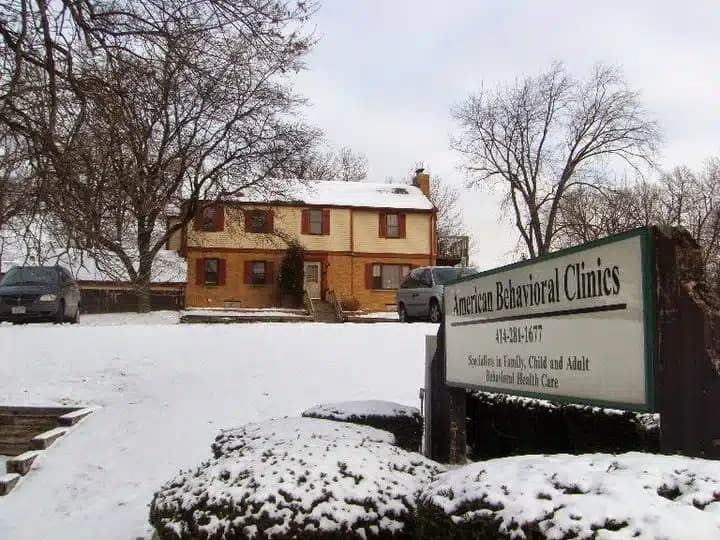
Bluemound Clinic
Layton Clinic
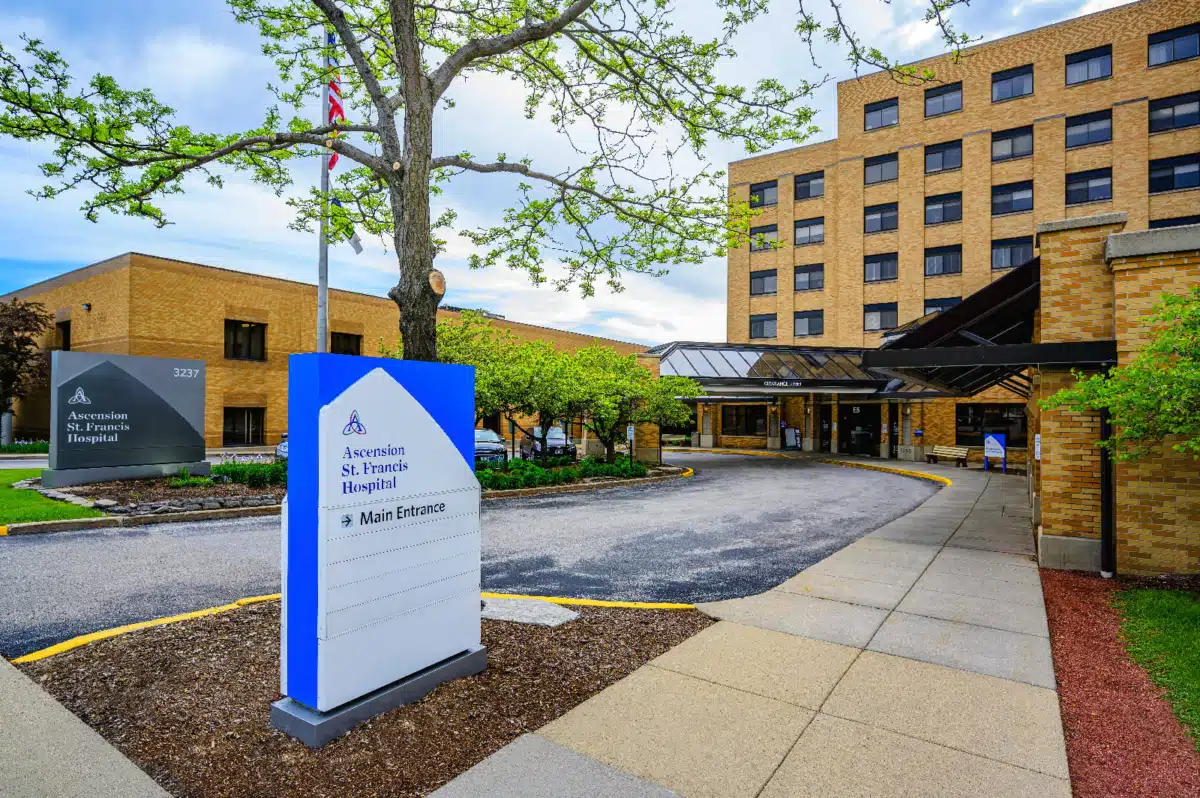
Saint Francis Hospital
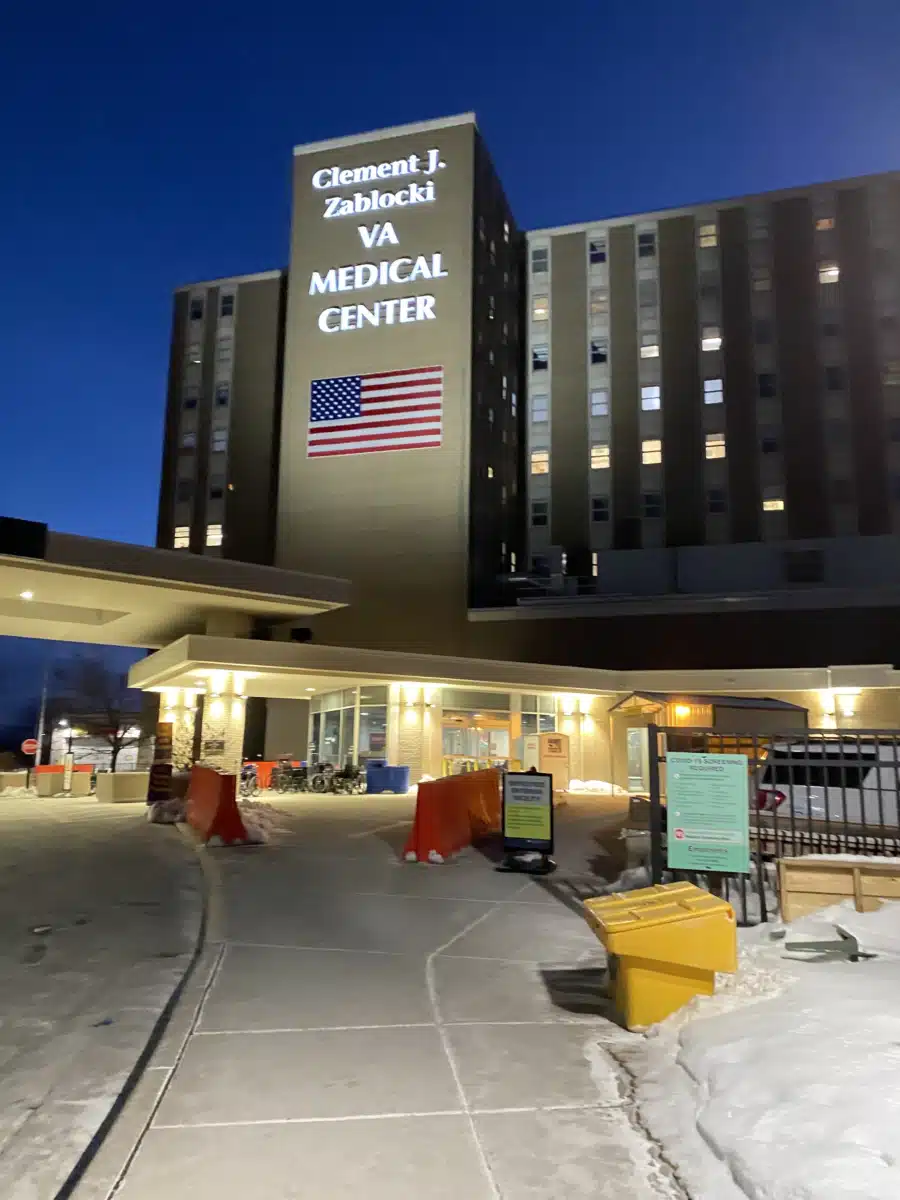
Mental Health Division

West Allis
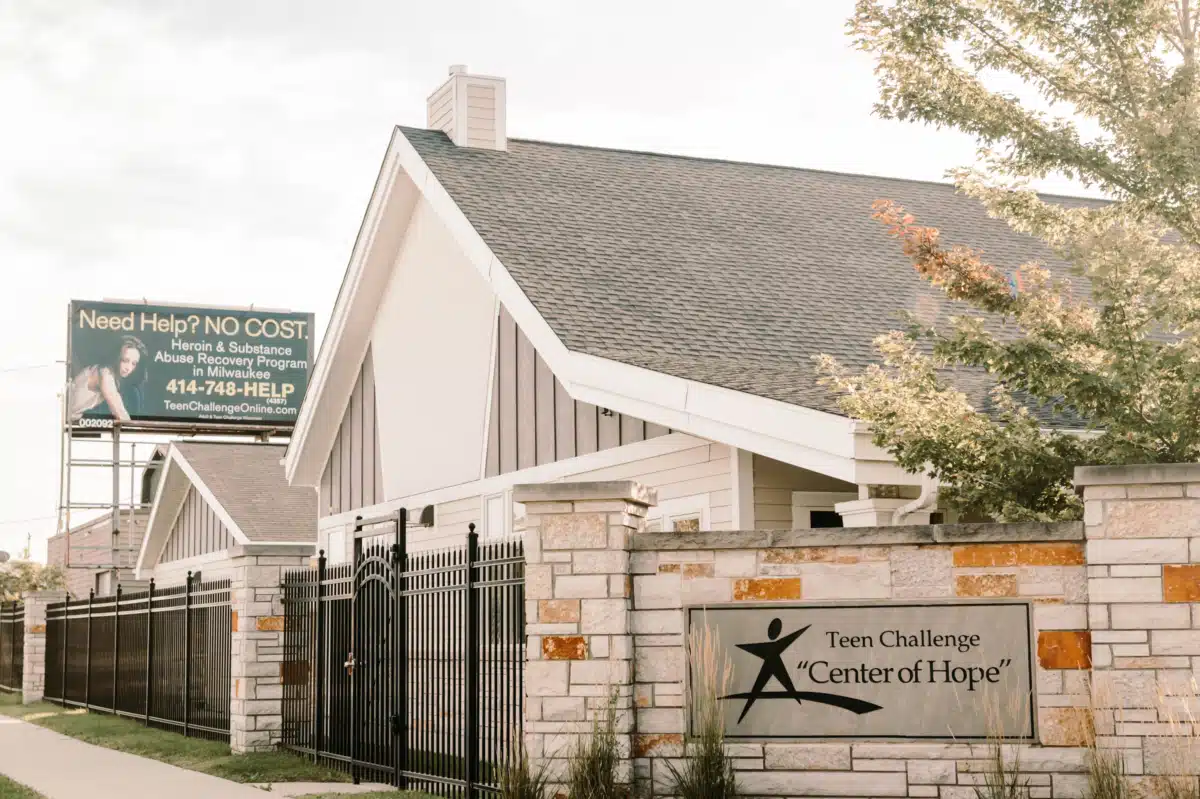
Robby Dawson Home for Women
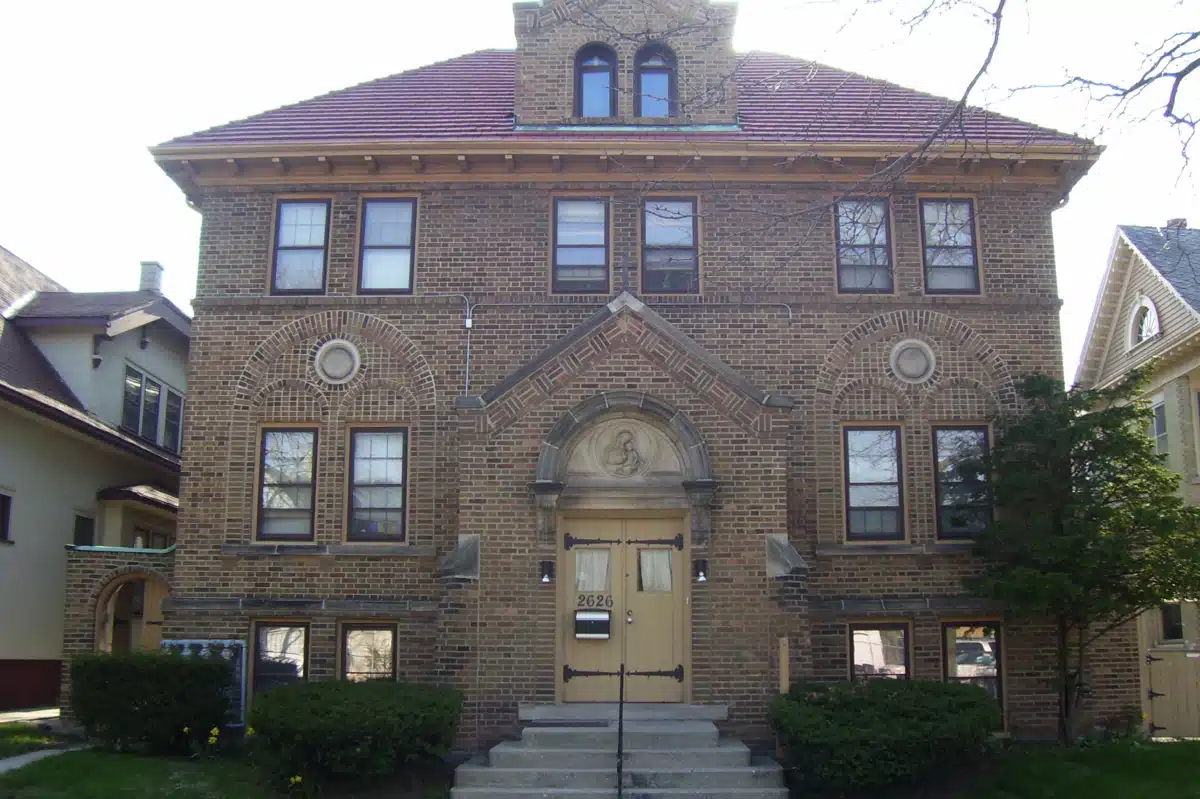
Women and Childrens Program
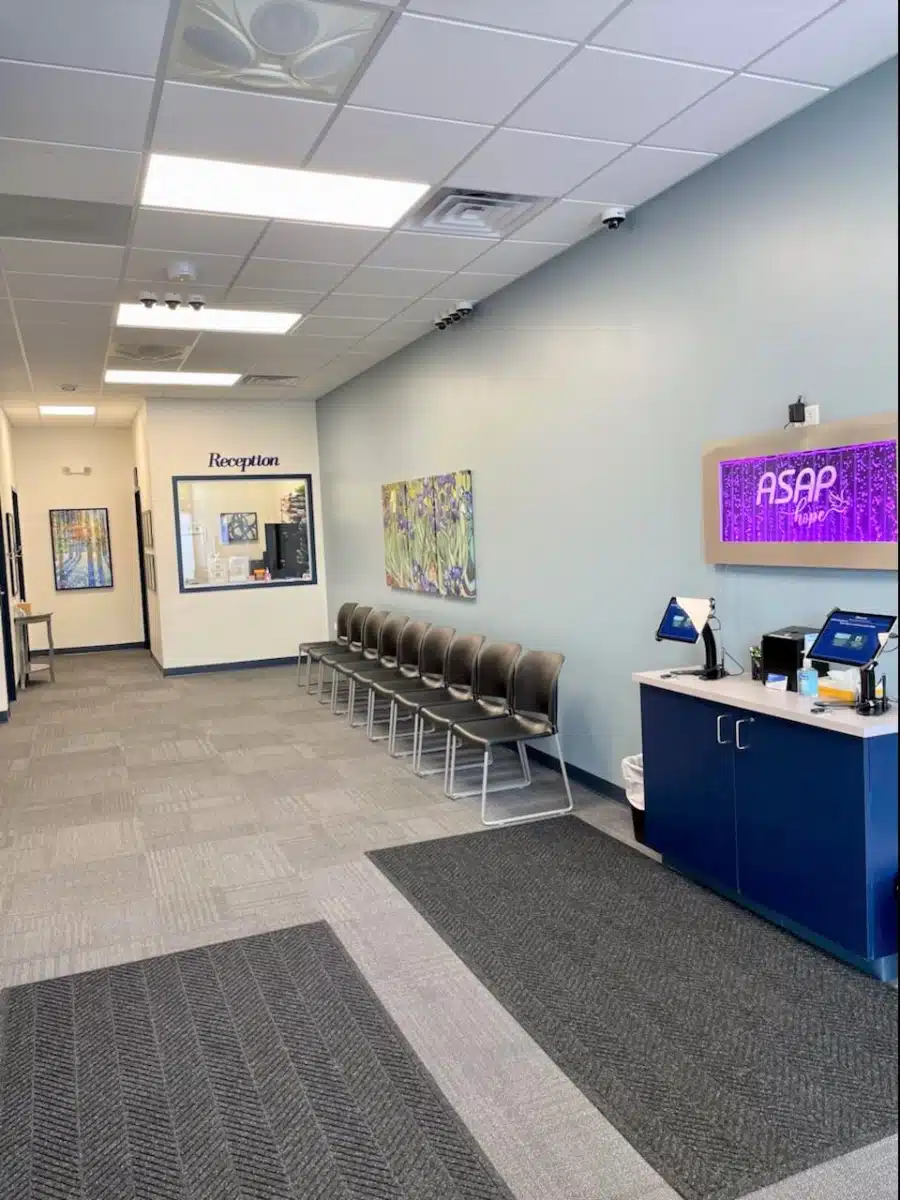
West Allis
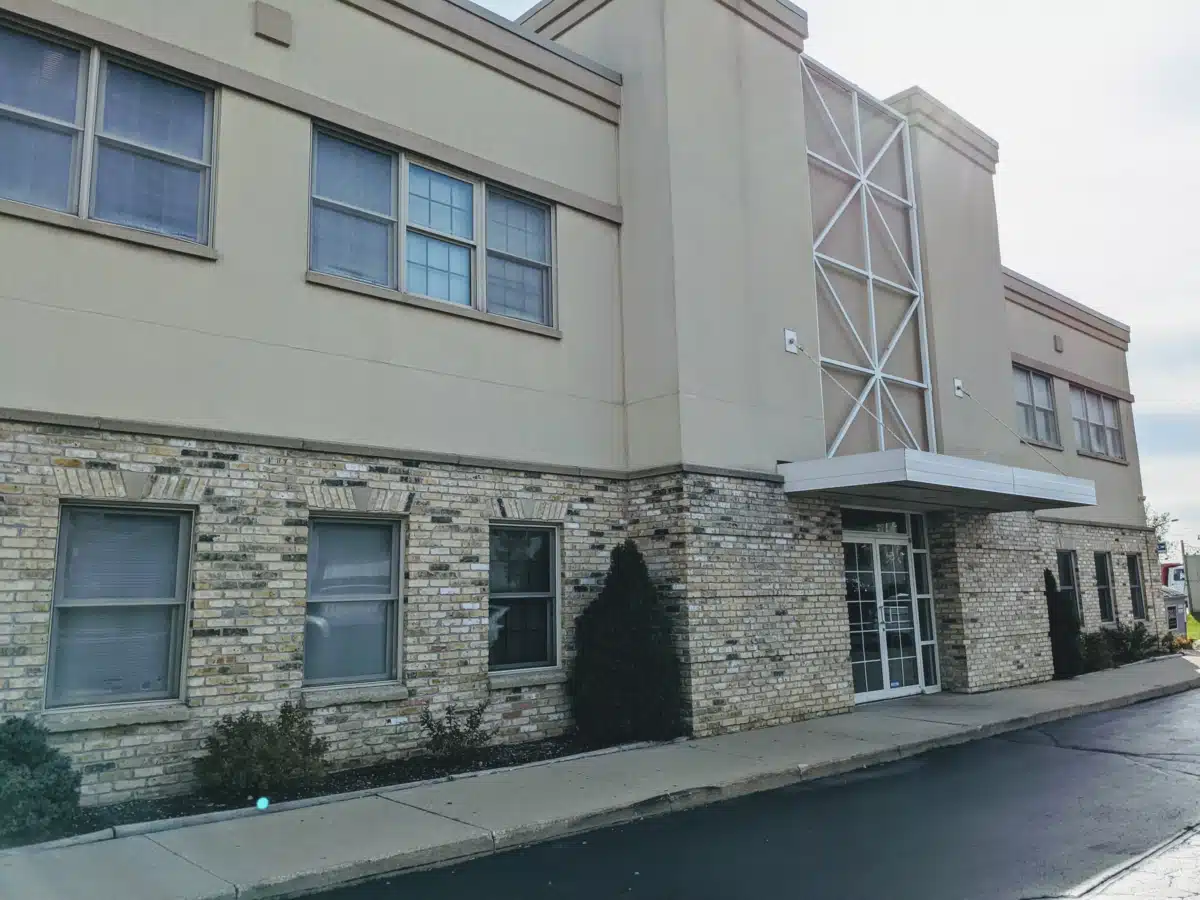

Behavioral Health


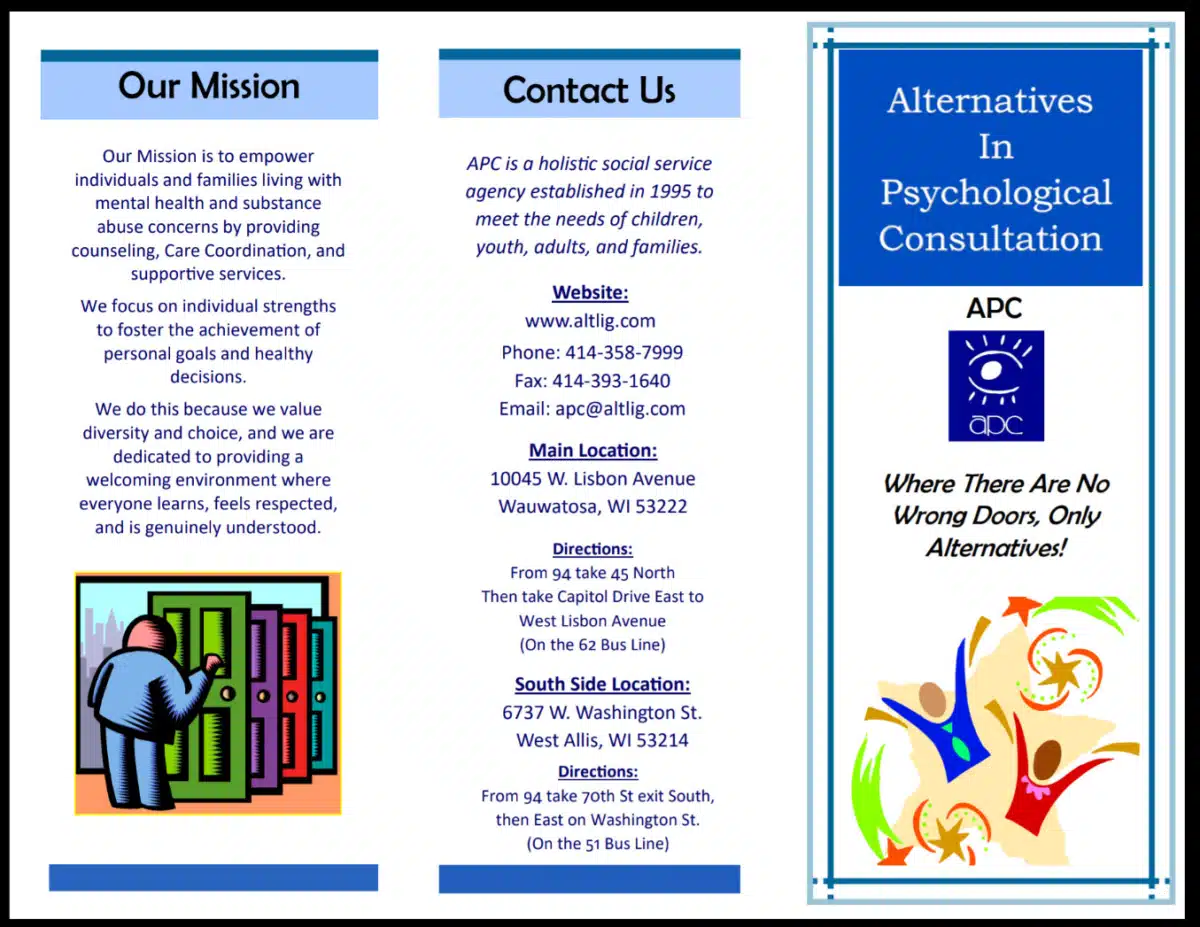
Consultation SC

Consultation SC
Milwaukee
Mens Residential
Treatment Options in Milwaukee
Treatment Locations in Milwaukee
Treatment options serve communities from downtown Milwaukee to the East Side, South Side, and suburban communities like Wauwatosa and Brookfield.
More Treatment Centers in Wisconsin
Madison
13 centers
Green Bay
8 centers
Waukesha
8 centers
Kenosha
6 centers
Appleton
5 centers
Sheboygan
5 centers
View all 89 cities in Wisconsin
Frequently Asked Questions About Treatment in Milwaukee
Sources
Medical Disclaimer
The information on this page is for educational purposes and is not a substitute for professional medical advice. If you or someone you know is experiencing a substance use crisis, call the SAMHSA National Helpline at 1-800-662-4357 (free, confidential, 24/7). For immediate danger, call 911 or the 988 Suicide & Crisis Lifeline by dialing 988.