
Drug & Alcohol Rehab Centers in Louisville, Kentucky
Louisville, Kentucky's largest city, sits at the epicenter of one of the nation's most devastating opioid crises. Kentucky has consistently ranked among the top states for drug overdose death rates, and Jefferson County — home to Louisville's approximately 630,000 residents — accounts for a significant share of the state's fatalities. The Kentucky Office of Drug Control Policy reported over 2,100 drug overdose deaths statewide in 2022, with fentanyl driving the sharpest increases. Opioid addiction remains Louisville's most pressing substance use challenge, but methamphetamine, cocaine, and alcohol use disorders also demand substantial treatment resources.
Louisville's treatment infrastructure benefits from the presence of the University of Louisville School of Medicine, which operates one of the state's leading addiction medicine programs. UofL Health provides comprehensive behavioral health services including medical detoxification, inpatient rehabilitation, and outpatient treatment. The university's Addiction Research Center conducts federally funded research on substance use interventions, bringing evidence-based innovations directly into clinical practice. Norton Healthcare and Baptist Health Louisville also operate behavioral health programs serving the metro area.
Medication-assisted treatment (MAT) has been central to Louisville's response to the opioid crisis. The city has a well-developed network of buprenorphine prescribers, multiple Opioid Treatment Programs providing methadone, and widespread naltrexone availability. Louisville Metro Government has invested in expanding MAT access through partnerships with community health centers and the Louisville Metro Department of Public Health & Wellness. The Volunteers of America Mid-States program provides MAT alongside housing support for individuals experiencing homelessness.
Louisville's recovery community is one of the most active in the country, with organizations like the Louisville Recovery Community Connection providing peer support, recovery coaching, and community events. Whether someone is seeking help for heroin dependence, prescription opioid misuse, benzodiazepine addiction, or co-occurring mental health and substance use disorders, Louisville offers a treatment system shaped by years of frontline experience addressing Kentucky's addiction crisis.
The Addiction Treatment Landscape in Louisville
Louisville's treatment landscape reflects both the severity of Kentucky's addiction crisis and the city's sustained commitment to building treatment capacity. SAMHSA's treatment locator identifies over 80 facilities within the Louisville metropolitan area, including programs operated by health systems, community mental health centers, and peer-led recovery organizations. The Kentucky Department for Behavioral Health, Developmental and Intellectual Disabilities (DBHDID) oversees licensing and funding for substance use treatment providers statewide.
Kentucky's response to the opioid epidemic has included several innovative programs headquartered in Louisville. The state's "Don't Let Them Die" campaign expanded naloxone distribution, and Louisville Metro Police and EMS carry naloxone on every call. The Louisville Metro Syringe Exchange Program, operated through the health department, provides harm reduction services including clean syringes, naloxone, fentanyl test strips, and connections to treatment.
Major treatment providers in the Louisville area include Centerstone Kentucky, The Brook Hospital (a UHS facility), The Healing Place, and Seven Counties Services (now Centerstone). The Healing Place, a nationally recognized long-term recovery program, offers a unique social model detox and peer-driven treatment approach that has been replicated in other cities. UofL Health's addiction medicine division provides residential treatment, intensive outpatient programs (IOP), and outpatient counseling, while community health centers fill gaps in underserved neighborhoods.
Types of Addiction Treatment Available in Louisville
Louisville offers the full continuum of addiction treatment. Medical detox programs are available at hospital-based units and at facilities like The Brook Hospital, providing medically supervised withdrawal management for opioids, alcohol, benzodiazepines, and stimulants. The Healing Place offers a peer-supported social model detox that is unusual in the field and has demonstrated strong outcomes for individuals who engage in their longer-term program.
Inpatient rehabilitation programs in Louisville range from short-term 28-day programs to extended stays of 90 days or more. Partial hospitalization programs (PHP) provide intensive daily treatment while patients live at home or in transitional housing. Intensive outpatient programs (IOP) meet three to five times per week and accommodate work and family responsibilities. Standard outpatient treatment includes individual counseling, group therapy, and family sessions on a weekly basis.
Treatment modalities available in Louisville include cognitive-behavioral therapy (CBT), dialectical behavior therapy, motivational interviewing, trauma-informed care, and 12-step facilitation. Specialized programs address dual-diagnosis conditions, trauma recovery, and women's specific needs. Holistic therapies such as equine-assisted therapy at nearby farms, art therapy, mindfulness meditation, and yoga are available at select programs. Sober living homes operate in neighborhoods throughout Louisville including the Highlands, Germantown, and St. Matthews, supporting the transition from treatment to independent living.
Insurance and Payment Options for Louisville Rehab
Addiction treatment facilities in Louisville accept a variety of insurance plans. Kentucky's behavioral health parity law and the federal Parity Act require insurers to cover substance use disorder treatment at the same level as other medical conditions. Kentucky Medicaid, expanded under the Affordable Care Act, provides comprehensive coverage for addiction services for eligible residents.
Kentucky Medicaid covers the full continuum of substance use disorder care, including medical detox, residential treatment, intensive outpatient, outpatient counseling, and medication-assisted treatment with buprenorphine, methadone, and naltrexone. Managed care organizations administering Kentucky Medicaid include Anthem Blue Cross Blue Shield, Aetna Better Health, Humana CareSource, Molina Healthcare, and WellCare. Kentucky's Medicaid expansion significantly increased the number of adults eligible for behavioral health services.
Private insurance carriers commonly accepted at Louisville treatment centers include Anthem, Humana (headquartered in Louisville), Cigna, UnitedHealthcare, and Aetna. Humana's local presence means many Louisville residents carry Humana plans with strong behavioral health benefits. For uninsured individuals, state-funded programs through DBHDID provide treatment at reduced or no cost. The Healing Place offers treatment regardless of ability to pay. The Louisville VA Medical Center at Robley Rex serves veterans with specialized substance use disorder programs.
Local Addiction Resources in Louisville
Louisville residents can access crisis and referral services through multiple channels. The Kentucky 988 crisis line provides 24/7 support for substance use and mental health emergencies. The KY HELP line (1-833-859-4357) connects callers with substance use treatment referrals statewide. The SAMHSA National Helpline (1-800-662-4357) offers free, confidential referrals to local treatment facilities and support groups.
Louisville's recovery community is exceptionally active. The Louisville Recovery Community Connection provides peer support services, recovery coaching, telephone recovery support, and community events. Alcoholics Anonymous meetings are held daily at dozens of locations, coordinated through the Louisville Central Office. Narcotics Anonymous, SMART Recovery, Celebrate Recovery, and Al-Anon groups also maintain active schedules. The Kentucky state resource page provides additional information on statewide programs and resources.
Community organizations including the Louisville Metro Department of Public Health & Wellness, Volunteers of America Mid-States, and the Kentucky Harm Reduction Coalition provide harm reduction services, naloxone distribution, syringe exchange, and overdose prevention education. The Louisville Syringe Exchange Program is one of the most active in the state. Kentucky's Recovery Ready Communities initiative has recognized Louisville for its commitment to supporting individuals in recovery through employment, housing, and community integration.
Want us to find the perfect facility for you?
Call now - it's completely free!
Showing 20 of 36 results

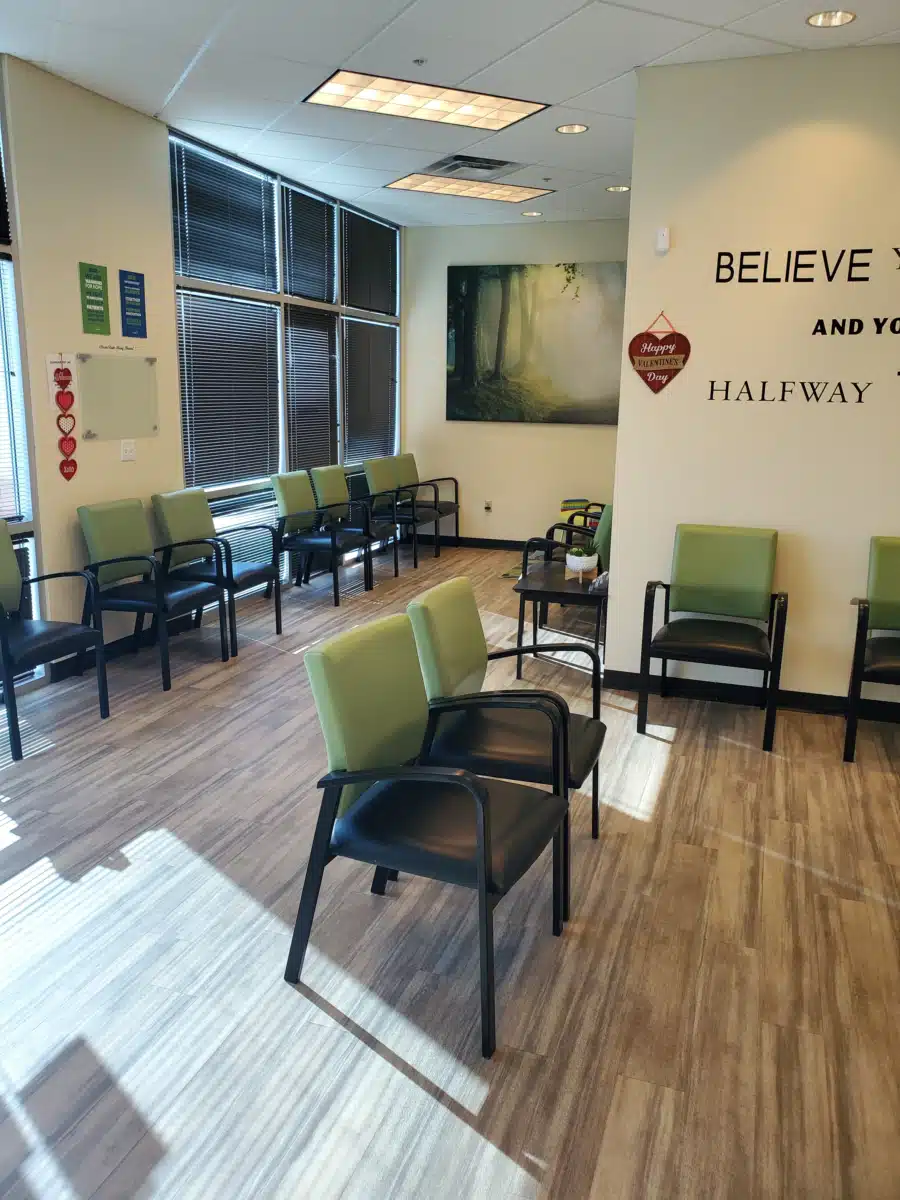
Louisville
Louisville PSC

Mens Facility

Louisville



BayMark Health Servs of Kentucky Inc

Louisville Counseling Center
Dupont

Lionrock Behavioral Health Inc



Counseling Center Inc

Womens Facility
Treatment Options in Louisville
Treatment Locations in Louisville
Treatment centers serve neighborhoods from downtown Louisville to the Highlands, St. Matthews, and surrounding Jefferson County communities.
More Treatment Centers in Kentucky
Lexington
32 centers
Bowling Green
14 centers
Elizabethtown
13 centers
Ashland
10 centers
Louisa
10 centers
Morehead
10 centers
View all 134 cities in Kentucky
Frequently Asked Questions About Treatment in Louisville
Sources
Medical Disclaimer
The information on this page is for educational purposes and is not a substitute for professional medical advice. If you or someone you know is experiencing a substance use crisis, call the SAMHSA National Helpline at 1-800-662-4357 (free, confidential, 24/7). For immediate danger, call 911 or the 988 Suicide & Crisis Lifeline by dialing 988.