
Drug & Alcohol Rehab Centers in Indiana
Indiana has approximately 500 licensed addiction treatment facilities providing care across a state where substance use disorder has become a defining public health challenge. The Indiana Division of Mental Health and Addiction (DMHA), housed within the Family and Social Services Administration (FSSA), oversees licensing, regulation, and funding of substance use disorder treatment statewide. Indiana's treatment system ranges from academic medical programs at IU Health and Indiana University School of Medicine to community mental health centers in every region and a growing network of peer-led recovery organizations.
In 2022, Indiana recorded approximately 2,800 drug overdose deaths, with illicitly manufactured fentanyl accounting for the majority of opioid-related fatalities. The crisis has been especially devastating in rural Indiana, where limited healthcare infrastructure, economic hardship, and geographic isolation compound the challenges of accessing treatment. Alcohol use disorder remains the most common substance use condition statewide, affecting hundreds of thousands of Hoosiers. Methamphetamine is the second most frequently cited substance in treatment admissions, particularly in southern and central Indiana, while cocaine use has increased in the Indianapolis metro area.
Indiana's treatment network covers the full ASAM continuum of care. From medical detoxification and residential treatment to intensive outpatient (IOP) programs and telehealth services reaching underserved rural communities, the state provides diverse recovery options. Evidence-based treatments including medication-assisted treatment (MAT), cognitive behavioral therapy (CBT), and dialectical behavior therapy (DBT) are integrated into Indiana's licensed programs. The state is also recognized for its strong recovery community organizations, which provide peer support, recovery coaching, and sober living resources that extend well beyond clinical treatment.
Addiction Treatment Landscape in Indiana
Indiana's addiction treatment system is coordinated by the Division of Mental Health and Addiction (DMHA) within the Family and Social Services Administration (FSSA). DMHA licenses treatment providers, distributes state and federal funding — including opioid settlement dollars and State Opioid Response (SOR) grants — and oversees the state's 25 community mental health centers, which serve as the primary entry point for publicly funded behavioral health services across all 92 counties.
Key statistics:
- Approximately 2,800 drug overdose deaths in 2022 (Indiana State Department of Health)
- About 500 licensed treatment facilities statewide (SAMHSA N-SSATS)
- Fentanyl involved in over 70% of opioid-related overdose deaths
- Rural southern Indiana counties have overdose rates significantly above the state average
The rural opioid crisis has been the central challenge for Indiana's treatment system. Southern Indiana counties — including Scott, Lawrence, and Washington — gained national attention during the 2015 HIV outbreak in Austin, Indiana, which was linked to injection drug use and underscored the devastating consequences of untreated opioid addiction in underserved communities. That crisis catalyzed expanded syringe services, MAT access, and treatment funding across the state. Indiana's Opioid Settlement funds are being directed toward treatment capacity, naloxone distribution, recovery housing, and workforce development.
Regional treatment patterns vary across Indiana. Indianapolis and the central corridor have the densest concentration of treatment providers, including IU Health's addiction medicine programs and multiple specialized facilities. Southern Indiana faces ongoing challenges with opioid and methamphetamine use in rural communities where provider shortages persist. Northern Indiana, including Fort Wayne and South Bend, has expanded treatment options through health system partnerships. The state's recovery community organizations — including Indiana Addiction Issues Coalition and local recovery community organizations in most counties — provide peer recovery support, coaching, and advocacy. Telehealth has become essential for serving Indiana's rural populations. Co-occurring mental health disorders are addressed through integrated treatment at many facilities statewide.
Types of Treatment Available in Indiana
Indiana offers the full ASAM continuum of addiction care through its licensed treatment network:
- Medical Detoxification: Hospital-based and standalone withdrawal management programs in Indianapolis, Fort Wayne, Evansville, South Bend, and other cities. IU Health and other hospital systems operate medically managed detox for complex cases.
- Residential Treatment: Programs from 30 to 90+ days across the state, including clinical programs in Indianapolis and surrounding metro areas, retreat-style facilities in rural settings, and long-term therapeutic communities. Indiana licenses both short-term and long-term residential providers.
- Partial Hospitalization (PHP): Structured day programs available in Indianapolis, Fort Wayne, and other larger cities, offering 5-7 days per week of intensive clinical treatment.
- Intensive Outpatient (IOP): Flexible 3-5 day per week programs available across Indiana's metro areas and increasingly in smaller communities. IOP is one of the most commonly utilized levels of care in the state.
- Standard Outpatient: Weekly individual and group therapy through community mental health centers, private practices, and federally qualified health centers in all regions.
- Telehealth Services: Indiana expanded telehealth for addiction treatment and maintains post-pandemic flexibilities. Telehealth is critical for rural communities where in-person treatment options are limited, particularly in southern and western Indiana.
Indiana is also recognized for its strong recovery community infrastructure. Recovery community organizations across the state provide peer recovery coaching, recovery housing referrals, employment support, and social connection beyond clinical treatment. IU Health affiliations provide access to addiction medicine research and evidence-based innovation. 12-step programs, SMART Recovery, and faith-based recovery groups are widely available. Many facilities integrate CBT, trauma-informed care, and MAT into comprehensive treatment plans.
Insurance & Healthy Indiana Plan (HIP) Coverage
Indiana Medicaid operates through the Healthy Indiana Plan (HIP), which expanded coverage under the Affordable Care Act through a Section 1115 waiver. HIP extends Medicaid eligibility to adults aged 19-64 with incomes up to 138% of the federal poverty level. The program uses a unique structure with POWER Accounts (Personal Wellness and Responsibility), requiring modest member contributions. HIP covers comprehensive substance use disorder treatment services including:
- Screening, assessment, and diagnosis
- Inpatient detoxification and residential treatment
- Partial hospitalization programs
- Outpatient and intensive outpatient treatment
- Medication-assisted treatment (methadone, buprenorphine, naltrexone)
- Peer recovery support services
- Case management and care coordination
- Crisis intervention services
HIP is administered through managed care entities including Anthem, CareSource, Managed Health Services (MHS/Centene), MDwise, and UnitedHealthcare. Indiana has worked to reduce barriers to MAT access through managed care requirements and expanded hub-and-spoke treatment models.
Private insurance plans in Indiana must comply with the federal Mental Health Parity and Addiction Equity Act (MHPAEA), requiring coverage of addiction treatment at parity with medical and surgical benefits. Major insurers including Anthem Blue Cross Blue Shield, Aetna, Cigna, UnitedHealthcare, and CareSource cover the full continuum of addiction care.
For uninsured individuals, Indiana's 25 community mental health centers provide publicly funded treatment through state and federal block grants. DMHA distributes State Opioid Response (SOR) grants and opioid settlement funds to community providers. Contact DMHA at 1-800-662-4357 (SAMHSA) or Indiana's 211 helpline for referrals to free and low-cost treatment.
Want us to find the perfect facility for you?
Call now - it's completely free!
Showing 3 of 403 results
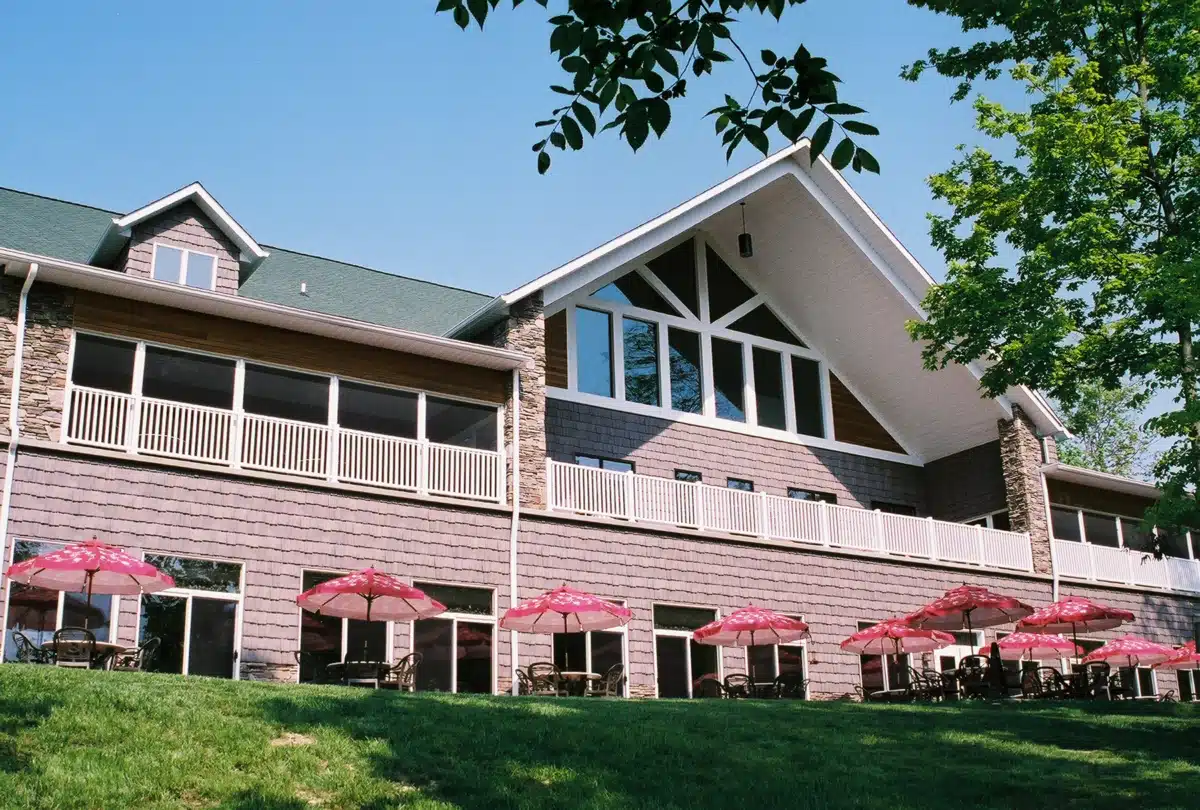

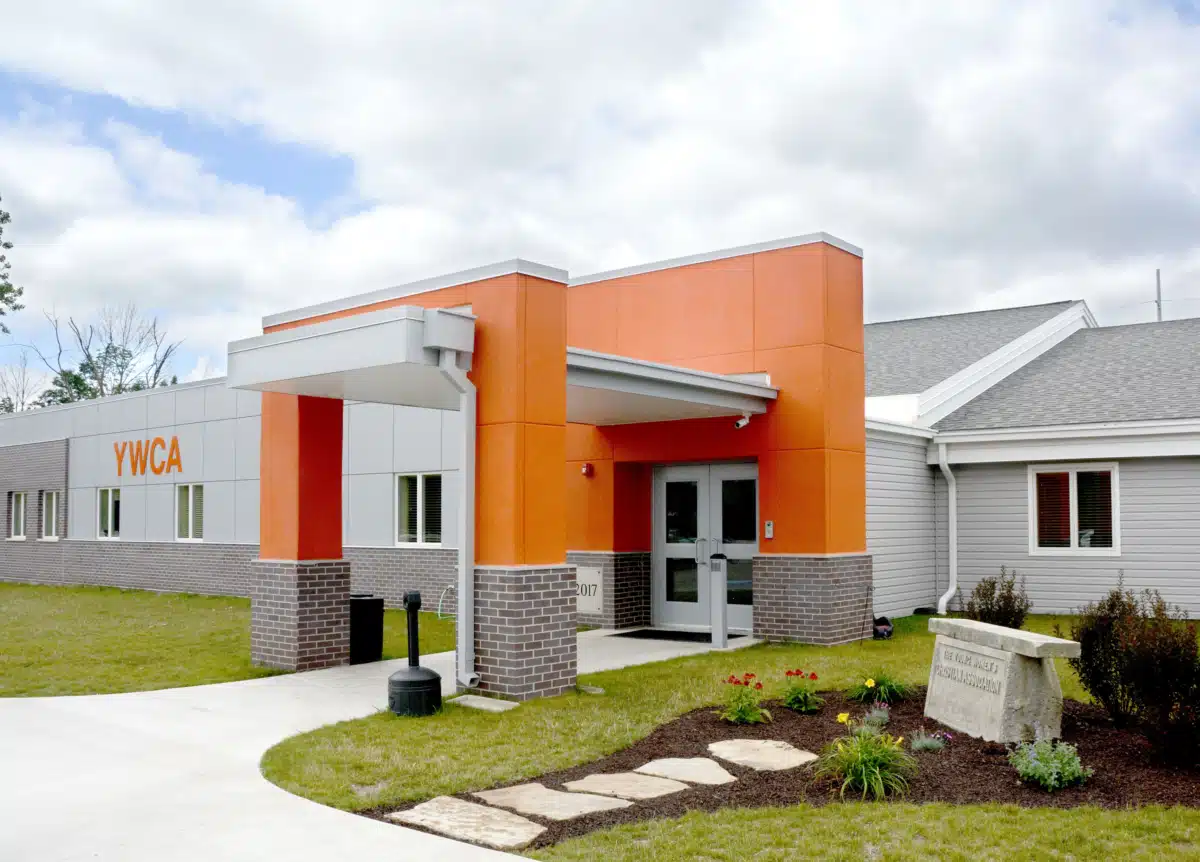
Hope and Harriet House
Treatment Highlights in Indiana
Popular Cities in Indiana
Indianapolis
59 centers
Fort Wayne
17 centers
Evansville
15 centers
Merrillville
12 centers
Bloomington
11 centers
Terre Haute
11 centers
Anderson
10 centers
Lafayette
10 centers
View all 120 cities in Indiana
Frequently Asked Questions About Treatment in Indiana
Sources
Medical Disclaimer
The information on this page is for educational purposes and is not a substitute for professional medical advice. If you or someone you know is experiencing a substance use crisis, call the SAMHSA National Helpline at 1-800-662-4357 (free, confidential, 24/7). For immediate danger, call 911 or the 988 Suicide & Crisis Lifeline by dialing 988.