
Drug & Alcohol Rehab Centers in Austin, Texas
Austin, Texas, has experienced rapid population growth over the past decade, surpassing one million residents and becoming one of the fastest-growing metro areas in the nation. Alongside this expansion, substance use challenges have intensified. According to the Texas Health and Human Services Commission, Travis County saw a significant increase in opioid-related overdose deaths between 2019 and 2023, with fentanyl-involved fatalities rising sharply. Opioid addiction, alcohol use disorder, and stimulant misuse are among the most commonly treated conditions in the Austin area.
Austin's treatment community is distinguished by its emphasis on innovation and holistic healing. The city is home to programs that integrate cognitive-behavioral therapy (CBT), mindfulness-based interventions, and holistic therapies such as yoga, meditation, and acupuncture alongside evidence-based clinical care. Medication-assisted treatment (MAT) with buprenorphine and naltrexone is widely available through both specialty clinics and primary care providers throughout Travis County.
The Austin area also serves as a hub for young adult and collegiate recovery. The University of Texas at Austin's Center for Students in Recovery is a nationally recognized program that supports students in maintaining sobriety while pursuing their education. This collegiate model has influenced the broader treatment culture in Austin, where programs frequently cater to individuals in their 20s and 30s. For those requiring more intensive care, medical detox and residential treatment facilities operate in and around the city, providing structured environments for early recovery.
Austin's recovery community is vibrant and deeply embedded in the city's culture. Sober social events, recovery-focused fitness programs, and peer support networks make it easier for individuals to build a substance-free life. Whether someone is seeking help for prescription drug misuse, cocaine addiction, or benzodiazepine dependence, Austin offers a progressive and compassionate treatment landscape supported by dedicated professionals and an engaged community.
The Addiction Treatment Landscape in Austin
Austin's addiction treatment landscape reflects the city's broader culture of innovation and community engagement. SAMHSA's treatment locator lists over 100 treatment facilities in the Austin-Round Rock metropolitan area, ranging from hospital-based programs to independent outpatient clinics. The Texas Health and Human Services Commission oversees substance use treatment licensing in the state, and Travis County's Integral Care serves as the local mental health and substance use authority, providing publicly funded treatment and crisis services.
The opioid crisis has hit Central Texas hard. Travis County experienced a 300% increase in fentanyl-related deaths between 2019 and 2022, prompting the city and county to invest in expanded medication-assisted treatment access and naloxone distribution. Austin-Travis County EMS has implemented leave-behind naloxone programs, and community organizations distribute the overdose-reversal medication at no cost. The Austin Opioid Coalition coordinates efforts across health systems, law enforcement, and community groups.
Major health systems in the area, including Ascension Seton, Baylor Scott & White, and the Dell Medical School at UT Austin, operate addiction medicine programs that combine research-driven care with clinical treatment. Integral Care's 24-hour psychiatric emergency services include substance use crisis intervention, and the organization operates several outpatient treatment locations. Austin also benefits from a robust network of private treatment providers offering intensive outpatient programs, dual-diagnosis treatment, and specialized tracks for professionals, first responders, and LGBTQ+ individuals.
Types of Addiction Treatment Available in Austin
Austin offers the full continuum of addiction treatment. Medical detoxification is available at hospital-based programs and standalone facilities, providing medically supervised withdrawal management for alcohol, opioids, and benzodiazepines. Following detox, individuals can transition to inpatient rehabilitation, where 28- to 90-day programs provide intensive therapy in a structured residential setting.
Partial hospitalization programs (PHP) in Austin offer a step down from residential care, with treatment five to seven days a week while patients return home in the evenings. Intensive outpatient programs (IOP) typically meet three to five days per week and allow individuals to maintain work or school responsibilities. Standard outpatient treatment includes weekly individual therapy, group counseling, and family sessions.
Austin is particularly known for its holistic and integrative treatment modalities. Many programs incorporate holistic therapies such as equine therapy, art and music therapy, mindfulness meditation, and outdoor adventure programming. Evidence-based approaches including CBT, dialectical behavior therapy, EMDR for trauma, and motivational interviewing are standard across most facilities. Sober living homes throughout Austin and the surrounding area provide supportive transitional housing for individuals completing formal treatment programs.
Insurance and Payment Options for Austin Rehab
Most addiction treatment facilities in Austin accept a variety of insurance plans. Texas law requires health benefit plans to cover chemical dependency treatment, and the federal Mental Health Parity and Addiction Equity Act ensures that substance use disorder coverage is comparable to medical and surgical benefits. This applies to employer-sponsored plans, ACA marketplace plans, and Medicaid managed care.
Texas Medicaid covers substance use disorder treatment including outpatient counseling, medication-assisted treatment, and residential services for eligible individuals. The state's STAR and STAR+PLUS managed care programs administer Medicaid behavioral health benefits. For residents who do not qualify for Medicaid, ACA marketplace plans purchased through Healthcare.gov include essential behavioral health benefits covering addiction treatment.
Private insurance carriers commonly accepted at Austin treatment centers include Blue Cross Blue Shield of Texas, Aetna, Cigna, UnitedHealthcare, and Humana. Integral Care provides publicly funded treatment for uninsured Travis County residents, and many private facilities offer sliding-scale fees or payment plans. State-funded treatment through the Texas Health and Human Services Commission is available for individuals who meet financial eligibility requirements.
Local Addiction Resources in Austin
Austin offers a wealth of addiction support resources beyond formal treatment. Integral Care operates a 24-hour crisis helpline (512-472-4357) for mental health and substance use emergencies, connecting callers with immediate support and treatment referrals. The SAMHSA National Helpline (1-800-662-4357) provides additional referral services around the clock.
The recovery community in Austin is one of the most active in Texas. Alcoholics Anonymous meetings are held daily across the city through the Austin Area Intergroup. Narcotics Anonymous, SMART Recovery, and Refuge Recovery offer alternative peer support options. The Austin Recovery Community Organization supports individuals in early recovery through peer mentoring, social events, and recovery coaching. The Texas state resource page provides additional information on statewide treatment programs and assistance.
Community organizations such as Communities for Recovery and the Austin Harm Reduction Coalition provide naloxone distribution, syringe services, and outreach to individuals who use drugs. The city's harm reduction vending machines, among the first in Texas, dispense naloxone and other supplies. UT Austin's Center for Students in Recovery and other collegiate recovery programs support young adults in maintaining sobriety on campus.
Want us to find the perfect facility for you?
Call now - it's completely free!
Showing 19 of 19 results
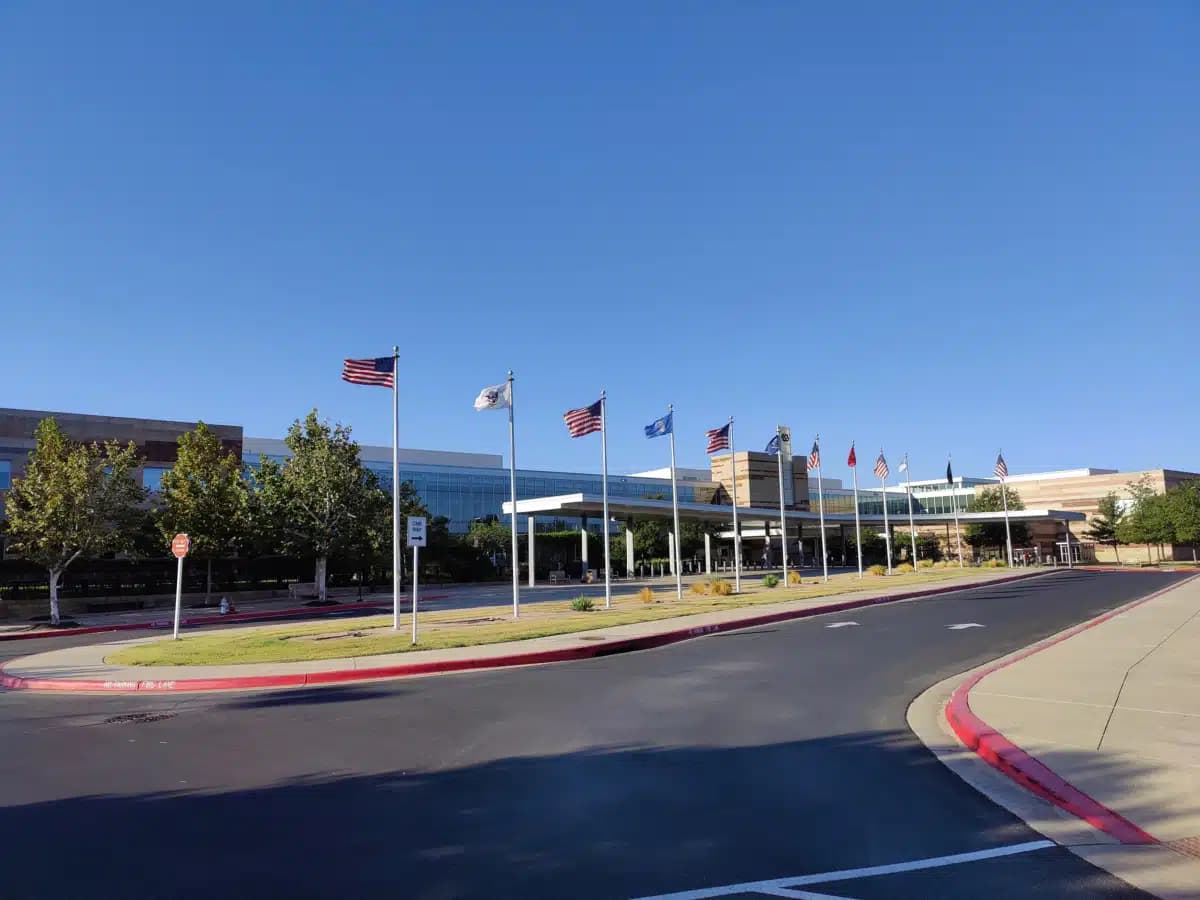
Austin Outpatient Clinic


Lionrock Behavioral Health Inc




Austin on Ferguson
Austin on William Cannon
DBA Addictions and Psychotherapy Servs

Ambulatory Detoxification


Counseling Center
Narcotic Treatment Program
Encore
Treatment Options in Austin
Treatment Locations in Austin
Facilities are located from downtown Austin to South Austin, East Austin, and surrounding communities like Round Rock and Georgetown, each offering unique recovery environments.
More Treatment Centers in Texas
Houston
56 centers
Dallas
28 centers
San Antonio
19 centers
Fort Worth
15 centers
El Paso
9 centers
Amarillo
7 centers
View all 150 cities in Texas
Frequently Asked Questions About Treatment in Austin
Sources
Medical Disclaimer
The information on this page is for educational purposes and is not a substitute for professional medical advice. If you or someone you know is experiencing a substance use crisis, call the SAMHSA National Helpline at 1-800-662-4357 (free, confidential, 24/7). For immediate danger, call 911 or the 988 Suicide & Crisis Lifeline by dialing 988.