
Drug & Alcohol Rehab Centers in Fort Worth, Texas
Fort Worth, Texas, is the 13th largest city in the United States with a population exceeding 950,000 residents. As the western anchor of the Dallas-Fort Worth Metroplex, Fort Worth faces substance use challenges common to major Texas cities while maintaining its own distinct treatment culture rooted in family, faith, and community. The Texas Health and Human Services Commission reports that Tarrant County, which encompasses Fort Worth, recorded over 600 drug-related deaths in 2022, with fentanyl and methamphetamine contributing to a growing share of fatalities. Opioid addiction, alcohol use disorder, and methamphetamine misuse are among the most pressing substance use concerns in the region.
Fort Worth's treatment community blends evidence-based clinical care with the city's strong faith-based traditions. Many recovery programs in the area incorporate spiritual components alongside cognitive-behavioral therapy, medication-assisted treatment (MAT), and trauma-informed care. Christian recovery programs, faith-integrated counseling, and church-affiliated support groups complement the secular treatment options available throughout the Metroplex.
The city is also known for its family-centered approach to addiction treatment. Programs in Fort Worth frequently involve family therapy, parenting skills development, and multi-generational healing components. Ranch-style therapeutic communities in surrounding Tarrant County and neighboring areas offer unique outdoor-focused recovery experiences that distinguish Fort Worth from other major Texas cities. Residential treatment centers in the area range from traditional clinical facilities to ranch settings that incorporate equine therapy and outdoor programming.
Fort Worth's position within the DFW Metroplex means that residents also have access to the broader network of treatment providers across Dallas, Arlington, and surrounding communities. Medical detox facilities, intensive outpatient programs, and sober living communities are available throughout the region, creating a comprehensive continuum of care for individuals struggling with heroin addiction, prescription drug dependence, or cocaine misuse.
The Addiction Treatment Landscape in Fort Worth
Fort Worth's addiction treatment landscape reflects both local resources and the broader DFW Metroplex treatment network. SAMHSA's treatment locator identifies over 90 treatment facilities in the Fort Worth area, with additional hundreds available across the Metroplex. The Texas Health and Human Services Commission licenses substance use treatment programs statewide, and MHMR of Tarrant County (now known as My Health My Resources of Tarrant County) serves as the local mental health and substance use authority, providing publicly funded treatment and crisis intervention services.
Tarrant County has been significantly impacted by the national fentanyl crisis. The Tarrant County Medical Examiner's Office reported a dramatic rise in fentanyl-involved deaths over recent years, with counterfeit pills and illicit fentanyl increasingly found in the local drug supply. The Tarrant County Substance Abuse Council and local law enforcement agencies have responded with community education campaigns, expanded naloxone distribution, and prescription drug take-back events. Fort Worth Police Department participates in the Angel Initiative, which connects individuals seeking help with treatment resources rather than criminal prosecution.
Major healthcare systems serving Fort Worth include JPS Health Network (the county's public hospital system), Texas Health Resources, Baylor Scott & White, and Medical City Healthcare. JPS Health Network operates behavioral health and substance use treatment services that are available regardless of ability to pay. The Cook Children's Health Care System addresses adolescent substance use through specialized programs for youth and families. Private treatment centers throughout the city offer dual-diagnosis care, intensive outpatient treatment, and specialized programming for professionals, veterans, and first responders.
Types of Addiction Treatment Available in Fort Worth
Fort Worth offers a comprehensive range of treatment options spanning every level of care. Medical detoxification programs at hospitals and licensed facilities provide supervised withdrawal management for alcohol, opioids, benzodiazepines, and methamphetamine. Hospital-based detox at JPS Health Network and other facilities ensures access to emergency medical care during the withdrawal process. Inpatient rehabilitation programs in the Fort Worth area provide 28- to 90-day structured treatment with daily therapy, group counseling, and relapse prevention planning.
Partial hospitalization programs (PHP) offer intensive day treatment for individuals who need significant support but do not require 24-hour residential care. Intensive outpatient programs (IOP) typically meet three to five evenings per week, accommodating working individuals and parents. Standard outpatient treatment provides weekly individual and group therapy sessions for ongoing recovery support.
Fort Worth's treatment community is distinguished by its specialty programming. Ranch-style therapeutic communities in Tarrant County and surrounding areas offer equine-assisted therapy, outdoor adventure programming, and agricultural activities as therapeutic modalities. Faith-based programs integrate biblical counseling, prayer, and spiritual mentoring alongside evidence-based practices. Medication-assisted treatment with buprenorphine, naltrexone, and methadone is available through opioid treatment programs and office-based prescribers. Holistic therapies including yoga, meditation, and art therapy complement clinical approaches at many facilities. Sober living homes throughout Fort Worth and the surrounding Metroplex provide structured transitional housing.
Insurance and Payment Options for Fort Worth Rehab
Most addiction treatment centers in Fort Worth accept a range of insurance plans. Texas law requires health benefit plans to provide coverage for chemical dependency treatment, and federal parity laws ensure that substance use disorder benefits are comparable to medical and surgical coverage. These protections extend to employer-sponsored plans, individual marketplace plans, and Medicaid managed care.
Texas Medicaid covers substance use disorder treatment including outpatient counseling, medication-assisted treatment, and residential rehabilitation for eligible individuals. Tarrant County residents can access Medicaid-funded behavioral health services through STAR and STAR+PLUS managed care plans. For residents who do not qualify for Medicaid, ACA marketplace plans purchased through Healthcare.gov include essential health benefits covering addiction treatment services.
Private insurance carriers commonly accepted at Fort Worth treatment facilities include Blue Cross Blue Shield of Texas, Aetna, Cigna, UnitedHealthcare, and Humana. JPS Health Network, as the county's public hospital system, provides treatment services on a sliding-fee scale for uninsured Tarrant County residents through its JPS Connection program. State-funded treatment through the Texas Health and Human Services Commission is available for individuals who meet financial eligibility requirements. Many private facilities also offer financing options and payment plans to help make treatment accessible.
Local Addiction Resources in Fort Worth
Fort Worth offers substantial addiction support resources beyond formal treatment programs. MHMR of Tarrant County operates a 24-hour crisis hotline (817-335-3022) for mental health and substance use emergencies, providing immediate support and treatment referrals. The SAMHSA National Helpline (1-800-662-4357) provides free, confidential referrals around the clock. The United Way's 211 helpline connects Tarrant County residents with local substance abuse resources and community services.
Fort Worth's recovery community is deeply interconnected with the city's faith traditions. Celebrate Recovery meetings are held at churches throughout the city, and many congregations host support groups for individuals and families affected by addiction. Alcoholics Anonymous meetings are available daily through the Fort Worth Area Intergroup. Narcotics Anonymous, Al-Anon, and SMART Recovery meetings offer additional peer support options. The Texas state resource page provides further information on statewide programs and resources.
The Tarrant County Substance Abuse Council coordinates community prevention efforts, provides public education about substance abuse, and maintains a resource directory for treatment services. The Fort Worth Recovery Community Organization supports individuals in recovery through peer coaching, sober social activities, and employment assistance. The Tarrant County Drug Court program offers court-supervised treatment as an alternative to incarceration for eligible individuals with substance use disorders.
Want us to find the perfect facility for you?
Call now - it's completely free!
Showing 15 of 15 results
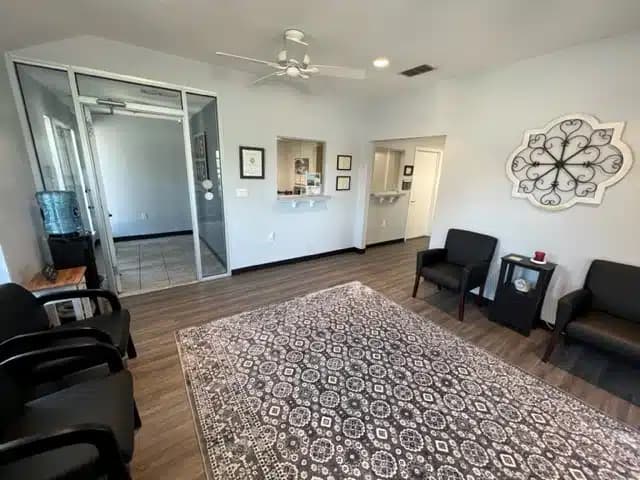
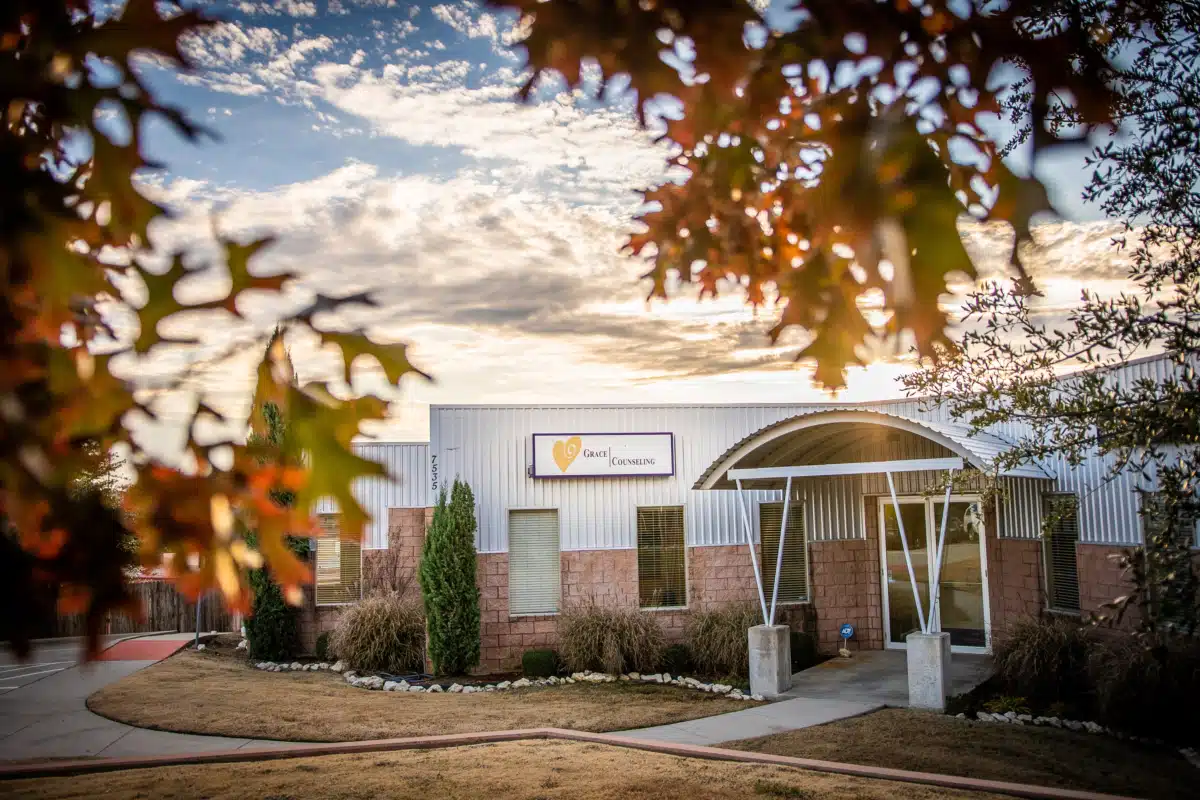
Fort Worth

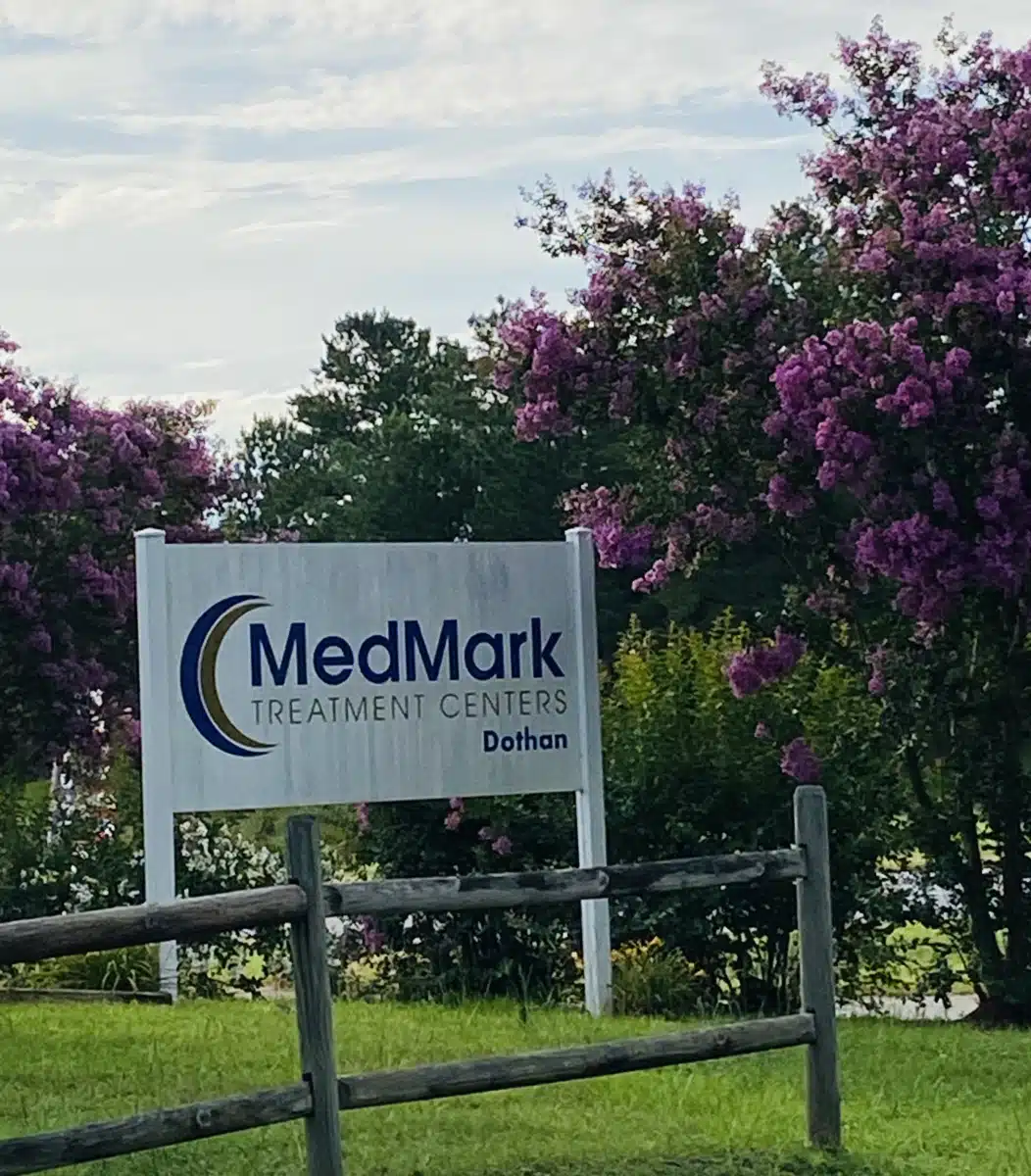

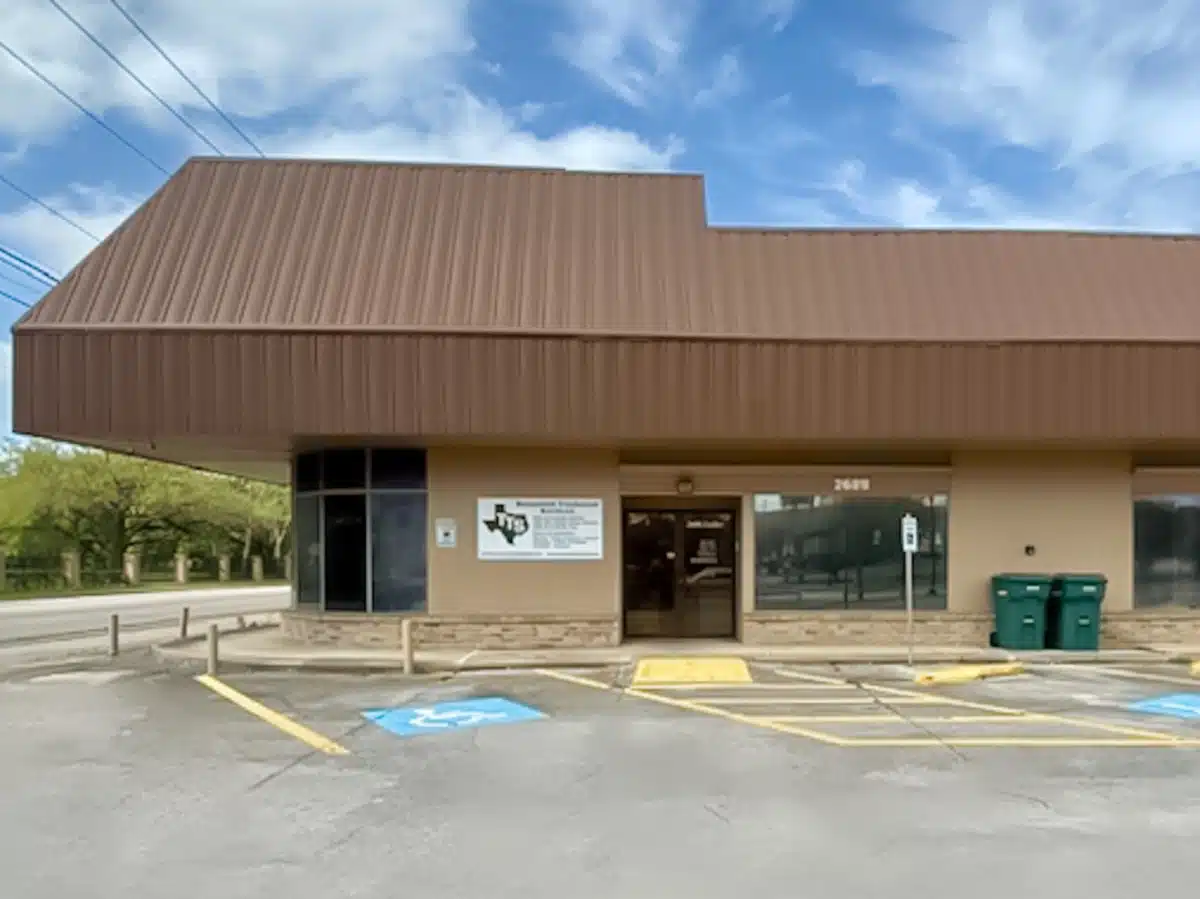
DBA Brentwood Treatment Services
Education Inc
(HOPE) Outpatient

CATS Substance Abuse Treatment Prog
Pine Street Res/Billy Gregory Detox

Fort Worth
DBA Hemphill Treatment Services

Riverside Treatment Center

Add Serv Div Tarrant Yth Recov Campus
Treatment Options in Fort Worth
Treatment Locations in Fort Worth
Facilities are located throughout Fort Worth from the Cultural District to the Stockyards area, with additional ranch-style options in surrounding Tarrant County.
More Treatment Centers in Texas
Houston
56 centers
Dallas
28 centers
Austin
19 centers
San Antonio
19 centers
El Paso
9 centers
Amarillo
7 centers
View all 150 cities in Texas
Frequently Asked Questions About Treatment in Fort Worth
Sources
Medical Disclaimer
The information on this page is for educational purposes and is not a substitute for professional medical advice. If you or someone you know is experiencing a substance use crisis, call the SAMHSA National Helpline at 1-800-662-4357 (free, confidential, 24/7). For immediate danger, call 911 or the 988 Suicide & Crisis Lifeline by dialing 988.