
Opioid Addiction Rehab Centers
The opioid epidemic has affected communities across America, making access to quality treatment more important than ever. Opioid addiction rehab centers offer life-saving medication-assisted treatment (MAT) using FDA-approved medications like buprenorphine, methadone, and naltrexone, combined with comprehensive behavioral therapies. These programs provide medical supervision during withdrawal, individual and group counseling, trauma-informed care, and relapse prevention strategies. Whether struggling with prescription opioids, heroin, or synthetic opioids like fentanyl, specialized opioid treatment programs can provide the foundation for sustainable recovery.
Found 42 rehab centers specializing in opioid addiction across the United States.
Want us to find the perfect facility for you?
Call now - it's completely free!
Showing 2 of 42 opioid addiction rehab centers
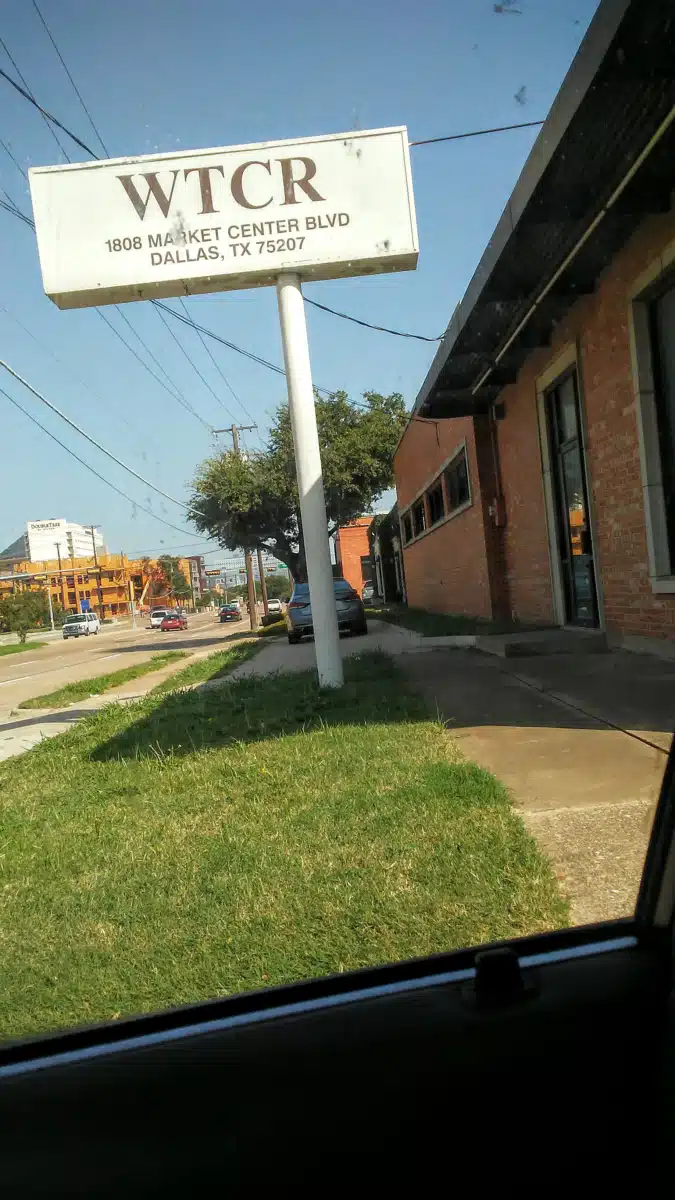
Situated in the heart of Dallas, TX, WTCR Dallas is a dedicated facility that specializes in outpatient detoxification and substance use treatment. They offer tailored programs specifically designed for pregnant and postpartum women, recognizing the unique challenges this demographic faces. Catering to both adults and young adults of all genders, WTCR Dallas employs a variety of treatment methods to ensure a personalized experience for each individual. Their offerings include the well-known 12-step facilitation, practical anger management strategies, and brief intervention techniques—all aimed at fostering a supportive path to recovery. One of the standout features of WTCR Dallas is their commitment to delivering high-quality care. They provide outpatient services utilizing methadone, buprenorphine, or naltrexone treatment options, which are crucial for those struggling with opioid dependence. This comprehensive approach not only emphasizes medical support but also nurtures a safe and inclusive environment, empowering individuals to embark on their healing and growth journey. WTCR Dallas stands as a beacon of hope for anyone seeking to reclaim their lives from substance use challenges.
View Details
Nestled in Wyandanch, NY, WellLife Network stands out as a dedicated provider of outpatient substance use treatment, particularly aimed at adults who are grappling with serious mental health challenges alongside their substance use issues. This facility excels in offering specialized programs that address a variety of emotional disturbances, equipping clients with essential tools through services such as anger management and cognitive behavioral therapy, as well as brief interventions to support their recovery journey. In addition to these services, WellLife Network also provides outpatient treatment options with methadone, buprenorphine, and naltrexone, which are vital for many individuals struggling with opioid dependence. Their commitment to holistic care extends to tailored programs designed specifically for adolescents, as well as distinct offerings for adult men and women. This gender-specific approach is central to their philosophy, ensuring that each client receives care that resonates with their unique experiences and needs. By focusing on individualized treatment plans, WellLife Network has positioned itself as a leading choice for those seeking compassionate and effective rehabilitation services, making a meaningful impact on the lives of both adults and children in the community.
View DetailsAbout Opioid Addiction Treatment
The opioid epidemic remains one of the most severe public health crises in the United States. The CDC reported over 81,000 opioid-involved overdose deaths in 2022, encompassing prescription painkillers, heroin, and synthetic opioids like fentanyl. Opioid Use Disorder (OUD) is a treatable medical condition, and evidence-based approaches — particularly Medication-Assisted Treatment (MAT) — have been shown to reduce overdose deaths by over 50% and significantly improve long-term recovery outcomes.
Understanding Opioid Addiction
Opioid addiction is a chronic brain disorder that can develop from using prescription painkillers, heroin, or synthetic opioids like fentanyl. The CDC reports that over 75% of drug overdose deaths in 2021 involved an opioid, highlighting the urgent need for effective treatment options.
Opioids commonly involved in addiction include:
- Prescription opioids: OxyContin, Vicodin, Percocet, morphine, codeine
- Heroin: Illegal opioid often mixed with fentanyl
- Synthetic opioids: Fentanyl, carfentanil (extremely potent)
Signs of Opioid Dependence
Recognizing opioid addiction early can save lives:
- Taking opioids in larger amounts or longer than prescribed
- Strong cravings and preoccupation with obtaining opioids
- Continuing use despite physical or psychological problems
- Withdrawal symptoms when reducing or stopping use
- Doctor shopping or seeking multiple prescriptions
- Social withdrawal and neglecting responsibilities
Medication-Assisted Treatment (MAT)
Medication-Assisted Treatment is the gold standard for opioid addiction treatment, combining FDA-approved medications with counseling and behavioral therapies.
FDA-Approved Medications
- Buprenorphine (Suboxone, Subutex): Reduces cravings and withdrawal symptoms
- Methadone: Long-acting medication provided through specialized clinics
- Naltrexone (Vivitrol): Blocks opioid effects and reduces cravings
Comprehensive Treatment Components
- Cognitive Behavioral Therapy: Addresses thought patterns and behaviors
- Trauma-Informed Care: Many with opioid addiction have underlying trauma
- Group Counseling: Peer support and shared recovery experiences
- Dual Diagnosis Treatment: Addresses co-occurring mental health conditions
- Relapse Prevention Planning: Strategies and support for long-term recovery
Treatment Levels and Settings
Opioid treatment is available at various intensity levels:
- Medical Detox - Safe, supervised withdrawal with medical support
- Residential Programs - Immersive 24/7 treatment environment
- Outpatient MAT Programs - Ongoing medication and counseling
What to Expect in Opioid Treatment
Opioid addiction treatment typically follows a structured progression tailored to the individual's substance use history, health status, and recovery goals.
- Assessment (Day 1): Comprehensive medical, psychiatric, and substance use evaluation to determine the appropriate level of care and whether MAT is indicated
- Medical Detox (Days 1–7): Medically supervised withdrawal management, often using buprenorphine or methadone taper to reduce withdrawal severity. Vital signs monitored around the clock
- Stabilization (Weeks 2–4): MAT medication dose optimization, introduction to individual and group therapy, development of a personalized treatment plan
- Active Treatment (Weeks 4–12+): Regular therapy sessions (CBT, trauma-informed care, group counseling), medication management, life skills development, and relapse prevention planning
- Step-Down & Aftercare: Transition from residential to IOP or outpatient, ongoing MAT maintenance, peer support groups, and regular check-ins
Treatment Outcomes
Research published in The Lancet demonstrates that patients receiving MAT for opioid use disorder have a 50% or greater reduction in overdose mortality. Studies show that longer retention in treatment — particularly MAT combined with behavioral therapy — is associated with significantly better long-term outcomes, including reduced illicit opioid use and improved social functioning.
Authoritative resources on opioid addiction:
Insurance & Payment for Opioid Addiction Treatment
Most health insurance plans are required to cover addiction and mental health treatment under the Mental Health Parity and Addiction Equity Act (MHPAEA) and the Affordable Care Act (ACA). This means treatment for opioid addiction is typically covered at the same level as other medical conditions.
Common insurance coverage for opioid addiction treatment includes:
- Medical detoxification services
- Inpatient/residential treatment programs
- Intensive outpatient programs (IOP)
- Outpatient therapy and counseling
- Psychiatric medication management
Coverage specifics vary by plan and provider. Contact your insurance company directly or call the treatment center to verify benefits before enrolling. Many facilities offer free insurance verification.
For those without insurance, options include state-funded programs through SAMHSA, Medicaid (eligibility varies by state), sliding-scale payment programs, and nonprofit treatment centers. Learn more about insurance coverage for addiction treatment.
Related Conditions & Treatments
Understanding the connections between conditions, treatment methods, and levels of care can help you make more informed decisions about recovery.
Levels of Care
Related Conditions
Medical Disclaimer
The information on this page is intended for educational purposes only and should not replace professional medical advice, diagnosis, or treatment. Always consult a qualified healthcare provider before making decisions about addiction treatment. If you or someone you know is in crisis, call the 988 Suicide & Crisis Lifeline or the SAMHSA National Helpline (1-800-662-4357).