
Drug & Alcohol Rehab Centers in Sacramento, California
Sacramento, California's state capital, faces significant substance abuse challenges reflective of statewide trends. Sacramento County reported over 500 overdose deaths in 2022, driven largely by fentanyl and methamphetamine. The region has seen a sharp rise in opioid-related emergencies, with fentanyl now present in a majority of overdose fatalities. For residents struggling with alcohol addiction, methamphetamine use, or prescription drug dependency, the Sacramento area offers a broad continuum of evidence-based treatment options.
The city benefits from its position as both a state capital and a major medical hub. UC Davis Health operates one of the region's leading addiction medicine programs, offering medical detoxification, medication-assisted treatment (MAT), and psychiatric care for co-occurring disorders. Sutter Health, Dignity Health, and Kaiser Permanente also maintain addiction treatment services throughout the Sacramento metro area, giving residents multiple pathways to inpatient and outpatient care.
Sacramento County's Department of Health Services oversees a network of publicly funded treatment programs that accept Medi-Cal, California's Medicaid program. The county's Alcohol and Drug Services division contracts with dozens of community-based providers offering residential treatment, intensive outpatient programs, and recovery support services. California's Drug Medi-Cal Organized Delivery System (DMC-ODS) waiver has expanded access to treatment for low-income residents, covering everything from detox to sober living transitional housing.
Beyond clinical treatment, Sacramento has a vibrant recovery community. Organizations like the Sacramento Recovery Community and Clean & Sober Transitional Living offer peer support and housing. Whether someone is dealing with heroin addiction, cocaine dependency, or benzodiazepine withdrawal, Sacramento provides the infrastructure and community support necessary for lasting recovery.
The Addiction Treatment Landscape in Sacramento
Sacramento's addiction treatment landscape reflects both the severity of California's substance abuse crisis and the state's aggressive investment in behavioral health infrastructure. SAMHSA lists over 150 treatment facilities in the Sacramento-Roseville-Folsom metropolitan area. Sacramento County has been particularly impacted by fentanyl, with the county coroner reporting a dramatic increase in fentanyl-related deaths since 2019. Methamphetamine remains the other dominant substance of concern, frequently co-occurring with opioid use.
The California Department of Health Care Services (DHCS) funds treatment through the Drug Medi-Cal system, and Sacramento County participates in the DMC-ODS waiver, which organizes substance use treatment into a coordinated system of care. This means residents can access a full continuum from withdrawal management through outpatient services and recovery residences under a single managed-care framework. The county's behavioral health division coordinates referrals and ensures quality oversight.
Major health systems anchor Sacramento's treatment capacity. UC Davis Medical Center houses a dedicated addiction medicine fellowship and provides dual-diagnosis treatment for patients with co-occurring mental health conditions. Sierra Vista Hospital offers psychiatric and substance use stabilization, while numerous community health centers — including WellSpace Health and Sacramento Native American Health Center — provide medication-assisted treatment and culturally specific programming. The region also benefits from proximity to residential programs in Placer and El Dorado counties, where Sierra foothill settings offer a therapeutic environment for longer-term recovery.
Types of Addiction Treatment Available in Sacramento
Sacramento offers every level of addiction care recognized by the American Society of Addiction Medicine (ASAM). Medical detox services are provided at hospitals including UC Davis Medical Center and Mercy General Hospital, where patients can safely withdraw from alcohol, opioids, and benzodiazepines under 24-hour medical supervision. Following stabilization, individuals may step down to residential treatment programs lasting 30 to 90 days, which offer structured therapy, group counseling, and life skills development.
Partial hospitalization programs (PHP) and intensive outpatient programs (IOP) are widely available throughout Sacramento, providing flexible options for those who need substantial therapeutic support while maintaining work or family commitments. Standard outpatient programs offer individual counseling, group therapy, and relapse prevention on a weekly basis. Many Sacramento providers use evidence-based modalities including cognitive-behavioral therapy (CBT), motivational interviewing, and contingency management.
Medication-assisted treatment (MAT) is a cornerstone of Sacramento's response to the opioid crisis. Multiple clinics offer buprenorphine (Suboxone) maintenance, and several opioid treatment programs provide daily methadone dosing. Sacramento also has providers offering extended-release naltrexone (Vivitrol) for both opioid and alcohol use disorders. Holistic therapies such as acupuncture, yoga, and equine-assisted therapy are available at select programs, and sober living homes across the region provide structured transitional housing for those completing formal treatment.
Insurance and Payment Options for Sacramento Rehab
Most Sacramento treatment facilities accept a broad range of insurance plans. California's Mental Health Parity Act and the federal Mental Health Parity and Addiction Equity Act require insurers to cover substance use disorder treatment at the same level as medical and surgical care. Major private insurers accepted across Sacramento include Aetna, Blue Shield of California, Cigna, UnitedHealthcare, and Kaiser Permanente, which operates its own integrated addiction treatment program.
Medi-Cal, California's Medicaid program, provides extensive coverage for addiction treatment in Sacramento County through the Drug Medi-Cal Organized Delivery System. Covered services include medical detoxification, residential treatment (up to two 90-day stays per year), intensive outpatient programs, outpatient counseling, medication-assisted treatment, and recovery support services. Covered California marketplace plans also include behavioral health and substance use disorder benefits for individuals who do not qualify for Medi-Cal.
For uninsured residents, Sacramento County's Alcohol and Drug Services division funds treatment slots through state and federal block grants. Community health centers like WellSpace Health offer sliding-fee-scale services. The Sacramento County Access Team (916-874-9754) serves as the single point of entry for publicly funded substance use treatment, conducting screenings and coordinating placement into appropriate programs regardless of insurance status.
Local Addiction Resources in Sacramento
Sacramento maintains a robust network of crisis and support resources for individuals and families affected by substance use. The Sacramento County Access Team (916-874-9754) provides screening, assessment, and referral to publicly funded treatment programs Monday through Friday. For immediate crisis support, the National Suicide Prevention Lifeline (988) and SAMHSA National Helpline (1-800-662-4357) are available 24/7. The California Poison Control Center (1-800-222-1222) handles overdose-related calls.
Mutual aid meetings are widely available across the Sacramento region. Alcoholics Anonymous (AA) Sacramento Central Office hosts dozens of meetings daily throughout the metro area, and Narcotics Anonymous (NA) Sacramento Area meetings are held every day of the week. SMART Recovery and Celebrate Recovery also maintain active Sacramento chapters. The California state resource page provides additional statewide recovery support information, and community organizations like the Sacramento Recovery Community offer sober social events and peer mentorship.
Harm reduction services in Sacramento include the Sacramento Harm Reduction Services organization, which provides naloxone distribution, syringe services, and overdose prevention education. The Sacramento County Department of Health distributes free naloxone kits through multiple community sites. For families seeking support, Al-Anon and Nar-Anon family groups hold regular meetings, and the National Alliance on Mental Illness (NAMI) Sacramento chapter offers education and advocacy for those dealing with co-occurring mental health and substance use challenges.
Want us to find the perfect facility for you?
Call now - it's completely free!
Showing 2 of 22 results
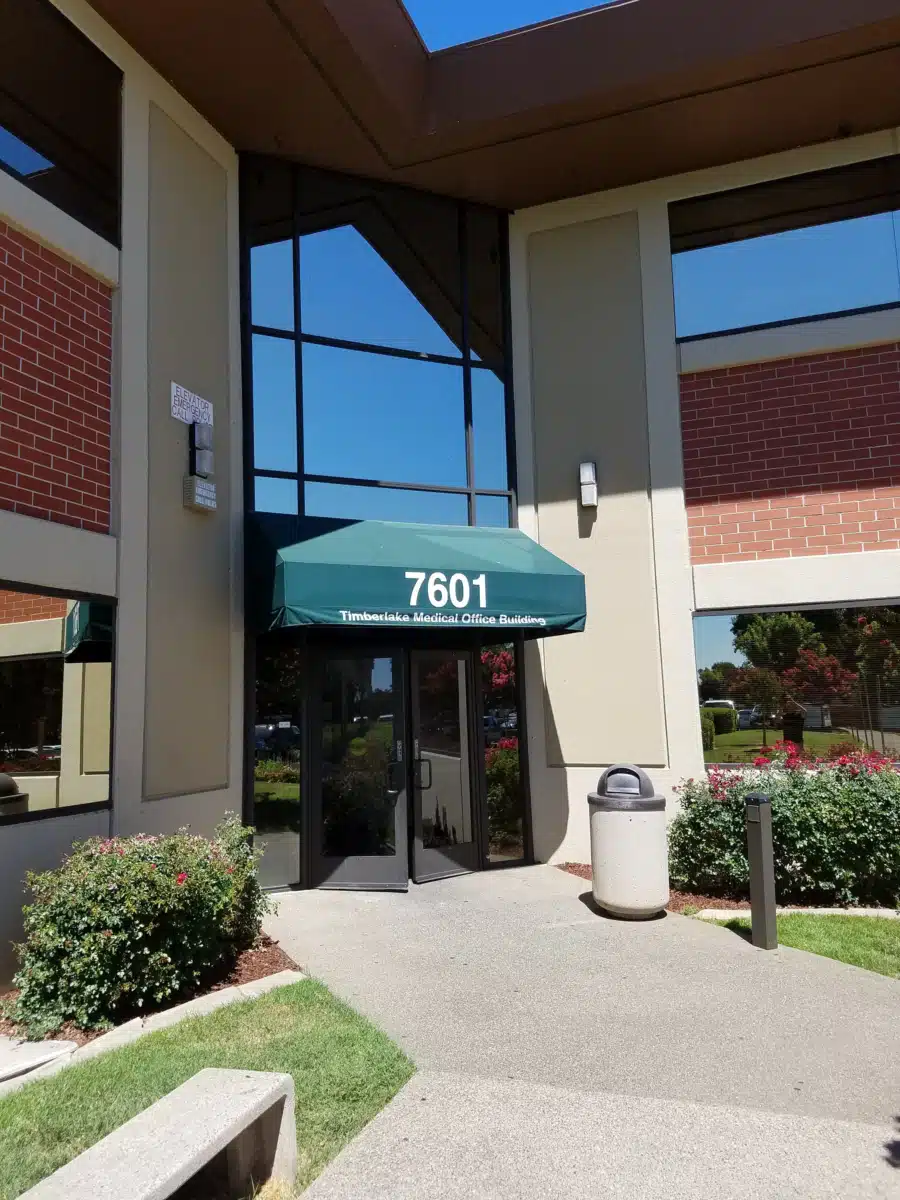
Behavioral Health North

Yancey Recovery Servs/Yancey Christian
Treatment Options in Sacramento
Treatment Locations in Sacramento
Treatment facilities serve communities from downtown Sacramento and Midtown to East Sacramento, Elk Grove, Rancho Cordova, Citrus Heights, and surrounding Sacramento County areas.
More Treatment Centers in California
Los Angeles
74 centers
San Diego
39 centers
Long Beach
29 centers
San Francisco
27 centers
Fresno
22 centers
Bakersfield
17 centers
View all 305 cities in California
Frequently Asked Questions About Treatment in Sacramento
Sources
Medical Disclaimer
The information on this page is for educational purposes and is not a substitute for professional medical advice. If you or someone you know is experiencing a substance use crisis, call the SAMHSA National Helpline at 1-800-662-4357 (free, confidential, 24/7). For immediate danger, call 911 or the 988 Suicide & Crisis Lifeline by dialing 988.