
Drug & Alcohol Rehab Centers in Dallas, Texas
Dallas, the third-largest city in Texas and a major economic hub of the American South, faces significant substance use challenges across its sprawling metropolitan area. Dallas County reported over 900 drug overdose deaths in 2023, driven by a surge in illicitly manufactured fentanyl that has transformed the local overdose landscape. While opioid addiction garners national attention, methamphetamine and alcohol use disorder remain the most prevalent substance use conditions treated across the DFW Metroplex.
Dallas benefits from a robust healthcare infrastructure, anchored by world-class medical institutions like UT Southwestern Medical Center, Baylor Scott & White Health, and Parkland Health. These systems operate specialized addiction treatment programs that range from medical detox and inpatient residential treatment to intensive outpatient programs (IOP) and outpatient therapy. The city's large corporate sector has also driven demand for discreet executive treatment programs that protect professional reputations while delivering evidence-based care.
The DFW Metroplex is home to more than 250 licensed addiction treatment facilities, providing every level of care from crisis stabilization to long-term sober living. Medication-assisted treatment (MAT) with buprenorphine, methadone, and naltrexone is available throughout the area, and many programs integrate cognitive-behavioral therapy (CBT), dialectical behavior therapy (DBT), and trauma-informed approaches into their clinical programming.
Dallas also has a strong tradition of faith-based recovery, with numerous Christian treatment centers and church-affiliated recovery programs operating across the Metroplex. These programs complement the clinical treatment landscape by offering spiritual frameworks for healing alongside evidence-based modalities. For families affected by addiction, Dallas facilities routinely provide family therapy and educational programming to support the entire household's recovery journey.
The Addiction Treatment Landscape in Dallas
Dallas County's addiction treatment landscape reflects the broader challenges facing major Texas cities. The Texas Health and Human Services Commission (HHSC) oversees state-funded substance use treatment, while the North Texas Behavioral Health Authority (NTBHA) serves as the Local Mental Health Authority for Dallas County, coordinating publicly funded behavioral health services and crisis intervention for residents who lack insurance or resources.
Methamphetamine and fentanyl represent the fastest-growing drug threats in the Dallas area. The DEA's Dallas Field Division reports dramatic increases in fentanyl seizures, while cocaine and prescription drug misuse continue at elevated levels. Alcohol remains the single most commonly treated substance across all Dallas County treatment admissions.
Major health systems with addiction treatment programs in Dallas include UT Southwestern Medical Center (which operates a nationally recognized addiction psychiatry program), Baylor Scott & White, Texas Health Resources, Methodist Health System, and Parkland Health (Dallas County's public safety-net hospital). These institutions provide MAT, group therapy, and individual counseling within both inpatient and outpatient settings.
The Metroplex's geographic sprawl means treatment options extend well beyond Dallas proper into Plano, Irving, Arlington, and Fort Worth, giving individuals access to hundreds of additional programs within a short drive. This breadth of options allows patients to find specialized care matching their specific needs and preferences.
Types of Addiction Treatment Available in Dallas
Dallas offers the full ASAM continuum of addiction care. Medical detoxification is available at Parkland Health, Baylor hospitals, and private treatment centers, providing medically supervised withdrawal management for opioids, alcohol, benzodiazepines, and other substances.
Residential inpatient treatment programs throughout the Metroplex range from 28 to 90 days, with options from luxury private facilities in Park Cities and Preston Hollow to community-based residential programs. Partial hospitalization programs (PHP) and intensive outpatient programs (IOP) provide structured clinical care while allowing individuals to return home in the evenings.
Specialized treatment tracks in Dallas include executive and professional programs offering confidentiality for high-profile clients, faith-based Christian recovery programs, dual diagnosis treatment for co-occurring mental health disorders, and programs targeting heroin, fentanyl, and methamphetamine addiction specifically. Young adult programs and Spanish-language services are also available at multiple facilities.
Standard outpatient treatment and sober living homes support individuals in the transition to independent recovery. Dallas has a growing network of sober living communities, particularly in East Dallas, Lakewood, and surrounding suburbs, providing structured peer support during early recovery.
Insurance and Payment Options for Dallas Rehab
Most Dallas addiction treatment facilities accept a broad range of insurance plans. Under the ACA and the Mental Health Parity Act, substance use disorder treatment is an essential health benefit that commercial insurers must cover at parity with medical and surgical benefits.
Texas Medicaid covers substance use treatment for eligible populations, including pregnant women, children, individuals with disabilities, and certain low-income adults. Although Texas has not expanded Medicaid under the ACA, the state's Medicaid program covers detox, residential care, outpatient counseling, and medication-assisted treatment for qualifying individuals. The North Texas Behavioral Health Authority (NTBHA) coordinates state-funded treatment slots for uninsured Dallas County residents.
Major commercial insurers accepted at Dallas treatment centers include Blue Cross Blue Shield of Texas, Aetna, Cigna, United Healthcare, Humana, and various employer-sponsored plans from major DFW corporations. Medicare covers addiction treatment for eligible individuals. Many Dallas employers — particularly in finance, energy, and technology sectors — offer EAP programs that facilitate confidential treatment referrals.
For uninsured residents, Parkland Health provides safety-net behavioral health services, and NTBHA can connect individuals with state-funded treatment. Community health centers offer sliding-scale fees, and the Texas HHSC helpline at 1-877-541-7905 provides referrals regardless of ability to pay.
Local Addiction Recovery Resources in Dallas
Dallas offers a robust network of recovery support. The North Texas Behavioral Health Authority operates crisis services and treatment referrals for Dallas County residents. The Crisis Services hotline can be reached at (214) 743-1200 for immediate behavioral health support 24/7.
The recovery community in Dallas is active and well-organized. Dallas Intergroup coordinates hundreds of weekly Alcoholics Anonymous meetings across the Metroplex, and Narcotics Anonymous, Celebrate Recovery, and SMART Recovery provide additional peer support options. The Dallas Recovery Community Alliance and other grassroots organizations offer sober social events, recovery coaching, and alumni networking.
SAMHSA's National Helpline (1-800-662-4357) and the Texas HHSC helpline (1-877-541-7905) provide free, confidential referrals. For overdose prevention, Dallas County distributes naloxone through community organizations and pharmacies.
For statewide information, visit our Texas addiction treatment guide, which includes facility listings and details on Texas Medicaid substance use benefits.
Want us to find the perfect facility for you?
Call now - it's completely free!
Showing 20 of 28 results
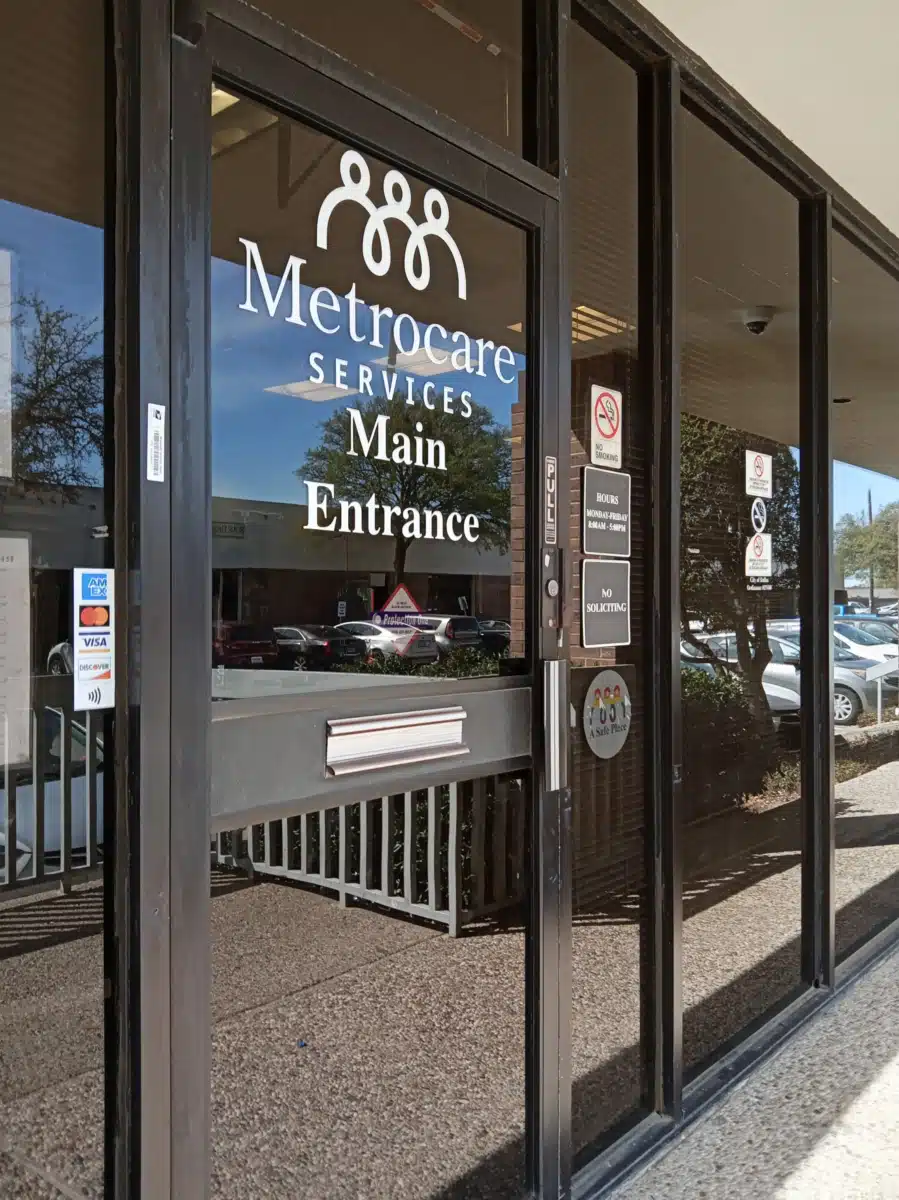
DBA Dallas Metrocare Servs/The Bridge
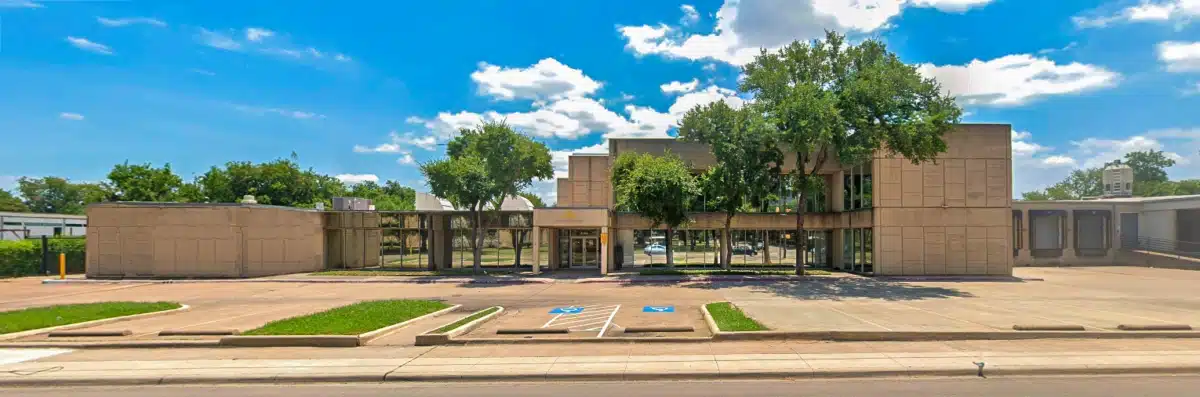


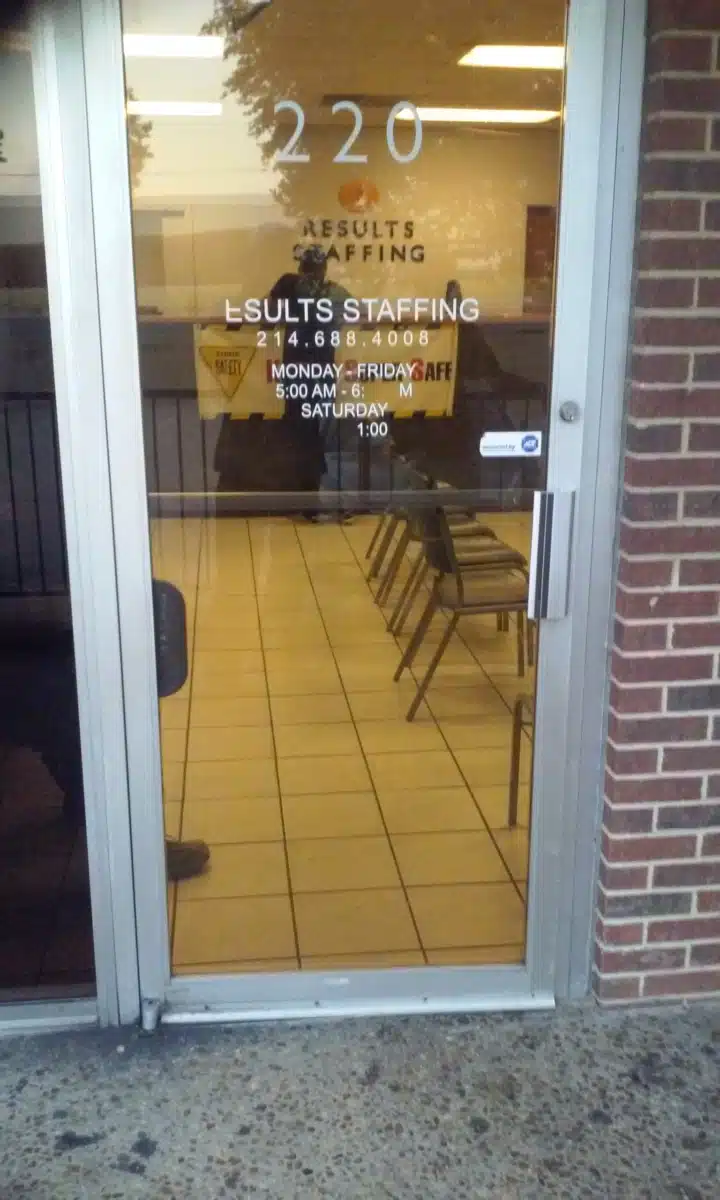
DBA Dallas Metrocare Services Skillman
DBA Dallas Metrocare Services Samuell

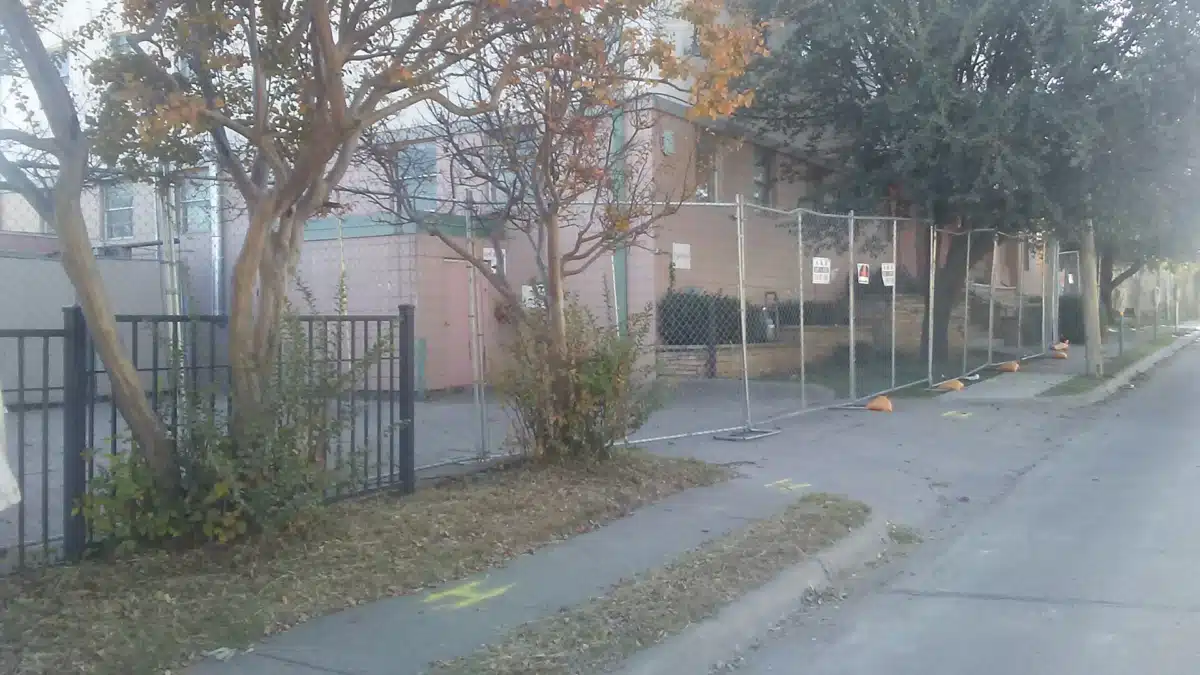
Dallas Residential Treatment Center

DBA Dallas Metrocare Servs/Lancaster



Opioid Treatment Program Inc
Dallas Outpatient Program
Treatment Options in Dallas
Treatment Locations in Dallas
Facilities are located throughout Dallas from Uptown and Park Cities to Oak Cliff and East Dallas, with additional options throughout the greater DFW Metroplex.
More Treatment Centers in Texas
Frequently Asked Questions About Treatment in Dallas
Sources
Medical Disclaimer
The information on this page is for educational purposes and is not a substitute for professional medical advice. If you or someone you know is experiencing a substance use crisis, call the SAMHSA National Helpline at 1-800-662-4357 (free, confidential, 24/7). For immediate danger, call 911 or the 988 Suicide & Crisis Lifeline by dialing 988.