
Drug & Alcohol Rehab Centers in Michigan
Michigan is home to approximately 900 licensed addiction treatment facilities, serving a state that has been among the hardest hit by the opioid epidemic in the Midwest. According to the Michigan Department of Health and Human Services (MDHHS), the state recorded nearly 3,000 opioid-related overdose deaths in 2022 — a figure that has more than tripled since 2015, driven largely by illicitly manufactured fentanyl penetrating communities from Detroit to the Upper Peninsula.
The state's treatment infrastructure benefits from nationally recognized healthcare systems including Henry Ford Health, Ascension Michigan, Spectrum Health (now Corewell Health), and the University of Michigan Health system in Ann Arbor. These institutions anchor a network of clinical programs offering medication-assisted treatment (MAT), cognitive behavioral therapy (CBT), and integrated dual-diagnosis care for co-occurring mental health and substance use disorders. Michigan's Community Mental Health system provides a safety net of publicly funded services in all 83 counties.
Michigan's Great Lakes environment offers a distinctive therapeutic setting. Many residential treatment programs incorporate the state's natural landscapes — lakeshores, forests, and rural farmland — into recovery programming. From medical detoxification in metro Detroit to intensive outpatient programs (IOP) in Grand Rapids and telehealth services reaching rural northern communities, Michigan provides a full continuum of evidence-based addiction care across diverse geographic settings.
Addiction Treatment Landscape in Michigan
Michigan's substance use crisis reflects broader national trends intensified by regional economic factors. The decline of manufacturing jobs in cities like Detroit and Flint contributed to despair-driven substance use, while the state's proximity to major drug trafficking corridors has increased the availability of fentanyl and synthetic opioids. MDHHS data shows that fentanyl is now involved in over 75% of all overdose deaths statewide.
Key statistics:
- Nearly 3,000 opioid-related overdose deaths in 2022 (MDHHS)
- Approximately 900 licensed treatment facilities statewide (SAMHSA N-SSATS)
- Over 200,000 Michigan adults meet criteria for an opioid use disorder
- Methamphetamine treatment admissions have increased 300% since 2015 in rural Michigan counties
The state's response has been coordinated through the Michigan Opioids Task Force and the Healing Communities Study, a federally funded research initiative testing community-level interventions in 16 Michigan counties. Michigan was among the first states to establish a statewide prescription drug monitoring program (MAPS) and has expanded naloxone access through standing orders at pharmacies.
Regional patterns shape the treatment landscape significantly. Metro Detroit and Wayne County account for the highest volume of overdose deaths and treatment admissions, with programs addressing heroin and fentanyl use alongside alcohol use disorder. West Michigan (Grand Rapids, Kalamazoo) has a growing network of faith-based and community programs. The Upper Peninsula and northern Lower Michigan face challenges with methamphetamine and limited treatment access, making telehealth an essential service delivery model.
Types of Treatment Available in Michigan
Michigan offers the full spectrum of addiction care recognized by the American Society of Addiction Medicine (ASAM):
- Medical Detoxification: Hospital-based and standalone withdrawal management programs are available across the state, with major capacity in Detroit, Grand Rapids, and Ann Arbor. Henry Ford Health and Ascension operate dedicated detox units.
- Residential Treatment: Programs range from 30-day to 90+ day options, including facilities along the Great Lakes shoreline and in rural settings. Dawn Farm in Ann Arbor and Sacred Heart in Memphis are among the state's well-known residential providers.
- Partial Hospitalization (PHP): Structured day programs offering 5-7 days per week of intensive treatment, primarily available in metro Detroit, Grand Rapids, and Lansing.
- Intensive Outpatient (IOP): Flexible 3-5 day per week programs widely available in all major Michigan cities, allowing clients to maintain employment and family responsibilities.
- Standard Outpatient: Weekly individual and group therapy sessions delivered through Community Mental Health agencies and private providers across all 83 counties.
- Telehealth Services: Michigan expanded telehealth for addiction treatment during COVID-19 and has maintained these flexibilities, which are critical for reaching underserved rural and Upper Peninsula communities.
Michigan also has a strong network of 12-step programs and SMART Recovery meetings. The state's Opioid Treatment Programs (OTPs) provide methadone and buprenorphine through certified clinics, and many primary care providers now offer office-based MAT through the federal hub-and-spoke model.
Insurance & Healthy Michigan Plan Coverage
Michigan expanded Medicaid under the Affordable Care Act through the Healthy Michigan Plan, which provides comprehensive health coverage — including substance use disorder treatment — to adults earning up to 138% of the federal poverty level. The Healthy Michigan Plan covers:
- Screening, assessment, and diagnosis
- Outpatient and intensive outpatient treatment
- Residential treatment services
- Withdrawal management (detoxification)
- Medication-assisted treatment (methadone, buprenorphine, naltrexone)
- Peer recovery support services
- Case management and care coordination
Over 1 million Michiganders are enrolled in the Healthy Michigan Plan as of 2024. Substance use disorder services are managed through Prepaid Inpatient Health Plans (PIHPs), which coordinate care at the regional level and contract with local providers. Michigan's 10 PIHP regions ensure that Medicaid-funded treatment is available across the state.
Private insurance plans in Michigan must comply with the federal Mental Health Parity and Addiction Equity Act (MHPAEA), requiring coverage of addiction treatment at parity with medical and surgical benefits. Major insurers including Blue Cross Blue Shield of Michigan, UnitedHealthcare, Aetna, and Priority Health cover the full continuum of addiction care.
For uninsured individuals, Michigan's Community Mental Health (CMH) system provides publicly funded treatment regardless of insurance status. SAMHSA block grant funding supports free and sliding-scale programs at community-based organizations statewide.
Want us to find the perfect facility for you?
Call now - it's completely free!
Showing 20 of 360 results

Residential
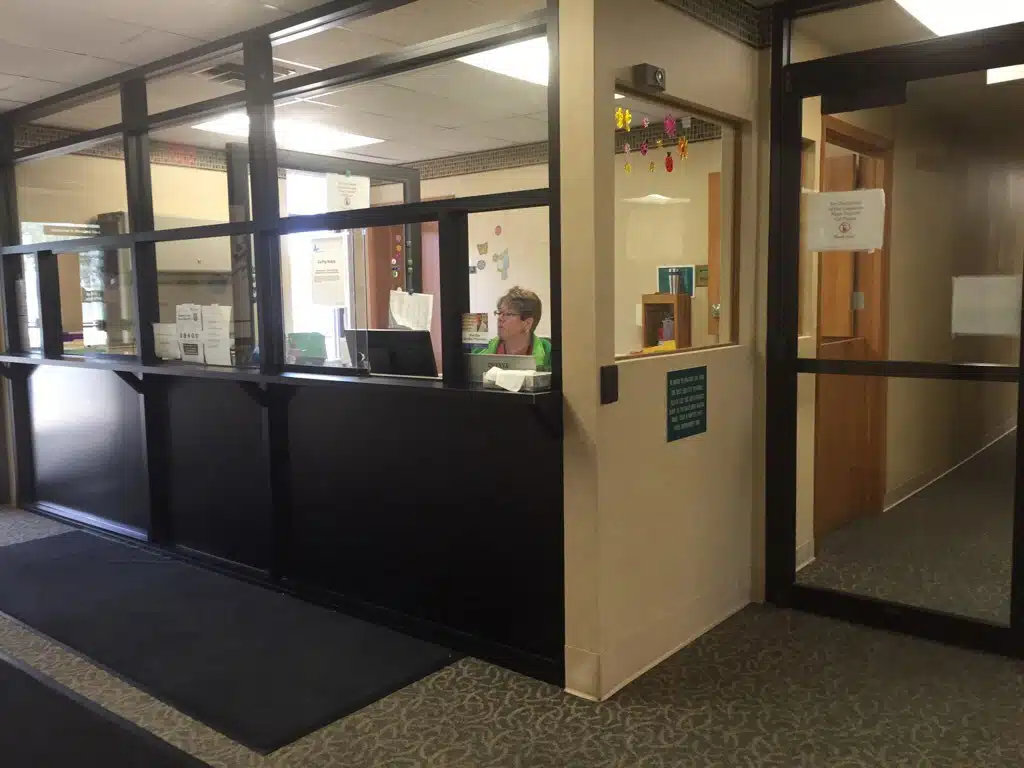
DBA Riverwood Center
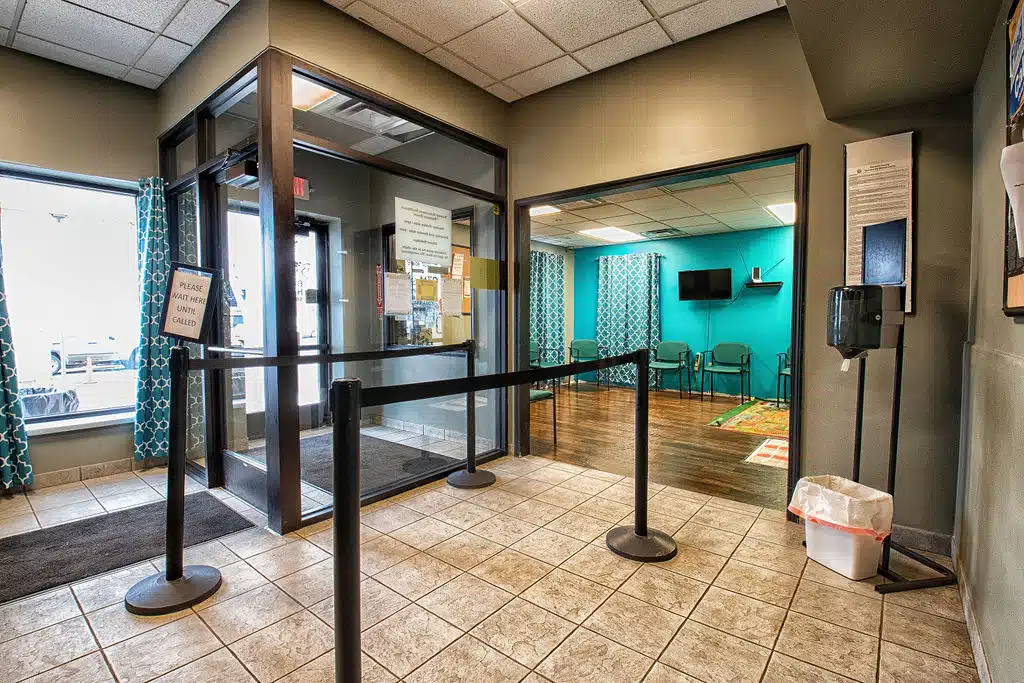

Genesee Counties
Washtenaw County
Shiawassee and Genesee Counties

Saint Clair County Inc/SA Services


Western Michigan University


DBA Woodlands Behavioral Healthcare
Cheboygan
DBA Riverwood Center
Treatment Highlights in Michigan
Popular Cities in Michigan
Detroit
31 centers
Grand Rapids
20 centers
Flint
13 centers
Ann Arbor
12 centers
Lansing
10 centers
Kalamazoo
9 centers
Muskegon
9 centers
Holland
8 centers
View all 136 cities in Michigan
Frequently Asked Questions About Treatment in Michigan
Sources
- Michigan Department of Health and Human Services — Substance Use Disorder Services
- SAMHSA National Survey on Drug Use and Health (NSDUH) 2022
- Healthy Michigan Plan — Eligibility and Benefits
- Michigan Opioids Task Force Report
- NIH HEAL Initiative — Healing Communities Study
- SAMHSA National Helpline — 1-800-662-4357
Medical Disclaimer
The information on this page is for educational purposes and is not a substitute for professional medical advice. If you or someone you know is experiencing a substance use crisis, call the SAMHSA National Helpline at 1-800-662-4357 (free, confidential, 24/7). For immediate danger, call 911 or the 988 Suicide & Crisis Lifeline by dialing 988.