
Long-term Residential Treatment Centers
Long-term residential programs provide extended treatment lasting 60 days to 12 months or longer. These programs are ideal for individuals with severe addictions, co-occurring disorders, limited support systems, or histories of relapse. Extended time allows for deeper therapeutic work, thorough exploration of underlying issues, development of vocational skills, and gradual reintegration into society. Research consistently shows that longer treatment durations are associated with better long-term outcomes.
Found 1,583 long-term residential treatment centers across the United States.
Want us to find the perfect facility for you?
Call now - it's completely free!
Showing 3 of 1583 long-term residential treatment centers
Nestled in the heart of West Palm Beach, Florida, iKare Treatment Center LLC is dedicated to providing long-term residential programs focused on treating substance use disorders and co-occurring mental health challenges for both adults and children. This facility is committed to offering around-the-clock care, ensuring that clients receive the support they need at any time of day or night. What sets iKare apart is its expertise in various therapeutic approaches, including 12-step facilitation, anger management techniques, and brief intervention strategies. These specialized methods are designed to help individuals navigate their recovery journey effectively. The center also features tailored programs that specifically address the needs of certain populations, including active duty military personnel, adolescents, and adult men. Importantly, iKare Treatment Center LLC is inclusive, welcoming adults and seniors regardless of gender, fostering an environment where everyone can feel comfortable and supported. At the heart of iKare's mission is a strong commitment to quality care, emphasizing the importance of individualized treatment plans. This personalized approach is integral in helping clients achieve lasting recovery and enhance their overall well-being. Whether you're seeking help for yourself or a loved one, iKare Treatment Center is equipped to provide the compassionate and effective care necessary for a successful recovery journey.
View Details
Zinnia Exeter, located in the heart of Exeter, Rhode Island, stands out as a leading rehabilitation center dedicated to helping individuals on their journey to recovery from substance use disorders. With a strong commitment to quality care, the center offers a variety of specialized services tailored to meet diverse needs. At Zinnia Exeter, clients can access essential services such as hospital inpatient detoxification, which provides a safe environment for individuals to cleanse their bodies of substances, and 24-hour inpatient care that ensures continuous support and medical attention. For those who require more extended help, long-term residential treatment options are also available, allowing individuals to immerse themselves in a structured recovery environment. One of the distinctive features of Zinnia Exeter’s approach is its emphasis on evidence-based methods, including 12-step facilitation—a guiding framework for many in recovery. In addition, the center offers programs in anger management and brief intervention strategies, recognizing that these aspects are often crucial for long-term healing. The facility is dedicated to serving a broad spectrum of clients, including adult men and women, as well as individuals who have faced the challenges of intimate partner violence or domestic violence. This inclusive approach means that Zinnia Exeter caters to adults and young adults of all genders, ensuring that everyone feels welcome and supported. By focusing on comprehensive care and fostering an environment conducive to healing, Zinnia Exeter continues to be a vital resource for individuals taking meaningful steps toward sobriety. If you or someone you know is seeking assistance, the compassionate team at Zinnia Exeter is ready to help guide you through the recovery process.
View Details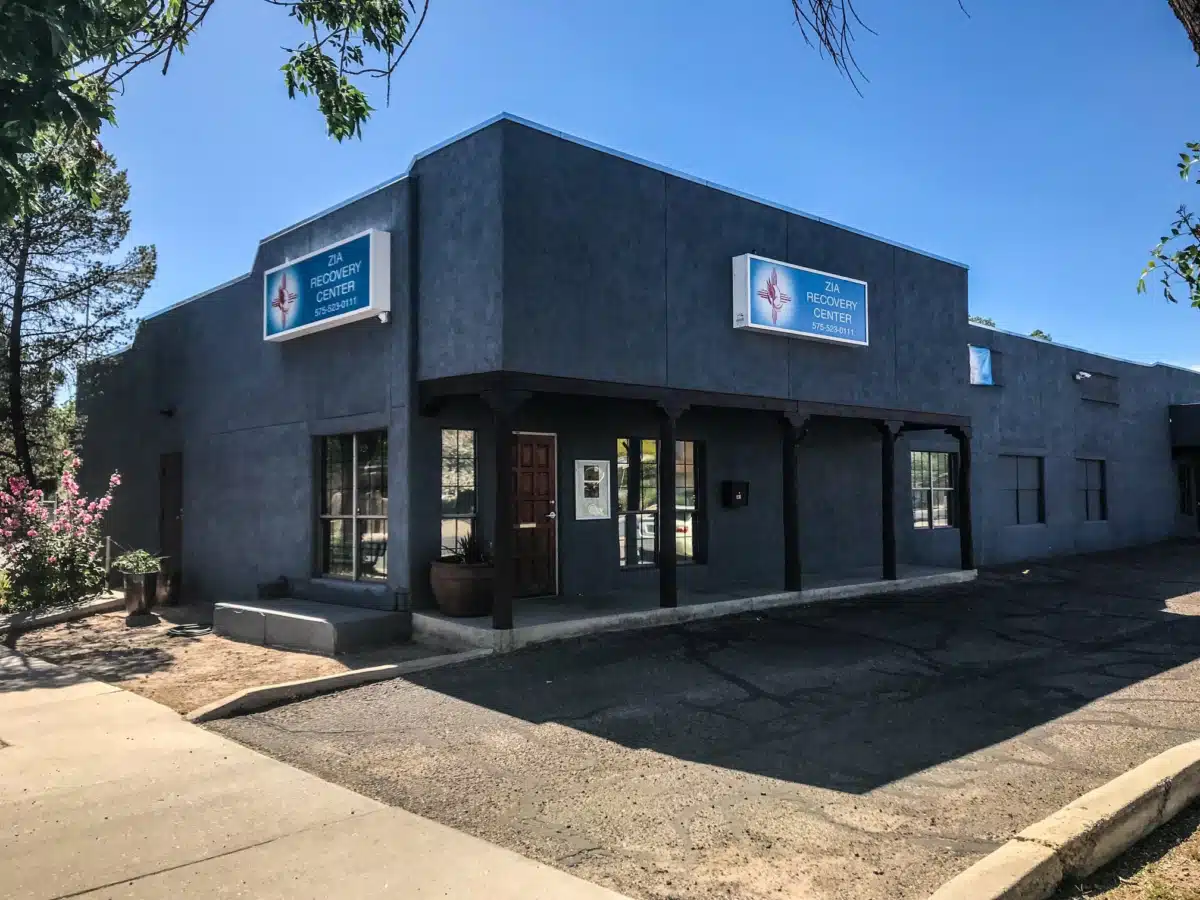
Nestled in the heart of Las Cruces, NM, Zia Recovery Center stands out as a dedicated provider of comprehensive addiction treatment services. This center is not just a facility; it’s a welcoming environment where individuals can find the help they need to start their recovery journey. At Zia Recovery Center, a variety of services are available to address the complex challenges of addiction. Whether you’re seeking detoxification, in need of substance use treatment, or looking for transitional housing and sober living options, you'll find a program that suits your needs. The center offers a flexible range of treatment formats, including intensive outpatient programs, long-term residential care, and traditional outpatient services. What sets Zia Recovery Center apart is its commitment to using a variety of therapeutic approaches. This includes 12-step facilitation, anger management techniques, and brief interventions, all designed to help clients confront their struggles and move towards healthier lives. The center is particularly attentive to the needs of adult men and women, extending specialized care to those impacted by intimate partner violence or domestic violence. With a focus on both adults and young adults, Zia Recovery Center provides targeted support tailored to the unique experiences of males and females alike. Here, quality care and personalized treatment are priorities, ensuring that each individual receives the support they need as they work towards recovery.
View DetailsAbout Long-term Residential
Long-term residential treatment extends care beyond the standard 30-day model, typically lasting 60 days to 12 months or longer. NIDA's landmark Principles of Drug Addiction Treatment states that "anything less than 90 days is of limited effectiveness," a finding supported by a 2018 meta-analysis in Drug and Alcohol Dependence that analyzed 24 studies involving 7,800 participants and found that treatment episodes exceeding 90 days produced 30% higher abstinence rates at one-year follow-up. SAMHSA's 2023 TEDS data shows that long-term residential programs have the highest completion rates of any treatment modality at 56%, compared to 43% for short-term residential. The National Drug Abuse Treatment Clinical Trials Network (CTN) has documented that therapeutic communities—a common long-term model—reduce criminal recidivism by 50% and improve employment outcomes by 40%.
What is Long-term Residential Treatment?
Long-term residential treatment extends beyond the typical 30-day program, lasting 60-90 days to 12 months or longer. These programs recognize that addiction is a chronic condition requiring sustained treatment for lasting change.
The Case for Longer Treatment
Research consistently shows that longer treatment durations produce better outcomes. The National Institute on Drug Abuse (NIDA) recommends a minimum of 90 days in treatment, noting that "anything less than 90 days is of limited effectiveness."
Who Benefits from Long-term Treatment?
Long-term programs are particularly helpful for:
- Individuals with severe or long-standing addiction
- Those who have relapsed after shorter treatment programs
- People with co-occurring mental health disorders
- Individuals without stable housing or support systems
- Those who need to develop vocational or life skills
- People recovering from trauma (PTSD)
What Makes Long-term Programs Different
- Deeper therapeutic work: Time to explore underlying issues thoroughly
- Skill development: Vocational training, education, life skills
- Practice in community: Gradual reintegration while still in supportive environment
- Relationship building: Developing healthy relationships with peers and staff
- Habit formation: Time for new, healthy patterns to become automatic
Types of Long-term Programs
- Extended residential: Traditional treatment center with extended stay
- Therapeutic communities: Peer-driven programs emphasizing community living
- Faith-based long-term programs: Spiritually-centered extended care
Investing in Your Future
While long-term treatment requires significant commitment, it provides the time needed to truly change patterns of thinking and behavior. Many graduates of long-term programs report that the extended time was essential to their lasting recovery.
What to Expect: Long-Term Residential Timeline
Phase 1: Orientation & Foundation (Weeks 1–4)
After completing detoxification, patients enter the community and begin structured daily routines. Assessment identifies trauma history, co-occurring disorders, vocational needs, and individualized treatment goals. Basic life skills and community expectations are established.
Phase 2: Intensive Therapeutic Work (Months 2–4)
Deep engagement with CBT, DBT, and trauma processing. 12-step or SMART Recovery group involvement deepens. Family therapy and relationship repair work begins. Vocational assessment and educational programming are introduced.
Phase 3: Community Integration (Months 4–8)
Patients take on increasing responsibility within the therapeutic community—mentoring newer residents, leading groups, and practicing leadership. Vocational training, GED preparation, or college coursework may begin. Supervised employment or volunteer work introduces real-world practice.
Phase 4: Transition & Independent Living (Final Months)
Gradual transition to increased independence with off-site employment, independent living skills practice, and community resource connection. Step-down to outpatient care and sober living arrangements are finalized. Alumni network integration provides ongoing peer support.
Treatment Outcomes & Research
- A 2018 meta-analysis in Drug and Alcohol Dependence (24 studies, 7,800 participants) found that treatment episodes exceeding 90 days produced 30% higher abstinence rates at one-year follow-up
- NIDA's National Drug Abuse Treatment Clinical Trials Network documented that therapeutic communities reduce criminal recidivism by 50% and improve employment outcomes by 40%
- The Journal of Psychoactive Drugs (2020) reported that long-term residential programs with integrated faith-based or spiritual components show 15% higher completion rates
- SAMHSA's 2023 TEDS data shows long-term residential has the highest completion rate of any modality at 56%, compared to 43% for short-term residential and 38% for outpatient
Insurance & Payment for Long-term Residential
The Mental Health Parity and Addiction Equity Act (MHPAEA) and the Affordable Care Act (ACA) require most health insurance plans to cover substance use disorder treatment at the same level as other medical conditions. This includes long-term residential programs when deemed medically necessary.
- Private Insurance: Most employer-sponsored and marketplace plans cover long-term residential under behavioral health benefits. Pre-authorization may be required—facilities typically handle this process. Learn more about insurance coverage for rehab.
- Medicare: Part A covers hospital-based treatment; Part B covers outpatient services; Part D covers prescription medications including MAT.
- Medicaid: Coverage varies by state but generally includes long-term residential services. Medicaid expansion under the ACA has significantly increased access to addiction treatment.
- Sliding Scale & Financial Assistance: Many facilities offer income-based fees. SAMHSA's grant-funded programs provide free or reduced-cost treatment. Call SAMHSA's helpline (1-800-662-4357) for referrals to affordable options.
The Family and Medical Leave Act (FMLA) may provide job protection during treatment. Most facilities have financial counselors who can verify your coverage and explain out-of-pocket costs before admission.
Related Conditions & Treatments
Related Conditions
Treatment Methods
Other Levels of Care
Medical Disclaimer
This content is for informational purposes only and does not constitute medical advice, diagnosis, or treatment. Always consult a qualified healthcare provider regarding substance use disorders and treatment options. If you or someone you know is experiencing a medical emergency, call 911 immediately. For the 988 Suicide & Crisis Lifeline, call or text 988. For SAMHSA's National Helpline, call 1-800-662-4357 (free, confidential, 24/7).