
Faith-Based Treatment Treatment Centers
Faith-Based Treatment programs integrate religious and spiritual principles into addiction recovery. These programs may be Christian, Jewish, Islamic, or based on other faith traditions. They often include prayer, scripture study, pastoral counseling, and participation in faith community activities alongside traditional addiction treatment methods. For individuals whose faith is an important part of their identity, faith-based treatment can provide powerful motivation and a supportive community. Many faith-based programs also offer affordable or free treatment options.
Found 1 treatment centers offering faith-based treatment across the United States.
Want us to find the perfect facility for you?
Call now - it's completely free!
Showing 1 of 1 faith-based treatment treatment centers
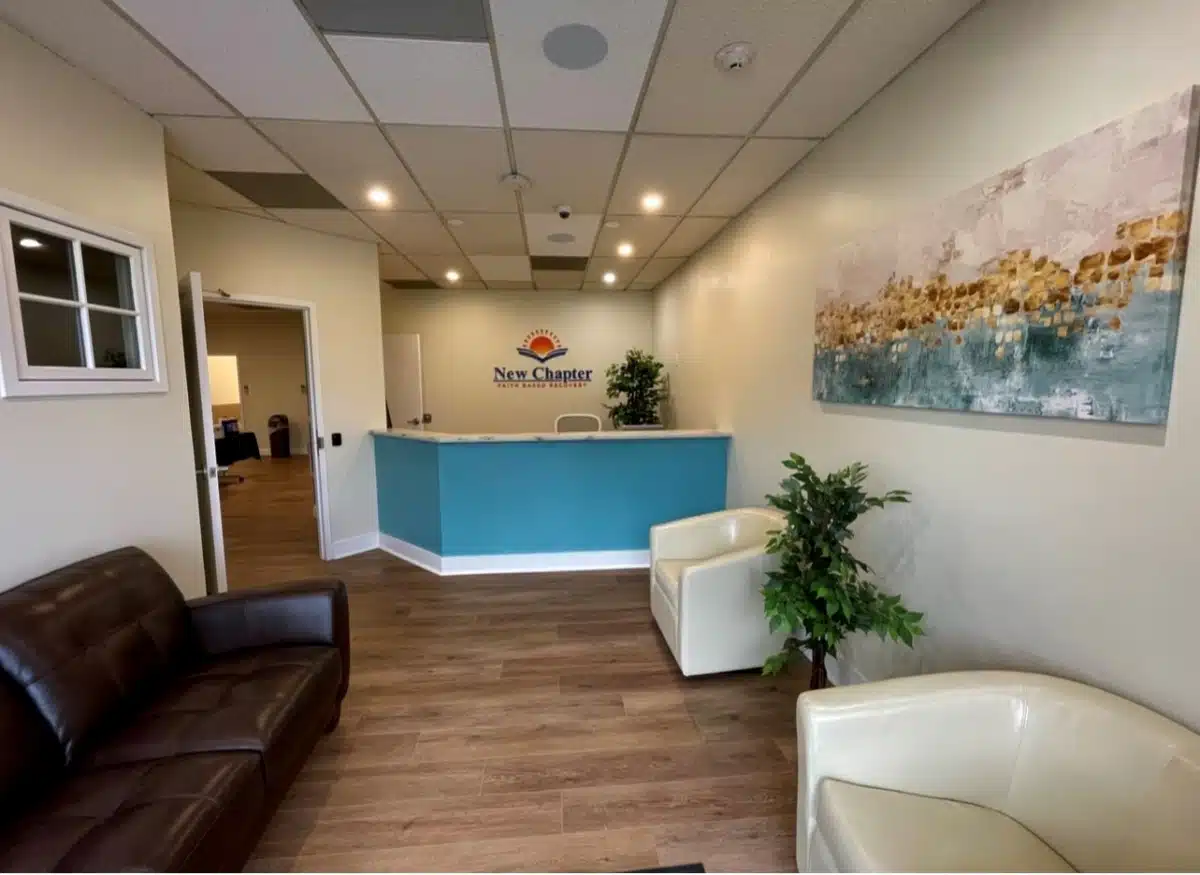
Located in Parsippany, NJ, New Chapter Faith Based Recovery LLC is dedicated to helping adults navigate the challenges of substance use and co-occurring disorders. For those grappling with significant mental health challenges or emotional disturbances, their approach to treatment is both compassionate and specialized. The center offers a range of program options, including intensive outpatient, outpatient, and day treatment, all designed to meet the diverse needs of their clients. Each program incorporates valuable elements such as 12-step facilitation, anger management strategies, and brief interventions, ensuring that individuals receive comprehensive support in their recovery journey. Furthermore, New Chapter features tailored programs specifically for active duty military personnel, as well as separate tracks for adult men and women, ensuring that care is personalized and effective. Both adults and young adults can expect individualized attention as they work towards rebuilding their lives. Ultimately, this facility is committed to providing high-quality care in a nurturing environment, empowering individuals as they take the important steps toward sustainable recovery and wellness.
View DetailsAbout Faith-Based Treatment
Faith-based treatment represents a significant segment of addiction care in the United States: approximately 24% of all treatment programs identify as faith-based or incorporate religious elements (SAMHSA National Survey of Substance Abuse Treatment Services). Research published in Journal of Religion and Health suggests that religiosity and spirituality are associated with better substance use outcomes, lower relapse rates, and improved psychological well-being. Programs like Celebrate Recovery serve over 35,000 churches worldwide, and the Salvation Army operates one of the largest faith-based addiction treatment networks in the U.S.
What is Faith-Based Treatment?
Faith-based treatment integrates religious or spiritual principles into addiction recovery. These programs view addiction as affecting body, mind, and spirit, and include spiritual practices as essential components of healing alongside clinical treatment methods.
Types of Faith-Based Programs
- Christian Treatment Centers: Bible study, prayer, pastoral counseling, church attendance
- Jewish Recovery Programs: Jewish spirituality, community support, kosher environment
- Islamic Treatment: Quran-based guidance, prayer, halal environment
- Non-Denominational Spiritual Programs: Broader spiritual principles without specific religious affiliation
Common Elements of Faith-Based Treatment
Faith-based programs typically include:
- Prayer and meditation as daily practices
- Scripture study and religious education
- Pastoral or clergy counseling
- Faith community involvement
- Forgiveness and reconciliation work
- Finding meaning and purpose through faith
- Clinical treatment (therapy, medical care) alongside spiritual elements
Who Benefits from Faith-Based Treatment?
Faith-based treatment may be ideal for individuals who:
- Have an existing faith or spiritual practice
- Want to reconnect with faith lost during addiction
- Find meaning and motivation through religious beliefs
- Value community and fellowship with others of similar faith
- Seek comprehensive healing of body, mind, and spirit
Faith-Based vs. 12-Step Programs
While 12-Step programs are spiritual but not religious, faith-based treatment explicitly incorporates specific religious traditions. Many faith-based programs also utilize 12-Step principles. The "Higher Power" in 12-Step is left to individual interpretation, while faith-based programs typically specify God according to their religious tradition.
Quality and Licensing
When considering faith-based treatment, look for programs that are properly licensed and combine spiritual elements with evidence-based clinical care. The best faith-based programs employ licensed counselors and therapists while integrating spiritual support.
What to Expect in Faith-Based Treatment
Faith-based programs vary by tradition, but typically follow a structured path:
- Phase 1: Intake & Spiritual Assessment (Week 1) — Clinical evaluation combined with spiritual assessment. Medical detox is available when needed, as physical stabilization precedes spiritual work
- Phase 2: Foundation (Weeks 2–4) — Daily structure includes prayer/meditation, scripture study, group therapy, and individual counseling. Evidence-based therapies like CBT are integrated alongside spiritual guidance
- Phase 3: Deepening (Weeks 5–12) — Exploration of forgiveness, reconciliation, and purpose through faith. Residential programs often include pastoral counseling, service work, and community involvement
- Phase 4: Reintegration — Transition to faith community support, ongoing church/temple/mosque involvement, and long-term residential or aftercare programs. Many graduates maintain lifelong ties to their recovery faith community
Treatment Outcomes & Research
A meta-analysis in the Journal of Religion and Health of 73 studies found a significant inverse relationship between religiosity/spirituality and substance use — higher spiritual engagement correlated with 26% lower odds of substance use disorders. Research on Celebrate Recovery participants showed 85% reported sustained abstinence at 12-month follow-up. The key factor appears to be community integration: faith-based programs provide built-in, long-term social support networks that extend well beyond formal treatment.
Resources for faith-based recovery:
Insurance & Payment for Faith-Based Treatment
The Mental Health Parity and Addiction Equity Act (MHPAEA) and the Affordable Care Act (ACA) require most health insurance plans to cover substance use disorder and mental health treatment at the same level as medical and surgical care. This means faith-based treatment is typically covered when deemed medically necessary.
Coverage varies by plan and provider. Many treatment centers accept private insurance, Medicaid, Medicare, TRICARE, and offer sliding-scale fees. Contact your insurance company or the treatment center directly to verify benefits.
Helpful resources:
- Learn about insurance coverage for rehab
- Explore standard outpatient programs (often most affordable)
- Consider telehealth services for accessible, lower-cost options
- SAMHSA National Helpline — free, confidential, 24/7 referrals (1-800-662-4357)
- Medicaid.gov — check eligibility for state Medicaid coverage
Related Conditions & Treatments
Related Conditions
Other Treatment Methods
Levels of Care
Medical Disclaimer
This content is for informational purposes only and does not constitute medical advice, diagnosis, or treatment. Always consult a qualified healthcare professional before making decisions about addiction treatment. If you or someone you know is in crisis, contact the 988 Suicide & Crisis Lifeline (call or text 988) or the SAMHSA National Helpline (1-800-662-4357).