
Drug & Alcohol Rehab Centers in Wisconsin
Wisconsin's addiction treatment landscape reflects a state grappling with deeply rooted substance use challenges. With roughly 500 licensed treatment facilities, Wisconsin provides services ranging from medical detoxification and residential treatment to intensive outpatient programs and telehealth-based counseling. The Wisconsin Department of Health Services (DHS), Division of Care and Treatment Services, regulates substance use disorder treatment providers and administers state and federal funding for prevention, treatment, and recovery programs across all 72 counties.
Wisconsin faces a distinctive dual challenge. The state consistently ranks among the highest nationally for binge drinking rates, with approximately 25% of adults reporting binge drinking — nearly double the national average. This deeply embedded alcohol culture, tied to the state's brewing heritage and social traditions, makes alcohol use disorder the leading reason for treatment admissions. Simultaneously, Wisconsin recorded approximately 1,800 drug overdose deaths in 2022, with synthetic opioids driving a crisis that has hit both urban Milwaukee and rural northern communities particularly hard.
Wisconsin's treatment infrastructure benefits from partnerships with major health systems including Froedtert Hospital and the Medical College of Wisconsin in Milwaukee, Marshfield Clinic Health System serving central and northern Wisconsin, and UW Health affiliated with the University of Wisconsin-Madison. These institutions operate addiction medicine fellowships, conduct clinical research on medication-assisted treatment (MAT), and provide specialized services for co-occurring mental health and substance use disorders. Evidence-based treatments such as cognitive behavioral therapy (CBT), motivational interviewing, and dialectical behavior therapy (DBT) are core components of Wisconsin's treatment programs.
Addiction Treatment Landscape in Wisconsin
Wisconsin's substance use crisis is defined by the intersection of the nation's highest binge drinking rates with an escalating opioid epidemic. The DHS Division of Care and Treatment Services coordinates treatment delivery through county-based systems and direct state contracts, working alongside tribal nations that operate independent behavioral health programs across 11 reservations.
Key statistics:
- Approximately 1,800 drug overdose deaths in 2022 (Wisconsin DHS)
- Roughly 500 licensed substance use treatment facilities statewide (SAMHSA N-SSATS)
- Wisconsin has the highest binge drinking rate in the nation (~25% of adults)
- Milwaukee County accounts for the largest share of opioid-related deaths statewide
The opioid crisis in Wisconsin has evolved through distinct phases: prescription opioid misuse, heroin, and now illicitly manufactured fentanyl. Milwaukee's urban core and the Fox Valley region have experienced the steepest increases in overdose deaths, while rural northern counties face unique challenges including geographic isolation, limited provider access, and economic hardship. Wisconsin's tribal communities have been disproportionately impacted, prompting culturally specific treatment and prevention initiatives.
Wisconsin's alcohol problem is structural and cultural. The state has more bars per capita than any other, and its OWI (Operating While Intoxicated) laws have historically been among the most lenient. First-offense OWI remains a civil forfeiture rather than a criminal offense — the only state with this distinction. Despite these cultural factors, the treatment community has expanded screening, brief intervention, and referral to treatment (SBIRT) programs, and the state has invested in alcohol-specific recovery programming including 12-step programs and specialized residential treatment for alcohol use disorder.
Types of Treatment Available in Wisconsin
Wisconsin offers the full spectrum of addiction treatment levels recognized by the American Society of Addiction Medicine (ASAM):
- Medical Detoxification: Hospital-based and standalone detox programs in Milwaukee, Madison, Green Bay, and other metro areas. Medically managed withdrawal is available for alcohol, opioid, and benzodiazepine dependence.
- Residential Treatment: Wisconsin provides 30-day to 90+ day residential programs in both clinical and community-based settings. Notable facilities operate in the Milwaukee metro area, the Fox Valley, and in northern Wisconsin's natural lakeside environments.
- Partial Hospitalization (PHP): Structured day programs offering 5-7 days per week of intensive treatment, available through health system affiliates in Milwaukee, Madison, and Marshfield.
- Intensive Outpatient (IOP): Programs meeting 3-5 days per week that allow participants to continue working or attending school. IOP is the most widely available level of care across Wisconsin.
- Standard Outpatient: Weekly individual and group therapy for sustained recovery, including specialized tracks for alcohol use disorder, dual diagnosis, and relapse prevention.
- Telehealth Services: Virtual addiction treatment has expanded rapidly in Wisconsin, with DHS maintaining pandemic-era flexibilities to serve rural communities in northern and western Wisconsin that lack local treatment providers.
Wisconsin treatment programs emphasize medication-assisted treatment (MAT) for opioid use disorder, with buprenorphine, naltrexone, and methadone available through certified opioid treatment programs and office-based providers. The Medical College of Wisconsin and UW Health train addiction medicine specialists who practice across the state. CBT, motivational interviewing, and contingency management are evidence-based approaches commonly used in Wisconsin facilities, alongside 12-step programs and SMART Recovery groups.
Insurance & BadgerCare Plus Coverage in Wisconsin
Wisconsin's Medicaid program, BadgerCare Plus, covers substance use disorder treatment for eligible residents. While Wisconsin has not adopted full Medicaid expansion under the ACA, the state operates a partial expansion that covers adults without dependent children up to 100% of the federal poverty level — making it one of few states with near-universal Medicaid eligibility at the poverty line without full expansion.
- Outpatient substance use disorder treatment and counseling
- Intensive outpatient programs (IOP)
- Residential treatment (with prior authorization through managed care)
- Medically supervised detoxification and withdrawal management
- Medication-assisted treatment (MAT) including buprenorphine and methadone
- Mental health services for co-occurring disorders
- Peer recovery support services
- Comprehensive community services (CCS) for integrated behavioral health
BadgerCare Plus is administered through managed care organizations in most counties, including Quartz, Molina Healthcare, and Anthem Blue Cross Blue Shield. Private insurance plans in Wisconsin must comply with the federal Mental Health Parity and Addiction Equity Act (MHPAEA). Major insurers including Anthem Blue Cross Blue Shield, Aetna, Cigna, UnitedHealthcare, and Group Health Cooperative of South Central Wisconsin provide addiction treatment coverage.
For uninsured individuals, Wisconsin counties administer publicly funded treatment through the Community Aids program and federal Substance Abuse Block Grant funding. The Wisconsin Addiction Recovery Helpline (211) connects callers to local treatment options regardless of insurance status. SAMHSA's National Helpline (1-800-662-4357) provides additional free referrals to treatment providers and recovery support services.
Want us to find the perfect facility for you?
Call now - it's completely free!
Showing 20 of 203 results

Alcohol and Drug Abuse Trt Prog

Alcohol and Drug Abuse Services

Milwaukee Health Services System LLC

Quality Addiction Management Inc
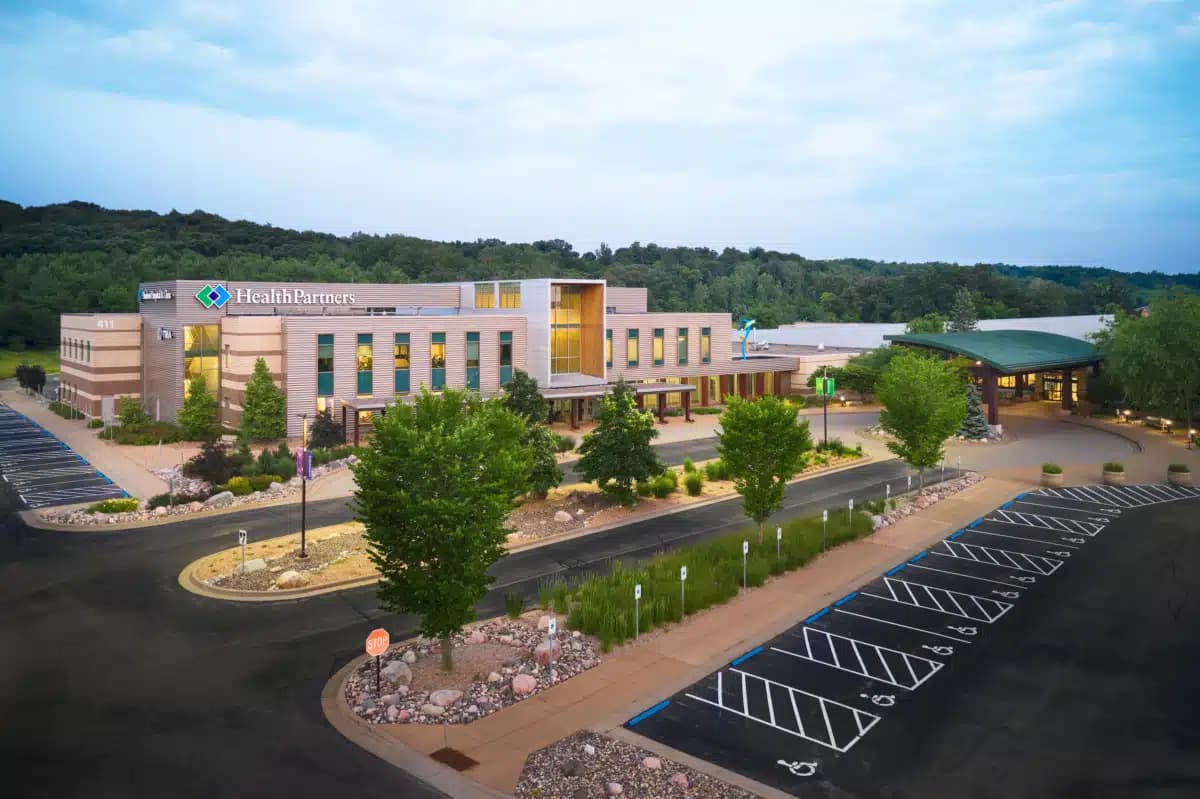
Programs for Change

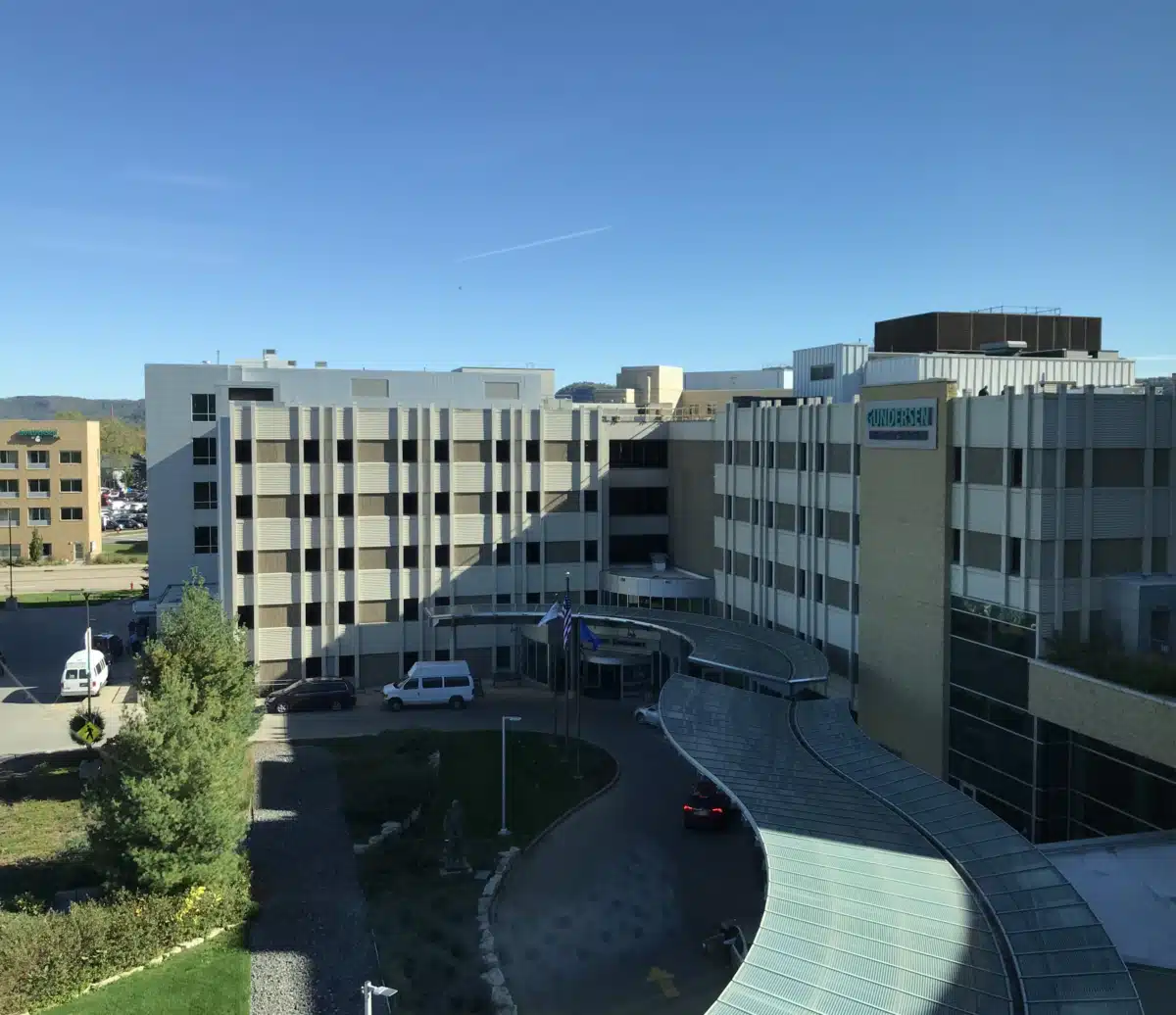
Behavioral Health Department


Outpatient Services Substance Abuse

Behavioral Health Department

Forest Oneida and Vilas Counties
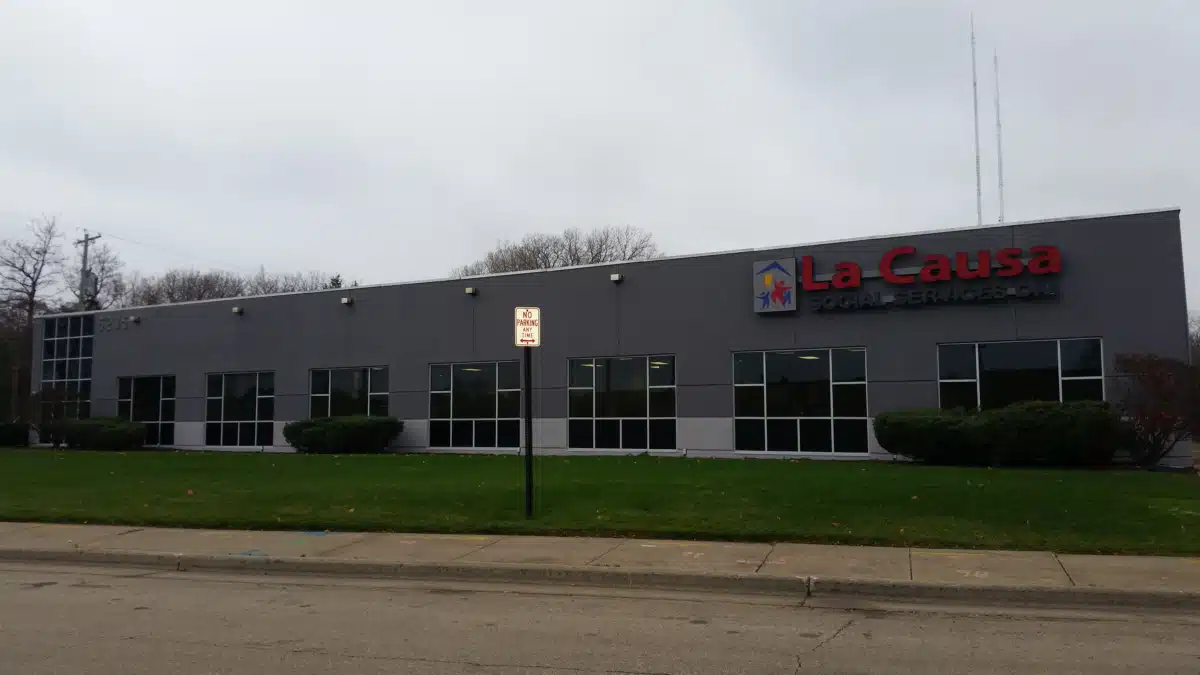

AODA Program
Behavioral Health Department
Affinity House
Treatment Highlights in Wisconsin
Popular Cities in Wisconsin
Milwaukee
34 centers
Madison
13 centers
Green Bay
8 centers
Waukesha
8 centers
Kenosha
6 centers
Appleton
5 centers
Sheboygan
5 centers
Janesville
4 centers
View all 90 cities in Wisconsin
Frequently Asked Questions About Treatment in Wisconsin
Sources
Medical Disclaimer
The information on this page is for educational purposes and is not a substitute for professional medical advice. If you or someone you know is experiencing a substance use crisis, call the SAMHSA National Helpline at 1-800-662-4357 (free, confidential, 24/7). For immediate danger, call 911 or the 988 Suicide & Crisis Lifeline by dialing 988.