
Drug & Alcohol Rehab Centers in Washington
Washington State is home to approximately 900 licensed addiction treatment facilities, making it one of the most well-resourced states in the Pacific Northwest for substance use disorder care. The Washington State Health Care Authority (HCA), through the Division of Behavioral Health and Recovery (DBHR), oversees the state's behavioral health system and coordinates with managed care organizations to deliver treatment services across all 39 counties.
The state faces a significant substance use crisis. In 2022, Washington recorded approximately 2,600 drug overdose deaths — a sharp increase driven primarily by illicitly manufactured fentanyl. King County (Seattle) and Pierce County (Tacoma) account for the largest share of overdose fatalities, though rural eastern Washington counties have seen rising death rates as well. Methamphetamine remains the second most common substance involved in overdose deaths statewide, and alcohol use disorder affects an estimated 600,000 Washington residents annually. The convergence of the opioid crisis with homelessness in Seattle and other urban centers has made integrated treatment and housing a state priority.
Washington's treatment infrastructure is distinguished by its progressive harm reduction philosophy, strong medication-assisted treatment (MAT) networks, and integration of nature-based therapeutic modalities unique to the Pacific Northwest. Treatment spans the full ASAM continuum from medical detoxification and residential programs to intensive outpatient (IOP) and telehealth services. The Seattle metro area offers specialized programs for tech industry professionals, while communities like Olympia, Bellingham, and the San Juan Islands provide retreat-style recovery environments surrounded by old-growth forests, mountains, and coastline. Cognitive behavioral therapy (CBT), dialectical behavior therapy (DBT), and mindfulness-based interventions are widely integrated into treatment programming across the state.
Addiction Treatment Landscape in Washington
Washington's behavioral health system is administered by the Health Care Authority (HCA) through the Division of Behavioral Health and Recovery (DBHR). DBHR manages the state's Substance Use Disorder (SUD) treatment services, contracts with Behavioral Health Administrative Services Organizations (BH-ASOs) for crisis services, and coordinates with managed care organizations that deliver Medicaid-funded treatment. Washington was among the first states to fully integrate physical and behavioral health care under managed care, completing the transition in 2020.
Key statistics:
- Approximately 2,600 drug overdose deaths in 2022 (Washington State Department of Health)
- About 900 licensed treatment facilities statewide (SAMHSA N-SSATS)
- Fentanyl involved in over 70% of opioid-related overdose deaths, up from under 10% in 2016
- An estimated 600,000 Washington residents meet criteria for an alcohol use disorder
Washington is nationally recognized for its progressive harm reduction approach. The state was one of the earliest to authorize syringe service programs, and Seattle operates some of the most comprehensive harm reduction infrastructure in the country, including overdose prevention programs and widespread naloxone distribution. In 2023, the state legislature passed the Blake fix legislation (HB 1767) establishing a new framework for substance use response that prioritizes treatment over incarceration and funds diversion programs statewide.
Regional treatment patterns vary across the state. The greater Seattle-Bellevue-Tacoma corridor has the densest concentration of treatment options, including specialized programs for tech industry professionals dealing with stimulant and prescription drug issues, and robust dual-diagnosis treatment infrastructure. Spokane and eastern Washington face rising methamphetamine and opioid use in more rural settings. The Olympic Peninsula and San Juan Islands offer nature-immersive recovery environments, while Vancouver (Clark County) addresses cross-border treatment dynamics with Portland, Oregon. Telehealth has become essential for reaching rural communities in central and eastern Washington where in-person treatment options remain limited.
Types of Treatment Available in Washington
Washington offers every ASAM level of addiction care through DBHR-certified providers:
- Medical Detoxification: Hospital-based and freestanding withdrawal management programs available in Seattle, Tacoma, Spokane, and other metro areas. Harborview Medical Center (UW Medicine) and Swedish Medical Center provide specialized detox services in King County.
- Residential Treatment: Programs ranging from 30-day to 90+ day stays, including clinical settings in Seattle-Tacoma and nature-immersive residential facilities in the Cascades, Olympic Peninsula, and Puget Sound islands. Washington licenses residential programs at multiple ASAM levels of intensity.
- Partial Hospitalization (PHP): Structured day programs offering 5-7 days per week of intensive treatment, available in Seattle, Bellevue, Tacoma, Spokane, and Olympia.
- Intensive Outpatient (IOP): Flexible 3-5 day per week programs widely available across the state. IOP is the most utilized level of care in Washington, particularly in the Puget Sound region where clients often maintain employment during treatment.
- Standard Outpatient: Weekly individual and group therapy through DBHR-certified agencies, community behavioral health centers, and private practices statewide.
- Telehealth Services: Washington expanded telehealth for addiction treatment permanently following COVID-era flexibilities, critical for serving rural eastern Washington, the Olympic Peninsula, and island communities.
Washington is also known for specialized treatment tracks including programs for tech industry professionals in the Seattle-Bellevue corridor, nature-based and wilderness therapy programs utilizing the Pacific Northwest environment, LGBTQ+-affirming treatment (Seattle has one of the most robust LGBTQ+ recovery communities in the country), military and veteran-specific programs near Joint Base Lewis-McChord, and culturally responsive services for Native American and Alaska Native communities. 12-step programs and SMART Recovery meetings are widely available, and Washington has a strong contingency management and harm reduction integration across its treatment system.
Insurance & Apple Health Coverage in Washington
Washington's Medicaid program, Apple Health, provides comprehensive coverage for substance use disorder treatment. Washington expanded Medicaid under the Affordable Care Act and currently covers approximately 2.3 million residents — nearly one-third of the state's population. Apple Health SUD services are delivered through managed care organizations and include:
- Inpatient detoxification and withdrawal management
- Residential treatment (short-term and long-term)
- Partial hospitalization programs
- Outpatient and intensive outpatient treatment
- Medication-assisted treatment (MAT) — buprenorphine, methadone, naltrexone
- Peer recovery support services
- Crisis stabilization and intervention
- Recovery support services including housing assistance
The Health Care Authority administers Apple Health through five managed care organizations that coordinate SUD benefits. Washington does not require prior authorization for MAT initiation through Apple Health, and the state has invested in expanding the behavioral health workforce to reduce wait times for publicly funded treatment.
Private insurance plans in Washington must cover addiction treatment at parity with medical and surgical benefits under both the federal Mental Health Parity and Addiction Equity Act (MHPAEA) and Washington's state parity law (RCW 48.44.341). The state Office of the Insurance Commissioner actively enforces parity compliance. Major insurers including Premera Blue Cross, Regence, UnitedHealthcare, Molina, and Kaiser Permanente cover the full continuum of SUD care.
For uninsured individuals, DBHR funds treatment through Behavioral Health Administrative Services Organizations (BH-ASOs) and community behavioral health agencies. The Washington Recovery Help Line (1-866-789-1511) provides free referrals, and SAMHSA's national helpline (1-800-662-4357) can connect individuals to local no-cost and sliding-scale treatment options.
Want us to find the perfect facility for you?
Call now - it's completely free!
Showing 20 of 296 results

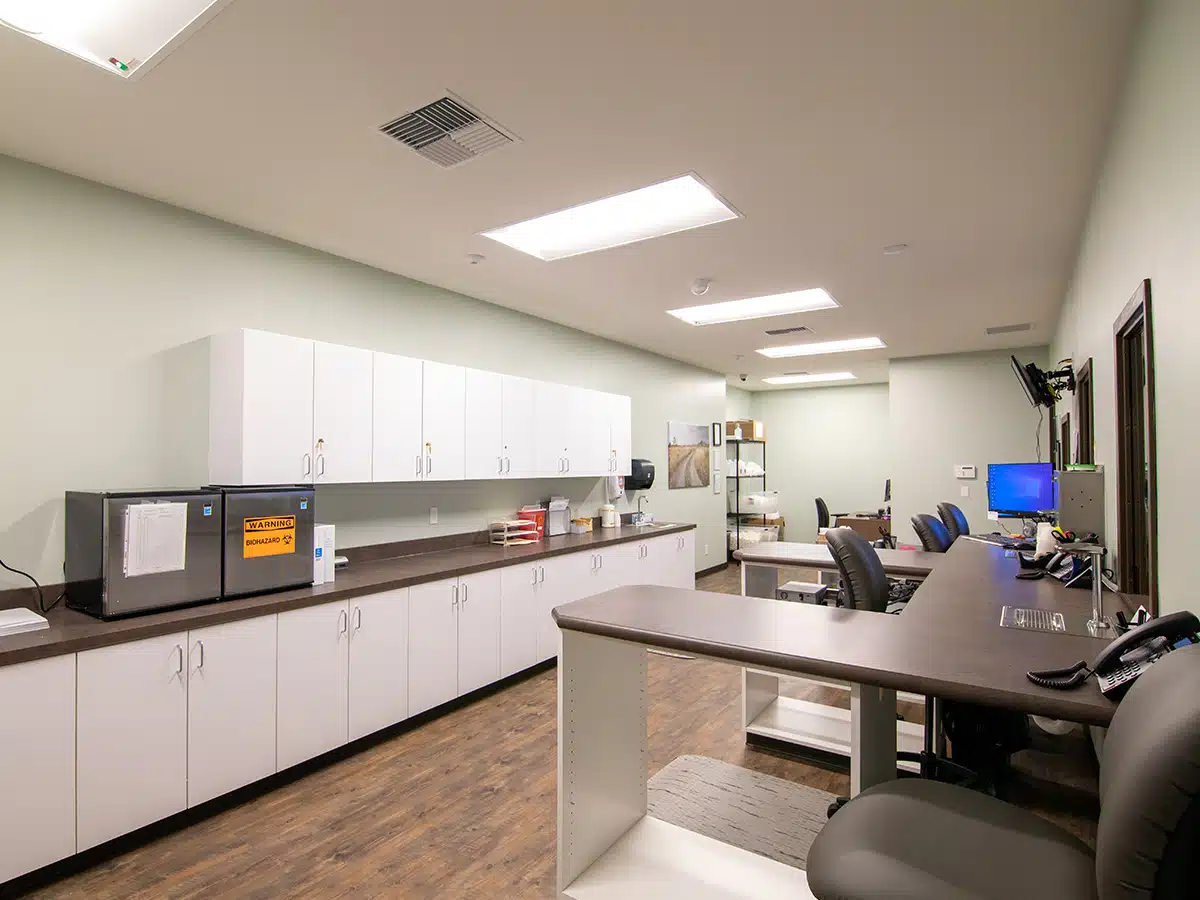
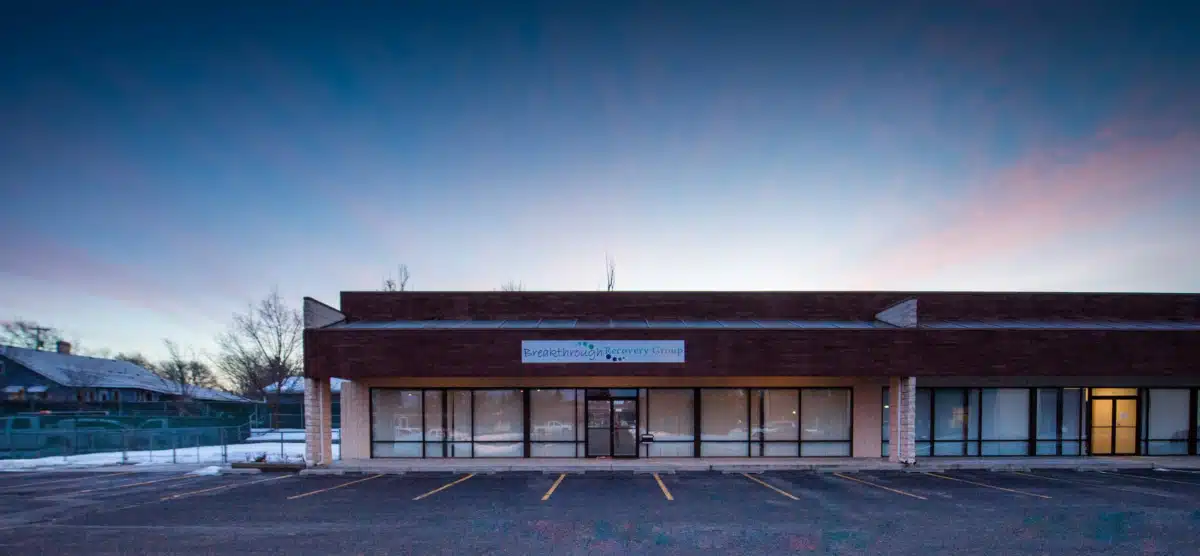
DBA Breakthrough Recovery Group
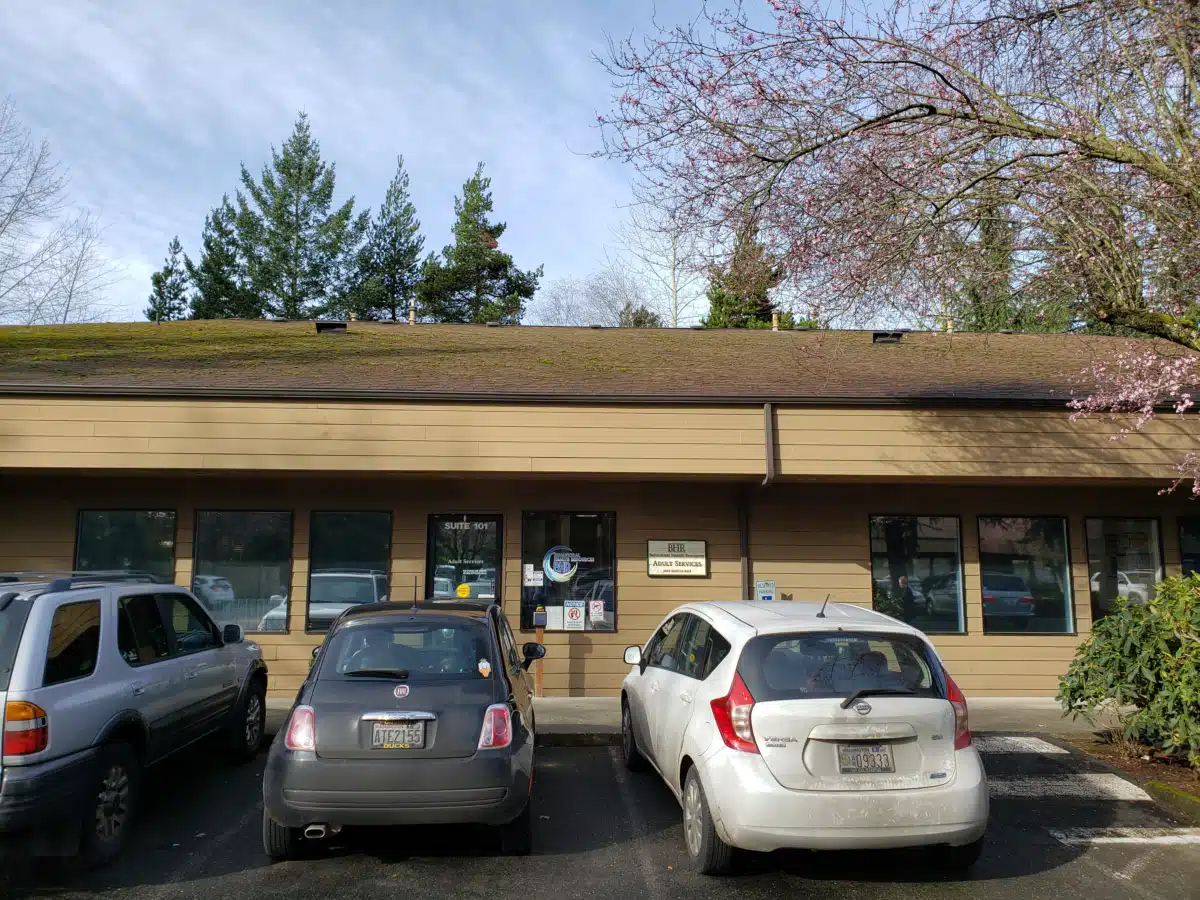
Tumwater


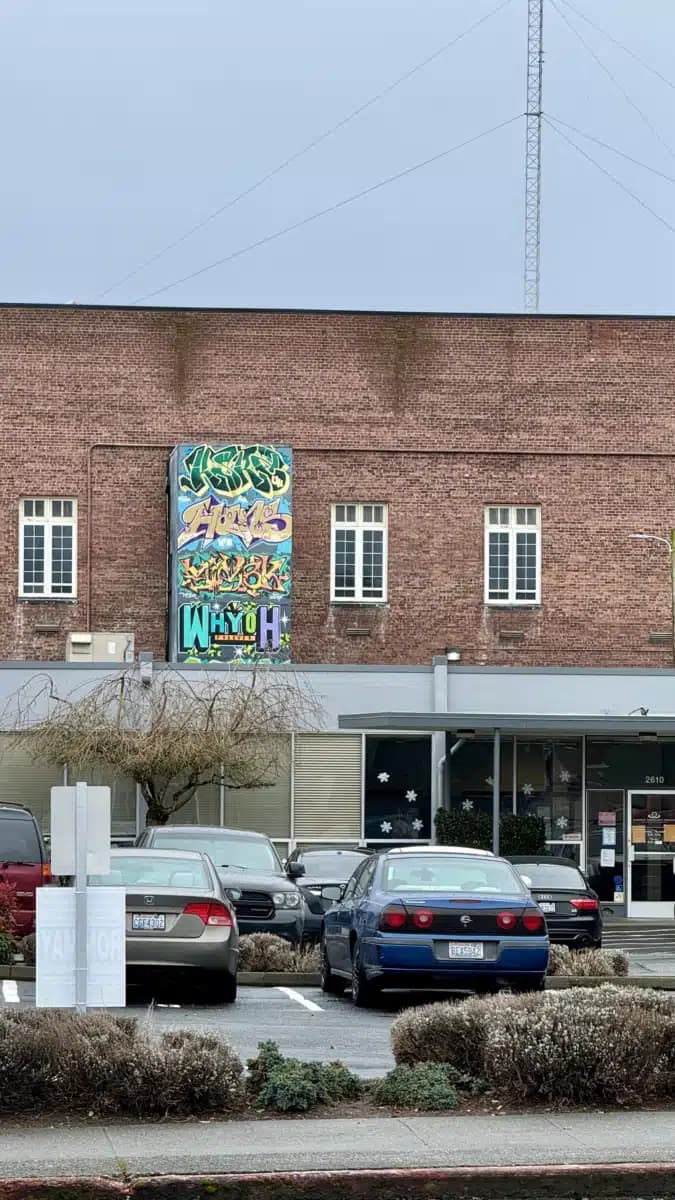
Recovery Center/Everett

Main
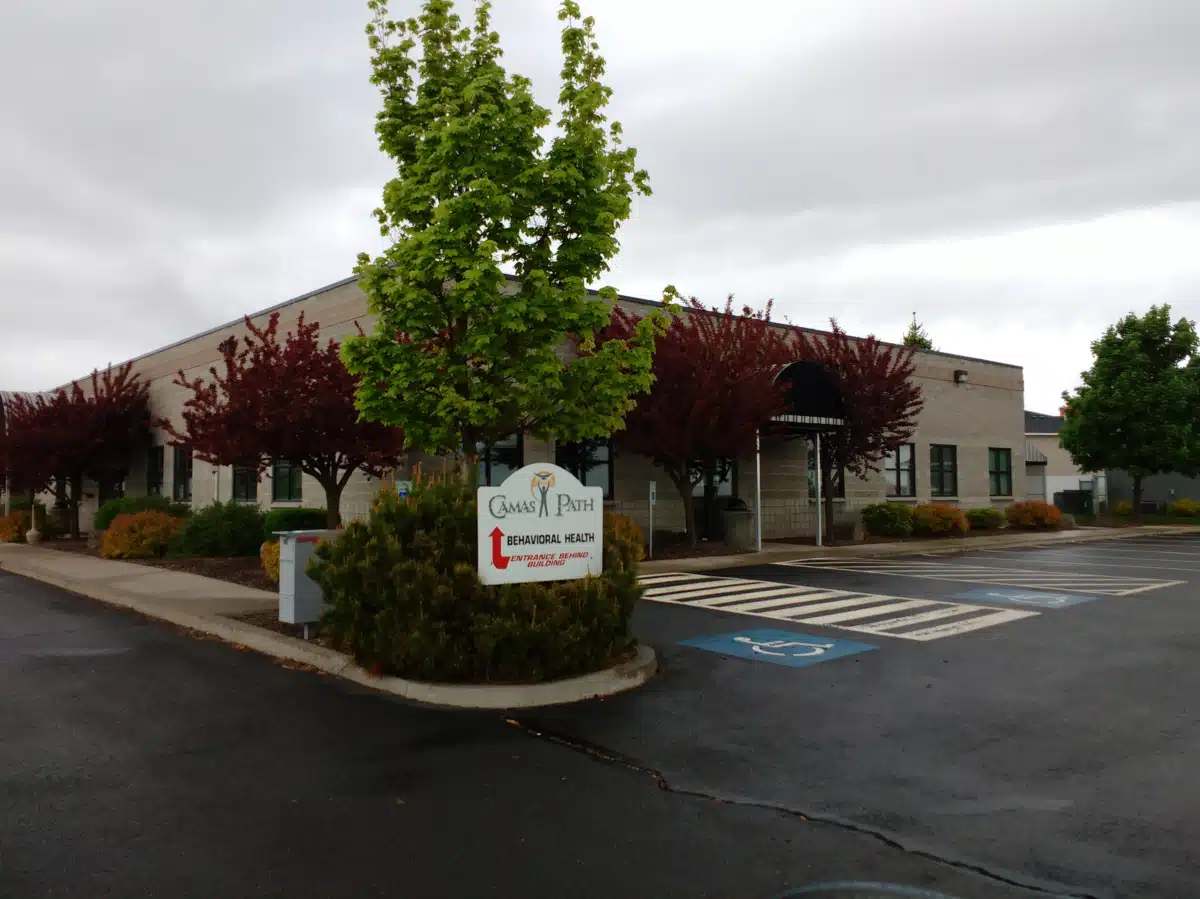
Kalispel Tribe of Indians
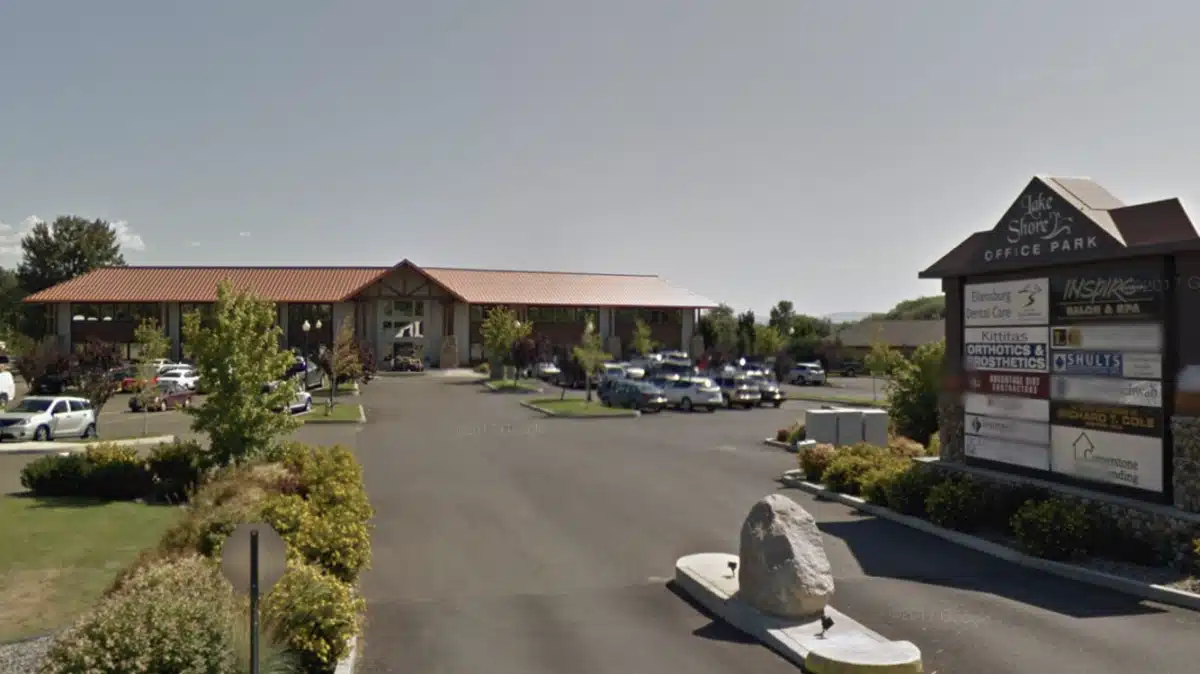
Barth and Associates
Barth and Associates

Columbia County
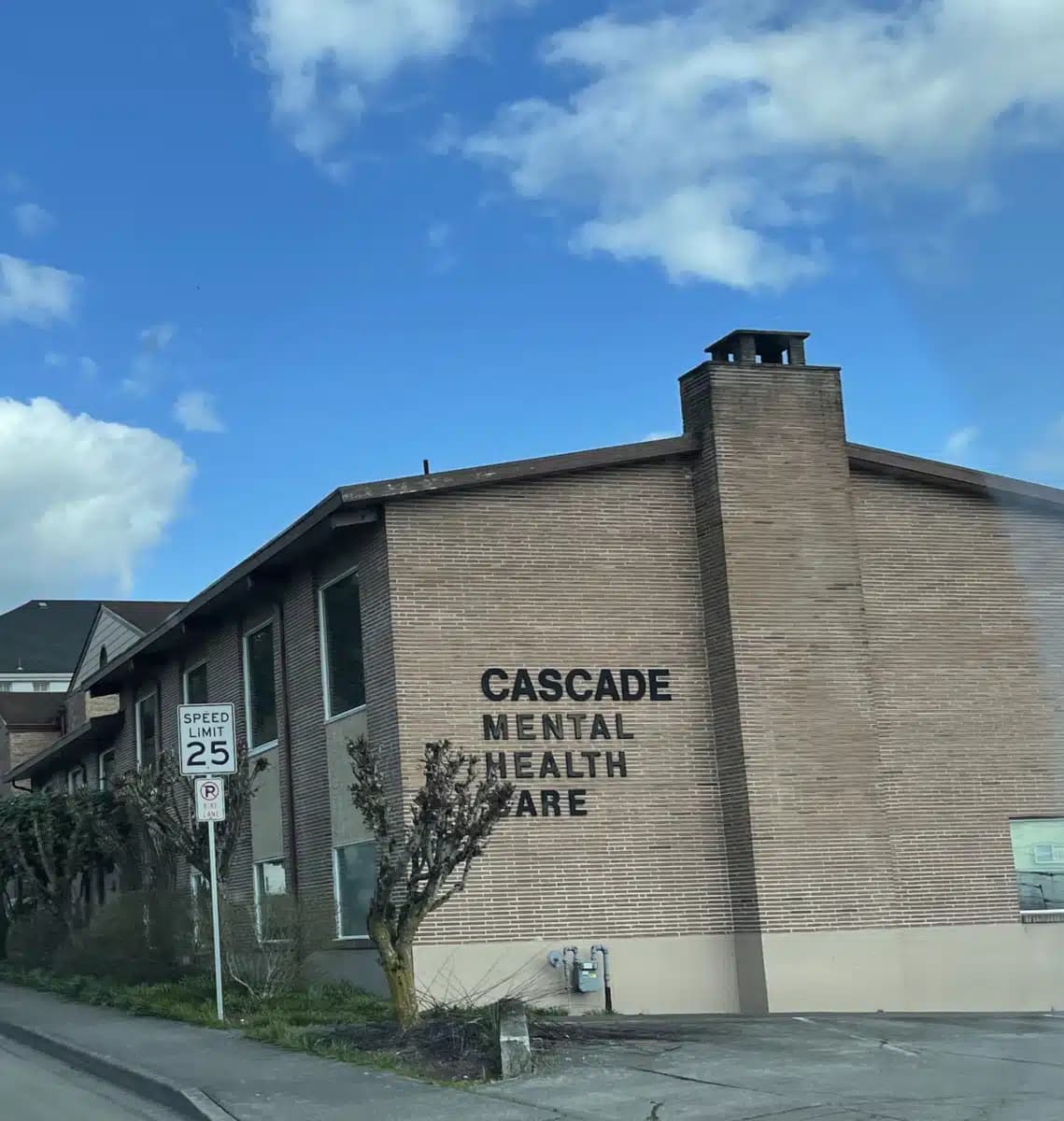
Chehalis
Bountiful Life Treatment Center PLLC
Comprehensive Behav Health/Main
Recovery Center/Bellingham
Recovery Center/Burlington
Recovery Center/Marysville
Treatment Highlights in Washington
Popular Cities in Washington
Seattle
31 centers
Spokane
23 centers
Tacoma
19 centers
Olympia
13 centers
Vancouver
11 centers
Bellingham
10 centers
Yakima
10 centers
Bellevue
7 centers
View all 95 cities in Washington
Frequently Asked Questions About Treatment in Washington
Sources
- Washington State Department of Health — Overdose Data
- Health Care Authority — Division of Behavioral Health and Recovery
- SAMHSA National Survey of Substance Abuse Treatment Services (N-SSATS)
- Washington State Legislature — HB 1767 (Blake Fix)
- Washington Recovery Help Line
- CDC WONDER — Drug Overdose Mortality by State
Medical Disclaimer
The information on this page is for educational purposes and is not a substitute for professional medical advice. If you or someone you know is experiencing a substance use crisis, call the SAMHSA National Helpline at 1-800-662-4357 (free, confidential, 24/7). For immediate danger, call 911 or the 988 Suicide & Crisis Lifeline by dialing 988.