
Drug & Alcohol Rehab Centers in Tucson, Arizona
Tucson, Arizona's second-largest city, offers addiction treatment in a distinctive Sonoran Desert setting that many treatment providers leverage as a therapeutic asset. The Arizona Department of Health Services reports that Pima County, where Tucson is located, recorded over 450 drug overdose deaths in 2022, with fentanyl and other synthetic opioids accounting for a rapidly growing share of fatalities. Opioid addiction, methamphetamine use, and alcohol use disorder represent the primary substance use challenges facing Tucson residents.
Tucson's treatment infrastructure combines academic medical resources with a robust community health network. The University of Arizona College of Medicine operates addiction psychiatry and research programs, while Banner - University Medical Center Tucson provides medical detoxification and inpatient treatment services. The city's proximity to the U.S.-Mexico border has shaped its substance use patterns, with heroin and methamphetamine historically prevalent, and fentanyl increasingly contaminating the local drug supply.
A defining feature of Tucson's treatment landscape is its integration of holistic and outdoor therapeutic approaches. The desert environment provides a natural setting for experiential therapies, including equine-assisted therapy, wilderness programming, and mindfulness practices. Many treatment centers in Tucson incorporate holistic therapies such as yoga, meditation, art therapy, and adventure-based counseling alongside evidence-based clinical modalities like cognitive-behavioral therapy and medication-assisted treatment (MAT).
Tucson's diverse population is served by bilingual English-Spanish programs and culturally responsive services for Native American communities, including the Tohono O'odham and Pascua Yaqui nations whose lands border the city. Whether someone is seeking help for heroin addiction, fentanyl dependency, prescription drug misuse, or cocaine use disorder, Tucson provides a treatment environment that blends clinical excellence with the restorative qualities of the Southwestern landscape.
The Addiction Treatment Landscape in Tucson
Tucson's treatment landscape has evolved in response to the shifting dynamics of substance use in Southern Arizona. SAMHSA's treatment locator identifies over 90 treatment facilities in the Tucson metropolitan area. The Arizona Department of Health Services' Division of Behavioral Health Services oversees licensure and funding for substance use treatment programs, and the Regional Behavioral Health Authority (RBHA) for southern Arizona coordinates care for Medicaid-enrolled individuals.
The opioid crisis in Tucson has intensified significantly, with fentanyl-related deaths increasing more than fivefold between 2019 and 2022. Methamphetamine use remains a persistent challenge, and alcohol-related mortality in Arizona consistently exceeds national averages. The intersection of substance use with homelessness, veterans' issues (Tucson is home to Davis-Monthan Air Force Base), and cross-border health dynamics creates unique treatment needs that local providers have adapted to address.
Key treatment providers in Tucson include CODAC Health, Recovery, and Wellness (one of Arizona's largest community behavioral health organizations), Sierra Tucson (a nationally recognized residential treatment center), Cottonwood Tucson, and the Southern Arizona VA Health Care System for veterans. The Pima County Health Department's Harm Reduction program provides naloxone distribution and syringe services. Programs addressing co-occurring mental health and substance use disorders are widely available, reflecting the high prevalence of trauma, PTSD, and depression among individuals seeking addiction treatment in the region.
Types of Addiction Treatment Available in Tucson
Tucson offers a comprehensive range of addiction treatment services across every level of care. Medical detox is available at Banner - University Medical Center, CODAC's Crisis Response Center, and other facilities, providing medically supervised withdrawal from alcohol, opioids, benzodiazepines, and stimulants. Tucson's crisis stabilization system, one of Arizona's models for behavioral health emergency response, provides short-term stabilization for individuals experiencing substance use crises.
Inpatient rehabilitation options in Tucson range from 28-day programs to extended residential stays at facilities like Sierra Tucson and Cottonwood Tucson, which draw patients nationally. Partial hospitalization programs (PHP) offer intensive structured treatment during the day, while intensive outpatient programs (IOP) provide flexible scheduling for individuals balancing treatment with daily responsibilities. Standard outpatient treatment includes individual therapy, group counseling, and family sessions.
Tucson is particularly known for integrative and experiential treatment approaches. Many programs offer equine-assisted therapy, desert hiking and nature immersion, yoga and meditation, and holistic healing modalities alongside CBT, EMDR, dialectical behavior therapy, and motivational interviewing. Medication-assisted treatment with buprenorphine, methadone, and naltrexone is available through CODAC and other community providers. Sober living residences in Tucson and Oro Valley provide transitional housing in a supportive desert environment.
Insurance and Payment Options for Tucson Rehab
Most addiction treatment facilities in Tucson accept a range of insurance plans. Arizona's behavioral health parity requirements and the federal Parity Act mandate that insurers cover substance use disorder treatment at the same level as other medical conditions. This includes employer-sponsored plans, ACA marketplace plans purchased through the federal exchange, and Medicaid managed care.
AHCCCS (Arizona Health Care Cost Containment System), Arizona's Medicaid program, provides comprehensive coverage for addiction treatment including inpatient detox, residential rehabilitation, outpatient counseling, and medication-assisted treatment. AHCCCS is administered through Regional Behavioral Health Authorities; in the Tucson area, Arizona Complete Health serves as the RBHA coordinating behavioral health services. Arizona expanded Medicaid under the ACA, covering adults with incomes up to 138% of the federal poverty level.
Private insurance carriers commonly accepted at Tucson treatment centers include Blue Cross Blue Shield of Arizona, UnitedHealthcare, Aetna, Cigna, and Banner Health plans. Nationally recognized facilities like Sierra Tucson work with major insurance carriers and offer financial counseling. For uninsured individuals, CODAC provides sliding-fee services, and community health centers including El Rio Health offer behavioral health treatment based on ability to pay. Arizona's state-funded substance abuse block grant supports additional community treatment services.
Local Addiction Resources in Tucson
Tucson offers a network of addiction support resources beyond formal treatment programs. The Arizona Crisis Line (1-844-534-4673) provides 24/7 crisis intervention, suicide prevention, and referrals to substance use treatment. The SAMHSA National Helpline (1-800-662-4357) is available around the clock for free, confidential treatment referrals. CODAC's Crisis Response Center in Tucson provides walk-in crisis stabilization services for individuals experiencing substance use emergencies.
Mutual aid groups are active throughout Tucson. Alcoholics Anonymous Tucson Intergroup coordinates meetings across the metro area, and Narcotics Anonymous, SMART Recovery, and Celebrate Recovery provide additional peer support options. The Arizona state resource page offers additional information on statewide treatment programs, hotlines, and recovery support services.
Community organizations including CODAC, the Pima County Health Department, and the Southern Arizona AIDS Foundation provide harm reduction services including naloxone distribution, syringe access, and overdose prevention education. The Tucson Veterans Center offers readjustment counseling and substance use support for veterans. The Primavera Foundation and Old Pueblo Community Services provide housing support for individuals in recovery, addressing the critical connection between stable housing and sustained sobriety in the Tucson community.
Want us to find the perfect facility for you?
Call now - it's completely free!
Showing 14 of 54 results
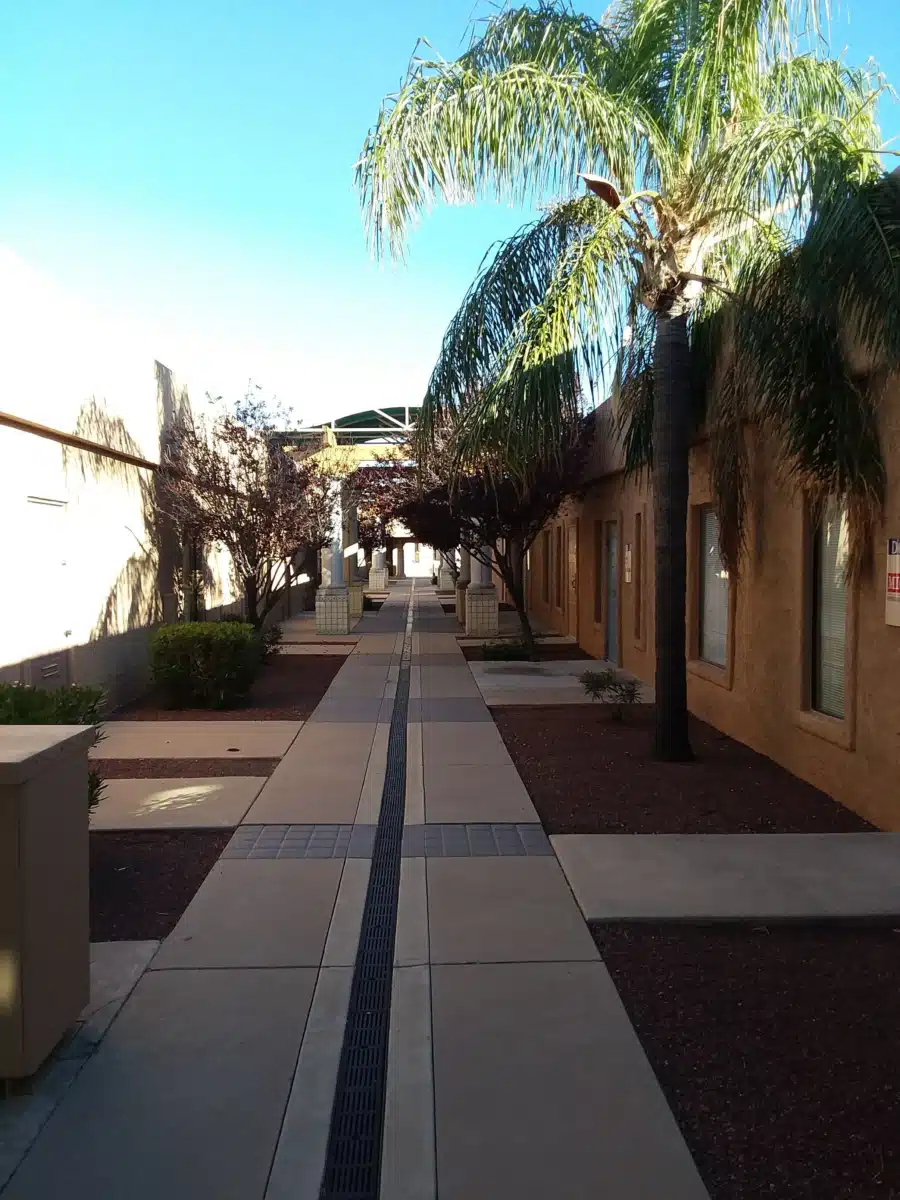
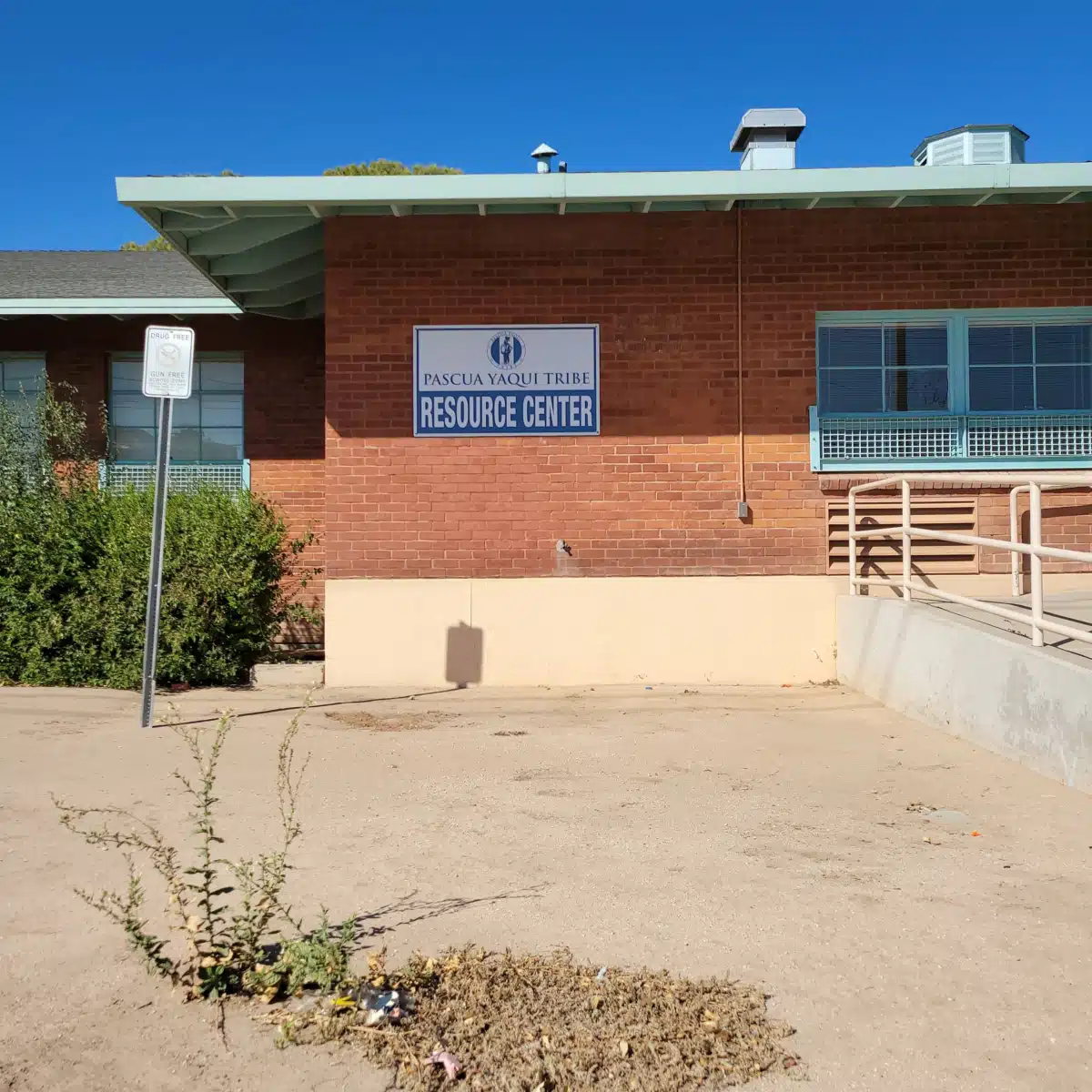
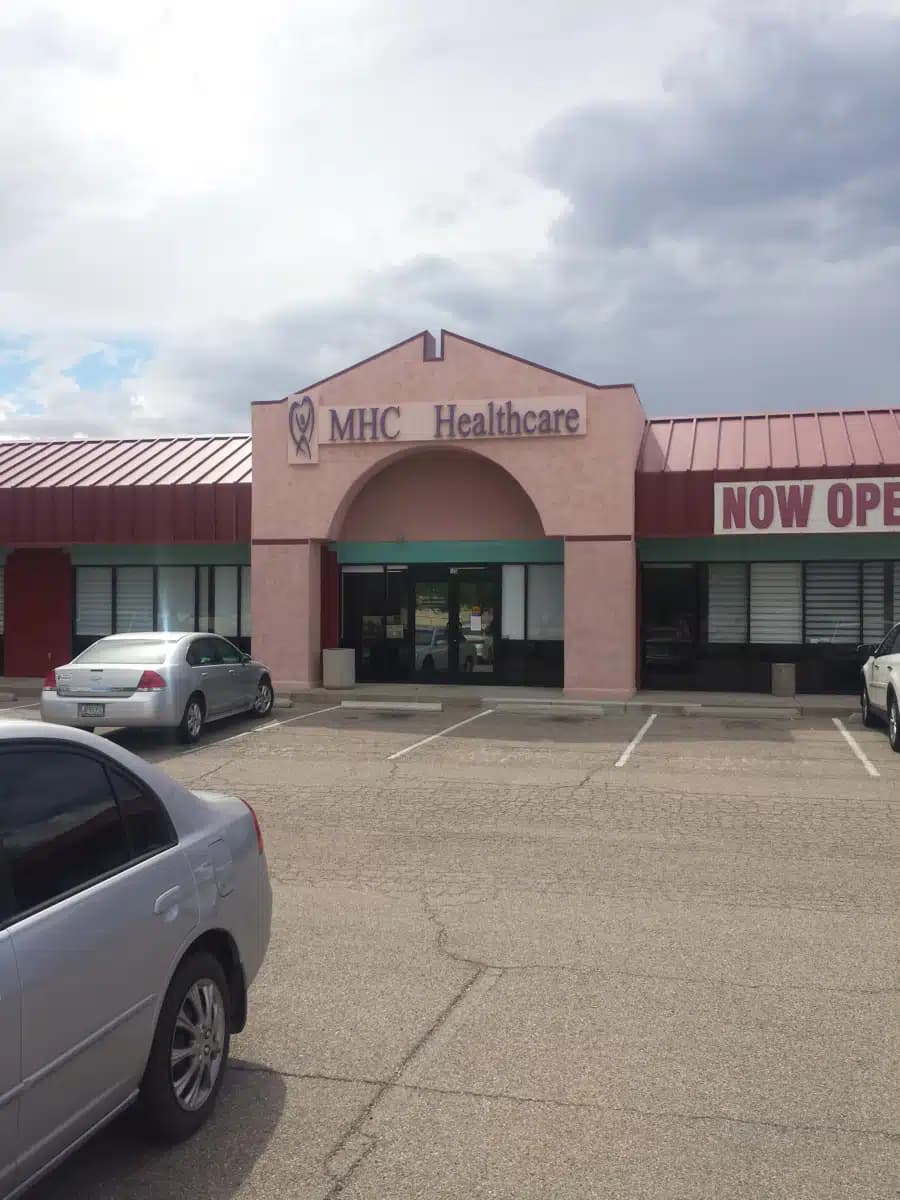
Mountain Rose
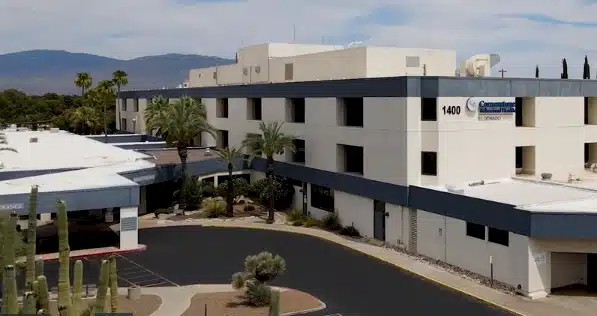

Grant Road Site
Campus Inc
Centered Spirit Behavioral Health
Treatment Options in Tucson
Treatment Locations in Tucson
Facilities serve communities from downtown Tucson to the Foothills, Oro Valley, and surrounding desert communities offering natural healing environments.
More Treatment Centers in Arizona
Phoenix
72 centers
Mesa
24 centers
Scottsdale
21 centers
Prescott
16 centers
Tempe
13 centers
Glendale
12 centers
View all 63 cities in Arizona
Frequently Asked Questions About Treatment in Tucson
Sources
Medical Disclaimer
The information on this page is for educational purposes and is not a substitute for professional medical advice. If you or someone you know is experiencing a substance use crisis, call the SAMHSA National Helpline at 1-800-662-4357 (free, confidential, 24/7). For immediate danger, call 911 or the 988 Suicide & Crisis Lifeline by dialing 988.