
Motivational Interviewing Treatment Centers
Motivational Interviewing (MI) is a client-centered, directive counseling approach that helps individuals explore and resolve ambivalence about changing addictive behaviors. Rather than telling people what to do, MI helps them discover their own reasons for change and builds their confidence in their ability to achieve it. This approach is particularly effective for individuals who are uncertain about recovery or resistant to treatment. MI can be used as a standalone intervention or integrated with other therapies, and research consistently shows it improves treatment engagement and outcomes.
Found 1,916 treatment centers offering motivational interviewing across the United States.
Want us to find the perfect facility for you?
Call now - it's completely free!
Showing 20 of 1916 motivational interviewing treatment centers

Nestled in the heart of Saint Joseph, MO, the St. Joseph Safety and Health Council stands out as a dedicated provider of outpatient substance use treatment tailored specifically for adults and seniors. Their regular outpatient program is thoughtfully designed to encompass a range of therapeutic techniques, including brief interventions, cognitive behavioral therapy, and motivational interviewing. What sets this facility apart is its commitment to individualized care, recognizing the unique experiences and challenges faced by each person who walks through their doors. They cater to both male and female clients, ensuring that everyone receives the attention and support they deserve. The center takes a unique approach by crafting personalized treatment plans that truly address the distinct needs of each individual. If you or someone you care about is on the journey toward recovery and in search of high-quality addiction treatment in a nurturing and supportive environment, look no further than the St. Joseph Safety and Health Council. Their unwavering dedication to comprehensive care aims to foster lasting recovery for all who seek their help.
View Details
Staten Island University Hospital, situated in Staten Island, NY, is committed to delivering specialized treatment for substance use disorders, catering to both adults and young adults. Here, you'll find a range of outpatient services designed to support individuals in their recovery journey. The hospital offers treatment options that include outpatient methadone, buprenorphine, or naltrexone — all of which are crucial for those seeking assistance with addiction. What sets this facility apart is its emphasis on using evidence-based practices such as contingency management, motivational interviewing, and relapse prevention. These approaches are carefully woven into personalized treatment plans, ensuring that each patient's unique needs are addressed. The center prides itself on providing individualized care, recognizing that both male and female patients deserve tailored support as they navigate the challenges of recovery. At Staten Island University Hospital, the focus remains on delivering quality and comprehensive addiction treatment services, ultimately aimed at helping patients achieve lasting sobriety. Whether you’re seeking help for yourself or a loved one, you can trust that this facility is dedicated to being a guiding light on the path to recovery.
View Details
Nestled in Brooklyn, MD, Starting Point presents a unique opportunity for those seeking outpatient treatment for substance use issues, specifically tailored for both adults and young adults. This facility specializes in the administration of medications such as methadone, buprenorphine, and naltrexone, and places a strong emphasis on providing individualized care that meets the specific needs of each client. What sets Starting Point apart is its comprehensive program, which seamlessly integrates a variety of therapeutic approaches. These include 12-step facilitation, motivational interviewing, and targeted counseling specifically designed for substance use disorders. This multifaceted strategy aims to support individuals as they embark on their personal recovery journeys. Moreover, Starting Point prides itself on its personalized approach to treatment, effectively catering to both male and female clients and ensuring that each person receives the attention and care they deserve. With a steadfast commitment to delivering high-quality care, this center focuses on empowering individuals to successfully navigate their paths toward sobriety, fostering a supportive and encouraging environment every step of the way.
View Details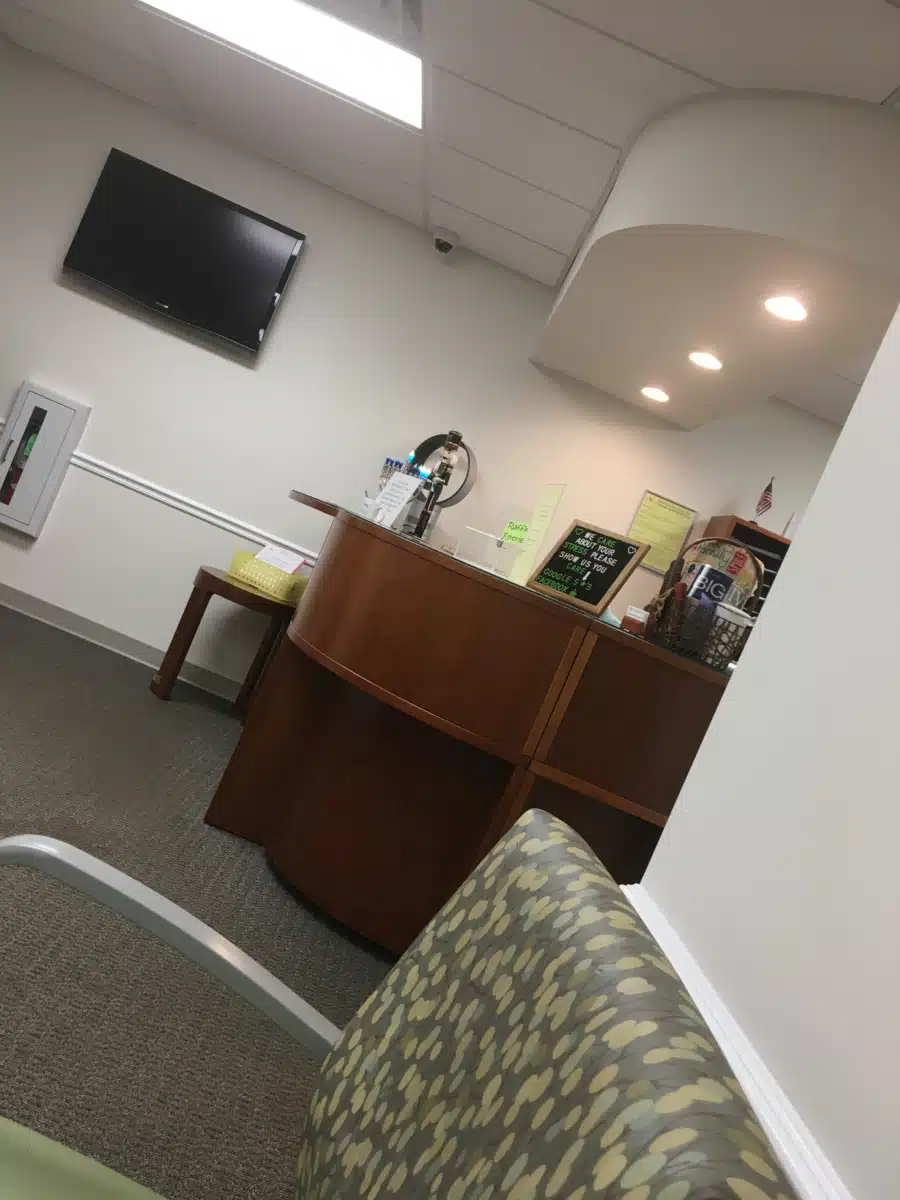
Located in the heart of Matawan, NJ, Stress Care of New Jersey LLC provides specialized rehabilitation services aimed at addressing substance use and serious mental health challenges in adults, as well as emotional disturbances in children. This center is dedicated to offering a range of programs designed to meet the unique needs of each individual. Their offerings include intensive outpatient, outpatient, and partial hospitalization programs, each structured to provide the right level of care for different situations. The team focuses on evidence-based techniques such as anger management, cognitive behavioral therapy, and motivational interviewing, ensuring that clients receive support tailored to their specific circumstances. What sets Stress Care of New Jersey apart is its commitment to serving a diverse clientele, including active duty military personnel, adolescents, and adult men. They recognize the importance of creating an inclusive environment, accommodating both male and female clients across various age groups. With a comprehensive and personalized approach to recovery, Stress Care of New Jersey LLC is dedicated to helping individuals navigate their paths toward healing and wellbeing.
View Details
State Line Treatment Services, located in Harrison, Ohio, specializes in offering a wide range of substance use treatment programs designed to meet the diverse needs of both adults and young adults. At this facility, individuals can access intensive outpatient treatment as well as outpatient services, including programs for methadone, buprenorphine, and naltrexone therapy. What sets State Line Treatment Services apart is their commitment to a personalized treatment experience. Their approach integrates various therapeutic techniques, such as anger management, cognitive behavioral therapy, and motivational interviewing, all of which are tailored to address the unique challenges faced by each client. The center also recognizes the importance of specialized care and has developed targeted programs for specific populations, including adult men, adult women, and individuals dealing with co-occurring mental health and substance use disorders. This thoughtful focus on individual care ensures that all clients, regardless of gender or background, receive the quality support they need to embark on their journey towards effective rehabilitation and recovery.
View Details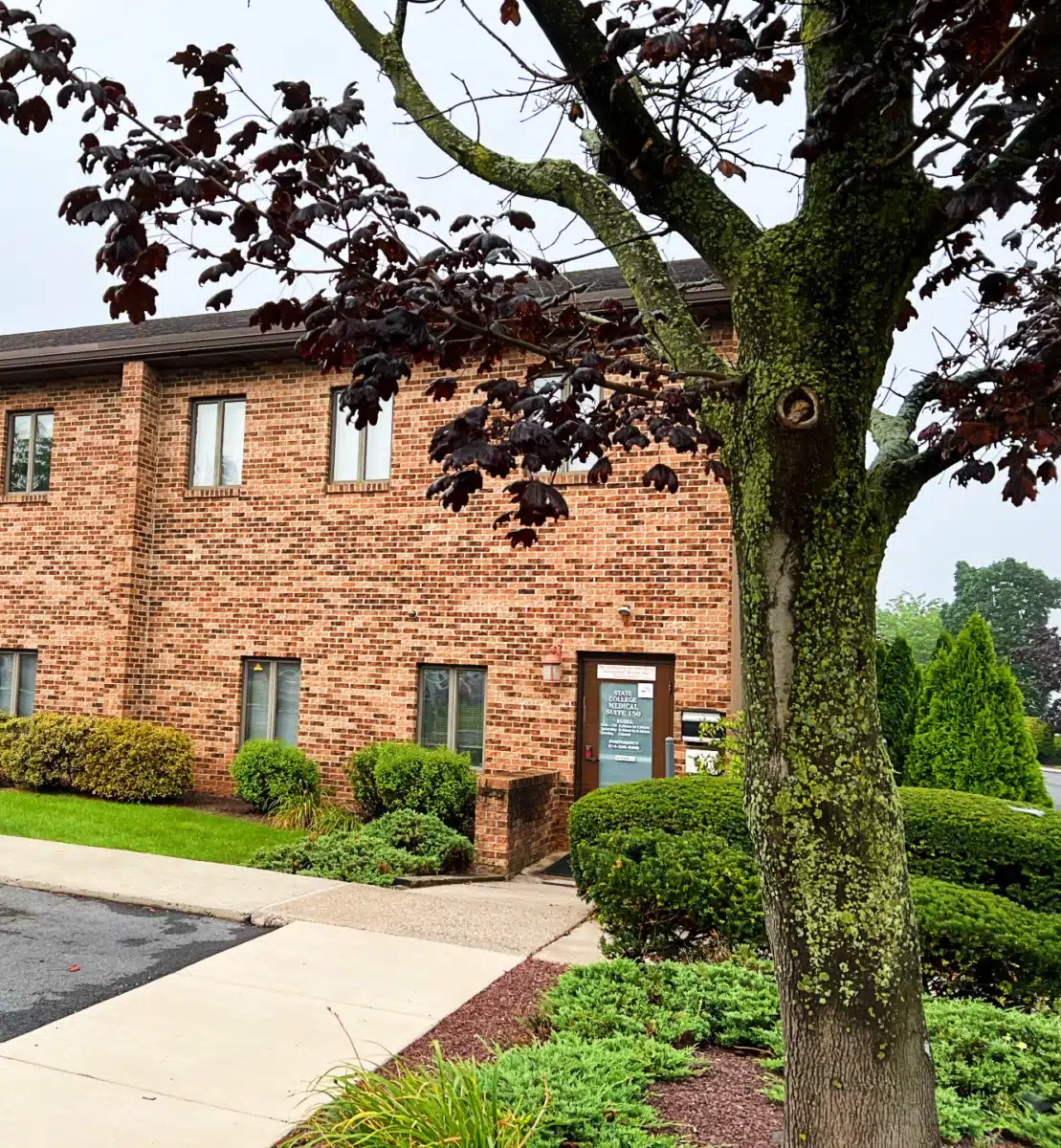
State College Medical, located in State College, PA, provides an extensive array of substance use treatment programs designed to support individuals on their journey to recovery. They offer several options for treatment, including outpatient services, outpatient treatment with methadone or buprenorphine, and naltrexone therapy, ensuring there are pathways for a variety of needs. The center excels in using specialized approaches, such as anger management, cognitive behavioral therapy (CBT), and motivational interviewing. These tailored strategies are particularly beneficial for adult men and women, including those who have faced intimate partner or domestic violence. Catering to both adults and young adults, State College Medical makes a concerted effort to deliver individualized care that considers the unique circumstances of each client. By focusing on high-quality rehabilitation services that cater to the personal needs of their patients, State College Medical is committed to fostering enduring recovery and promoting overall well-being. This dedication to customized treatment ensures that both male and female patients receive the support they need to thrive on their path to a healthier future.
View Details
Located in Detroit, MI, Star Center Inc. specializes in offering targeted substance use treatment through a range of outpatient programs designed for both adults and young adults. Their approach emphasizes techniques like motivational interviewing and relapse prevention, ensuring that clients receive personalized counseling tailored to their specific needs regarding substance use disorders. At Star Center Inc., clients can find unique programs specifically designed for different groups, including adult men and women as well as individuals who have faced intimate partner violence or domestic violence. This thoughtful categorization allows the center to provide truly customized support. In addition to traditional outpatient care, the center also offers medication-assisted treatments, such as methadone, buprenorphine, and naltrexone. This means that both male and female clients have access to the resources they need, whether they're seeking standard outpatient services or medication support. Above all, Star Center Inc. is dedicated to delivering high-quality care with a deeply personalized approach, firmly committed to helping individuals navigate their recovery journeys in a supportive environment.
View Details
Starcare Specialty Health System, located in Lubbock, TX, provides an extensive range of outpatient treatment options aimed at supporting both adults and children dealing with substance use issues alongside co-occurring mental health disorders. The facility boasts specialized programs particularly designed for pregnant and postpartum women, as well as individuals grappling with dual diagnoses. At Starcare, the emphasis is on utilizing evidence-based techniques, such as cognitive behavioral therapy and motivational interviewing, to help clients not only overcome their immediate challenges but also to prevent relapse and ensure a more personalized treatment experience. The thoughtfulness behind their services means that they cater to individuals of all genders and ages, creating a nurturing and supportive atmosphere where healing can thrive. If you’re on the lookout for effective treatment options that prioritize holistic well-being, Starcare is committed to guiding you along your path to sustained sobriety and improved mental health. They are ready to help you transition into a healthier, happier life.
View Details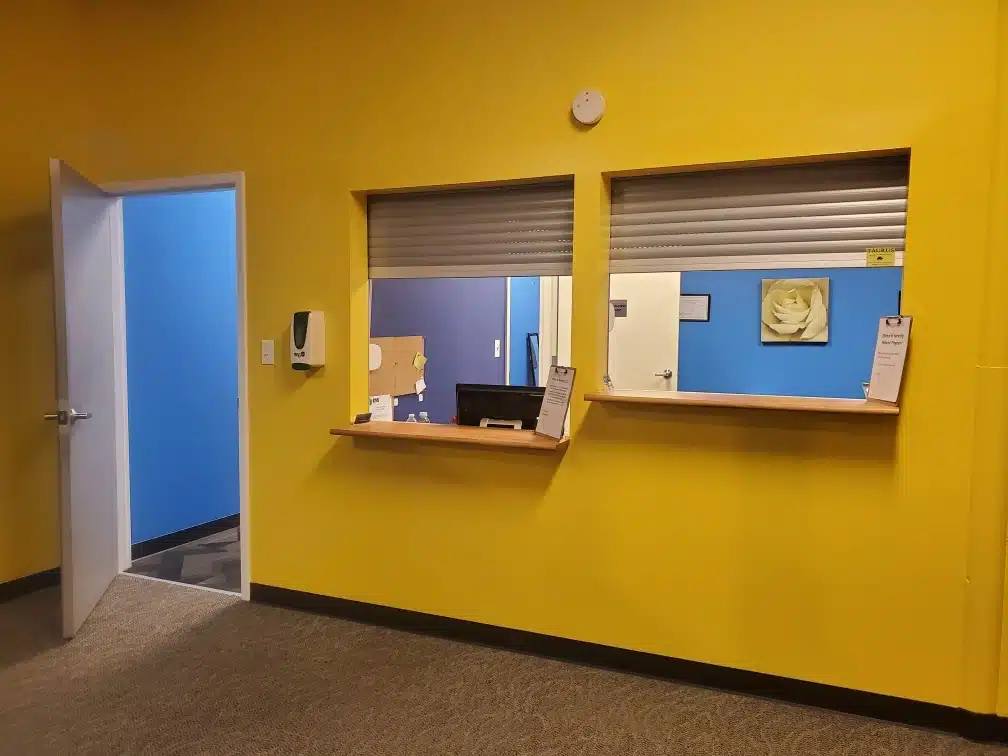
At Strive to Serenity LLC, located in the heart of Chicago, IL, individuals seeking help with substance use issues can access a wide range of treatment options tailored to fit their unique needs. Whether you're looking for outpatient services, outpatient methadone or buprenorphine treatment, or naltrexone therapy, the facility has you covered with its regular outpatient programs. What really sets Strive to Serenity apart is its focus on employing motivational interviewing and relapse prevention strategies, along with specialized counseling for substance use disorders. This personalized approach ensures that care is tailored specifically to each client, recognizing that every journey to recovery is different. Moreover, Strive to Serenity is dedicated to providing support for individuals of all ages, from children and adolescents to seniors, and welcomes clients of all genders. This inclusive environment fosters a sense of community and understanding, which is essential for effective treatment. With its unwavering commitment to delivering high-quality care and a diverse range of treatment options, Strive to Serenity LLC has earned a reputation as a leading choice for compassionate and effective addiction rehabilitation services in the Chicago area. Whether you’re just starting on your recovery journey or seeking ongoing support, this facility offers a wealth of resources to guide you towards a healthier future.
View Details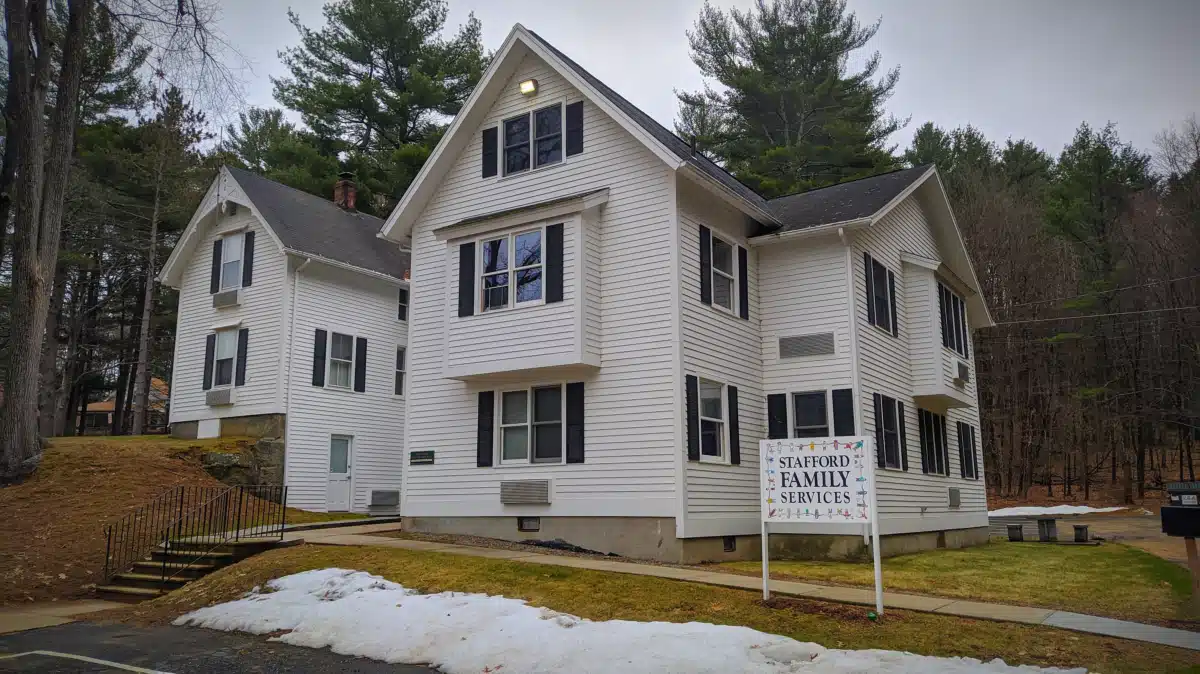
Located in Stafford Springs, CT, Stafford Family Services is dedicated to providing outpatient treatment for adults facing substance use challenges and co-occurring mental health conditions, as well as offering support for emotional disturbances in children. The facility employs a range of therapeutic techniques, including anger management, motivational interviewing, and specialized counseling for substance use disorders, ensuring that each individual receives personalized care through tailored programs. Stafford Family Services takes pride in its commitment to serving adults and seniors of all genders, distinguishing itself with a holistic approach that prioritizes quality care. Those seeking assistance with substance use or mental health issues can anticipate a nurturing environment where compassionate and effective treatment is the norm. The team is focused on helping individuals navigate their journeys toward recovery and well-being, making it a reliable choice for anyone in need of support.
View Details
StarCare Specialty Health System, located in Lubbock, TX, is dedicated to providing specialized outpatient treatment for individuals grappling with substance use issues and co-occurring mental health challenges, whether they are adults or children. The facility employs a variety of evidence-based methods such as 12-step facilitation, motivational interviewing, and brief interventions to create personalized care plans. Catering specifically to both adult men and women, as well as clients navigating dual diagnoses, StarCare places a strong emphasis on supporting young adults. They offer a diverse array of gender-specific programs, which allows for a more tailored approach to each individual’s needs. What truly sets StarCare apart is its unwavering commitment to delivering high-quality care and a comprehensive suite of services. This dedication establishes the center as a reliable choice for anyone in the Lubbock area who is on the journey toward effective and compassionate rehabilitation.
View Details
Located in Pueblo, Colorado, "State of Grace" is dedicated to offering a wide array of substance use treatment programs tailored for both adults and children. Recognizing the complexities of individuals who may also be facing serious mental health challenges, this facility ensures that it addresses co-occurring conditions with sensitivity and expertise. The treatment options available here are diverse, including intensive outpatient therapy, standard outpatient programs, and a suite of outpatient services specifically crafted to cater to each person's unique needs. By placing a strong emphasis on techniques such as anger management, cognitive behavioral therapy, and motivational interviewing, "State of Grace" develops personalized treatment plans that aim to resonate with every client. Moreover, the center understands that different demographics require different approaches; therefore, it offers specialized programs for adolescents, adult men, and adult women. This thoughtful structure ensures that care is both targeted and effective, fostering an environment conducive to recovery. Serving clients of all genders, "State of Grace" prides itself on delivering quality care infused with compassion, ultimately supporting individuals on their journey to lasting recovery.
View Details
Stepping Stone of Boone, situated in the heart of Boone, NC, provides a comprehensive outpatient program designed for individuals struggling with substance use. What sets this facility apart is its unwavering commitment to personalized care, allowing each client to receive the tailored support they need on their journey to recovery. Their treatment offerings are diverse and include options such as methadone or buprenorphine therapy, as well as naltrexone treatment. In addition to these medication-assisted therapies, the program features brief intervention sessions, cognitive behavioral therapy, and motivational interviewing, all aimed at fostering a supportive and constructive environment for healing. Stepping Stone of Boone serves both adults and young adults, ensuring that special attention is given to the unique needs of both male and female clients. With a dedicated focus on individual treatment approaches, this facility stands out as a beacon of hope for those who are ready to take the crucial steps toward overcoming addiction and reclaiming their lives. Here, quality care and compassionate support are always at the forefront of their mission.
View Details
Situated in Rochester, NY, Strong Memorial Hospital is committed to providing a wide array of outpatient services designed for individuals on their journey to recovery from substance use disorders. This facility stands out by offering specialized treatment programs that cater to adults grappling with both substance use and co-occurring mental health conditions, as well as support for children facing emotional challenges. At Strong Memorial Hospital, the treatment philosophy is rooted in effective methodologies such as cognitive behavioral therapy, motivational interviewing, and relapse prevention strategies. By emphasizing a personalized approach, the center ensures that each individual's unique needs are addressed throughout their recovery process. Moreover, the hospital recognizes that different demographic groups may require distinct types of care, which is why it offers specially designed programs targeting adolescents, adult men, and adult women. This intentional focus helps to create a supportive environment for individuals of all genders, from young adults to seasoned adults, fostering inclusive and high-quality care. Ultimately, Strong Memorial Hospital is dedicated to delivering evidence-based treatment that not only supports immediate recovery but also promotes long-term healing and well-being.
View Details
StarVista, located in Pacifica, California, provides a range of specialized outpatient treatment options for adults and young adults struggling with substance use. One of the standout features of this center is its focus on addressing anger management, utilizing brief intervention techniques, and employing motivational interviewing to create a supportive and effective treatment environment tailored to the needs of each individual. What truly distinguishes StarVista is its unique programs designed specifically for criminal justice or forensic clients, which highlights its commitment to helping individuals in various circumstances. The center welcomes both male and female clients, ensuring that everyone has access to a holistic and inclusive approach to recovery. With a dedication to delivering quality care, StarVista prioritizes evidence-based practices, making it a leading choice for those in search of effective addiction treatment options in the Pacifica area. Their comprehensive services reflect a deep understanding of the complexities of addiction and the diverse paths to recovery.
View Details
Steward St. Elizabeth’s SECAP/ATS, situated in Brighton, MA, provides a wide range of addiction treatment services tailored to meet the needs of individuals at different stages of recovery. This facility offers hospital inpatient detoxification along with around-the-clock care to ensure that patients receive the support they need during their treatment. For those who may not require full hospitalization, intensive outpatient treatment options are also available, accommodating both adults and young adults seeking to reclaim their lives from addiction. One of the center’s key strengths lies in its specialized programs, which are designed for specific groups, including adult men, adult women, and pregnant or postpartum women. This approach allows for a more personalized experience, recognizing that each client’s journey to recovery is unique. The staff employs techniques such as motivational interviewing and relapse prevention, along with comprehensive counseling focused on substance use disorders, to help clients develop the tools they need to sustain their recovery. At Steward St. Elizabeth's, the emphasis on individualized care creates a nurturing atmosphere where both male and female clients can feel supported on their path to recovery from substance use disorders. Whether in a group setting or one-on-one support, each individual's needs are prioritized, paving the way for a successful transition to a healthier lifestyle.
View Details
Nestled in Saint Joseph, Missouri, the St. Kolbe Puckett Center for Healing stands out as a premier rehabilitation facility dedicated to addressing substance use disorders. This center offers a range of treatment options tailored to meet the unique needs of both adults and young adults. For those seeking flexibility in their recovery journey, the center provides outpatient services, including methadone and buprenorphine treatments, as well as naltrexone therapy. Additionally, regular outpatient programs are available, ensuring that individuals can access the level of care best suited for their circumstances. One of the key strengths of the St. Kolbe Puckett Center is its commitment to specialized programs. They offer distinct support for active duty military personnel, as well as specific initiatives designed for adult men and women. This personalized approach allows clients to engage in programs that resonate with their experiences, fostering a deeper connection to the recovery process. The center employs evidence-based practices to ensure effective treatment outcomes. Their methodology incorporates 12-step facilitation, brief interventions, and motivational interviewing, all aimed at addressing the distinctive needs of each individual. By focusing on these personalized strategies, the St. Kolbe Puckett Center excels at delivering high-quality care. With a welcoming atmosphere for both male and female clients, the center is dedicated to guiding individuals along their path to recovery, equipping them with the tools needed to reclaim their lives. Whether you are just beginning your journey or continuing down the road to recovery, the St. Kolbe Puckett Center for Healing is ready to support you every step of the way.
View DetailsLocated in Baltimore, MD, "Standing Strong" provides a wide range of services aimed at supporting adult men as they navigate the challenges of substance use. This facility stands out for its commitment to addressing both substance use and serious mental health disorders, while also extending its support to children facing emotional disturbances. At Standing Strong, the treatment offerings are diverse, including long-term, short-term, and residential programs, all designed to meet the unique needs of their clients. The therapeutic approaches utilized here incorporate cognitive behavioral therapy, motivational interviewing, and brief interventions, ensuring a comprehensive and effective path toward recovery. A significant highlight of this center is its specialized programs, which are tailored specifically for clients dealing with co-occurring mental health and substance use issues. This focus allows the facility to provide targeted support for adults, seniors, and young adults alike, fostering an environment where high-quality care is paramount. Standing Strong truly aims to empower its male clients as they work towards overcoming addiction and mental health hurdles, creating a nurturing space for healing and personal growth.
View DetailsStaten Island University Hospital, located in Staten Island, NY, provides a dedicated approach to substance use treatment through its comprehensive outpatient programs. These programs feature options such as outpatient methadone treatment, buprenorphine therapy, and naltrexone treatment, which are designed to support individuals in overcoming addiction. The hospital employs evidence-based practices, including contingency management and motivational incentives, effective motivational interviewing, and robust relapse prevention strategies. These techniques play a significant role in helping clients navigate their recovery journeys. What sets Staten Island University Hospital apart is its commitment to serving a wide range of individuals. They have tailored programs specifically for adult men and women, as well as support for clients who have faced intimate partner violence and domestic violence. By focusing on both adults and young adults from all backgrounds, the facility aims to provide quality care that recognizes the unique circumstances of each client. Individualized treatment plans are at the heart of their approach, ensuring that the diverse needs of every person are effectively addressed throughout their rehabilitation process.
View DetailsNestled in the heart of New York, NY, Striver House is a prominent rehabilitation center dedicated to helping adult men navigate the complex journey of substance use recovery. This facility stands out for its long-term residential programming coupled with round-the-clock care, making it a compassionate sanctuary for those in need. At Striver House, the approach to recovery is comprehensive. The center offers a range of tailored programs designed to meet the unique challenges faced by its residents. These include structured 12-step facilitation, as well as anger management and motivational interviewing, all aimed at fostering personal growth and accountability. A distinctive feature of Striver House is its commitment to supporting adult men living with HIV or AIDS, along with those dealing with both mental health issues and substance use disorders. This dual focus ensures that every client receives the specialized care they deserve within a nurturing environment. The center welcomes individuals from various stages of adulthood, be it young adults or seniors, and prides itself on delivering personalized treatment plans. With a steadfast dedication to quality care, Striver House is focused on empowering individuals to achieve sustainable recovery and enhance their overall well-being. Whether seeking support for themselves or encouraging a loved one, individuals can trust Striver House to provide the guidance and resources necessary for a healthier, more fulfilling life.
View DetailsAbout Motivational Interviewing
Motivational Interviewing (MI) was developed in 1983 by clinical psychologists William Miller and Stephen Rollnick and has since accumulated over 1,500 published clinical trials. A meta-analysis of 119 studies published in Clinical Psychology Review confirmed MI produces significant improvements in substance use outcomes, treatment engagement, and behavioral change. SAMHSA and NIDA both recognize MI as an evidence-based practice for addiction treatment.
What is Motivational Interviewing?
Motivational Interviewing (MI) is a counseling approach developed by psychologists William Miller and Stephen Rollnick. Rather than telling you what to do or confronting denial, MI helps you explore your own ambivalence about change and discover your own motivation for recovery.
The Spirit of MI
MI is guided by four key principles:
- Partnership: Therapist and client work together as equals
- Acceptance: Recognizing your inherent worth and autonomy
- Compassion: Prioritizing your well-being
- Evocation: Drawing out your own wisdom and motivation
Core MI Techniques
Therapists using MI employ specific techniques:
- Open-ended questions that encourage reflection
- Affirmations that acknowledge strengths and efforts
- Reflective listening that shows understanding
- Summarizing to pull together key points
- Eliciting "change talk"—your own statements about wanting, needing, or being able to change
Who Benefits from MI?
MI is particularly helpful for:
- Individuals who are ambivalent or unsure about recovery
- Those who have resisted treatment in the past
- People early in the change process
- Anyone who responds better to collaboration than confrontation
MI in Treatment Settings
MI can be used as a standalone approach or integrated with other treatments. It's often used at the beginning of treatment to build motivation, or throughout treatment to address ambivalence when it arises. MI works well alongside CBT, 12-step programs, and other approaches.
What to Expect with Motivational Interviewing
MI can be delivered as brief intervention or extended therapy:
- Session 1: Building Rapport — The therapist establishes a collaborative, non-judgmental relationship. You explore your current relationship with substances and what concerns you have
- Sessions 2–4: Exploring Ambivalence — Using open-ended questions and reflective listening, the therapist helps you identify your own reasons for change. You may complete a decisional balance exercise
- Sessions 4–6: Strengthening Commitment — As your own motivation crystallizes, sessions focus on building confidence and developing a concrete plan. This often transitions into CBT or other active treatments
- Ongoing: Integration with Treatment — MI principles continue throughout treatment at any level of care, addressing ambivalence whenever it resurfaces
Treatment Outcomes & Research
A meta-analysis of 119 studies found MI produces clinically significant effects on substance use, with the largest effects seen for alcohol and cannabis use disorders. Research in Addiction journal demonstrated that even a single MI session before treatment entry increases engagement by 50%. When combined with contingency management, MI shows additive benefits for stimulant use disorders.
Learn more about Motivational Interviewing:
Insurance & Payment for Motivational Interviewing
The Mental Health Parity and Addiction Equity Act (MHPAEA) and the Affordable Care Act (ACA) require most health insurance plans to cover substance use disorder and mental health treatment at the same level as medical and surgical care. This means motivational interviewing is typically covered when deemed medically necessary.
Coverage varies by plan and provider. Many treatment centers accept private insurance, Medicaid, Medicare, TRICARE, and offer sliding-scale fees. Contact your insurance company or the treatment center directly to verify benefits.
Helpful resources:
- Learn about insurance coverage for rehab
- Explore standard outpatient programs (often most affordable)
- Consider telehealth services for accessible, lower-cost options
- SAMHSA National Helpline — free, confidential, 24/7 referrals (1-800-662-4357)
- Medicaid.gov — check eligibility for state Medicaid coverage
Related Conditions & Treatments
Related Conditions
Other Treatment Methods
Levels of Care
Medical Disclaimer
This content is for informational purposes only and does not constitute medical advice, diagnosis, or treatment. Always consult a qualified healthcare professional before making decisions about addiction treatment. If you or someone you know is in crisis, contact the 988 Suicide & Crisis Lifeline (call or text 988) or the SAMHSA National Helpline (1-800-662-4357).