
Cognitive Behavioral Therapy (CBT) Treatment Centers
Cognitive Behavioral Therapy (CBT) is one of the most extensively researched and effective treatments for addiction. This structured, goal-oriented therapy helps individuals identify negative thought patterns, understand the connection between thoughts, feelings, and behaviors, and develop practical coping skills. CBT is effective for treating substance use disorders, co-occurring mental health conditions like depression and anxiety, and behavioral addictions. Treatment typically involves homework assignments, skills practice, and relapse prevention strategies that individuals can use long after therapy ends.
Found 6,866 treatment centers offering cognitive behavioral therapy (cbt) across the United States.
Want us to find the perfect facility for you?
Call now - it's completely free!
Showing 6 of 6866 cognitive behavioral therapy (cbt) treatment centers
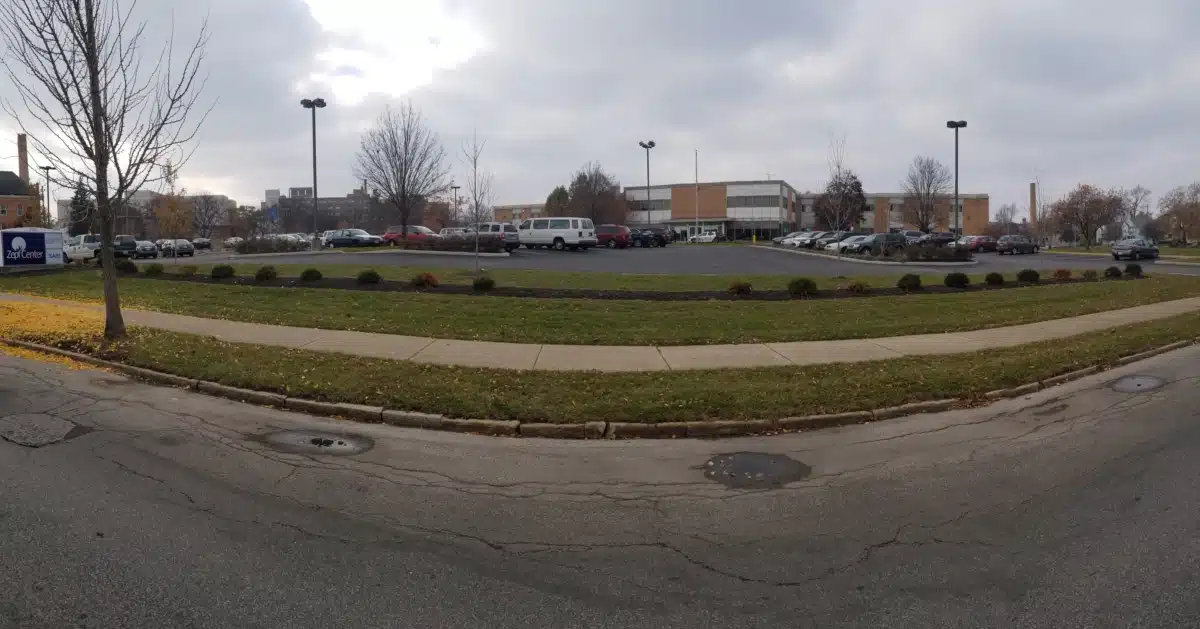
In the heart of Toledo, OH, the Zepf Center stands out as a beacon of hope for those seeking comprehensive addiction treatment services. This facility is dedicated to assisting both adults and young adults on their recovery journeys, offering a diverse range of programs designed to meet varying needs. At Zepf Center, individuals can access detoxification services and address substance use through multiple formats, including intensive outpatient programs, traditional outpatient services, and day treatment options. This flexibility ensures that clients can find a program that works best for their unique circumstances. What sets Zepf Center apart is its commitment to specialized care. The facility not only provides general addiction treatment but also incorporates focused services such as anger management sessions, brief interventions, and cognitive behavioral therapy, creating a well-rounded therapeutic environment. It serves a diverse clientele, catering to both male and female clients, and extends its services to pregnant or postpartum women, as well as those involved with the criminal justice system or in forensic settings. By tailoring treatment plans to address the specific needs of these various groups, Zepf Center ensures that every patient receives personalized attention and support. Those who seek help here can look forward to receiving quality care from a compassionate team, dedicated to empowering individuals on their path to recovery.
View Details
Situated in the heart of Perry, Iowa, ZION Integrated Behavioral Health Services is dedicated to offering a wide array of substance use treatment options specifically designed for adults and seniors. Their approach includes various levels of care to meet individual needs, encompassing intensive outpatient programs, outpatient services, and standard outpatient treatment options. One of the standout features of ZION Integrated Behavioral Health Services is their commitment to providing personalized support through a variety of therapeutic techniques. They focus on essential areas such as anger management, brief interventions, and cognitive behavioral therapy, ensuring that each client receives tailored care that addresses their unique circumstances. The facility also recognizes the diverse needs of its community by offering special programs for different demographics, including adolescents and tailored services for adult men and women. Importantly, both male and female clients can access these services, fostering an inclusive and supportive environment. As patients navigate their recovery journeys, they can expect to receive high-quality care grounded in evidence-based practices. ZION Integrated Behavioral Health Services is not just a treatment center; it’s a place where individuals can find the support and tools necessary to reclaim their lives.
View Details
Nestled in Elizabethtown, Kentucky, reNest stands as a beacon of hope for those grappling with addiction. This facility proudly offers a diverse array of treatment services tailored to meet the varying needs of its clients. Whether you’re in need of intensive outpatient treatment, regular outpatient care, or transitional housing, reNest has you covered for both adults and seniors. What sets reNest apart is its commitment to specialized treatment methodologies. The center emphasizes 12-step facilitation, cognitive behavioral therapy, and brief intervention techniques, making it particularly well-equipped to assist adult men and women who may be facing both mental health challenges and substance use disorders simultaneously. At reNest, the focus is not just on treatment, but on offering a nurturing environment that fosters recovery. Each client benefits from personalized treatment plans that cater to their unique circumstances. This thoughtful approach ensures that both male and female clients receive the support they need as they navigate their path to sobriety. If you’re in search of a balanced mix of structure and compassion in your rehabilitation journey, look no further. reNest is dedicated to empowering you every step of the way as you work towards reclaiming your life.
View DetailsZenith Hope Center LLC, located in Charlotte, NC, is dedicated to providing top-notch substance use treatment services. They offer a range of program options, including intensive outpatient, outpatient, and specialized programs using methadone, buprenorphine, or naltrexone. What makes Zenith Hope Center unique is their holistic approach to recovery, which incorporates essential therapies like anger management, brief intervention, and cognitive behavioral therapy. This facility is particularly mindful of the diverse needs of its clientele, catering to active duty military personnel as well as adult men and women. They understand that each individual is different, which is why they develop tailored programs designed to support both adults and young adults of all genders. At Zenith Hope Center, the commitment to quality and effectiveness is evident in their focus on evidence-based treatment methods within a nurturing environment. This dedication to personalized care truly sets them apart as a leading option for anyone looking to embark on the path of recovery from addiction. Whether you're just starting your journey or looking for ongoing support, you can find a welcoming and professional setting at Zenith Hope Center LLC.
View DetailsSituated in the heart of Clarinda, Iowa, ZION Integrated Behavioral Health Services stands out as a vital resource for those on the journey to recovery from substance use and co-occurring mental health disorders. This facility prides itself on offering a wide array of treatment options that cater to the diverse needs of its clients, including specialized programs tailored for adults, seniors, and young adults, and welcoming individuals of all genders. ZION Integrated Behavioral Health Services employs evidence-based practices that have been shown to be effective in promoting recovery. Among these are cognitive behavioral therapy and anger management, both of which are integral components of their treatment plans. The center is flexible in its approach, providing various levels of care, such as intensive outpatient programs, regular outpatient services, and even transitional housing solutions to help individuals as they progress in their recovery. A particularly noteworthy aspect of ZION Integrated Behavioral Health Services is its emphasis on addressing the unique challenges faced by clients who have encountered trauma or experienced intimate partner violence. The facility is dedicated to ensuring that each person receives personalized care tailored to their specific circumstances. This commitment to individualized treatment fosters an environment conducive to both lasting recovery and improved emotional well-being.
View DetailsNestled in Zuni, New Mexico, the Zuni Recovery Center stands out for its commitment to providing exceptional substance use treatment. Their offerings include both outpatient and regular outpatient programs, designed to suit a variety of needs. The center takes a specialized approach, focusing on areas like anger management, brief intervention, and cognitive behavioral therapy, ensuring that individuals receive personalized care tailored specifically to their recovery journey. What truly sets Zuni Recovery Center apart is its unique range of programs that cater to diverse populations, including active-duty military personnel, adolescents, and adult men. This dedication to inclusivity means that they effectively support not just adults but also children, teenagers, and seniors, reflecting their comprehensive approach to recovery. For individuals seeking a nurturing environment, the Zuni Recovery Center prioritizes care for both male and female clients. Their holistic methodology goes beyond mere treatment; it promotes sustained recovery and overall well-being, making it a valuable resource for anyone looking to reclaim their life from substance use challenges. Whether you’re seeking help for yourself or a loved one, the Zuni Recovery Center is ready to provide the compassionate support needed for a successful recovery journey.
View DetailsAbout Cognitive Behavioral Therapy (CBT)
Cognitive Behavioral Therapy is one of the most extensively researched psychotherapies, with over 2,000 published studies supporting its effectiveness. According to the National Institute on Drug Abuse (NIDA), CBT is among the most effective treatments for substance use disorders, with meta-analyses showing significant reductions in substance use compared to control conditions. The American Psychological Association recognizes CBT as an evidence-based treatment for addiction, depression, anxiety, and numerous other conditions.
How CBT Works in Addiction Treatment
CBT is based on the understanding that thoughts, feelings, and behaviors are interconnected. By identifying and changing negative thought patterns, you can change how you feel and behave—including addictive behaviors.
Key components of CBT for addiction:
- Functional Analysis: Understanding the thoughts, feelings, and situations that lead to substance use
- Cognitive Restructuring: Identifying and challenging distorted thinking patterns
- Skills Training: Learning practical coping strategies for triggers and cravings
- Relapse Prevention: Developing a plan to maintain sobriety long-term
What CBT Treats
CBT is effective for treating:
- Alcohol addiction
- Opioid addiction
- Cocaine and methamphetamine addiction
- Cannabis use disorder
- Depression
- Anxiety disorders
- Gambling addiction
What to Expect in CBT Sessions
CBT is typically structured and goal-oriented. Sessions involve working with a therapist to identify problems, set goals, and learn specific skills. You'll have homework assignments to practice skills between sessions, and you'll track your progress over time.
What to Expect in CBT Treatment
A typical course of CBT for addiction follows a structured progression:
- Weeks 1–2: Assessment & Goal Setting — Your therapist conducts a comprehensive assessment, identifies thought patterns, and establishes measurable treatment goals
- Weeks 3–8: Active Skill Building — Weekly sessions focus on functional analysis, cognitive restructuring, and practicing coping skills. Homework between sessions reinforces learning
- Weeks 9–12: Relapse Prevention — Developing personalized relapse prevention plans, identifying high-risk situations, and building confidence in outpatient settings
- Ongoing: Maintenance & Booster Sessions — Many individuals continue with periodic sessions via standard outpatient or telehealth to maintain gains
Treatment Outcomes & Research
A Cochrane Review of 53 studies found CBT significantly reduces substance use and improves psychological functioning. Research published in JAMA Psychiatry shows that CBT skills continue to benefit individuals for 12+ months after treatment ends — a durability advantage over many other approaches. When combined with medication-assisted treatment, outcomes improve further, with one meta-analysis showing a 30% additional reduction in relapse risk.
Learn more about CBT:
Insurance & Payment for Cognitive Behavioral Therapy (CBT)
The Mental Health Parity and Addiction Equity Act (MHPAEA) and the Affordable Care Act (ACA) require most health insurance plans to cover substance use disorder and mental health treatment at the same level as medical and surgical care. This means cognitive behavioral therapy (cbt) is typically covered when deemed medically necessary.
Coverage varies by plan and provider. Many treatment centers accept private insurance, Medicaid, Medicare, TRICARE, and offer sliding-scale fees. Contact your insurance company or the treatment center directly to verify benefits.
Helpful resources:
- Learn about insurance coverage for rehab
- Explore standard outpatient programs (often most affordable)
- Consider telehealth services for accessible, lower-cost options
- SAMHSA National Helpline — free, confidential, 24/7 referrals (1-800-662-4357)
- Medicaid.gov — check eligibility for state Medicaid coverage
Related Conditions & Treatments
Related Conditions
Other Treatment Methods
Levels of Care
Medical Disclaimer
This content is for informational purposes only and does not constitute medical advice, diagnosis, or treatment. Always consult a qualified healthcare professional before making decisions about addiction treatment. If you or someone you know is in crisis, contact the 988 Suicide & Crisis Lifeline (call or text 988) or the SAMHSA National Helpline (1-800-662-4357).