
12-Step Programs Treatment Centers
12-Step Programs like Alcoholics Anonymous (AA) and Narcotics Anonymous (NA) have helped millions of people achieve lasting recovery since 1935. These peer support programs follow a structured set of guiding principles, including admitting powerlessness over addiction, taking moral inventory, making amends, and helping others in recovery. The fellowship and community aspect provides crucial ongoing support. While spiritual in nature, 12-step programs welcome people of all faiths and backgrounds. Research supports their effectiveness, particularly when combined with professional treatment.
Found 11,859 treatment centers offering 12-step programs across the United States.
Want us to find the perfect facility for you?
Call now - it's completely free!
Showing 20 of 11859 12-step programs treatment centers
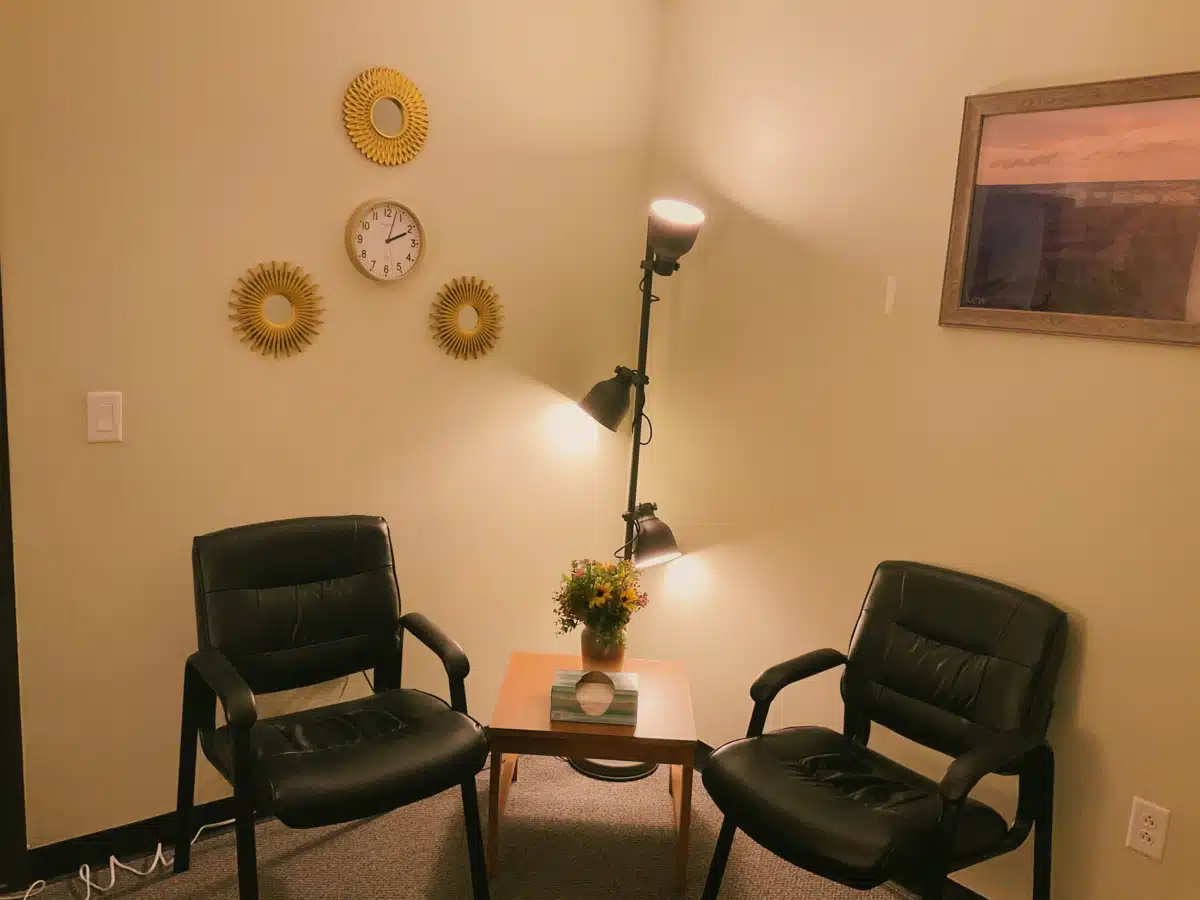
Whitehall CAP Inc, located in Reynoldsburg, OH, provides comprehensive outpatient treatment for individuals grappling with substance use issues, as well as specialized care for those facing co-occurring mental health challenges, including serious conditions in adults and emotional disturbances in children. At this center, clients can engage in regular outpatient therapy sessions that emphasize essential skills such as anger management, brief intervention techniques, and cognitive behavioral therapy. They understand that each person's journey to recovery is unique, which is why Whitehall CAP Inc has developed tailored programs specifically designed for various demographics — including adolescents and adult men and women — ensuring that both adults and children/adolescents of all genders receive the support they need. With a steadfast commitment to providing high-quality, individualized care, Whitehall CAP Inc aims to empower clients and guide them on their journey toward lasting recovery and a healthier future.
View Details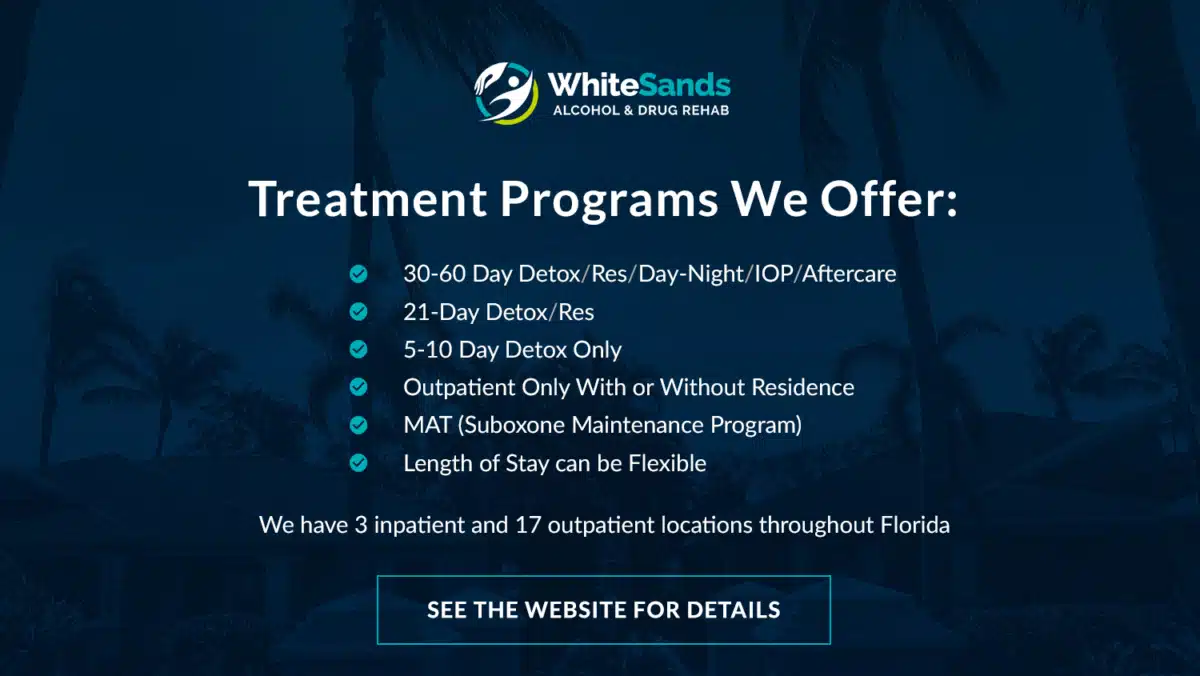
Located in Saint Petersburg, FL, WhiteSands Alcohol and Drug Rehab offers a thorough range of treatment options designed specifically for adults and young adults grappling with substance use issues. One of the standout features of this facility is its specialized care for individuals dealing with both substance use disorders and serious mental health challenges, ensuring that clients receive the comprehensive support they need. The center provides both intensive outpatient and outpatient programs, incorporating treatment methods such as methadone/buprenorphine and naltrexone. These options reflect the facility's commitment to evidence-based practices, including effective strategies like 12-step facilitation, anger management, and brief intervention techniques that resonate with many individuals on their recovery journey. WhiteSands also recognizes the unique needs of specific populations, offering tailored programs for active-duty military personnel, as well as separate tracks for adult men and women. This focus on gender-specific care creates a supportive atmosphere where individuals can feel understood and valued, which is crucial for fostering recovery. At its core, WhiteSands Alcohol and Drug Rehab aims to provide high-quality, personalized care that empowers clients not just to overcome their substance use challenges but also to achieve enduring sobriety and mental well-being. Their dedicated approach ensures that everyone who walks through their doors receives the individualized attention necessary for successful recovery.
View DetailsWhiteSands Alcohol and Drug Rehab, located in the beautiful city of Naples, Florida, offers a wide range of treatment options for adults struggling with substance use disorders. This facility stands out for its ability to accommodate not only individuals dealing with addiction but also those facing serious mental health challenges alongside their substance use. At WhiteSands, clients can choose between intensive outpatient programs and traditional outpatient services, allowing for a flexible approach to recovery. Importantly, the center recognizes that different groups have unique needs; therefore, they provide specialized tracks designed specifically for active duty military personnel, as well as tailored support for adult men and adult women. The treatment plans at WhiteSands are anything but one-size-fits-all. They incorporate a variety of evidence-based strategies like 12-step facilitation, anger management, and brief interventions, all crafted to help individuals on their journey toward recovery. What truly sets this facility apart is its unwavering commitment to quality care—creating a nurturing environment for both male and female adults, including young adults. If you or a loved one are in search of effective rehabilitation services, WhiteSands offers the supportive atmosphere essential for healing and growth.
View DetailsAt WhiteSands Alcohol and Drug Rehab in Brandon, FL, adults and young adults struggling with substance use issues can find compassionate and effective treatment options. This facility is particularly adept at addressing co-occurring substance use disorders alongside serious mental health conditions in adults, as well as handling significant emotional disturbances in children. WhiteSands recognizes that each individual’s journey to recovery is unique, which is why they offer specialized programs tailored for various groups, including active-duty military members, adult men, and adult women. Their approach encompasses a range of therapeutic techniques, from the well-known 12-step facilitation to anger management strategies and brief intervention methods. This multidimensional perspective ensures that each patient receives comprehensive support suited to their specific needs. For those requiring medication-assisted treatment, WhiteSands also provides access to outpatient options, such as methadone or buprenorphine, as well as naltrexone. What sets WhiteSands apart is their commitment to delivering top-notch care through customized treatment plans designed to foster long-lasting recovery. Ultimately, their mission is to guide individuals on their path to healing, helping them reclaim a healthier and more fulfilling life.
View DetailsWhiteSands Alcohol and Drug Rehab, located in Fort Myers, FL, offers a wide array of addiction treatment services designed to meet the unique needs of individuals facing substance use challenges. At this facility, you'll find a complete continuum of care that includes detoxification, intensive outpatient programs, and transitional housing options like halfway houses and sober living environments. What sets WhiteSands apart is their commitment to serving a variety of populations, including specialized programs tailored for active duty military personnel as well as adult men and women. Recognizing that each person's journey to recovery is different, they employ a range of therapeutic approaches. Their methods incorporate 12-step facilitation, anger management techniques, and brief intervention strategies, making their services both comprehensive and adaptable. WhiteSands is dedicated to providing high-quality care for both adults and young adults, regardless of gender. By focusing on individualized treatment plans, the center aims to maximize each client's potential for recovery. If you're in search of effective, evidence-based support for overcoming addiction, WhiteSands stands ready to help you on your path to recovery.
View DetailsWhiteSands Alcohol and Drug Rehab, located in Clearwater, FL, specializes in delivering comprehensive substance use treatment tailored for both adults and young adults who are facing the challenges of co-occurring serious mental health conditions. At this facility, you’ll find a range of programs designed to meet varying needs, including intensive outpatient and outpatient options. Notably, they offer methadone and buprenorphine treatments, which are pivotal in helping individuals manage their recovery effectively. A key aspect of WhiteSands’ approach is its commitment to the 12-step facilitation model, alongside anger management and brief intervention strategies. This well-rounded methodology suits not just the general community but specifically caters to active duty military personnel, with specialized programs aimed at both adult men and women. Throughout the treatment process, WhiteSands prioritizes providing a supportive and nurturing environment. By focusing on individualized care, they strive to ensure every client receives the quality rehabilitation services they need to embark on their journey to recovery. If you’re seeking effective support, this center stands out as a thoughtful choice in the realm of addiction recovery.
View DetailsWhiteSands Alcohol and Drug Rehab, located in Lakeland, Florida, is dedicated to providing a holistic approach to substance use treatment for both adults and young adults. Their program specially addresses those grappling with serious mental health conditions or emotional challenges that often accompany substance use disorders. At WhiteSands, clients have access to a range of treatment options, including intensive outpatient, outpatient, and standard outpatient programs, all of which incorporate evidence-based methods. These techniques include 12-step facilitation, anger management strategies, and brief intervention sessions, ensuring that each individual receives effective and proven care. Recognizing the diverse needs of the community, WhiteSands features specialized programs tailored specifically for active-duty military personnel as well as distinct offerings for adult men and women. This gender-specific approach promotes a more personalized experience, allowing each client to connect with others who may share similar life experiences and challenges. The commitment of WhiteSands to delivering high-quality, individualized care underscores their mission: to support clients on their journey toward sustained recovery. Through their comprehensive and customized treatment plans, individuals can work towards reclaiming their lives and achieving lasting wellness.
View DetailsWhiteSands Alcohol and Drug Rehab, located in Sarasota, FL, is dedicated to providing thorough treatment for individuals grappling with substance use issues. They cater to both adults and young adults, creating a nurturing environment for those in recovery. The facility doesn't just stop at traditional treatment; it also offers transitional housing and addresses co-occurring substance use along with serious mental health challenges, ensuring a holistic approach to rehabilitation. Their programs are designed to accommodate different needs, including both intensive outpatient and outpatient options. Among the specialized services available, you’ll find 12-step facilitation and anger management, which are tailored to aid clients in navigating their personal journeys toward sobriety. WhiteSands also recognizes the unique experiences of active duty military members, offering specific programs to support them, as well as services geared toward adult men and women. By focusing on quality care, the center creates a welcoming atmosphere for male and female clients alike, providing each individual with the support necessary for a successful recovery from addiction.
View DetailsLocated in Palm Harbor, Florida, WhiteSands Alcohol and Drug Rehab is committed to delivering thorough and compassionate substance use treatment for both adults and young adults. This facility places a strong emphasis on addressing complex issues such as co-occurring substance use disorders paired with serious mental health conditions in adults, as well as significant emotional disturbances in children. At WhiteSands, clients can select from a range of treatment options tailored to their specific needs, including intensive outpatient, outpatient, and standard outpatient programs. The center employs a variety of effective techniques designed to foster recovery, such as 12-step facilitation, anger management strategies, and brief intervention methods. Moreover, WhiteSands understands the unique challenges faced by different populations, which is why they offer specialized programs for active duty military personnel, as well as distinct services aimed at adult men and women. With a steadfast commitment to providing quality care, the team at WhiteSands prioritizes the development of personalized treatment plans, ensuring that each individual receives the support necessary for achieving not just recovery, but lasting change.
View DetailsWhiteSands Alcohol and Drug Rehab, located in Melbourne, FL, is committed to providing thorough and effective treatment for adults and young adults who are grappling with substance use disorders, particularly when coupled with serious mental health conditions. This facility offers a range of services tailored to meet diverse needs, including intensive outpatient programs, outpatient care, and specialized treatments involving methadone, buprenorphine, or naltrexone. One of the standout features of WhiteSands is its emphasis on evidence-based methods, such as 12-step facilitation, anger management, and brief intervention strategies. These approaches are designed to foster personal growth and resilience, ensuring that clients receive the support they need in their recovery journey. The center does not only cater to men and women but also provides dedicated services for active duty military personnel, recognizing the unique challenges they may face. Understanding that each individual’s path to recovery is unique, WhiteSands offers customized programs for both female and male clients. This personalized approach allows for a more tailored treatment experience, enhancing the likelihood of successful outcomes. With a strong focus on integrating mental health support and addressing addiction, WhiteSands Alcohol and Drug Rehab is devoted to delivering high-quality care for those seeking to reclaim their lives from addiction and dual diagnoses.
View Details
At the Whitman-Walker Clinic, located in Washington, DC, individuals seeking help can find specialized outpatient treatments tailored for substance use issues as well as serious co-occurring mental health conditions. This clinic employs a variety of evidence-based practices, including cognitive behavioral therapy and motivational interviewing, ensuring that each individual receives the support they need. A vital aspect of the care offered here is the clinic’s emphasis on trauma-informed approaches, which are particularly beneficial for clients living with HIV or AIDS, as well as those dealing with dual diagnoses. The clinic welcomes adults and young adults of all genders, providing comprehensive services that include outpatient treatments with medications like methadone, buprenorphine, and naltrexone, alongside regular outpatient care. Whitman-Walker Clinic is truly committed to delivering high-quality, holistic care, aimed at guiding individuals on their journey toward recovery and improved well-being.
View Details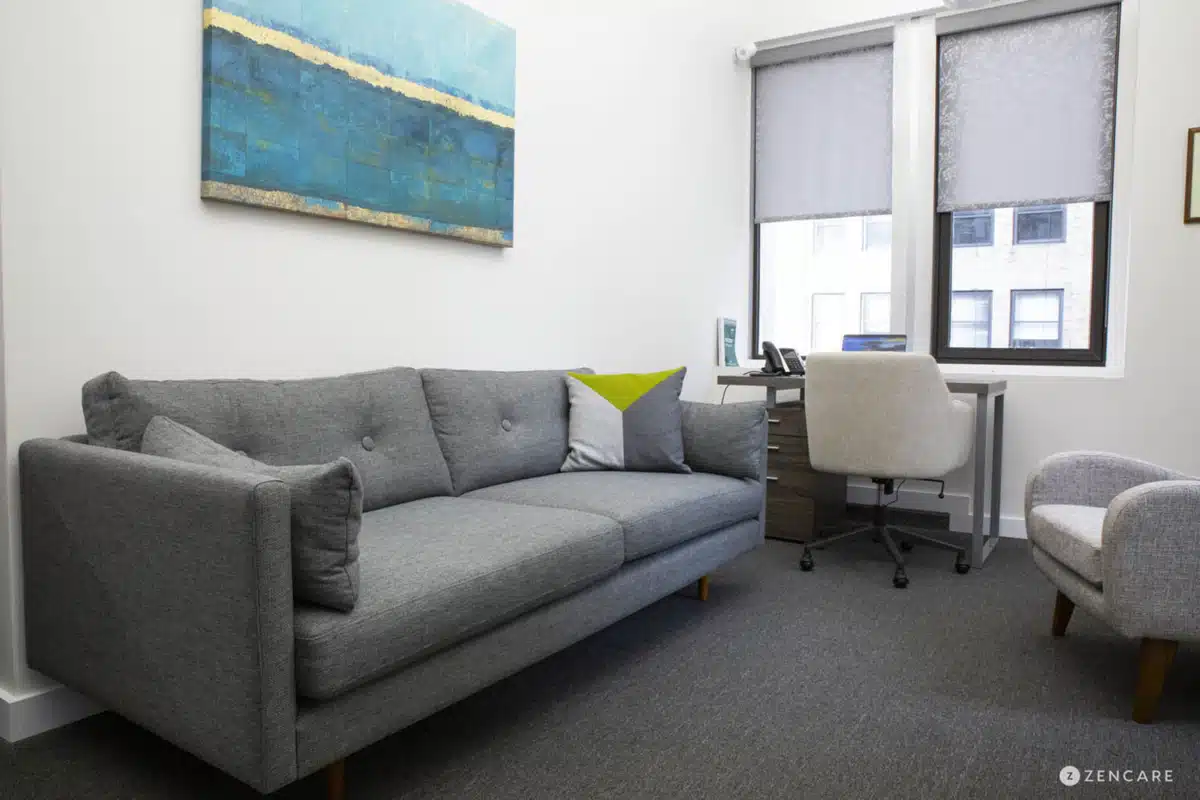
Wholeview Wellness LLC is situated in the heart of New York, NY, and is dedicated to providing comprehensive treatment options for adults grappling with substance use issues, especially those facing co-occurring serious mental health conditions. They also extend their expertise to address emotional disturbances in children. The center specializes in both intensive outpatient and regular outpatient services, offering a range of treatments, including methods involving methadone, buprenorphine, and naltrexone. Wholeview Wellness recognizes the unique challenges faced by different populations, which is why they have developed specialized programs for active duty military personnel, as well as tailored services for adult men and women. Their treatment methodology incorporates a variety of evidence-based approaches such as 12-step facilitation, anger management, and brief intervention techniques. This ensures that every individual receives personalized care, regardless of their gender, whether they are adults or young adults. Wholeview Wellness LLC is truly distinguished by its commitment to high-quality care and customized programs, all aimed at supporting individuals on their journey towards recovery.
View Details
Nestled in the heart of Wickenburg, AZ, Wickenburg Health Home is a dedicated facility that provides outpatient treatment for adults and young adults struggling with substance use issues. What sets this center apart is its expertise in addressing co-occurring mental health disorders alongside substance use problems, recognizing that these challenges often intersect. At Wickenburg Health Home, clients benefit from a range of evidence-based strategies designed to promote recovery. Techniques such as cognitive behavioral therapy and motivational interviewing are an integral part of their treatment approach, ensuring that both male and female clients receive care that is not only effective but also compassionate. The center emphasizes the importance of brief interventions and regular outpatient support, allowing individuals to engage in meaningful treatment while maintaining their daily responsibilities. Committed to delivering high-quality, client-centered services, Wickenburg Health Home tailors its programs to fit the unique needs of each person on their journey to recovery. Whether someone is taking their first steps toward rehabilitation or seeking ongoing support, this facility aims to be a reliable resource on the path to healing.
View Details
In the heart of Salisbury, MD, you’ll find the Wicomico County Health Department, a vital resource for those seeking specialized substance use treatment tailored for both adults and young adults. This facility prides itself on offering a range of outpatient services designed to meet diverse needs. Among these services are outpatient treatments that include methadone and buprenorphine, as well as naltrexone therapy, which are crucial for those on the path to recovery. In addition to medication-assisted treatments, the center employs therapeutic techniques such as cognitive behavioral therapy, the Matrix Model, and motivational interviewing to bolster recovery efforts. With a strong commitment to individualized care, the center designs treatment plans that are specifically tailored to each client, ensuring that both men and women receive the specific support they require on their journey toward sobriety. Overall, the Wicomico County Health Department focuses on delivering high-quality care, with a dedicated team of professionals ready to assist clients from all walks of life, who are looking for a compassionate and effective approach to overcoming addiction.
View Details
Nestled in the heart of Wilkes Barre, Pennsylvania, the Wilkes Barre VA Medical Center stands out as a vital resource for adults and young adults grappling with addiction. This center is dedicated to offering a broad spectrum of addiction treatment services, ensuring that every individual receives the support they need on their path to recovery. At the core of the facility's offerings is a focus on detoxification, comprehensive substance use treatment, and addressing co-occurring disorders, which often accompany addiction. Their approach includes hospital inpatient care, designed not only to stabilize patients but also to support them through various therapeutic modalities. These include 12-step facilitation, anger management, and brief intervention strategies, all aimed at promoting healing and personal growth. Recognizing that each individual's journey is unique, the Wilkes Barre VA Medical Center has developed specialized programs that cater to the distinct needs of different demographics. They provide programs for adult men and women, as well as tailored support for clients who have experienced intimate partner violence, ensuring that care is both compassionate and individualized. With its commitment to delivering high-quality treatment across diverse age groups and genders, the Wilkes Barre VA Medical Center plays a crucial role in the lives of those seeking to overcome addiction. Their dedication to fostering an understanding and supportive environment helps pave the way for lasting recovery.
View DetailsWhiteSands Alcohol and Drug Rehab, located in Deland, FL, is dedicated to offering customized substance use treatment for both adults and young adults who also grapple with co-occurring mental health issues. This facility emphasizes intensive outpatient and outpatient care, tailoring its approach to meet the unique needs of each client. At WhiteSands, you can find a variety of specialized programs designed to support recovery, including 12-step facilitation, anger management, and brief interventions. The center is committed to providing personalized care, making sure that every individual receives the attention and support they need on their journey to healing. Notably, WhiteSands also accommodates active duty military personnel, as well as adult men and women, reaffirming its commitment to diverse populations. Their outpatient treatment options, which include methadone, buprenorphine, or naltrexone, are crafted to address the varying requirements of clients. Serving both male and female clients, WhiteSands strives to deliver quality care that promotes long-term recovery and overall wellness. This facility stands out not only for its comprehensive treatment options but also for its focus on creating a supportive and understanding environment for every individual who walks through its doors.
View DetailsLocated in Titusville, Florida, WhiteSands Alcohol and Drug Rehab specializes in helping individuals navigate the complexities of substance use disorders as well as co-occurring mental health conditions in adults. They also extend their compassionate services to children dealing with emotional disturbances. The facility is committed to providing a range of treatment options tailored to meet diverse needs. They offer intensive outpatient programs alongside traditional outpatient care, and they include medically-assisted treatments with methadone, buprenorphine, or naltrexone to support recovery journeys. At WhiteSands, the focus is not just on treatment but on employing a variety of therapeutic approaches to address the unique challenges faced by their clients. Their offerings include 12-step facilitation, anger management strategies, and brief intervention techniques. Recognizing that different groups have specific needs, the facility works diligently to support active duty military personnel, as well as both adult men and women. By prioritizing individualized care, WhiteSands Alcohol and Drug Rehab is dedicated to fostering an environment where adults and young adults of all genders can thrive on their path to lasting recovery. With a strong commitment to quality care, they strive to create a supportive atmosphere conducive to healing and personal growth.
View Details
Whiteside Manor, located in Riverside, CA, specializes in providing tailored substance use treatment specifically for adult men. The facility understands that every individual has unique needs, which is why it offers a variety of programs, including intensive outpatient care, long-term residential treatment, and standard outpatient options. Central to their approach are the principles of 12-step facilitation, along with effective techniques in anger management and brief intervention strategies. This comprehensive focus is particularly beneficial for clients who have faced trauma or have co-occurring mental health and substance use disorders. Whiteside Manor welcomes a diverse range of clients, including adults, seniors, and young adults, all of whom benefit from the compassionate and skilled team dedicated to providing high-quality care. For those seeking a supportive setting to overcome addiction, this center stands out with its comprehensive programs designed to help guide you on your journey to recovery. If you're ready to take that step, Whiteside Manor can provide the structured, empathetic environment you need.
View Details
Situated in Albany, NY, the Whitney M. Young Jr. Health Center Inc. stands out as a vital resource for individuals seeking comprehensive treatment for substance use issues. This center offers a variety of programs designed to meet diverse needs, including intensive outpatient treatment, general outpatient services, and specialized outpatient programs for those requiring methadone, buprenorphine, or naltrexone treatments. At Whitney M. Young Jr. Health Center, the approach to recovery is multi-faceted. They incorporate evidence-based techniques such as 12-step facilitation, brief intervention, and cognitive behavioral therapy. This combination of methods ensures that the treatment is both effective and suitable for a wide range of individuals, including adult men and women, as well as clients who have faced trauma. The center is committed to providing personalized care, ensuring that each client receives the attention and support tailored to their specific situation. With programs aimed at adults and young adults from all walks of life, the Whitney M. Young Jr. Health Center is dedicated to helping individuals navigate their path to rehabilitation. Known for its quality treatment and specialized services, it has earned a reputation as a trusted destination for those looking to overcome substance use challenges and reclaim their lives.
View Details
Wicomico Behavioral Health, situated in Salisbury, MD, provides a broad range of rehabilitation services designed to support individuals battling substance use disorders along with any accompanying mental health challenges. The center specializes in various treatment options, including intensive outpatient programs and general outpatient care that cater to the unique needs of different demographics. Notably, Wicomico Behavioral Health features tailored programs specifically for adolescents, adult men, and adult women, reflecting its commitment to addressing the distinct requirements of each group. Treatments here emphasize methods like brief intervention, cognitive behavioral therapy, and the Matrix Model, allowing for effective and adaptable approaches that resonate with a diverse client base. Additionally, for those seeking medication-assisted treatment, the center offers outpatient options that include methadone, buprenorphine, and naltrexone. This focus on personalized care ensures that whether clients are male or female, each person receives the high-quality support they need on their journey to recovery.
View DetailsAbout 12-Step Programs
12-Step programs are the most widely available mutual-support model for addiction recovery worldwide. Alcoholics Anonymous alone has over 2 million members in 180+ countries. A landmark 2020 Cochrane Review of 27 studies (10,565 participants) published by Dr. John Kelly of Harvard Medical School found that AA/12-step facilitation produces abstinence rates equal to or higher than other established treatments, with the strongest evidence for sustained long-term recovery. Over 73% of U.S. addiction treatment programs incorporate 12-step principles (SAMHSA National Survey of Substance Abuse Treatment Services).
The History and Reach of 12-Step Programs
The original 12-Step program, Alcoholics Anonymous (AA), was founded in 1935 and has grown to millions of members worldwide. The model has been adapted for numerous conditions including Narcotics Anonymous (NA), Cocaine Anonymous (CA), Gamblers Anonymous (GA), and Sex Addicts Anonymous (SAA).
The 12 Steps
The 12 Steps guide individuals through a process of recovery:
- Admitting powerlessness over addiction
- Believing a Higher Power can help restore sanity
- Turning will and life over to that Higher Power
- Taking moral inventory
- Admitting wrongs to self, God, and another person
- Being ready to have defects removed
- Asking for removal of shortcomings
- Making a list of people harmed
- Making amends where possible
- Continuing to take personal inventory
- Seeking spiritual connection through prayer and meditation
- Carrying the message to others
Key Elements of 12-Step Programs
- Meetings: Regular gatherings for sharing experiences and support
- Sponsorship: One-on-one guidance from someone further along in recovery
- Fellowship: Community with others who understand addiction
- Service: Helping others as part of one's own recovery
- Anonymity: Confidential, safe environment for sharing
Spiritual but Not Religious
While 12-Step programs are spiritual in nature, they are not affiliated with any religion. "Higher Power" can be defined individually—it could be God, the group, nature, or simply something greater than oneself. People of all faiths (and no faith) have found success in 12-Step programs.
12-Step and Professional Treatment
Many residential treatment centers and outpatient programs incorporate 12-Step principles and encourage meeting attendance. This combination of professional treatment and peer support often produces the best outcomes.
What to Expect in 12-Step Based Treatment
12-step integration in professional treatment typically follows this path:
- Phase 1: Introduction (Weeks 1–2) — During residential or intensive outpatient treatment, you attend your first meetings, learn the 12-step framework, and begin working with a temporary sponsor
- Phase 2: Step Work (Weeks 3–12) — Begin working through Steps 1–3 with your sponsor while continuing professional treatment. Group meetings become a regular part of your schedule (often daily during early recovery)
- Phase 3: Deepening (Months 3–6) — Continue through Steps 4–9 involving moral inventory, amends, and personal growth. Meeting frequency may adjust as you transition to outpatient care
- Phase 4: Lifelong Practice — Steps 10–12 become ongoing practices. Many members attend meetings for years or decades, often transitioning into sponsorship roles themselves
Treatment Outcomes & Research
The 2020 Cochrane Review (the gold standard of medical evidence) found that AA and 12-step facilitation produce continuous abstinence rates of 42% at 12 months — comparable to CBT and other evidence-based treatments. Critically, AA showed superior long-term outcomes at 2–3 years, likely due to the ongoing community support that continues beyond formal treatment. Research in Alcohol: Clinical and Experimental Research found that meeting attendance of 2+ times per week during the first year predicts significantly better 3-year outcomes.
Find 12-Step meetings:
Insurance & Payment for 12-Step Programs
The Mental Health Parity and Addiction Equity Act (MHPAEA) and the Affordable Care Act (ACA) require most health insurance plans to cover substance use disorder and mental health treatment at the same level as medical and surgical care. This means 12-step programs is typically covered when deemed medically necessary.
Coverage varies by plan and provider. Many treatment centers accept private insurance, Medicaid, Medicare, TRICARE, and offer sliding-scale fees. Contact your insurance company or the treatment center directly to verify benefits.
Helpful resources:
- Learn about insurance coverage for rehab
- Explore standard outpatient programs (often most affordable)
- Consider telehealth services for accessible, lower-cost options
- SAMHSA National Helpline — free, confidential, 24/7 referrals (1-800-662-4357)
- Medicaid.gov — check eligibility for state Medicaid coverage
Related Conditions & Treatments
Related Conditions
Other Treatment Methods
Levels of Care
Medical Disclaimer
This content is for informational purposes only and does not constitute medical advice, diagnosis, or treatment. Always consult a qualified healthcare professional before making decisions about addiction treatment. If you or someone you know is in crisis, contact the 988 Suicide & Crisis Lifeline (call or text 988) or the SAMHSA National Helpline (1-800-662-4357).