
Drug & Alcohol Rehab Centers in Tennessee
Tennessee has approximately 600 licensed addiction treatment facilities serving a state where substance use disorder touches virtually every community. The Tennessee Department of Mental Health and Substance Abuse Services (TDMHSAS) oversees the licensing, regulation, and funding of substance use disorder treatment across all 95 counties. Tennessee's treatment system includes everything from world-class academic medical programs at Vanderbilt University Medical Center in Nashville and the University of Tennessee Health Science Center in Memphis to community-based clinics and a robust faith-based recovery sector that reflects the state's deep cultural traditions.
In 2022, Tennessee recorded approximately 3,500 drug overdose deaths — one of the highest per capita rates in the Southeast — with illicitly manufactured fentanyl driving the majority of opioid-related fatalities. The crisis is particularly acute in East Tennessee's Appalachian counties, where prescription opioid misuse took root decades ago and the transition to synthetic opioids has been devastating. Alcohol use disorder remains the most prevalent substance use condition statewide, while methamphetamine has surged across rural Middle and East Tennessee, straining treatment capacity in underserved areas. Nashville's music and entertainment industry creates unique pressures that have fueled demand for specialized programs addressing high-performance lifestyles and co-occurring mental health conditions.
Tennessee's treatment infrastructure spans the full ASAM continuum of care. From medical detoxification and residential treatment in the Great Smoky Mountains to intensive outpatient (IOP) programs in Nashville, Memphis, and Knoxville, the state offers varied recovery environments. Evidence-based treatments including medication-assisted treatment (MAT), cognitive behavioral therapy (CBT), and dialectical behavior therapy (DBT) are increasingly integrated alongside 12-step programs and faith-informed approaches that have long been central to Tennessee's recovery culture.
Addiction Treatment Landscape in Tennessee
Tennessee's addiction treatment system is coordinated by the Department of Mental Health and Substance Abuse Services (TDMHSAS), which licenses providers, administers state and federal funding including opioid settlement dollars, and operates the statewide crisis system. TDMHSAS contracts with a network of nonprofit and for-profit treatment agencies across all three grand divisions of the state — West, Middle, and East Tennessee — ensuring geographic coverage from Memphis to the Appalachian border.
Key statistics:
- Approximately 3,500 drug overdose deaths in 2022 (Tennessee Department of Health)
- About 600 licensed treatment facilities statewide (SAMHSA N-SSATS)
- Fentanyl involved in over 75% of opioid-related overdose deaths
- East Tennessee Appalachian counties have overdose rates 2-3 times the state average
The Appalachian opioid crisis has shaped Tennessee's treatment priorities for over two decades. East Tennessee counties — including Sullivan, Scott, Campbell, and Anderson — were among the first communities nationally to experience prescription opioid epidemics tied to coal mining injuries and aggressive pharmaceutical distribution. The shift to fentanyl has maintained catastrophic overdose rates despite expanded treatment access. Tennessee's Opioid Abatement Council is directing hundreds of millions in settlement funds toward treatment beds, MAT expansion, naloxone distribution, and recovery housing.
Regional patterns vary across the state. Nashville and Middle Tennessee have a growing treatment industry driven by population growth and the music and entertainment sector, with an increasing number of programs offering care for professionals in high-pressure careers. Memphis and West Tennessee face elevated rates of cocaine and opioid use, with treatment connected to the Shelby County health system. Knoxville and the East Tennessee corridor balance urban treatment infrastructure with telehealth outreach to remote mountain communities. Tennessee's large faith-based treatment sector — including residential programs operated by churches and recovery ministries — provides an additional layer of support. Co-occurring mental health disorders are addressed at many licensed facilities statewide.
Types of Treatment Available in Tennessee
Tennessee offers the full ASAM continuum of addiction care through its licensed treatment network:
- Medical Detoxification: Hospital-based and standalone withdrawal management programs in Nashville, Memphis, Knoxville, Chattanooga, and other cities. Vanderbilt University Medical Center and UT Medical Center operate medically managed detox for complex cases including polysubstance dependence.
- Residential Treatment: Programs from 30 to 90+ days across the state, including retreat-style facilities in the Great Smoky Mountains and Cumberland Plateau, clinical programs in Nashville and Memphis, and faith-based long-term residential programs. Tennessee licenses both short-term and long-term residential providers.
- Partial Hospitalization (PHP): Structured day programs available in Nashville, Memphis, Knoxville, and Chattanooga, offering 5-7 days per week of intensive clinical treatment.
- Intensive Outpatient (IOP): Flexible 3-5 day per week programs widely available across Tennessee's metro areas. IOP is the most utilized level of care in the state, enabling clients to maintain employment and family responsibilities during recovery.
- Standard Outpatient: Weekly individual and group therapy sessions through community mental health centers, private practices, and federally qualified health centers statewide.
- Telehealth Services: Tennessee expanded telehealth for addiction treatment and has maintained post-pandemic flexibilities. Telehealth is critical for reaching rural Appalachian and Delta communities with limited in-person treatment access.
Tennessee is also known for its faith-based recovery community, with residential programs operated by churches and ministries offering long-term structured recovery in a spiritual framework. Academic affiliations with Vanderbilt and UT provide access to clinical research and innovative approaches. 12-step programs, SMART Recovery, and Celebrate Recovery are widely available. Many facilities integrate CBT, trauma-informed care, and MAT into comprehensive treatment plans.
Insurance & TennCare Coverage in Tennessee
TennCare is Tennessee's Medicaid program. Unlike most states, Tennessee did not expand Medicaid under the Affordable Care Act, which limits eligibility to specific categories including pregnant women, children, individuals with disabilities, and very low-income parents. However, TennCare does cover substance use disorder treatment services for enrolled members, including:
- Screening, assessment, and diagnosis
- Inpatient detoxification and crisis stabilization
- Residential treatment (with prior authorization)
- Outpatient and intensive outpatient treatment
- Medication-assisted treatment (methadone, buprenorphine, naltrexone)
- Peer recovery support services
- Case management
Because Tennessee has not expanded Medicaid, many low-income adults fall into a coverage gap — earning too much for TennCare but too little for Marketplace subsidies. TDMHSAS addresses this gap by funding treatment through state appropriations, federal block grants, and opioid settlement funds distributed to community providers. The Tennessee REDLINE (1-800-889-9789) connects callers to state-funded treatment options.
Private insurance plans in Tennessee must comply with the federal Mental Health Parity and Addiction Equity Act (MHPAEA), requiring coverage of addiction treatment at parity with medical and surgical benefits. Major insurers including BlueCross BlueShield of Tennessee, Cigna, Aetna, UnitedHealthcare, and Humana cover the full continuum of addiction care.
For uninsured individuals, TDMHSAS-funded programs provide free or low-cost treatment at community-based agencies across the state. Faith-based residential programs often accept individuals regardless of insurance status. Contact the Tennessee REDLINE at 1-800-889-9789 or SAMHSA's National Helpline at 1-800-662-4357 for referrals.
Want us to find the perfect facility for you?
Call now - it's completely free!
Showing 20 of 266 results
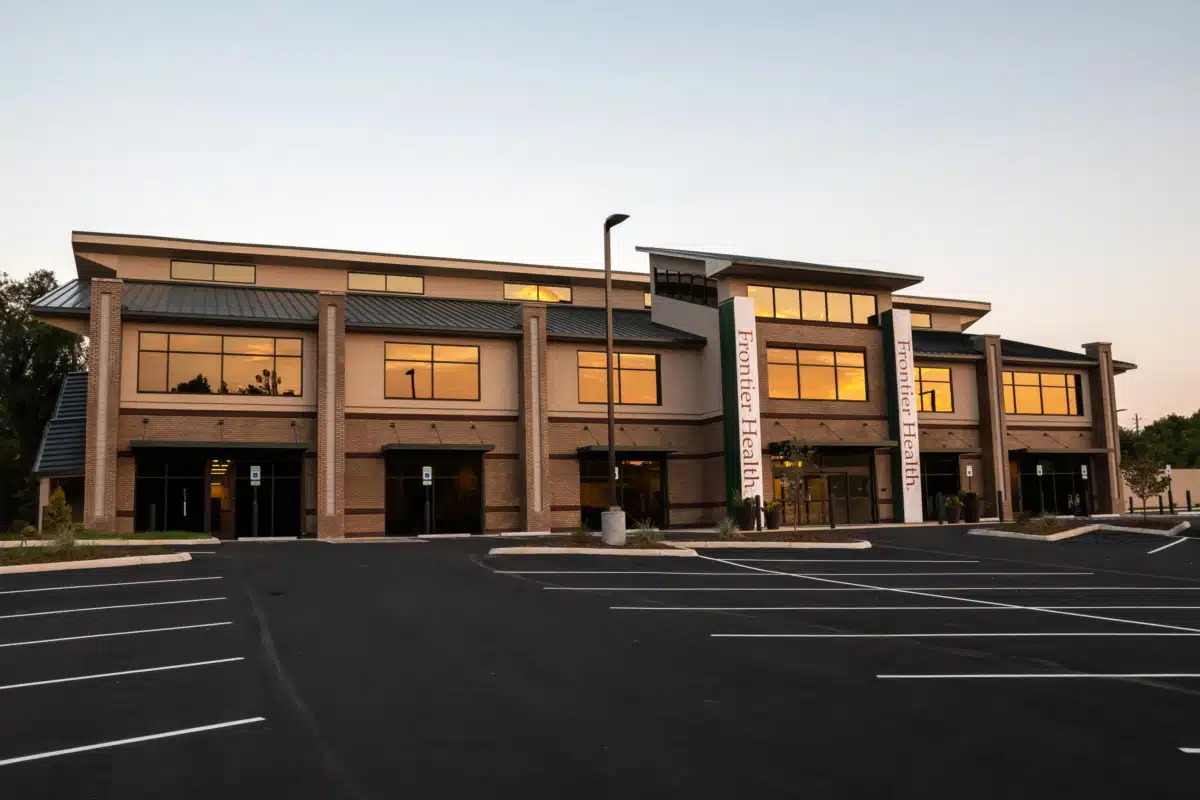
Holston Counseling Services

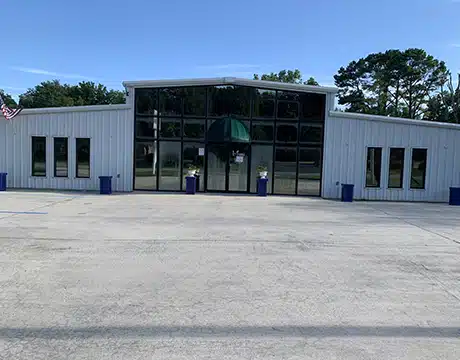
The HART Center
Adventure Program


Primary

Memphis
Treatment Highlights in Tennessee
Popular Cities in Tennessee
Memphis
24 centers
Nashville
20 centers
Knoxville
16 centers
Chattanooga
15 centers
Johnson City
12 centers
Murfreesboro
9 centers
Jackson
7 centers
Kingsport
6 centers
View all 98 cities in Tennessee
Frequently Asked Questions About Treatment in Tennessee
Sources
Medical Disclaimer
The information on this page is for educational purposes and is not a substitute for professional medical advice. If you or someone you know is experiencing a substance use crisis, call the SAMHSA National Helpline at 1-800-662-4357 (free, confidential, 24/7). For immediate danger, call 911 or the 988 Suicide & Crisis Lifeline by dialing 988.