
Drug & Alcohol Rehab Centers in Seattle, Washington
Seattle, Washington, is the Pacific Northwest's largest city with a metropolitan population exceeding 4 million residents. A hub of technology, aerospace, and innovation, Seattle also faces significant substance use challenges that have grown alongside its rapid economic expansion. The Washington State Department of Health reports that King County, which encompasses Seattle, recorded over 1,000 drug overdose deaths in 2023, marking a dramatic increase driven largely by illicit fentanyl. Opioid addiction, methamphetamine misuse, and alcohol use disorder are the most prevalent substance use disorders in the Seattle area.
Seattle's treatment infrastructure is supported by world-class medical institutions including the University of Washington (UW) Medical Center, Harborview Medical Center, and Swedish Health Services. The UW Addictions, Drug & Alcohol Institute (ADAI) conducts leading research in addiction science and treatment, influencing evidence-based practices nationally. King County Behavioral Health and Recovery Division (BHRD) administers the region's publicly funded substance use treatment system, coordinating access to medication-assisted treatment (MAT), crisis services, and community-based care.
The city has taken a progressive approach to addiction, emphasizing public health over criminalization. The Law Enforcement Assisted Diversion (LEAD) program, which originated in Seattle's Belltown neighborhood, has become a national model for connecting individuals involved in low-level drug offenses with treatment and social services rather than prosecution. Medical detox facilities, residential treatment centers, and outpatient programs serve neighborhoods throughout the metro area.
Whether someone is seeking help for heroin addiction, prescription drug dependence, cocaine misuse, or benzodiazepine use disorder, Seattle offers a progressive, evidence-based treatment environment. The city's integration of mental health and addiction services, combined with Pacific Northwest wellness approaches, provides a comprehensive framework for recovery.
The Addiction Treatment Landscape in Seattle
Seattle's addiction treatment landscape is characterized by a strong emphasis on evidence-based care, harm reduction, and integration of behavioral health services. SAMHSA's treatment locator lists approximately 200 treatment facilities in the Seattle-Tacoma-Bellevue metropolitan area. King County's Behavioral Health and Recovery Division (BHRD) coordinates publicly funded substance use treatment, mental health services, and crisis response throughout the region, administering over $200 million annually in behavioral health services.
King County has experienced a sharp escalation in overdose deaths, particularly from synthetic opioids. The King County Medical Examiner's Office has documented the rapid displacement of heroin by fentanyl in the illicit drug supply, with fentanyl involvement in the vast majority of recent opioid deaths. Methamphetamine-related deaths have also risen significantly. In response, the county has implemented a comprehensive Overdose Prevention and Response Plan, expanded naloxone access, established fixed and mobile syringe service programs, and invested in low-barrier co-occurring disorder treatment.
Major treatment providers include Harborview Medical Center's addiction medicine services, the UW's Center for Novel Therapeutics in Addiction Psychiatry, Evergreen Treatment Services (which operates the state's largest methadone treatment program), and Swedish Health Services behavioral health programs. Therapeutic Health Services, Lakeside-Milam Recovery Centers, and Sundown M Ranch are well-established providers in the region. Private treatment centers offer specialized programming including intensive outpatient programs, tech professional-focused care, outdoor therapy incorporating the Pacific Northwest landscape, and culturally specific services for the region's diverse communities.
Types of Addiction Treatment Available in Seattle
Seattle provides a comprehensive continuum of addiction treatment services. Medical detoxification is available at Harborview Medical Center, standalone detox facilities, and licensed residential programs. These programs offer medically supervised withdrawal management for alcohol, opioids, benzodiazepines, methamphetamine, and other substances. Inpatient rehabilitation programs in the Seattle area range from 28 to 90 days with comprehensive clinical programming, and some programs in rural Washington offer nature-immersive residential experiences within easy reach of the city.
Partial hospitalization programs (PHP) provide structured treatment five to seven days per week while patients reside at home or in transitional housing. Intensive outpatient programs (IOP) meet three to five times per week and serve individuals transitioning from residential care or maintaining professional responsibilities in Seattle's competitive tech and business sectors. Standard outpatient treatment includes individual counseling, group therapy, and ongoing recovery management.
Seattle's treatment providers emphasize evidence-based and innovative approaches. Cognitive-behavioral therapy (CBT), dialectical behavior therapy (developed at UW by Dr. Marsha Linehan), motivational interviewing, and EMDR are widely used. Medication-assisted treatment with buprenorphine, naltrexone, and methadone is available at opioid treatment programs, primary care offices, and specialty clinics. The LEAD program provides intensive case management as an alternative to prosecution. Holistic therapies including mindfulness-based stress reduction, wilderness therapy, adventure programming, and nature-based healing leverage Seattle's proximity to mountains, forests, and water. Sober living homes in Capitol Hill, Ballard, Fremont, and Eastside communities provide structured transitional housing.
Insurance and Payment Options for Seattle Rehab
Most addiction treatment facilities in Seattle accept a range of insurance plans. Washington state law and the federal Mental Health Parity and Addiction Equity Act require that substance use disorder treatment coverage be comparable to medical and surgical benefits. Washington has among the strongest behavioral health parity enforcement mechanisms in the country, and the state's Insurance Commissioner actively monitors compliance.
Apple Health, Washington's Medicaid program, provides comprehensive substance use disorder coverage including outpatient treatment, medication-assisted treatment, residential rehabilitation, withdrawal management, and recovery support services. King County residents access Apple Health behavioral health benefits through managed care organizations. Washington expanded Medicaid under the ACA, significantly increasing the number of residents eligible for addiction treatment coverage. Washington Healthplanfinder, the state's ACA marketplace, offers qualified health plans that include essential health benefits covering substance use treatment for those who do not qualify for Apple Health.
Private insurance carriers commonly accepted at Seattle treatment centers include Premera Blue Cross, Regence Blue Shield, Kaiser Permanente, Aetna, Cigna, UnitedHealthcare, and Molina Healthcare. Evergreen Treatment Services, Therapeutic Health Services, and other community providers offer treatment on a sliding-fee scale for uninsured individuals. The Washington State Health Care Authority's behavioral health programs provide additional funding for underinsured residents. Many facilities have insurance verification specialists to confirm benefits before admission.
Local Addiction Resources in Seattle
Seattle offers extensive addiction support resources beyond formal treatment. The King County Crisis Line (1-866-427-4747) provides 24-hour mental health and substance use crisis support. The Washington Recovery Help Line (1-866-789-1511) offers free, confidential referrals to treatment programs statewide. The SAMHSA National Helpline (1-800-662-4357) is available around the clock for treatment referrals. Washington 211 connects residents with local substance abuse resources and community services.
Seattle's recovery community is progressive and inclusive. Alcoholics Anonymous meetings are held daily at numerous locations through Seattle Area Intergroup. Narcotics Anonymous, SMART Recovery, Refuge Recovery, LifeRing, and Al-Anon meetings provide diverse peer support options. The Recovery Cafe in downtown Seattle offers a membership-based community for individuals in recovery, providing meals, peer support, and recovery circles in a welcoming environment. The Washington state resource page provides additional information on statewide treatment programs and hotlines.
Community organizations contribute significantly to Seattle's addiction response. The LEAD program continues to connect individuals with services as an alternative to criminal prosecution. The People's Harm Reduction Alliance and other organizations distribute naloxone and operate syringe service programs. King County Drug Court and Seattle Municipal Mental Health Court offer alternatives to incarceration. The UW Addictions, Drug & Alcohol Institute provides public education and research-informed resources for individuals, families, and providers.
Want us to find the perfect facility for you?
Call now - it's completely free!
Showing 11 of 31 results
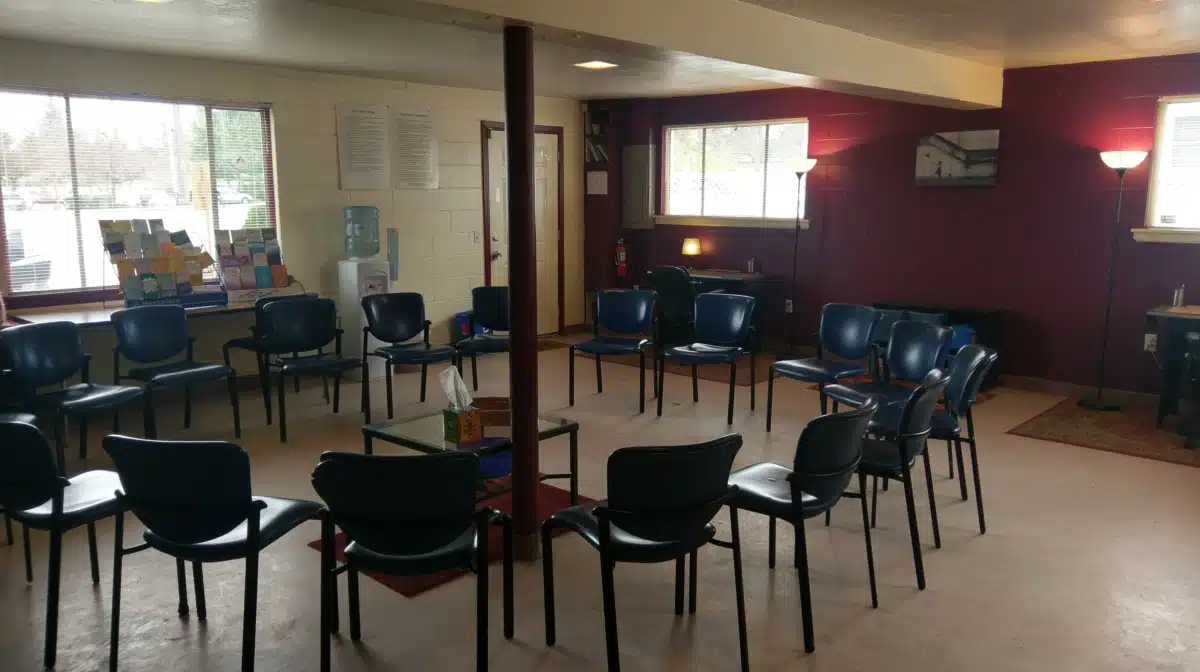
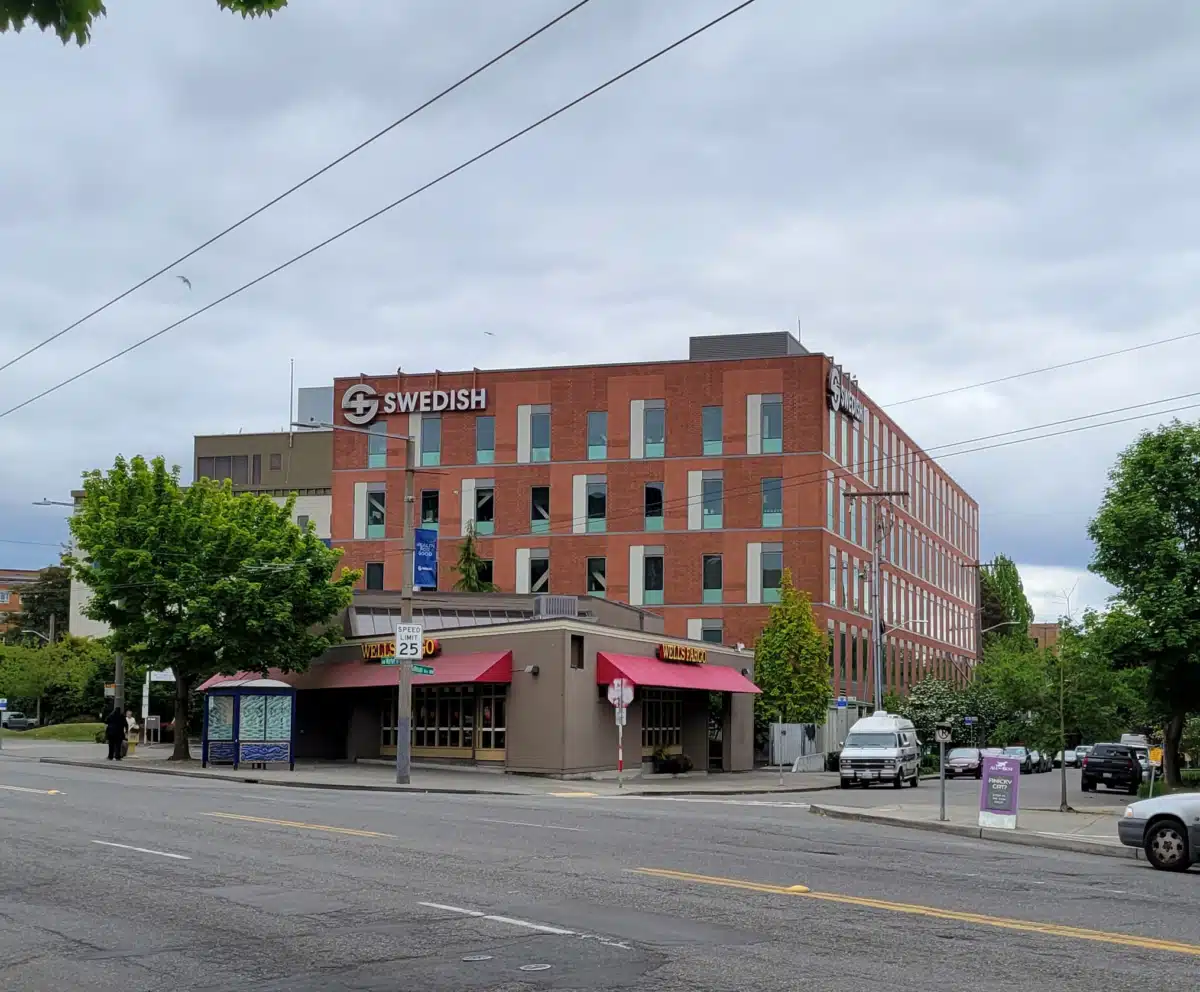
Addiction Recovery Services
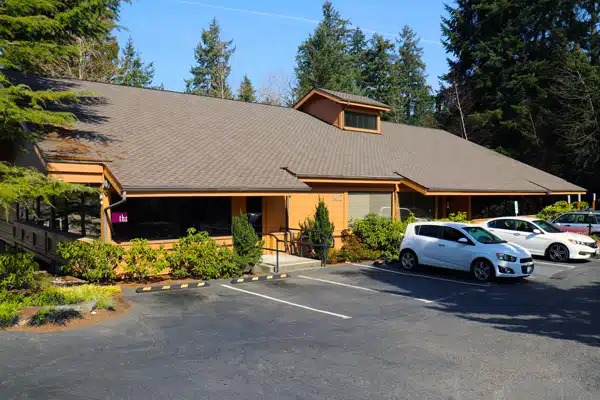
Shoreline Branch
Youth and Family Services
Seneca Branch
Summit Branch

Seattle Division
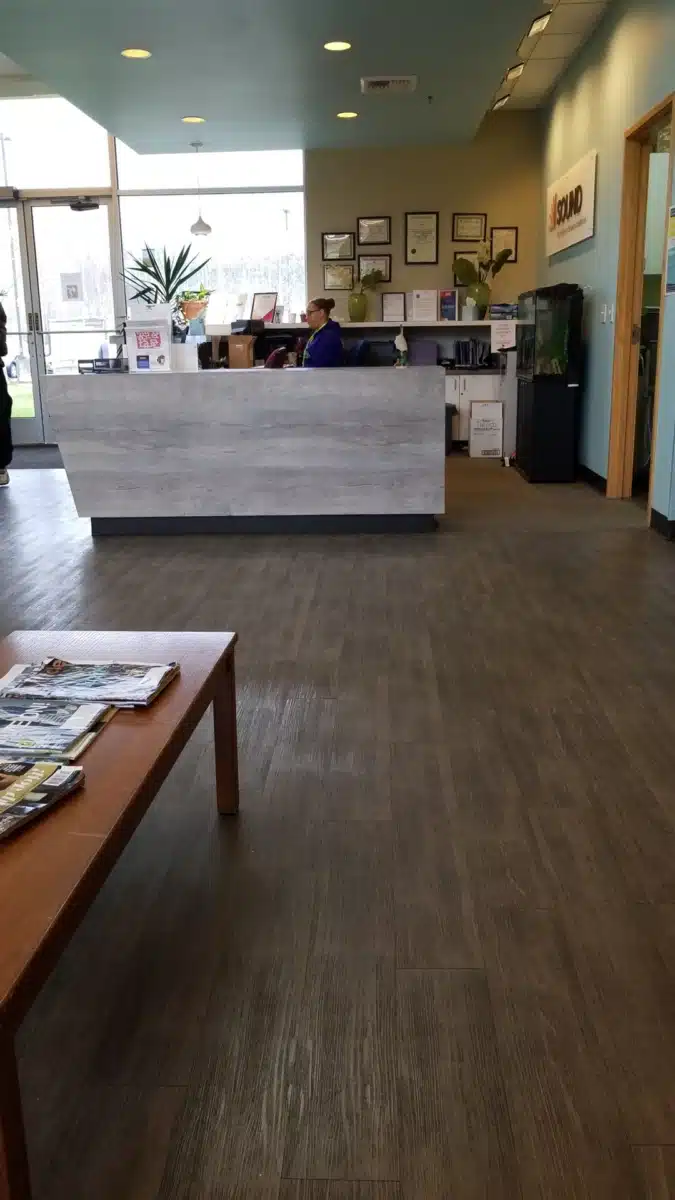
Capitol Hill Main
Tukwila West
Tukwila East
Seattle
Treatment Options in Seattle
Treatment Locations in Seattle
Treatment facilities serve neighborhoods from Capitol Hill and Ballard to West Seattle and the Eastside communities of Bellevue and Kirkland.
More Treatment Centers in Washington
Spokane
23 centers
Tacoma
19 centers
Olympia
13 centers
Vancouver
11 centers
Bellingham
10 centers
Yakima
10 centers
View all 94 cities in Washington
Frequently Asked Questions About Treatment in Seattle
Sources
Medical Disclaimer
The information on this page is for educational purposes and is not a substitute for professional medical advice. If you or someone you know is experiencing a substance use crisis, call the SAMHSA National Helpline at 1-800-662-4357 (free, confidential, 24/7). For immediate danger, call 911 or the 988 Suicide & Crisis Lifeline by dialing 988.