
Drug & Alcohol Rehab Centers in Phoenix, Arizona
The Phoenix metropolitan area, home to nearly 5 million residents across the Valley of the Sun, faces a significant and growing substance abuse crisis. The Arizona Department of Health Services reported over 2,800 suspected opioid deaths statewide in 2022, with Maricopa County accounting for the majority. Fentanyl has become the leading driver of overdose fatalities in the region, surpassing heroin, methamphetamine, and prescription opioids. Opioid addiction, methamphetamine dependency, and alcohol use disorder are the most prevalent substance use disorders treated in the Phoenix area.
Phoenix has developed a substantial treatment infrastructure that takes advantage of the region's year-round temperate climate and natural environment. The Arizona Department of Health Services licenses treatment facilities throughout Maricopa County, from medical detox centers in central Phoenix to residential rehabilitation programs in the desert foothills of Scottsdale and Cave Creek. The Maricopa County Department of Public Health coordinates with the Regional Behavioral Health Authority (RBHA), currently operated by Mercy Care, to deliver publicly funded behavioral health services including addiction treatment.
Medication-assisted treatment (MAT) is available across the Phoenix metro area through community health centers, primary care practices, and dedicated opioid treatment programs. The Arizona Opioid Assistance and Referral Line (1-888-688-4222) connects individuals with MAT providers and other treatment resources. Arizona was among the first states to declare a public health emergency for opioids in 2017, which accelerated the expansion of naloxone access, MAT capacity, and Good Samaritan protections statewide.
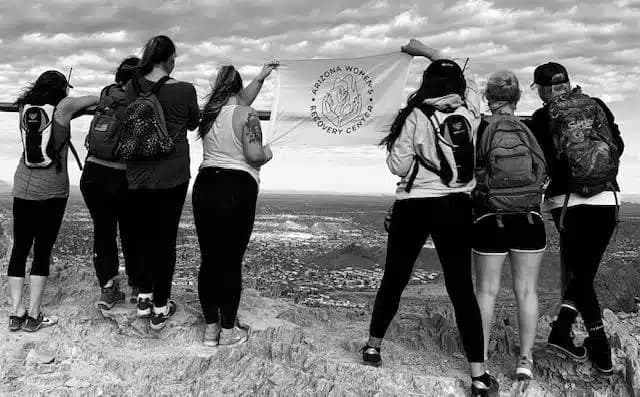
The Phoenix area is particularly known for its integration of outdoor and experiential therapies into addiction treatment. The region's climate allows for year-round holistic programming including equine therapy, hiking-based therapy, desert wilderness experiences, and outdoor meditation. For those seeking treatment for heroin addiction, prescription drug misuse, cocaine use disorder, or benzodiazepine dependence, the Valley offers a distinctive recovery environment that combines clinical excellence with natural healing settings.
The Addiction Treatment Landscape in Phoenix
Phoenix's treatment landscape is shaped by rapid population growth, a large Native American community, and the state's proactive response to the opioid epidemic. SAMHSA's treatment locator identifies over 250 facilities in the Phoenix-Mesa-Chandler metropolitan area. Treatment programs are spread across the Valley, with concentrations in central Phoenix, Scottsdale, Tempe, Mesa, and Chandler. Nearby communities in Prescott and Sedona also host well-known residential treatment centers that draw clients from across the country.
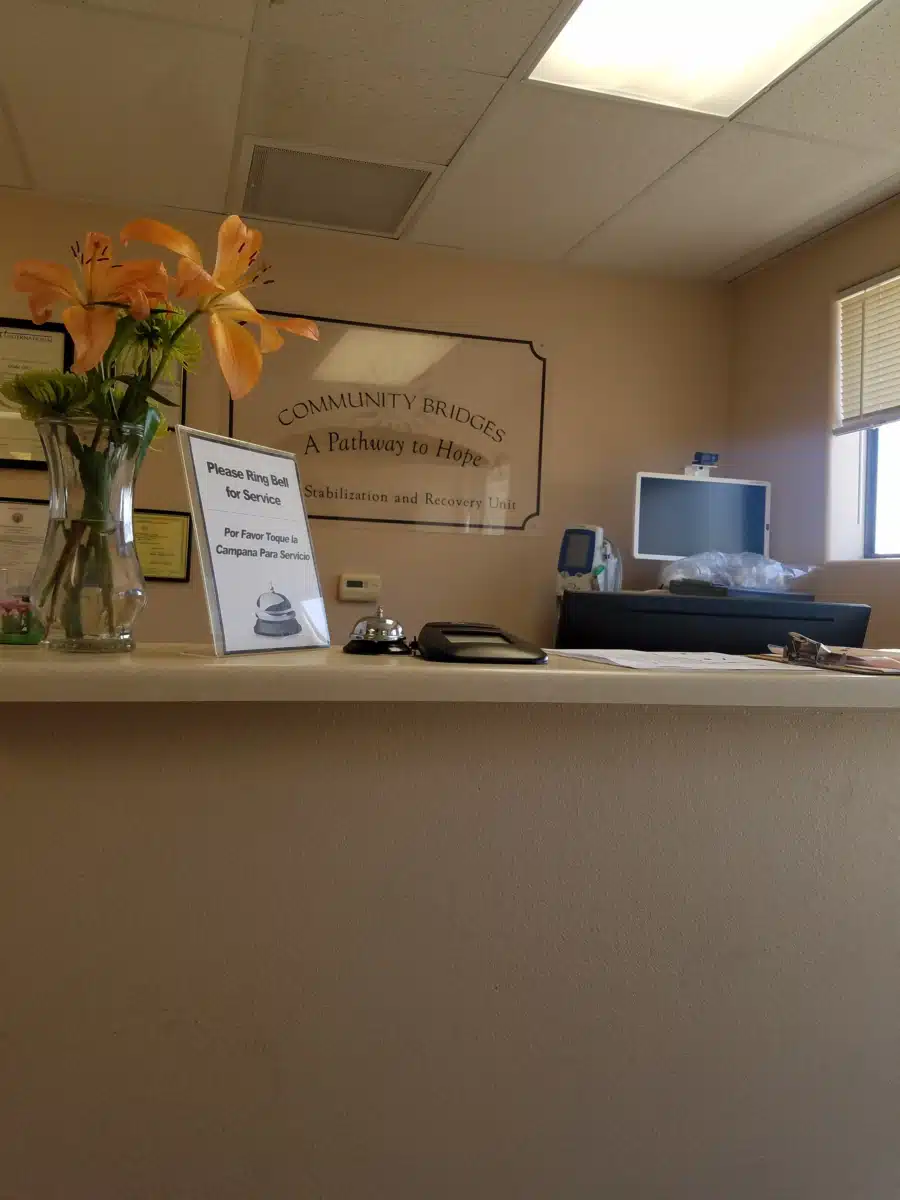
Arizona's behavioral health system operates through a managed care model, with the Arizona Health Care Cost Containment System (AHCCCS) contracting with regional behavioral health authorities to deliver services. Mercy Care, the RBHA for Maricopa County, manages a network of providers offering dual-diagnosis treatment, crisis intervention, and the full continuum of substance use disorder services. Community Bridges, Inc. (CBI) operates several crisis stabilization and detox facilities in the metro, including the CASS campus that serves individuals experiencing homelessness and addiction.
The Native American community in the Phoenix area has specific treatment needs addressed through programs like the Phoenix Indian Medical Center and tribally operated behavioral health services. Arizona's intensive outpatient programs have expanded alongside the growth of telehealth-based treatment, providing flexible options for individuals across the sprawling metro area. The state's prescription drug monitoring program (PDMP) and prescriber guidelines for opioids have helped reduce prescription opioid misuse, though illicit fentanyl continues to pose an escalating threat.
Types of Addiction Treatment Available in Phoenix
The Phoenix metropolitan area provides a comprehensive range of addiction treatment levels. Medical detox is available at hospital-based programs and licensed residential facilities, including Banner Health facilities, Scottsdale Recovery Center, and Community Bridges crisis stabilization units. These programs provide medically supervised withdrawal management with 24-hour clinical oversight, typically lasting 3 to 7 days for opioids and up to 10 days for alcohol and benzodiazepines.
Inpatient residential treatment programs in the Phoenix area range from 30-day programs to extended-care facilities lasting 90 days or longer. Several nationally recognized programs in Scottsdale and nearby Prescott specialize in chronic relapse, trauma, and executive treatment. Partial hospitalization programs (PHP) offer structured daytime treatment while allowing patients to reside at home or in sober living homes. The Valley has a growing sober living community, particularly in the Scottsdale, Tempe, and Mesa areas.
Intensive outpatient programs (IOP) and standard outpatient treatment provide flexible scheduling for individuals maintaining employment or academic commitments. Evidence-based therapies widely used in Phoenix include cognitive-behavioral therapy (CBT), dialectical behavior therapy, EMDR for trauma, motivational interviewing, and contingency management. Holistic and experiential therapies are a particular strength of the Phoenix treatment community, with equine-assisted therapy, adventure therapy, art therapy, yoga, and outdoor experiential programming available at numerous facilities. Medication-assisted treatment with buprenorphine, naltrexone, and methadone is offered across the metro.
Insurance and Payment Options for Phoenix Rehab
Addiction treatment facilities in Phoenix accept a wide range of insurance plans. The federal Mental Health Parity and Addiction Equity Act requires most health plans to cover substance use disorder treatment on par with other medical conditions. Arizona law provides additional consumer protections for behavioral health coverage, and the state's insurance marketplace through healthcare.gov offers plans that include substance abuse treatment benefits.
AHCCCS (Arizona Health Care Cost Containment System), Arizona's Medicaid program, provides comprehensive coverage for addiction treatment services. AHCCCS covers medical detox, residential treatment, outpatient counseling, intensive outpatient programs, medication-assisted treatment, crisis intervention, and peer support services. Arizona expanded Medicaid under the ACA in 2014 through voter-approved Proposition 204, which significantly increased access to behavioral health services for low-income adults.
Private insurance carriers commonly accepted at Phoenix treatment centers include Blue Cross Blue Shield of Arizona, Aetna, Cigna, UnitedHealthcare, and Banner Health Plans. Many Scottsdale luxury and executive programs also accept out-of-network benefits. For uninsured individuals, Mercy Care (the Maricopa County RBHA) provides access to publicly funded treatment through its network of contracted providers. Community Bridges, Inc. and other safety-net providers offer services regardless of insurance status during crisis situations.
Local Addiction Resources in Phoenix
The Phoenix metropolitan area maintains a network of addiction support resources for individuals and families. The Arizona Opioid Assistance and Referral Line (1-888-688-4222) provides referrals to treatment providers, MAT resources, and naloxone distribution sites. The Crisis Response Network operates the statewide crisis line (1-800-631-1314 or 988) for immediate behavioral health crisis support. The SAMHSA National Helpline (1-800-662-4357) provides 24/7 treatment referrals.
The recovery community in Phoenix is vibrant and growing. Alcoholics Anonymous has an active Central Office in Phoenix coordinating meetings across the Valley. Narcotics Anonymous, SMART Recovery, Celebrate Recovery, and Secular Organizations for Sobriety all maintain meeting schedules in the metro area. The Arizona state resource page provides additional information on statewide programs, crisis resources, and treatment funding.
Organizations like Community Bridges, Terros Health, and Valle del Sol serve as anchor treatment and social service providers in the Phoenix community. The Maricopa County Department of Public Health distributes naloxone and provides overdose prevention training through community events and partner organizations. Arizona's Sober Living Home Coalition works to maintain standards among the Valley's recovery residences, and peer recovery support services are increasingly integrated into the treatment system through Mercy Care's provider network.
Want us to find the perfect facility for you?
Call now - it's completely free!
Showing 20 of 72 results

Central Arizona
Whitton

Camelback Recovery LLC

Phoenix on Cactus
Phoenix on Northern

Phoenix on Camelback
Addiction Recovery Center

Comprehensive Pain and Addict Inst
Central City
Cactus Integrated Care
Phoenix

Corazon
Centro De La Familia

Treatment Options in Phoenix
Treatment Locations in Phoenix
Treatment centers span from upscale Scottsdale and Paradise Valley to central Phoenix and Mesa, with specialized facilities in nearby Prescott and Sedona recovery communities.
More Treatment Centers in Arizona
Frequently Asked Questions About Treatment in Phoenix
Sources
Medical Disclaimer
The information on this page is for educational purposes and is not a substitute for professional medical advice. If you or someone you know is experiencing a substance use crisis, call the SAMHSA National Helpline at 1-800-662-4357 (free, confidential, 24/7). For immediate danger, call 911 or the 988 Suicide & Crisis Lifeline by dialing 988.