
Drug & Alcohol Rehab Centers in Philadelphia, Pennsylvania
Philadelphia faces one of the most severe addiction crises of any major American city. According to the Philadelphia Department of Public Health, the city recorded over 1,400 drug overdose deaths in 2023 — a rate significantly higher than the national average. The Kensington neighborhood has become nationally recognized as an epicenter of the opioid epidemic, but substance use disorder affects every part of the city, from North Philadelphia to Center City and the surrounding suburbs.
The good news is that Philadelphia has responded with one of the nation's most robust treatment infrastructures. The city is home to more than 200 licensed addiction treatment facilities, offering a full spectrum of care from medical detox and inpatient residential treatment to intensive outpatient programs (IOP) and long-term sober living. Philadelphia's Community Behavioral Health (CBH) system manages behavioral health benefits for Medicaid recipients, ensuring that cost is not a barrier to recovery.
Medication-assisted treatment (MAT) — including buprenorphine, methadone, and naltrexone — is widely available throughout the city, supported by academic medical centers like Penn Medicine and Temple University Hospital and community-based organizations. For individuals struggling with alcohol addiction, benzodiazepine dependence, or fentanyl use, Philadelphia offers specialized tracks addressing the unique medical and psychological needs of each substance type.
Philadelphia's treatment landscape is further strengthened by world-class academic institutions. The University of Pennsylvania's Center for Studies of Addiction and Thomas Jefferson University's addiction medicine programs conduct cutting-edge research that directly informs local treatment practices. Many Philadelphia rehab centers incorporate cognitive-behavioral therapy (CBT), dialectical behavior therapy (DBT), and trauma-informed care into their programming, ensuring evidence-based approaches guide every stage of recovery.
The Addiction Treatment Landscape in Philadelphia
Philadelphia's addiction crisis is driven primarily by opioids — particularly illicitly manufactured fentanyl — but the city also faces significant challenges with cocaine, methamphetamine, and alcohol use disorders. The Philadelphia Department of Public Health reports that fentanyl is detected in over 80% of overdose deaths, often in combination with other substances like xylazine ("tranq").
The city government has invested heavily in its Opioid Response initiative, which includes expanded naloxone distribution, syringe service programs, and low-barrier access to medication-assisted treatment. Philadelphia was among the first major cities to launch a comprehensive overdose prevention strategy, and its network of crisis response centers provides 24/7 stabilization and referral services.
Pennsylvania's Department of Drug and Alcohol Programs (DDAP) oversees state-funded treatment, and the city's Department of Behavioral Health and Intellectual Disability Services (DBHIDS) coordinates local treatment access. For residents with Medicaid (Medical Assistance), Community Behavioral Health manages coverage for substance use treatment, including detox, rehabilitation, and ongoing recovery support.
Major health systems with treatment programs include Penn Medicine, Temple Health, Jefferson Health, and Einstein Healthcare Network, offering services from inpatient detox to outpatient group therapy and individual counseling.
Types of Addiction Treatment Available in Philadelphia
Philadelphia offers every ASAM level of addiction care. Medical detoxification at hospitals like Penn Presbyterian and Temple University Hospital provides medically supervised withdrawal management for individuals dependent on opioids, alcohol, or benzodiazepines.
Residential inpatient treatment programs ranging from 28 to 90 days are available throughout the city with 24-hour clinical support. Intensive outpatient programs (IOP) and partial hospitalization programs (PHP) provide 9 to 20+ hours of weekly programming for those maintaining work or family responsibilities.
Specialized tracks include dual diagnosis treatment for co-occurring mental health conditions, programs for heroin and fentanyl addiction, and age-specific programming for young adults and older adults. Family therapy and support groups for loved ones are widely available.
Standard outpatient treatment and sober living homes provide ongoing support during the transition to independent recovery, helping individuals build the skills and community connections needed for long-term sobriety.
Insurance and Payment Options for Philadelphia Rehab
Most Philadelphia treatment facilities accept a wide range of insurance plans. Under the ACA and Mental Health Parity Act, substance use disorder treatment is an essential health benefit that insurers must cover.
Pennsylvania Medicaid — known as Medical Assistance (MA) — provides comprehensive coverage for addiction treatment, including detox, inpatient rehab, outpatient therapy, and MAT. In Philadelphia, Community Behavioral Health (CBH) administers behavioral health benefits for MA recipients. Medicaid expansion under the ACA has extended coverage to single adults earning up to 138% of the federal poverty level.
Medicare covers substance use disorder treatment for eligible individuals. Major commercial insurers accepted at Philadelphia centers include Independence Blue Cross, Aetna, Cigna, United Healthcare, and Highmark.
For uninsured individuals, Philadelphia offers state-funded treatment through DBHIDS and DDAP. Sliding-scale payment and charitable care programs are available at many community health centers. The crisis hotline at 1-888-545-2600 connects residents with treatment regardless of ability to pay.
Local Addiction Recovery Resources in Philadelphia
DBHIDS operates a 24/7 crisis line at 1-888-545-2600 providing referrals and immediate support. Community-based recovery organizations like the Philadelphia Recovery Community Center and PRO-ACT offer peer support, recovery coaching, and social activities for people in all stages of recovery.
The city hosts numerous daily support group meetings including Alcoholics Anonymous, Narcotics Anonymous, and SMART Recovery. Pennsylvania's Get Help Now hotline (1-800-662-4357) connects callers with treatment statewide.
Philadelphia's naloxone distribution program provides free Narcan kits at pharmacies and community organizations throughout the city. For statewide information, visit our Pennsylvania addiction treatment guide.
Want us to find the perfect facility for you?
Call now - it's completely free!
Showing 10 of 50 results

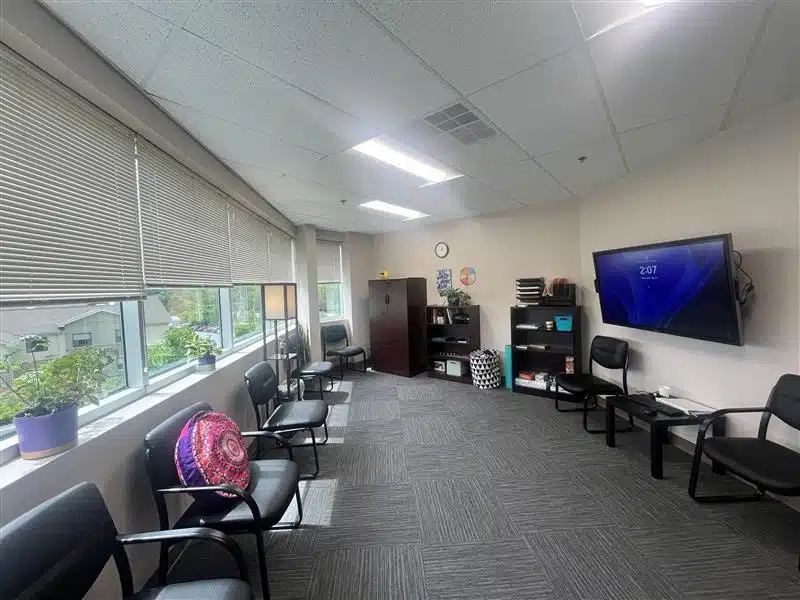

Outreach Substance Use Program
Treatment Options in Philadelphia
Treatment Locations in Philadelphia
Treatment facilities serve all Philadelphia neighborhoods from Center City and University City to North Philadelphia and Kensington, the latter being a focus of intensive recovery resources.
More Treatment Centers in Pennsylvania
Pittsburgh
27 centers
Erie
16 centers
Lancaster
11 centers
Altoona
10 centers
Washington
10 centers
York
10 centers
View all 205 cities in Pennsylvania
Frequently Asked Questions About Treatment in Philadelphia
Sources
Medical Disclaimer
The information on this page is for educational purposes and is not a substitute for professional medical advice. If you or someone you know is experiencing a substance use crisis, call the SAMHSA National Helpline at 1-800-662-4357 (free, confidential, 24/7). For immediate danger, call 911 or the 988 Suicide & Crisis Lifeline by dialing 988.