
Drug & Alcohol Rehab Centers in Pennsylvania
Pennsylvania has been one of the states hardest hit by the opioid epidemic and has responded with one of the nation's most comprehensive treatment expansions. The state has approximately 1,400 licensed treatment facilities and has invested heavily in medication-assisted treatment (MAT), warm handoff programs, and Centers of Excellence (COEs) for opioid use disorder.
The scope of the crisis in Pennsylvania is significant. In 2022, the state recorded over 5,100 drug overdose deaths — one of the highest per capita rates in the nation. Fentanyl and synthetic opioids account for approximately 80% of overdose fatalities. Rural Appalachian communities, Philadelphia's Kensington neighborhood, and post-industrial cities like Reading and Scranton have been especially affected. Alcohol use disorder remains the most common substance use disorder statewide, affecting an estimated 900,000 Pennsylvanians.
Pennsylvania's treatment landscape extends from world-class academic medical centers — the University of Pennsylvania, Thomas Jefferson University, UPMC in Pittsburgh — to community-based outpatient programs and rural residential facilities in the Pocono Mountains and Lancaster County. The state offers the full ASAM continuum from medical detox through long-term residential care, intensive outpatient, and expanding telehealth services for underserved areas.
Addiction Treatment Landscape in Pennsylvania
Pennsylvania's Department of Drug and Alcohol Programs (DDAP) coordinates the state's addiction treatment system, working with 47 county-level Single County Authorities (SCAs) that manage local treatment access and funding. This structure ensures every county has a designated point of contact for individuals seeking treatment.
Key statistics:
- Over 5,100 drug overdose deaths in 2022 — among the highest per capita nationally (PA DOH)
- Approximately 1,400 licensed treatment facilities (SAMHSA N-SSATS)
- 45 Centers of Excellence (COEs) for opioid use disorder statewide
- Fentanyl involved in ~80% of opioid-related overdose deaths
Pennsylvania's Centers of Excellence (COEs) represent a nationally recognized model. These 45 programs integrate primary care, behavioral health, and medication-assisted treatment in a single setting, using a patient navigator model to coordinate care. COEs have been credited with improving treatment retention and reducing overdose deaths in participating communities.
The state's "warm handoff" initiative requires hospitals to connect individuals who present with overdose or substance use disorder directly to treatment — without discharge — through in-hospital liaisons. This program has dramatically increased the number of people entering treatment from emergency departments.
Regional treatment characteristics vary. Philadelphia has extensive urban treatment infrastructure including methadone clinics, outpatient programs, and the Kensington-area harm reduction services. Pittsburgh and the UPMC system provide academic medical center-based treatment for western Pennsylvania. Rural central Pennsylvania, the Lehigh Valley, and the Pocono region offer residential programs in less urban settings. Appalachian communities in the southwest face particular challenges with opioid and methamphetamine use, and the state has expanded telehealth access to these areas.
Types of Treatment Available in Pennsylvania
Pennsylvania offers every ASAM level of care through its licensed treatment network:
- Medical Detoxification: Hospital-based and freestanding detox programs available in all major metros and many rural areas. The "warm handoff" program ensures direct connection from emergency departments to detox.
- Residential Treatment: 28-day to 90+ day programs ranging from clinical settings in Philadelphia and Pittsburgh to retreat-style facilities in the Poconos, Lancaster County, and central Pennsylvania.
- Long-Term Residential: Therapeutic communities and extended care programs (6-12+ months) for individuals requiring longer-term structure and support.
- Partial Hospitalization (PHP): Intensive day programs available in Philadelphia, Pittsburgh, Lehigh Valley, and other urban areas.
- Intensive Outpatient (IOP): Flexible programs available throughout the state, commonly serving as step-down from residential or PHP.
- Standard Outpatient: Individual and group counseling through licensed facilities and Centers of Excellence.
- Telehealth: Expanded access for rural and underserved communities, particularly in central and southwestern Pennsylvania.
Pennsylvania also has a robust recovery support system including Certified Recovery Specialists (CRS) — individuals with lived recovery experience who provide peer support — and Recovery Community Organizations (RCOs) across the state. CBT, DBT, and trauma-informed care are standard at most facilities. 12-step programs and SMART Recovery meetings are widely accessible in both urban and rural areas.
Insurance & Pennsylvania Medical Assistance Coverage
Pennsylvania's Medicaid program, Medical Assistance (MA), provides comprehensive coverage for substance use disorder treatment. Under the state's Medicaid expansion (HealthChoices), covered services include:
- Inpatient detoxification and rehabilitation
- Residential treatment
- Partial hospitalization programs
- Outpatient and intensive outpatient treatment
- Medication-assisted treatment (MAT) — buprenorphine, methadone, naltrexone
- Peer recovery support (Certified Recovery Specialists)
- Case management and care coordination
Pennsylvania expanded Medicaid under the ACA, and approximately 3.6 million residents are enrolled in MA. Behavioral health services are provided through HealthChoices managed care plans. The state has worked to eliminate prior authorization barriers for MAT initiation, reflecting a "treatment on demand" philosophy.
Private insurance plans must cover addiction treatment under federal MHPAEA parity law and Pennsylvania Act 106 (parity enforcement). Major insurers include Highmark Blue Cross Blue Shield, Independence Blue Cross, Aetna, Cigna, UnitedHealthcare, and UPMC Health Plan.
For uninsured individuals, DDAP funds treatment through the 47 Single County Authorities (SCAs). Each SCA can authorize treatment for residents who lack insurance and meet financial eligibility criteria. Contact your county SCA or the PA Get Help Now helpline at 1-800-662-4357 for assistance.
Want us to find the perfect facility for you?
Call now - it's completely free!
Showing 20 of 475 results
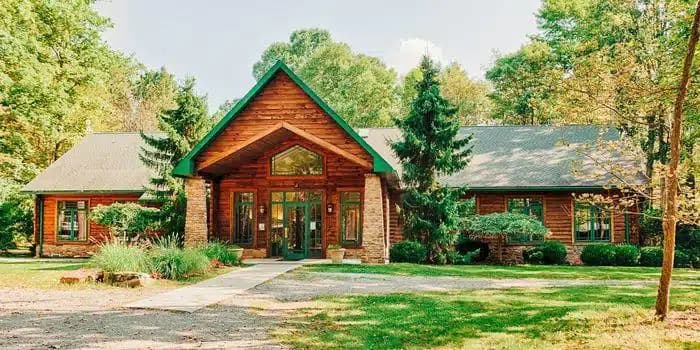

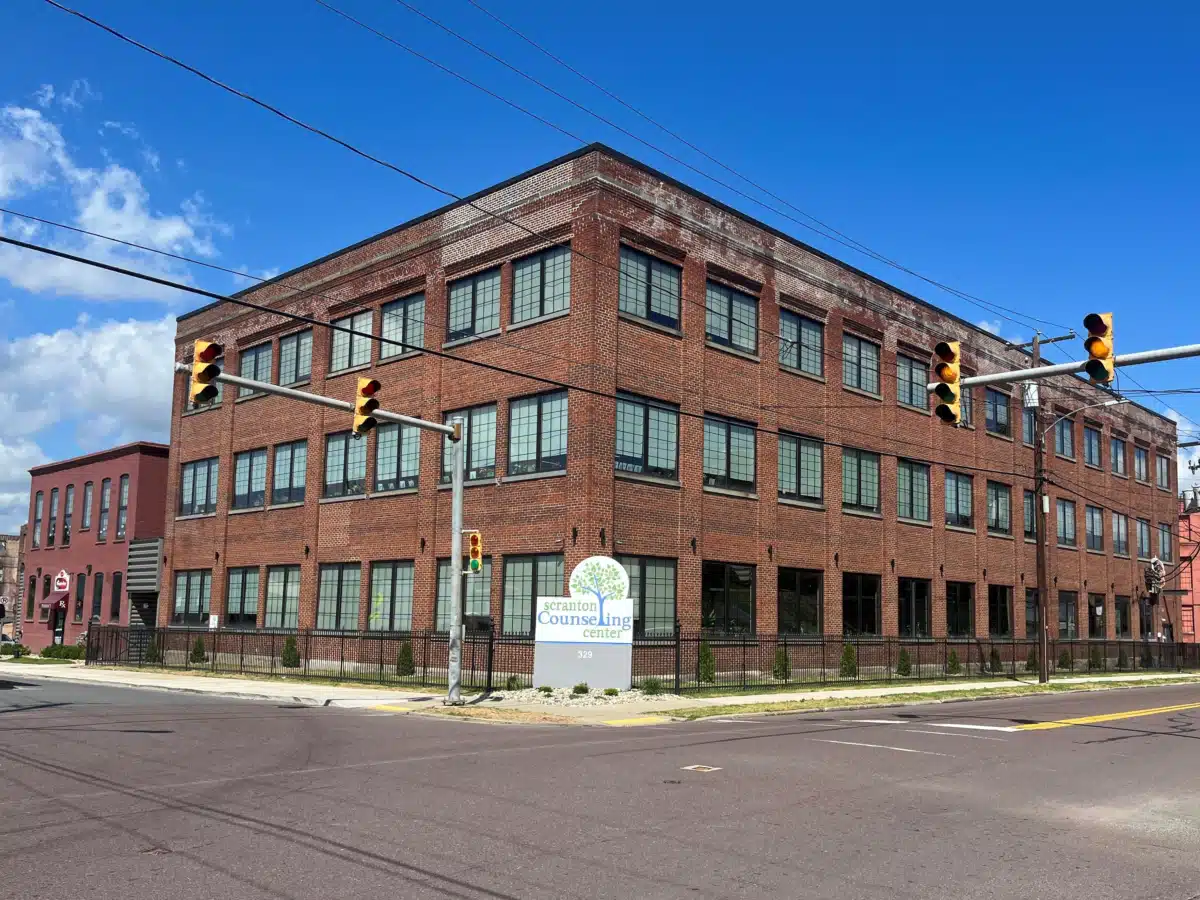

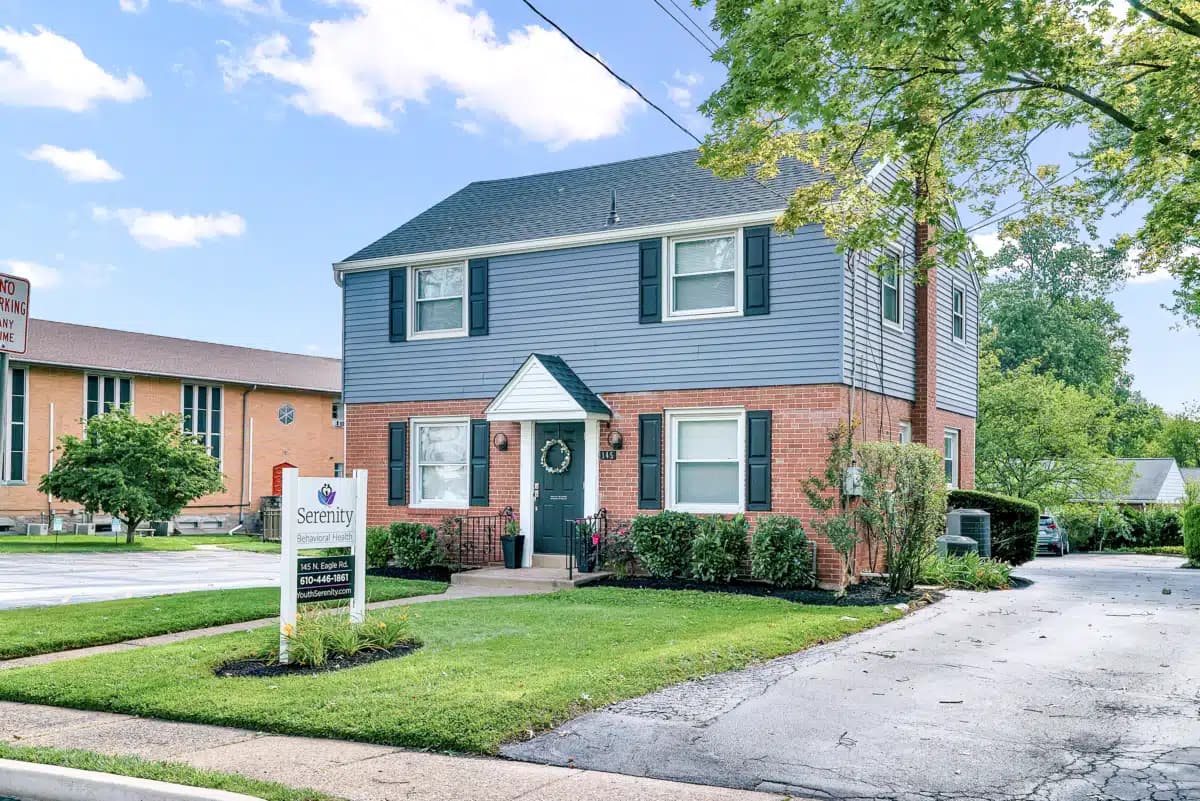
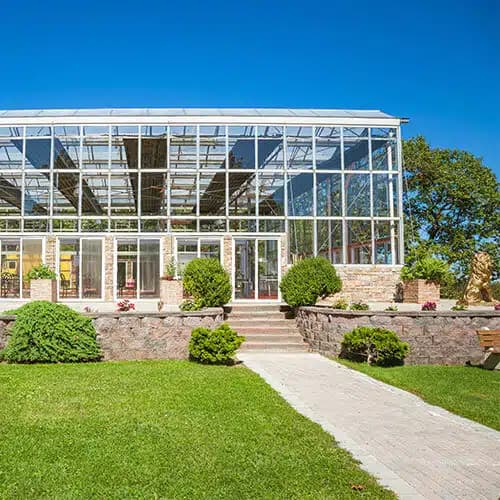


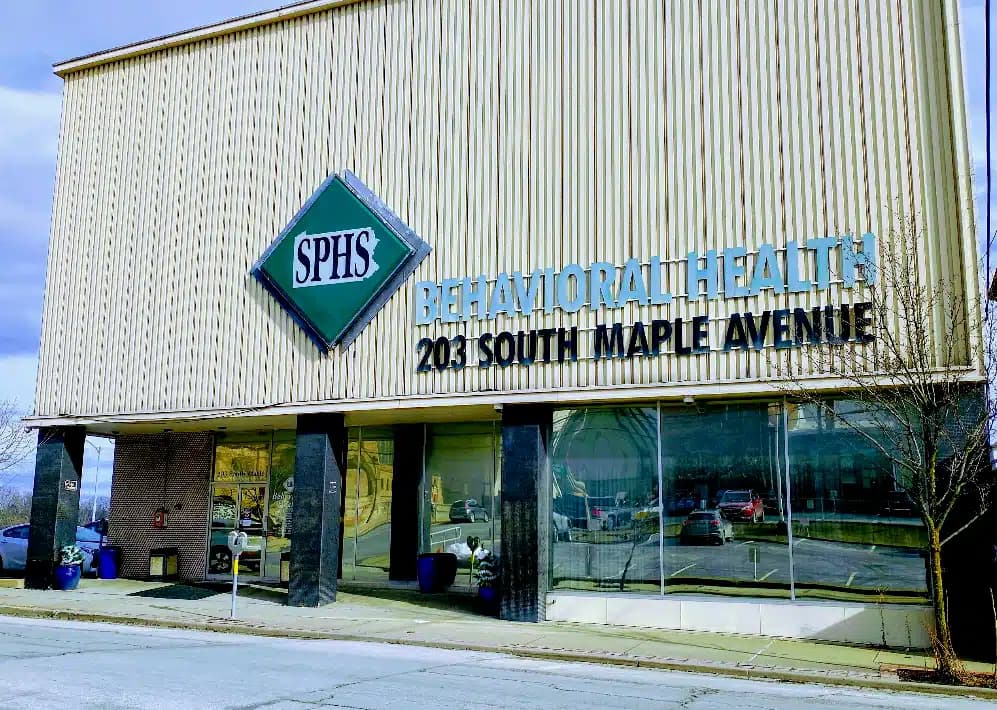
Monessen Office

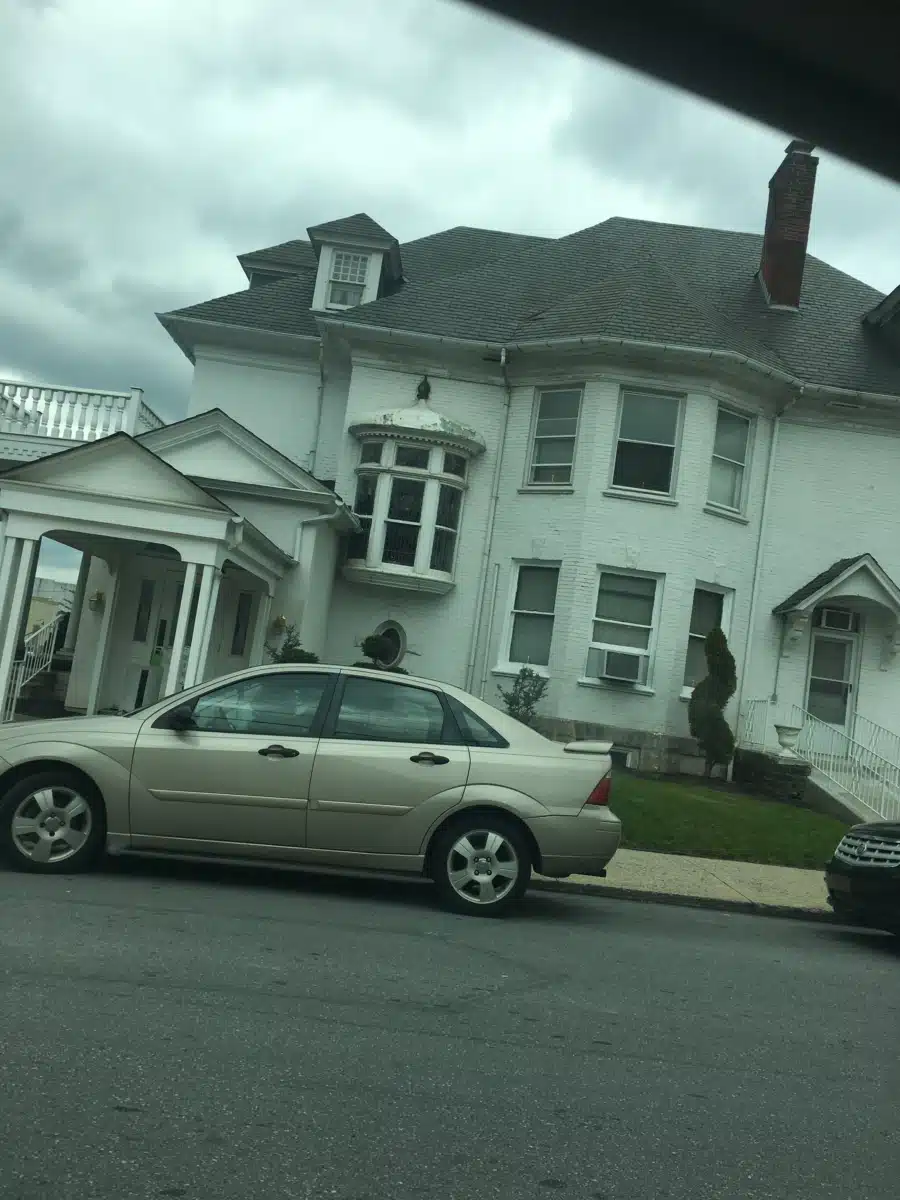
CYWA
Latrobe Office
Greensburg Office
Harbor Light Center
New Kensington Office
Treatment Highlights in Pennsylvania
Popular Cities in Pennsylvania
Philadelphia
50 centers
Pittsburgh
27 centers
Erie
16 centers
Lancaster
11 centers
Altoona
10 centers
Washington
10 centers
York
10 centers
Wilkes Barre
8 centers
View all 206 cities in Pennsylvania
Frequently Asked Questions About Treatment in Pennsylvania
Sources
- Pennsylvania Department of Health — Drug Overdose Data
- PA DDAP — Department of Drug and Alcohol Programs
- Pennsylvania Centers of Excellence for Opioid Use Disorder
- SAMHSA National Survey on Drug Use and Health (NSDUH) 2022
- PA Act 106 — Insurance Parity Enforcement
- SAMHSA National Helpline — 1-800-662-4357
Medical Disclaimer
The information on this page is for educational purposes and is not a substitute for professional medical advice. If you or someone you know is experiencing a substance use crisis, call the SAMHSA National Helpline at 1-800-662-4357 (free, confidential, 24/7). For immediate danger, call 911 or the 988 Suicide & Crisis Lifeline by dialing 988.