
Drug & Alcohol Rehab Centers in Oklahoma
Oklahoma's addiction treatment system encompasses roughly 350 licensed facilities offering services across the full continuum of care, from medical detoxification and residential treatment to intensive outpatient programs and telehealth-based recovery support. The Oklahoma Department of Mental Health and Substance Abuse Services (ODMHSAS) serves as the single state authority overseeing substance use disorder prevention, treatment, and recovery, operating a network that includes state-run treatment facilities, contracted community providers, and certified peer recovery support specialists deployed across all 77 counties.
Oklahoma faces a complex substance use landscape dominated by methamphetamine, which has been the state's primary illicit drug threat for over a decade. Meth accounts for the largest share of illicit drug treatment admissions across Oklahoma, particularly in rural western and southern counties. The opioid crisis represents a growing secondary challenge, with fentanyl driving a sharp increase in overdose deaths — Oklahoma recorded approximately 1,000 drug overdose fatalities in 2022. The state made international headlines in 2019 when it won a landmark opioid lawsuit against Johnson & Johnson, resulting in a $465 million judgment that has been directed toward treatment infrastructure and prevention. Alcohol use disorder remains the most prevalent substance use condition statewide, with Oklahoma's culturally conservative environment sometimes creating barriers to seeking treatment.
Oklahoma's treatment system is distinguished by its robust tribal behavioral health infrastructure. With 39 federally recognized tribes, the state is home to one of the largest Native American populations in the country. Tribal nations including the Cherokee Nation, Chickasaw Nation, Choctaw Nation, and Muscogee (Creek) Nation operate comprehensive behavioral health systems that integrate clinical evidence-based treatment with culturally grounded healing practices. Non-tribal treatment programs utilize medication-assisted treatment (MAT), cognitive behavioral therapy (CBT), motivational interviewing, and 12-step facilitation, with ODMHSAS emphasizing a recovery-oriented system of care model.
Addiction Treatment Landscape in Oklahoma
Oklahoma's substance use crisis is characterized by the dominance of methamphetamine alongside an accelerating opioid-fentanyl threat. ODMHSAS coordinates treatment delivery through a combination of state-operated facilities, contracted community-based providers, and tribal behavioral health systems. The agency distributes state appropriations, federal Substance Abuse Prevention and Treatment (SAPT) Block Grant funds, and opioid settlement proceeds to support services across the state.
Key statistics:
- Approximately 1,000 drug overdose deaths in 2022 (Oklahoma State Department of Health)
- Roughly 350 licensed substance use treatment facilities statewide (SAMHSA N-SSATS)
- Methamphetamine is the most common illicit drug in treatment admissions
- 39 federally recognized tribes operate behavioral health programs across the state
The opioid crisis in Oklahoma gained national prominence through the state's aggressive legal response. Oklahoma's 2019 lawsuit against Johnson & Johnson — the first opioid manufacturer trial to reach a verdict — resulted in a landmark $465 million judgment. Combined with settlements from Purdue Pharma, Teva, and distributors, Oklahoma has secured billions in funding for addiction treatment, prevention, and recovery infrastructure. These funds are being deployed through ODMHSAS to expand MAT access, build treatment capacity in rural counties, and support the state's certified peer recovery specialist program.
Methamphetamine remains Oklahoma's most persistent substance use challenge. Rural counties in western and southern Oklahoma report meth as the primary drug in the majority of treatment admissions. The absence of FDA-approved medications for stimulant use disorder means treatment relies heavily on behavioral interventions including CBT and contingency management. Tribal treatment programs have developed culturally adapted approaches to meth addiction that incorporate traditional ceremonies, family involvement, and community-based healing alongside evidence-based clinical care.
Types of Treatment Available in Oklahoma
Oklahoma offers addiction treatment across all levels of care recognized by the American Society of Addiction Medicine (ASAM):
- Medical Detoxification: Hospital-based and standalone detox programs in Oklahoma City, Tulsa, and Norman provide medically supervised withdrawal management for opioid, alcohol, and benzodiazepine dependence. ODMHSAS operates crisis stabilization units that can initiate detox services.
- Residential Treatment: Programs ranging from 30-day to 90+ day stays operate across the state. ODMHSAS funds several residential facilities directly, and tribal nations operate residential programs serving Native American populations with culturally integrated care.
- Partial Hospitalization (PHP): Structured day treatment programs providing 5-7 days per week of intensive clinical services, primarily available in the Oklahoma City and Tulsa metropolitan areas.
- Intensive Outpatient (IOP): Programs meeting 3-5 days per week are widely available through ODMHSAS-contracted providers and represent the most accessible level of structured treatment across Oklahoma's urban and mid-sized communities.
- Standard Outpatient: Weekly individual and group therapy sessions for ongoing recovery maintenance, relapse prevention, and co-occurring disorder management through community mental health centers statewide.
- Telehealth Services: Virtual treatment has become essential for reaching rural Oklahoma communities, particularly in the western panhandle and southern counties where the nearest in-person provider may be over an hour's drive.
Oklahoma emphasizes a recovery-oriented system of care, with certified peer recovery support specialists (PRSSs) playing a central role. ODMHSAS has trained and certified thousands of PRSSs who provide recovery coaching, community navigation, and long-term support. The state supports medication-assisted treatment (MAT) with buprenorphine, naltrexone, and methadone, 12-step programs, SMART Recovery, faith-based recovery programs, and culturally specific tribal treatment integrating traditional healing practices with clinical evidence-based modalities.
Insurance & SoonerCare (Oklahoma Medicaid) Coverage
SoonerCare, Oklahoma's Medicaid program, provides coverage for substance use disorder treatment services. In 2021, Oklahoma expanded Medicaid following voter approval of State Question 802, extending coverage to adults earning up to 138% of the federal poverty level. This expansion — implemented over the objection of then-Governor Stitt — enrolled over 300,000 previously uninsured Oklahomans and significantly increased access to addiction treatment, particularly in rural communities where uninsured rates had been among the highest in the nation.
- Outpatient substance use disorder treatment and counseling
- Intensive outpatient programs (IOP)
- Residential treatment (with prior authorization)
- Medically supervised detoxification
- Medication-assisted treatment (MAT) including buprenorphine, naltrexone, and methadone
- Mental health services for co-occurring disorders
- Peer recovery support specialist services
- Crisis intervention and stabilization services
SoonerCare is administered by the Oklahoma Health Care Authority (OHCA) as a fee-for-service program. Tribal members may also access behavioral health services through Indian Health Service (IHS) facilities and tribal health systems, which often coordinate with SoonerCare for reimbursement.
Private insurance plans in Oklahoma must comply with the federal Mental Health Parity and Addiction Equity Act (MHPAEA), requiring equivalent coverage for substance use disorder and medical/surgical benefits. Major insurers including Blue Cross Blue Shield of Oklahoma, UnitedHealthcare, Cigna, and Aetna operate in the state marketplace. For uninsured individuals, ODMHSAS funds treatment through contracted community providers and state-operated facilities on a sliding-fee basis. SAMHSA's National Helpline (1-800-662-4357) offers free referrals regardless of insurance status.
Want us to find the perfect facility for you?
Call now - it's completely free!
Showing 19 of 139 results
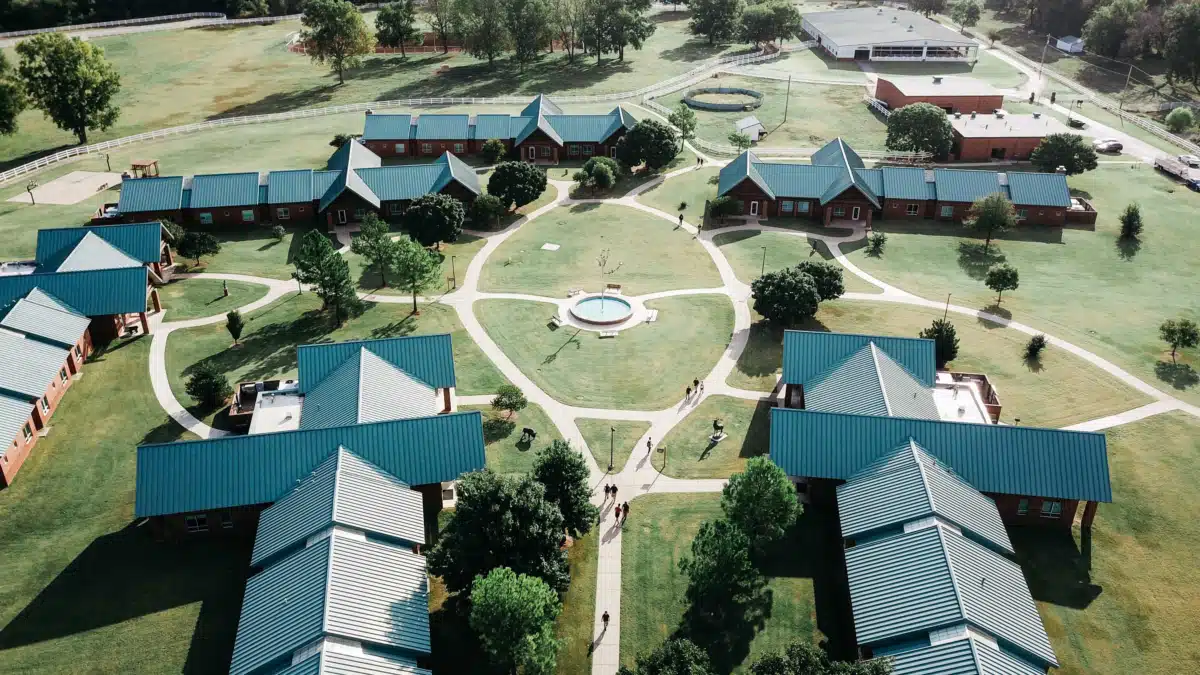

Mission Treatment Centers Inc
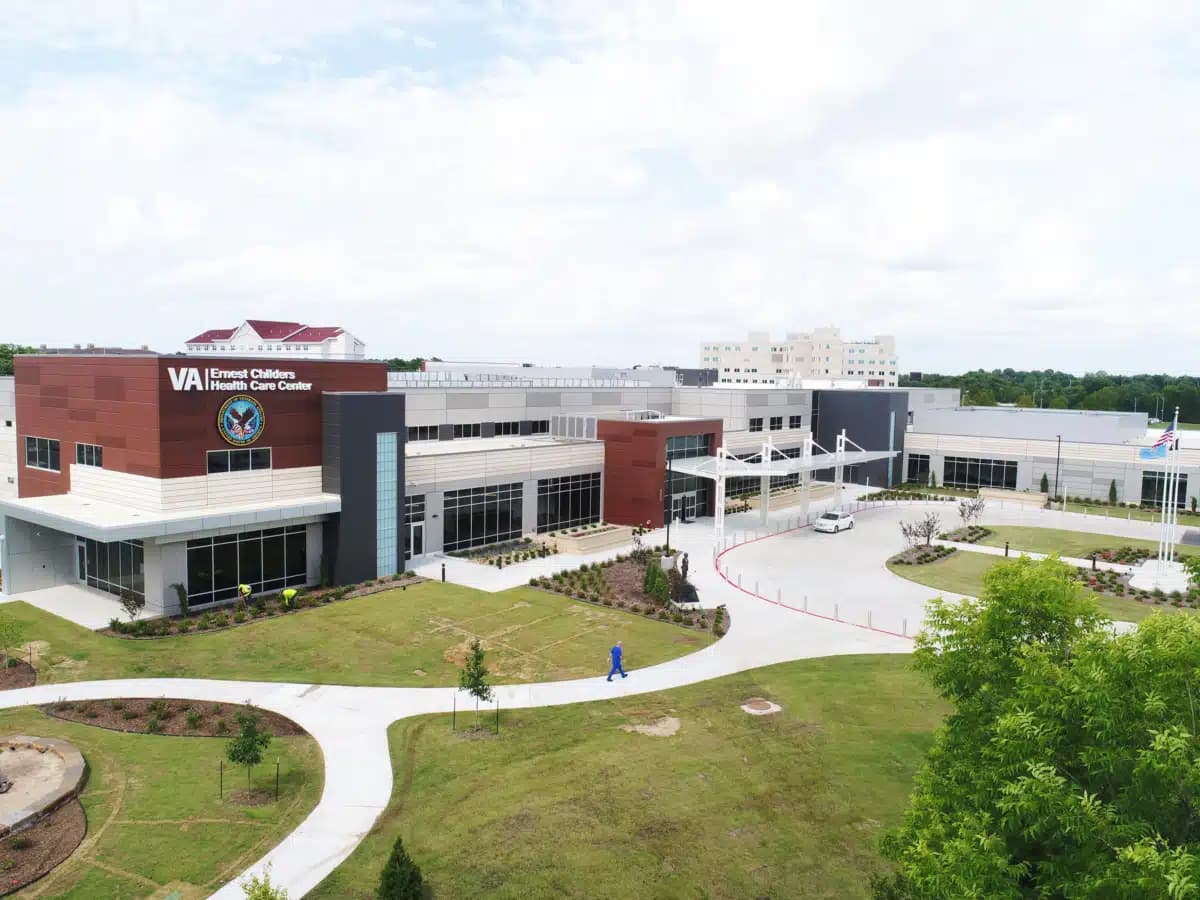

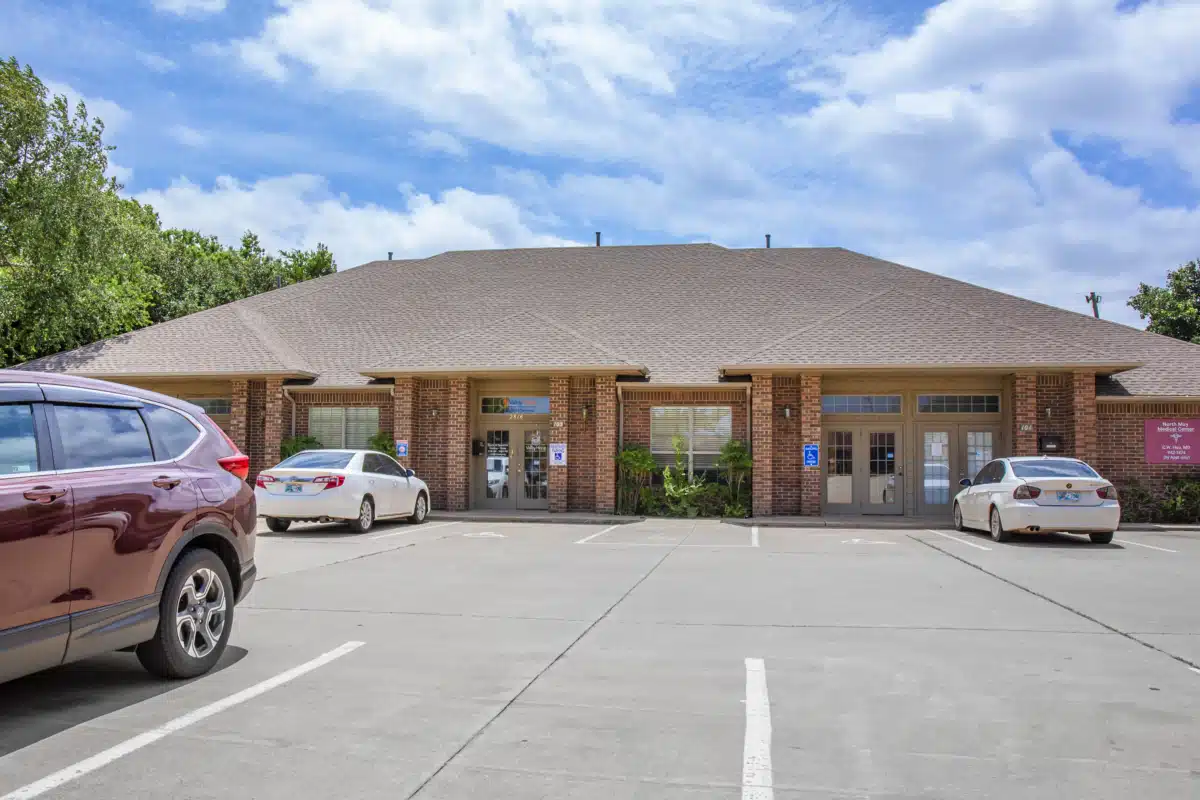
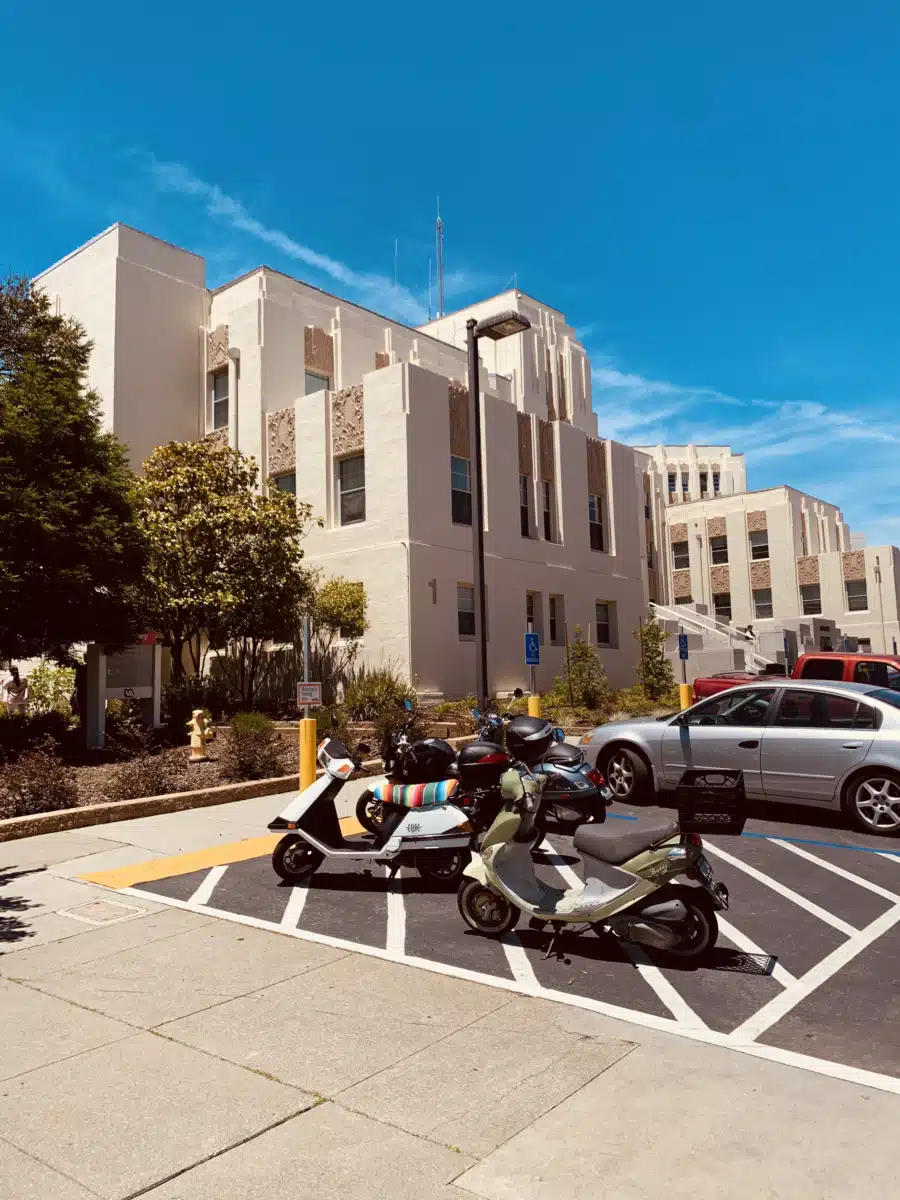
Substance Treatment and Recovery


Oklahoma Safety Center Inc



The Oaks


Total Life Counseling

North Central Oklahoma Inc
Treatment Highlights in Oklahoma
Popular Cities in Oklahoma
Oklahoma City
18 centers
Tulsa
14 centers
Muskogee
6 centers
McAlester
4 centers
Ardmore
3 centers
Lawton
3 centers
Norman
3 centers
Ponca City
3 centers
View all 71 cities in Oklahoma
Frequently Asked Questions About Treatment in Oklahoma
Sources
Medical Disclaimer
The information on this page is for educational purposes and is not a substitute for professional medical advice. If you or someone you know is experiencing a substance use crisis, call the SAMHSA National Helpline at 1-800-662-4357 (free, confidential, 24/7). For immediate danger, call 911 or the 988 Suicide & Crisis Lifeline by dialing 988.