
Drug & Alcohol Rehab Centers in Oklahoma City, Oklahoma
Oklahoma City, the capital and largest city in Oklahoma, faces significant substance abuse challenges that mirror broader national trends while also reflecting unique regional factors. According to the Oklahoma State Department of Health, drug overdose deaths in Oklahoma exceeded 1,000 in 2022, with opioids — particularly fentanyl — driving the sharpest increase. The Oklahoma City metropolitan area, home to approximately 1.4 million residents, accounts for a substantial share of these fatalities. Opioid addiction remains the leading concern, but methamphetamine use has surged across the state, creating a dual crisis that demands comprehensive treatment capacity.
The Oklahoma Department of Mental Health and Substance Abuse Services (ODMHSAS) oversees the state's behavioral health system and funds a broad network of treatment providers throughout the OKC metro. These range from medical detoxification units at hospitals like INTEGRIS Baptist and SSM Health St. Anthony to community-based outpatient clinics and faith-oriented recovery programs. Oklahoma City has a strong tradition of faith-based recovery, with many churches and ministries partnering with licensed treatment providers to deliver services grounded in spiritual support alongside clinical evidence.
Medication-assisted treatment (MAT) access has expanded in Oklahoma City in recent years, supported by federal grants and ODMHSAS initiatives to train more physicians in buprenorphine prescribing. Methadone clinics operate in the metro area, and naltrexone programs are available through multiple outpatient providers. For individuals dealing with co-occurring mental health conditions, dual-diagnosis treatment programs in Oklahoma City address depression, anxiety, PTSD, and other disorders alongside substance use.
Oklahoma City also serves as a hub for residential treatment in the southern Plains region, with facilities drawing clients from rural communities across western Oklahoma, the Texas panhandle, and southern Kansas. Programs incorporating Native American cultural healing practices — including sweat lodges, talking circles, and traditional ceremonies — are available for Indigenous residents and reflect the state's significant tribal populations. Whether someone seeks help for alcohol dependence, prescription drug misuse, or stimulant addiction, Oklahoma City's treatment system offers pathways to recovery supported by state funding, private insurance, and community commitment.
The Addiction Treatment Landscape in Oklahoma City
Oklahoma City's treatment landscape has been shaped by decades of evolving drug trends and a strong state-level commitment to expanding behavioral health access. SAMHSA's treatment locator lists over 80 facilities within the Oklahoma City metropolitan area, including certified programs operated by ODMHSAS, tribal health systems, and private providers. The state's per-capita overdose death rate has consistently exceeded the national average, pushing policymakers to invest in treatment infrastructure, naloxone distribution, and prevention programs.
ODMHSAS administers the state's Certified Community Behavioral Health Clinics (CCBHCs), several of which operate in the OKC metro and offer integrated substance use and mental health treatment. The agency also funds the Access to Recovery voucher program, which helps uninsured Oklahomans pay for treatment and recovery support services. Oklahoma's tribal nations, including the Chickasaw, Choctaw, and Cherokee, operate their own behavioral health programs that serve urban Native Americans in Oklahoma City with culturally specific care.
Major health systems in the area — INTEGRIS Health, SSM Health, OU Health, and Mercy — each operate addiction medicine programs offering inpatient rehabilitation, intensive outpatient programs (IOP), and MAT. The University of Oklahoma Health Sciences Center trains addiction medicine fellows and conducts research on substance use interventions, contributing to the clinical expertise available in the metro. Community organizations like NorthCare and Red Rock Behavioral Health Services fill critical gaps with sliding-fee outpatient and outpatient counseling services.
Types of Addiction Treatment Available in Oklahoma City
Oklahoma City offers a full spectrum of addiction treatment levels. Medical detox is available at hospital-based programs and standalone facilities, providing medically supervised withdrawal management for alcohol, opioids, benzodiazepines, and stimulants. Following stabilization, patients may step down to inpatient rehabilitation programs lasting 28 to 90 days, which provide structured therapeutic environments with individual counseling, group therapy, and life skills training.
Partial hospitalization programs (PHP) bridge the gap between inpatient and outpatient care, typically meeting five to six days per week for several hours. Intensive outpatient programs (IOP) offer flexible scheduling for individuals who need to maintain work or family responsibilities while attending treatment three to four times per week. Standard outpatient treatment provides ongoing counseling, relapse prevention, and support on a weekly or biweekly basis.
Specialized modalities in Oklahoma City include cognitive-behavioral therapy (CBT), trauma-informed care, motivational interviewing, 12-step facilitation, and faith-based counseling. Holistic therapies such as equine-assisted therapy, art therapy, and mindfulness meditation are offered at several programs. Sober living homes provide structured transitional housing for those completing formal treatment, and Oxford Houses operate in multiple OKC neighborhoods to support long-term recovery.
Insurance and Payment Options for Oklahoma City Rehab
Addiction treatment facilities in Oklahoma City accept a variety of insurance plans, including employer-sponsored coverage, Affordable Care Act marketplace plans, and SoonerCare (Oklahoma's Medicaid program). Oklahoma expanded Medicaid in 2021, significantly increasing the number of low-income adults eligible for SoonerCare coverage of substance use disorder services including detox, residential treatment, outpatient counseling, and medication-assisted treatment.
SoonerCare covers behavioral health services through its managed care program, including inpatient rehabilitation, intensive outpatient, and MAT with buprenorphine, methadone, and naltrexone. The expansion has been particularly impactful for adults between 19 and 64 who previously fell into a coverage gap. Private insurers commonly accepted at OKC facilities include Blue Cross Blue Shield of Oklahoma, CommunityCare, GlobalHealth, and national carriers like UnitedHealthcare and Aetna.
For individuals without insurance, ODMHSAS-funded programs provide treatment at no cost through state appropriations and federal block grants. The Access to Recovery program offers vouchers for treatment and recovery support services. Many facilities also offer sliding-fee scales and payment plans. Veterans may access addiction treatment through the Oklahoma City VA Health Care System, which operates specialized substance use disorder programs.
Local Addiction Resources in Oklahoma City
Oklahoma City residents have access to multiple crisis and referral resources for substance use disorders. The ODMHSAS crisis line (1-800-522-9054) provides 24/7 access to crisis counselors who can connect callers with treatment and emergency services. The SAMHSA National Helpline (1-800-662-4357) offers free referrals to local treatment facilities and support groups.
The recovery community in Oklahoma City is active and well-organized. Alcoholics Anonymous meetings are held daily at dozens of locations across the metro, coordinated through the OKC Intergroup. Narcotics Anonymous, Celebrate Recovery, and SMART Recovery groups also meet regularly. The Oklahoma state resource page provides additional information on statewide treatment options and support services.
Community organizations such as the Oklahoma City Indian Clinic, Latino Community Development Agency, and Pivot serve specific populations with culturally responsive substance use services. The Oklahoma Naloxone Project distributes free naloxone kits to community members, and NorthCare operates a Mobile Crisis Team that responds to substance use emergencies throughout the OKC metro. The Oklahoma Peer Recovery Support Association connects individuals with certified peer recovery specialists throughout the city.
Want us to find the perfect facility for you?
Call now - it's completely free!
Showing 18 of 18 results
Mission Treatment Centers Inc


DBA NorthCare

Mission Treatment Centers Inc

Substance Treatment and Recovery

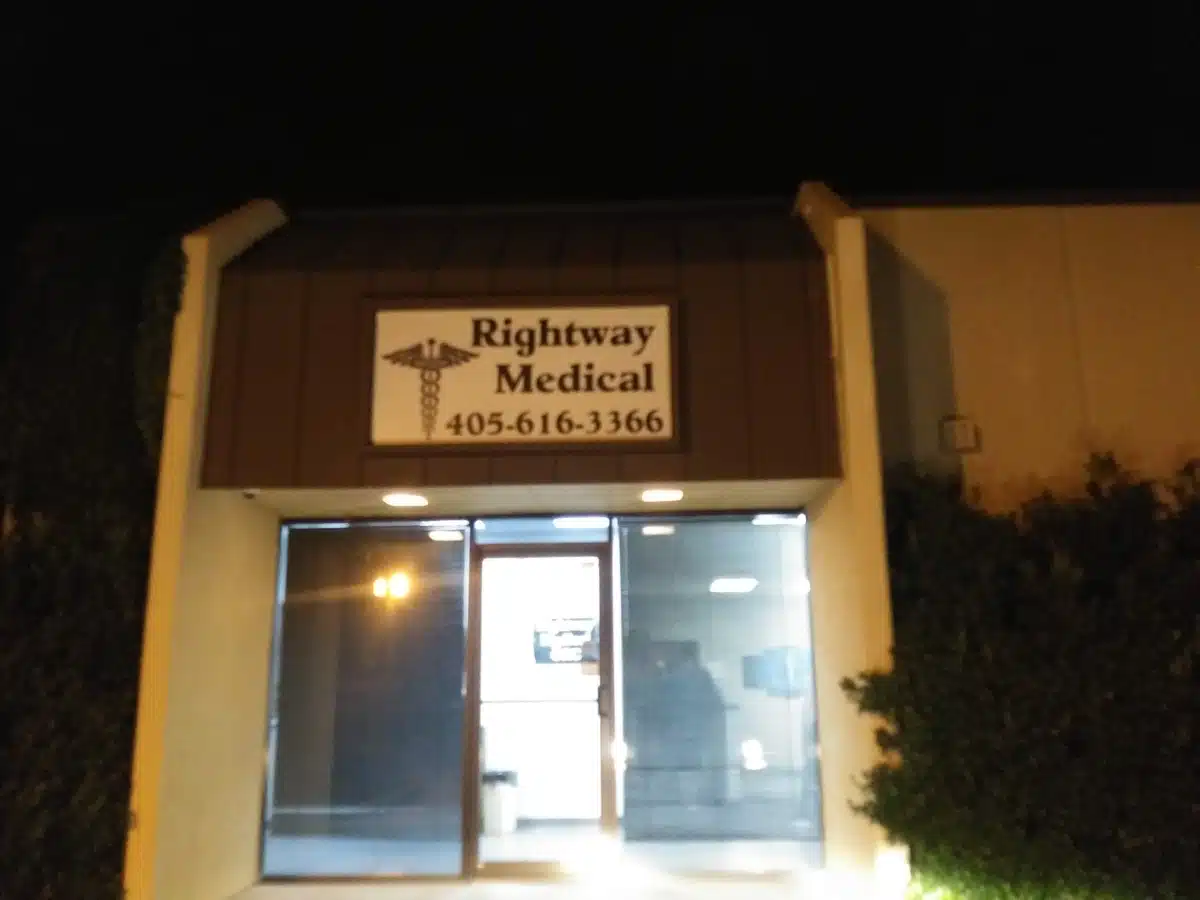

Moore Alcohol and Drug Center



Total Life Counseling
Reach for the Light Inc
Treatment Options in Oklahoma City
Treatment Locations in Oklahoma City
Facilities serve communities from downtown OKC to Edmond, Norman, and throughout the greater Oklahoma City metropolitan area.
More Treatment Centers in Oklahoma
View all 70 cities in Oklahoma
Frequently Asked Questions About Treatment in Oklahoma City
Sources
Medical Disclaimer
The information on this page is for educational purposes and is not a substitute for professional medical advice. If you or someone you know is experiencing a substance use crisis, call the SAMHSA National Helpline at 1-800-662-4357 (free, confidential, 24/7). For immediate danger, call 911 or the 988 Suicide & Crisis Lifeline by dialing 988.